

Tired of high freight costs on small orders? Worried about the constant risk of running out of stock? This frequent-buying cycle is inefficient and stressful.
Buying Vitamin E in bulk is a core strategic decision for serious buyers. It significantly lowers the per-kilogram cost through economies of scale, secures your supply chain with a vital safety stock, and builds a stronger, more prioritized relationship with your supplier.
My most successful clients have mastered the art of bulk procurement. They understand the goal is to lower the total landed cost and build a resilient supply chain. Bulk buying is not just about saving money; it is about taking control. Let's break down the advantages.
How does bulk buying affect Vitamin E prices?
Do freight and administrative fees eat up your profits on small orders? It often feels like you are paying more for logistics than for the product itself.
Bulk buying dramatically lowers your total landed cost per kilogram. This saving comes from a volume discount on the product itself and, most significantly, a massive reduction in per-kilogram freight costs by using efficient Full Container Load (FCL) shipments.

The biggest saving comes from freight. Shipping a Full Container Load (FCL)1 can cut your per-kilogram shipping cost by 50% or more compared to a small LCL (Less than Container Load) shipment. You also receive a volume discount from the factory due to more efficient production runs. Finally, one large order means less paperwork and fewer fees than ten small ones, reducing your administrative costs.
Landed Cost Comparison: LCL vs. FCL Shipment (Illustrative):
| Cost Component | 1,000kg LCL Shipment | 10,000kg FCL Shipment | Comments |
|---|---|---|---|
| Product Price / kg | $20.00 | $19.50 | Volume discount from the factory. |
| Freight Cost / kg | $0.80 | $0.30 | Freight cost per kg is less than half. |
| Final Landed Cost / kg | $20.80 | $19.80 | A significant saving on every single kilogram. |
How to store bulk Vitamin E safely?
You have saved money on a bulk order, but now you have a warehouse full of a sensitive ingredient. Improper storage can destroy the product and your savings.
Bulk Vitamin E must be stored in its original, sealed packaging in a cool, dry, and dark environment (ideally below 20°C). A strict First-In, First-Out (FIFO) inventory system is essential to ensure proper stock rotation and maintain full potency.
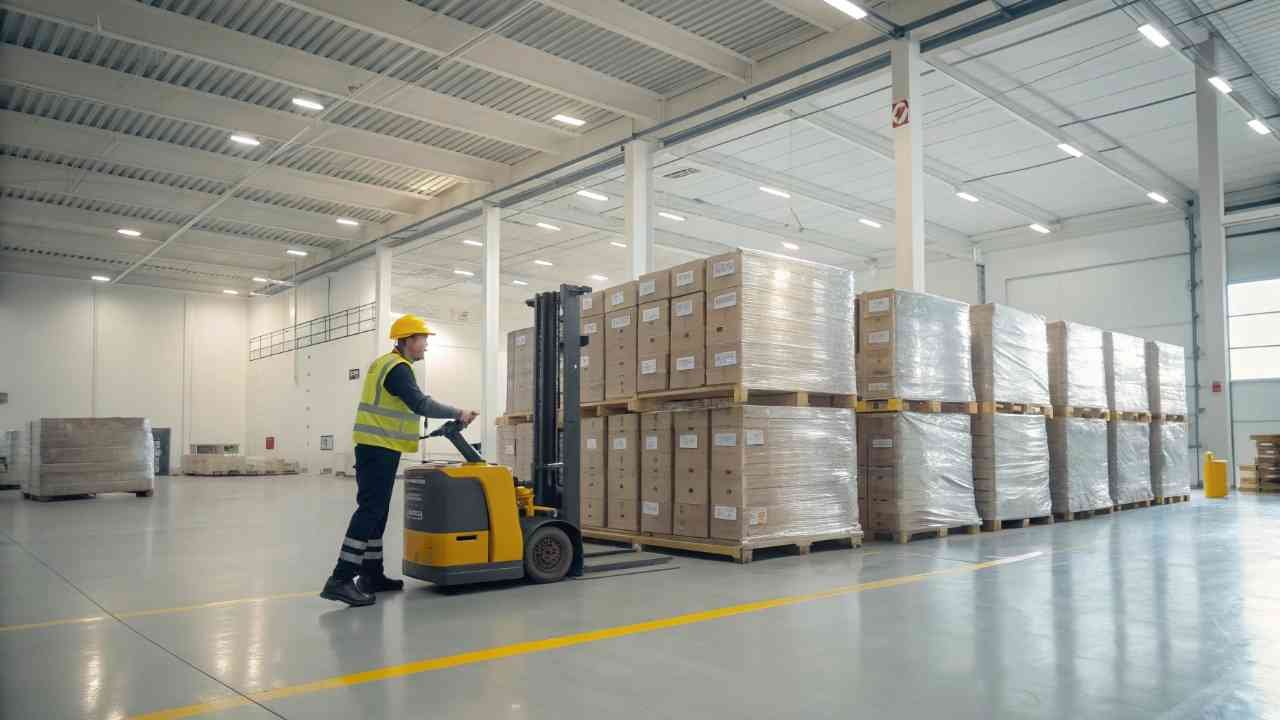
To protect your investment, you must control the storage environment. Your warehouse must protect the Vitamin E from its three enemies: heat2 (which destroys potency), humidity (which causes caking), and light. The golden rule of inventory management is First-In, First-Out (FIFO)3. This simple system of using your oldest stock first ensures that no batch is left to approach its expiry date.
Warehouse Best Practices:
| Aspect | Best Practice | Why It's Important |
|---|---|---|
| Packaging | Keep in original, sealed aluminum bags. | The bag is the primary barrier against oxygen and moisture. |
| Stock Rotation | Implement a strict First-In, First-Out (FIFO) system. | Guarantees that older stock is always used first. |
| Environment | Store in a cool, dry, dark area on pallets. | Protects from heat, caking, and light degradation. |
Why do suppliers offer discounts for bulk Vitamin E?
You see a lower price for a full container load and wonder, why can suppliers offer these discounts? Is it just a tactic to get a bigger order?
Suppliers offer discounts because bulk orders create significant efficiencies for the factory. A single, large production run is cheaper to operate, and a large confirmed order makes it easier for the supplier to plan their own raw material purchasing.
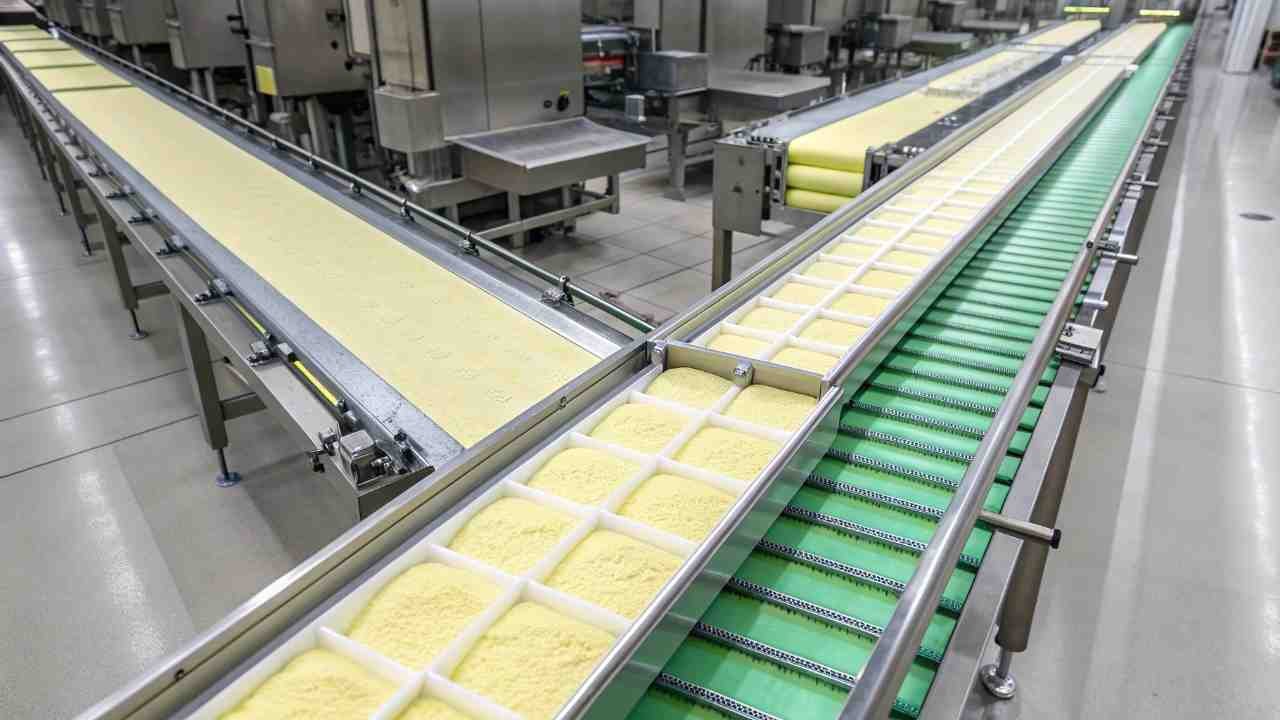
The discount is a reflection of real cost savings on our side. A single, long production run4 for a 10-ton order is far more efficient than ten small runs, as it spreads our fixed costs over a larger volume. A large, confirmed order also gives us planning predictability5, allowing us to purchase raw materials more efficiently. We are happy to share these savings with you as an investment in a strong partnership.
Supplier Benefits from a Bulk Order:
| Benefit for Supplier | How it Lowers the Supplier's Cost | Result for the Buyer |
|---|---|---|
| Production Efficiency | Fixed costs are spread over a larger volume. | Lower per-kilogram product price. |
| Planning Predictability | Better raw material purchasing and production scheduling. | A more reliable and stable supply. |
How does bulk buying ensure Vitamin E supply?
Are you worried about a market shortage leaving you without a critical ingredient? Living order-to-order is a high-risk game.
Bulk buying is a powerful supply security strategy. It creates a strategic safety stock that acts as your private buffer, protecting your production from shipping delays and allowing you to avoid buying during sudden price spikes caused by market shortages.
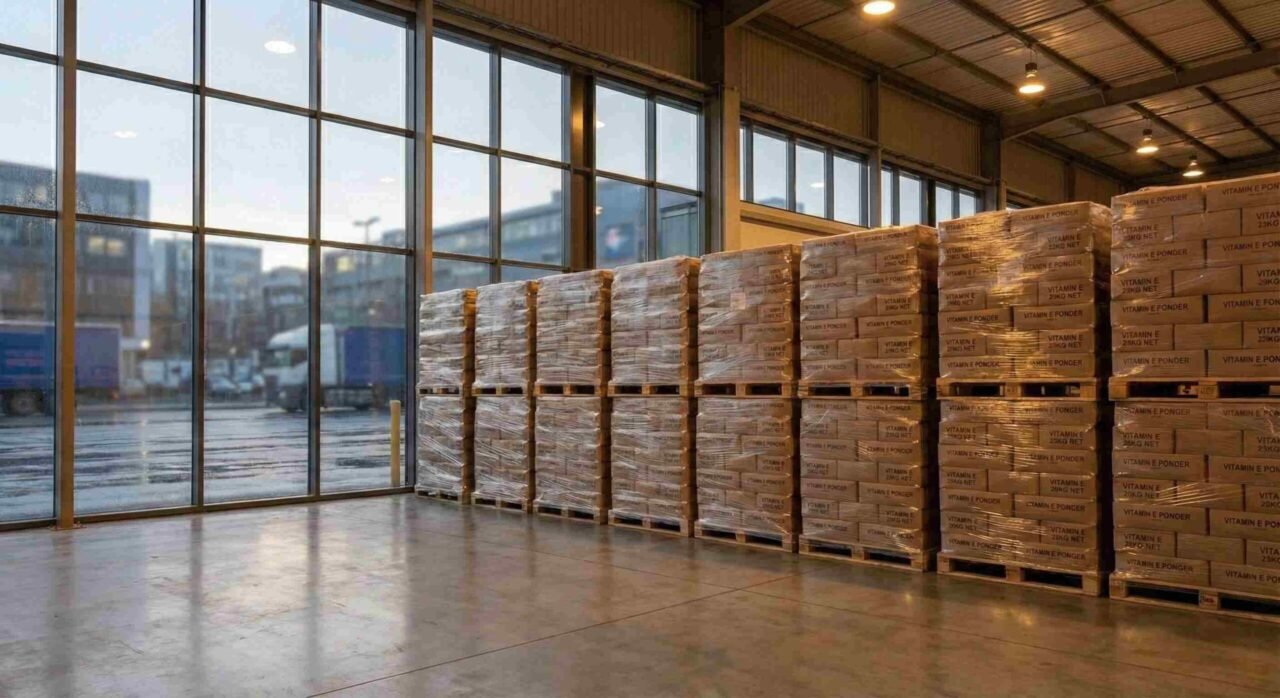
In a volatile market, inventory is your best insurance policy. A bulk purchase creates a safety stock. This buffer protects you from production shutdowns caused by shipping delays. More importantly, when a market crisis causes prices to skyrocket, you can use your own inventory instead of panic-buying at the peak. Finally, suppliers always prioritize their largest and most consistent customers during a shortage. Bulk buying makes you a priority customer.
Risk Mitigation: Just-in-Time vs. Bulk Buyer:
| Risk | Just-in-Time Buyer's Exposure | Bulk Buyer's Exposure |
|---|---|---|
| Price Shock | Very High. Forced to buy at peak prices. | Low. Can use safety stock and wait. |
| Shipping Delay | Very High. Production halts. | Low. Safety stock covers the delay. |
| Supply Shortage | High. Last in line for allocation. | Low. Becomes a priority customer. |
What risks come with bulk Vitamin E purchase?
Bulk buying sounds great, but it also feels like a big commitment. What are the potential downsides, and how can you manage them?
The main risks of bulk buying are the large upfront cash outlay that impacts cash flow, the costs and challenges of proper storage, and the risk of product obsolescence if your demand forecast is wrong. These risks must be managed with careful planning.

A professional buyer understands and manages the risks. The biggest is cash flow strain6 from the large upfront payment. This can be managed by negotiating flexible terms with a trusted supplier. The second is the operational risk of storage; you must have the right climate-controlled space and FIFO system. The third is the obsolescence risk if your demand changes. This is best managed with accurate forecasting and by using annual contracts with scheduled call-offs.
Risk and Mitigation Strategy:
| Risk | Description | Mitigation Strategy |
|---|---|---|
| Cash Flow Strain | A large upfront payment ties up capital. | Negotiate flexible payment terms with a trusted partner. |
| Storage & Spoilage | Requires proper space and systems; risk of quality loss. | Invest in good warehousing and a strict FIFO system. |
| Obsolescence | Demand changes, leaving you with unused stock. | Improve forecasting; use annual contracts with call-offs. |
Conclusion
Bulk buying Vitamin E is a powerful strategic move. It lowers costs and secures your supply, but it requires careful planning to manage the associated risks effectively.
-
This resource will help you understand the advantages of FCL shipping, including cost savings and efficiency. ↩
-
Understanding how heat affects Vitamin E can help you optimize storage conditions and maintain potency. ↩
-
Exploring FIFO will enhance your inventory management skills, ensuring product quality and reducing waste. ↩
-
Understanding production runs can help you grasp how efficiency and cost savings are achieved in manufacturing. ↩
-
Exploring planning predictability will reveal its crucial role in optimizing supply chains and enhancing operational efficiency. ↩
-
Explore this link to discover practical strategies that can help alleviate cash flow strain, ensuring smoother financial operations. ↩