

Are you tired of paying high per-kilogram costs for small orders? Worried that frequent buying exposes you to market volatility? This cycle is inefficient and costly.
Buying Taurine in bulk is a strategic decision that significantly lowers your total landed cost. It reduces the per-unit product price, slashes shipping costs, and provides a crucial safety stock, ensuring a steady, reliable supply for your production.
I have seen many smart buyers make the switch from frequent small orders to strategic bulk purchasing. The benefits are fundamental to building a strong supply chain. Let's break down exactly where the savings and added security come from.
How does bulk buying affect Taurine prices?
Do you feel like freight and handling fees are eating up your budget on small orders? The cost per kilogram seems too high. There is a much more efficient way.
Bulk buying dramatically reduces the total landed price of Taurine in two ways. It unlocks significant economies of scale in shipping, drastically cutting per-kilogram freight costs. It also often qualifies you for a better per-unit price from the supplier.
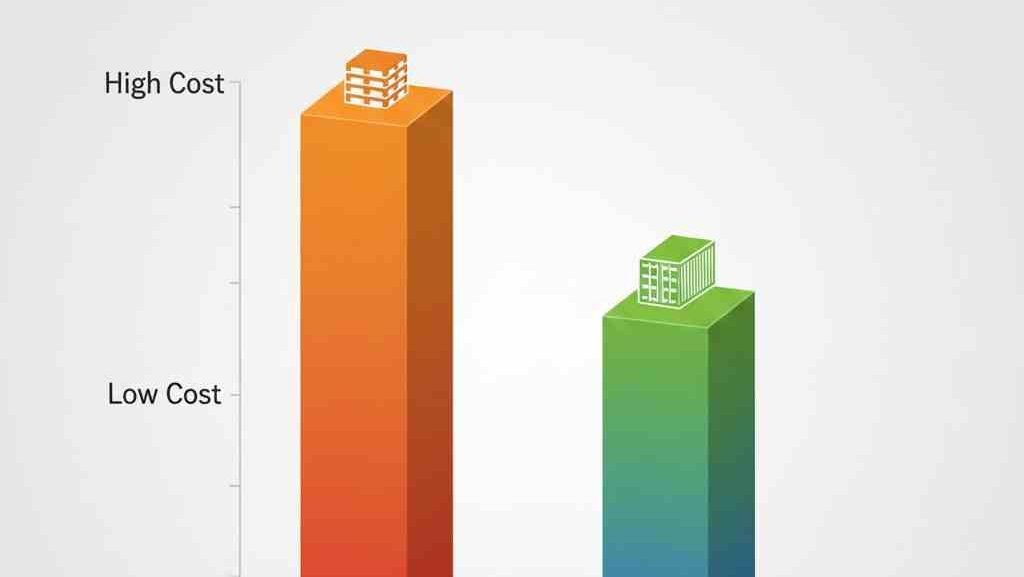
The biggest saving comes from Full Container Load (FCL) shipping1. A full 20-ton container has a much lower freight cost per kilogram than a small 1-ton shipment. This single change can cut your shipping costs2 in half. You also save on administrative overhead, as one large order means one set of paperwork and fees, not twenty.
Landed Cost Comparison: LCL vs. FCL Shipment:
| Cost Component | 1-ton LCL Shipment | 20-ton FCL Shipment | Comments |
|---|---|---|---|
| Price per kg (from factory) | $2.50 | $2.45 | Small volume discount. |
| Freight Cost per kg | $0.30 | $0.15 | Freight cost per kg is cut in half. |
| Final Landed Cost per kg | $2.80 | $2.60 | A significant saving on every kilogram purchased. |
How to store bulk Taurine safely?
You have ordered 20 tons of Taurine, and it has arrived. Now what? Improper storage can ruin the product, completely wasting your investment.
Bulk Taurine must be stored in a cool, dry, and dark warehouse, kept on pallets off the floor to prevent moisture absorption. A strict First-In, First-Out (FIFO) inventory system is essential to ensure proper stock rotation and prevent product degradation.
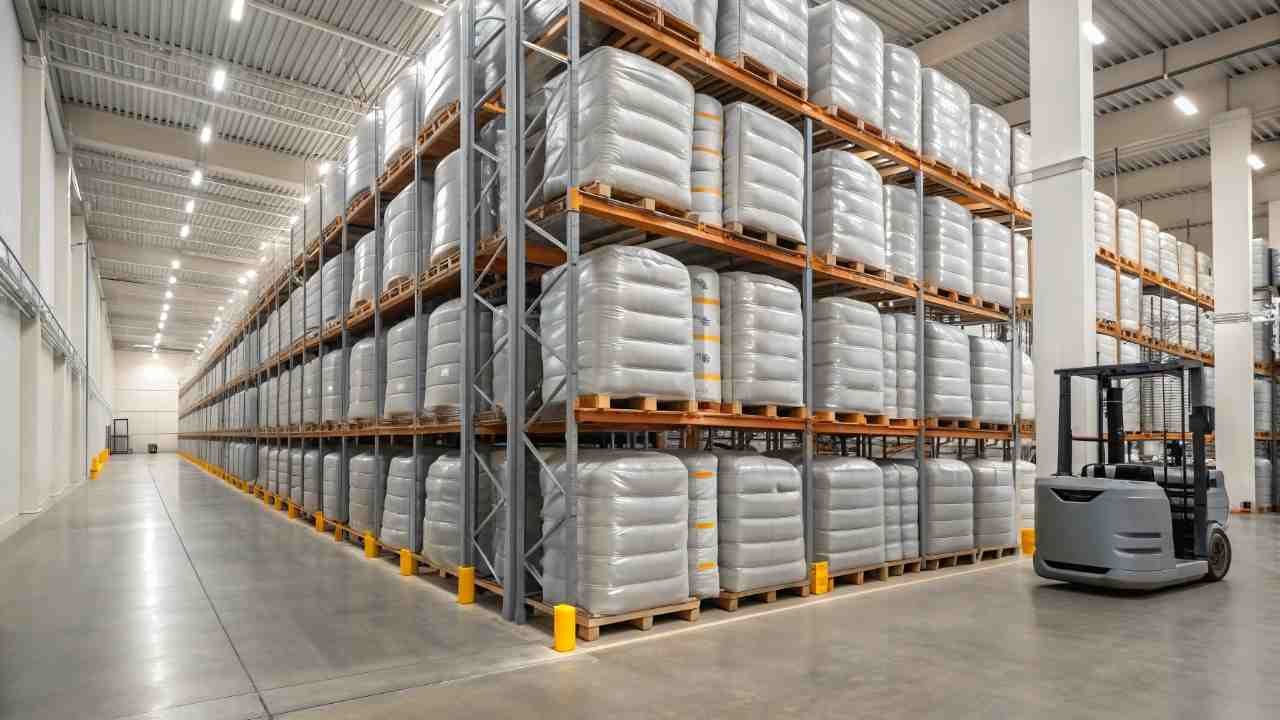
Protecting your investment is simple with the right discipline. Taurine's main enemy is moisture3, as it can cause the powder to form hard clumps. Your warehouse must be cool, dry, and dark, and all bags must be stored on pallets, never directly on the floor. Most importantly, you must use a First-In, First-Out (FIFO)4 system. This means always using your oldest stock first to ensure proper rotation and prevent any product from expiring.
Simple Checklist for Safe Taurine Storage:
| Condition | Requirement | Why It Is Important |
|---|---|---|
| Humidity | Low (Dry Environment) | Prevents moisture absorption and caking. |
| Position | On pallets, off the floor | Protects from ground moisture, allows air flow. |
| Inventory System | Strict First-In, First-Out (FIFO) | Ensures proper stock rotation, prevents waste. |
Why do suppliers offer discounts for bulk Taurine orders?
You want a better price, but wonder why a supplier would give one. Are you leaving money on the table by placing small orders?
Suppliers offer discounts because bulk orders create significant efficiencies in their own operations. It simplifies production planning, reduces packaging and labor costs per unit, and lowers their administrative overhead. These savings are shared with the buyer.

A large, single order is much more efficient for us as the supplier. It is cheaper to schedule one long production run than twenty short ones. It also dramatically reduces our per-unit costs for packaging, labor, and administrative work like logistics and documentation. We are happy to pass these real savings on to the clients who provide this efficiency.
Comparing Supplier Costs: Small vs. Bulk Order:
| Cost Factor | 20 Separate 1-Ton Orders | 1 Single 20-Ton Order |
|---|---|---|
| Production Setup | High (20 separate setups) | Low (1 single setup) |
| Admin & Logistics Time | High (20x the work) | Low (1x the work) |
| Overall Efficiency | Low | High |
How does bulk buying ensure steady Taurine supply?
Are you worried about running out of stock during a market shortage or a shipping delay? A single late shipment could halt your production.
Bulk buying is the most effective way to ensure a steady supply. It creates a significant on-site inventory, or "safety stock." This inventory acts as a powerful buffer, insulating your production from unexpected shipping delays, market shortages, or price spikes.
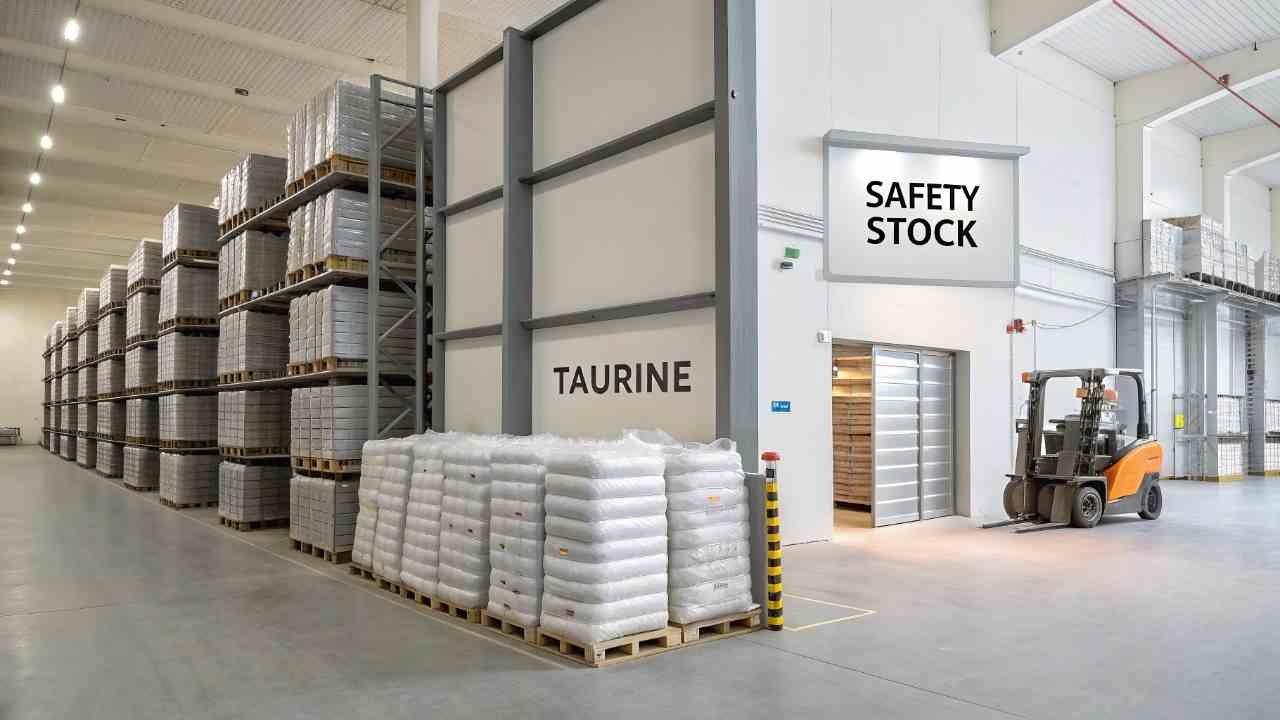
Bulk buying gives you control. The safety stock5 you create acts as a buffer, turning a potential crisis like a shipping delay into a minor scheduling issue. This inventory also gives you power; you can wait out sudden price spikes instead of being forced to buy. Finally, suppliers always prioritize their largest, most consistent customers. During a market shortage, bulk buyers are always at the front of the line.
Risk Profile Comparison: Just-in-Time vs. Bulk Inventory:
| Risk Factor | Just-in-Time (Small, Frequent Orders) | Bulk Inventory (Large, Planned Orders) |
|---|---|---|
| Vulnerability to Delays | High. A small delay stops production. | Low. Safety stock covers delays. |
| Supplier Priority | Lower | Higher. Becomes a key account. |
What risks should buyers consider in bulk Taurine purchases?
Bulk buying sounds great, but it feels like a big commitment. What if you buy too much, or the market price drops?
The main risks of bulk buying are the high upfront capital investment that ties up cash flow, the increased inventory holding costs for storage and insurance, and the risk of being stuck with high-priced stock if the market price suddenly drops.

A professional buyer understands and manages risk. The biggest challenges of bulk buying are the cash flow strain6 from a large upfront payment and the inventory holding costs7 of storage and insurance. There is also a risk of the market price dropping after your purchase. These risks are managed through careful financial planning, an efficient warehouse, and, for price stability, negotiating long-term contracts with your supplier.
Risk Mitigation Strategies:
| Risk | Description | Mitigation Strategy |
|---|---|---|
| Cash Flow Strain | Large upfront payment ties up capital. | Ensure proper financial planning and budget allocation. |
| Holding Costs | Cost of storage, insurance, and obsolescence. | Calculate costs vs. savings; implement a strict FIFO system. |
| Market Price Drop | Being stuck with high-priced stock. | Negotiate long-term contracts to lock in a stable price. |
Conclusion
Bulk Taurine buying is a powerful strategy. It cuts costs, secures your supply, and builds stronger partnerships when risks like cash flow and storage are professionally managed.
-
Discover how FCL shipping can significantly reduce your freight costs and streamline your logistics. ↩
-
Learn effective strategies to minimize shipping costs and improve your overall logistics efficiency. ↩
-
Exploring the impact of moisture on storage can help you implement better practices to protect your investment. ↩
-
Understanding FIFO is crucial for effective inventory management, ensuring product freshness and minimizing waste. ↩
-
Understanding safety stock is crucial for effective inventory management, ensuring you can handle unexpected demand and supply chain disruptions. ↩
-
Understanding cash flow strain is crucial for managing finances effectively in bulk buying. ↩
-
Calculating inventory holding costs helps in budgeting and optimizing storage expenses. ↩