
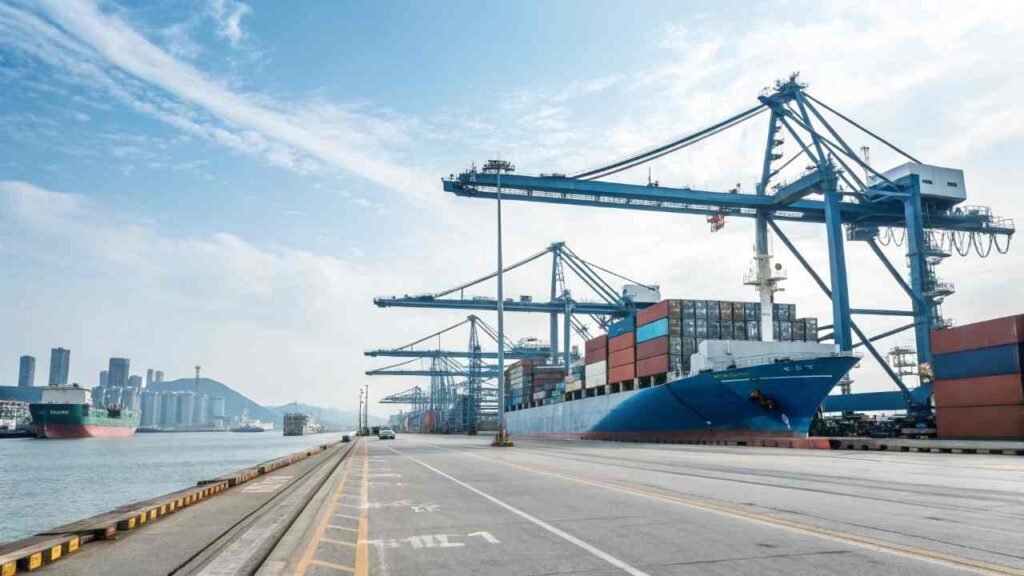
Your production line is about to stop. The Sucralose shipment that was due last week is now stuck at the port. This costly, stressful situation is completely avoidable.
Importers avoid delays by ensuring 100% perfect and complete customs documentation, booking vessel space well in advance of the cargo ready date, and choosing an experienced supplier who proactively manages the entire logistics process. A strong partnership is the best defense.
Delays are one of the biggest pain points I hear about. For a professional buyer, a late shipment is a major operational failure. A smooth delivery is not a matter of luck; it is the result of a professional, disciplined, and proactive process. Let's explore the key steps to ensure your Sucralose arrives on time, every time.
Which documents are required for Sucralose customs clearance?
Your container has arrived, but it is trapped in customs. The daily fees are adding up fast. The problem is almost always a single missing or incorrect document.
The essential documents for Sucralose customs clearance are the Bill of Lading (B/L), Commercial Invoice, and Packing List. These are supported by a Certificate of Analysis (COA) and often a country-specific document like a Certificate of Origin (COO).

Perfect documentation is the number one key to a fast customs clearance. The core documents are the Bill of Lading (B/L), Commercial Invoice, and Packing List. These must be supported by a Certificate of Analysis (COA). Many countries, especially in the Middle East, also require a Certificate of Origin (COO). An expert supplier knows the specific rules for your country and prepares this paperwork perfectly to prevent any hold-ups.
Key Documents Checklist:
| Document | Main Purpose | Who Provides It? |
|---|---|---|
| Bill of Lading (B/L) | Title of Goods / Contract of Carriage. | Supplier / Forwarder |
| Commercial Invoice | Declares value for customs duties. | Supplier |
| Packing List | Details the shipment's contents. | Supplier |
| COA | Verifies product quality. | Supplier |
| COO | Proves the country of origin. | Supplier |
How do shipping routes affect Sucralose lead time?
Your supplier quoted a 30-day transit time, but the shipment took 45 days. Why? The shipping route they chose is almost always the cause.
Shipping routes directly affect lead time. Direct routes are faster and have fewer risks. Transshipment routes are often cheaper but add 1-2 weeks to the total transit time and introduce a high risk of delay at the connecting port.

Understanding your shipping route is key to accurate planning. A direct route1 is like a non-stop flight: faster, safer, and more predictable. A transshipment route2 is like a connecting flight: the container is moved between ships at a major hub port. While often cheaper, this route is always slower and has a high risk of the container missing its connection, causing a week-long (or longer) delay. You must decide between the reliability of a direct route and the lower cost of a transshipment route.
Shipping Route Comparison:
| Feature | Direct Route | Transshipment Route |
|---|---|---|
| Transit Time | Faster and more predictable. | Slower and less predictable. |
| Cost | Usually Higher | Usually Lower |
| Risk of Delay | Very Low. | High. Risk of missed connections is real. |
Why is early booking important for Sucralose shipments?
Your cargo is produced and ready to go. But your supplier tells you there is no space on any ship for the next three weeks. This is a frustrating and completely avoidable delay.
Early booking is essential because vessel space is a limited commodity. Booking 2-3 weeks before the cargo ready date secures a spot on the desired vessel, locks in a rate, and prevents costly delays caused by a lack of space, especially during peak seasons.

Vessel space3 is a limited resource that must be booked in advance. A professional supplier will book your container's "ticket" 2-3 weeks before your cargo is ready. Booking late, especially during peak seasons like pre-Chinese New Year, risks having no space available. It also risks your cargo being "rolled"—bumped to the next week's vessel because the ship was overbooked. Early booking is the only way to prevent these frustrating delays.
Ideal Booking Timeline (Non-Peak Season):
| Timeline | Action | Purpose |
|---|---|---|
| 3 Weeks Before Sailing | Supplier books vessel space. | Secures the spot on the desired ship. |
| 1 Week Before Sailing | Production is finished, cargo is packed. | |
| Departure Day | Container is delivered to port and loaded. | On-time departure. |
How does tracking improve Sucralose delivery management?
Your container has sailed, and for the next 30 days, it is a "black box" on the ocean. You have no idea where it is. This uncertainty makes it impossible to plan.
Proactive tracking transforms the "black box" of ocean freight into a transparent process. It provides real-time visibility of the shipment's key milestones, allowing an importer to manage their own operations—customs, warehousing, and production—with confidence.
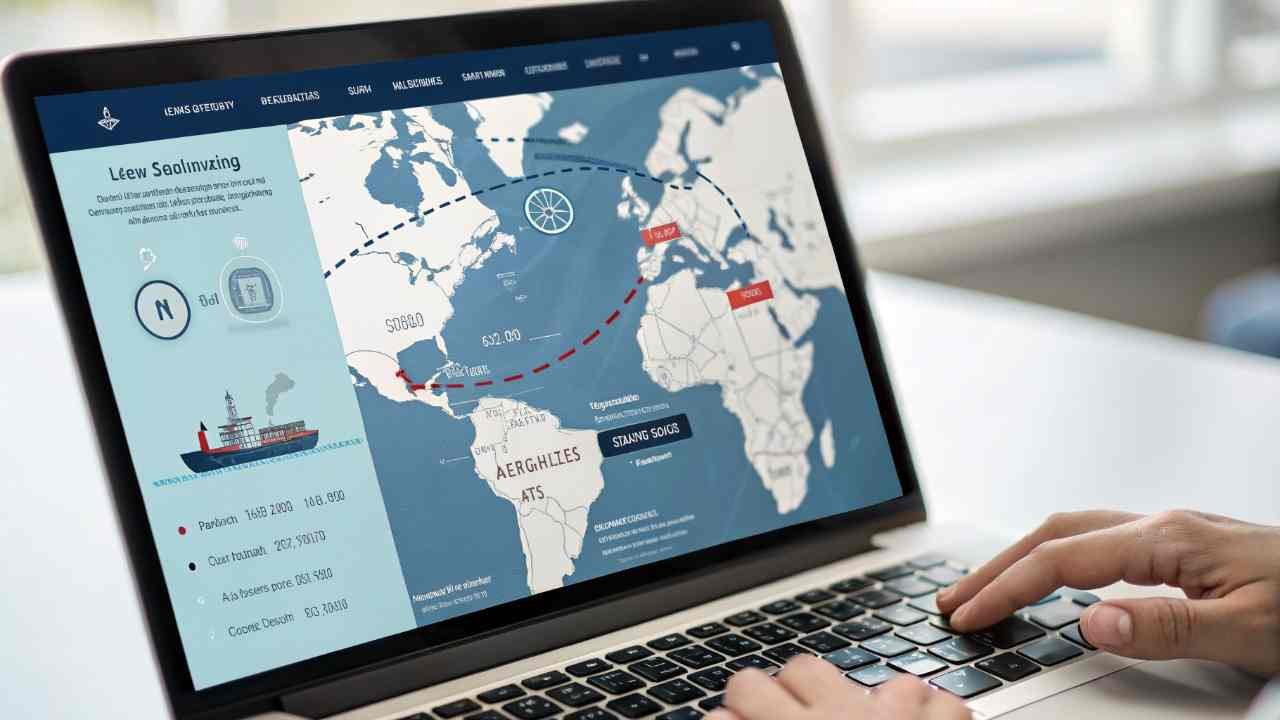
A supplier's job is to provide proactive tracking updates at key milestones, such as confirmation of sailing and a final ETA one week before arrival. This visibility4 is a critical business tool. It allows you to proactively schedule5 your customs broker, arrange local transportation, and plan your factory's production schedule. Tracking turns a period of uncertainty into a manageable, predictable timeline.
The Value of Proactive Updates:
| Milestone Update | Information Provided | Action Enabled for the Buyer |
|---|---|---|
| Vessel has Sailed | Vessel Name, Confirmed ETA | Start the planning process. |
| ETA Confirmation (1 week out) | Precise Arrival Date & Time | Schedule customs broker, local transport, and warehouse team. |
| Arrival at Port | Notification of discharge | Execute the customs clearance and delivery plan. |
How can buyers reduce risks of Sucralose shipment delays?
Do you feel like shipping delays are an unavoidable part of international trade? While some risk always exists, there are powerful actions you can take to protect your business.
Buyers reduce delay risks by choosing suppliers who are logistics experts, not just manufacturers. They also build resilience by planning for buffer time in their schedules, holding strategic safety stock, and prioritizing reliable direct shipping routes.

You can build a resilient supply chain with three key strategies. First, choose an expert supplier who understands logistics inside and out. Second, always build buffer time of 1-2 weeks into your own schedule. Never plan production around the earliest possible arrival date. Third, the ultimate protection is a safety stock. A reserve inventory makes your business immune to most common shipping delays.
Risk Mitigation Strategies:
| Risk | Reactive Approach (High Stress) | Proactive Strategy (Low Stress) |
|---|---|---|
| Customs Hold-Up | Panic when customs calls. | Choose a supplier who provides perfect documents. |
| Unexpected Delay | Halt production when you run out of stock. | Build in buffer time and hold a safety stock. |
Conclusion
Avoiding shipping delays is not about luck. It is about a disciplined process of perfect documentation, proactive planning, and choosing an expert partner to manage your logistics.
-
Exploring this link will provide insights into the advantages of choosing a direct route for efficient shipping. ↩
-
This resource will help you understand the complexities and risks associated with transshipment routes in logistics. ↩
-
Understanding vessel space is crucial for effective shipping logistics and avoiding delays. ↩
-
Understanding the importance of visibility can help you optimize your supply chain and improve overall operations. ↩
-
Explore this link to learn effective strategies for scheduling that enhance efficiency and reduce delays. ↩