
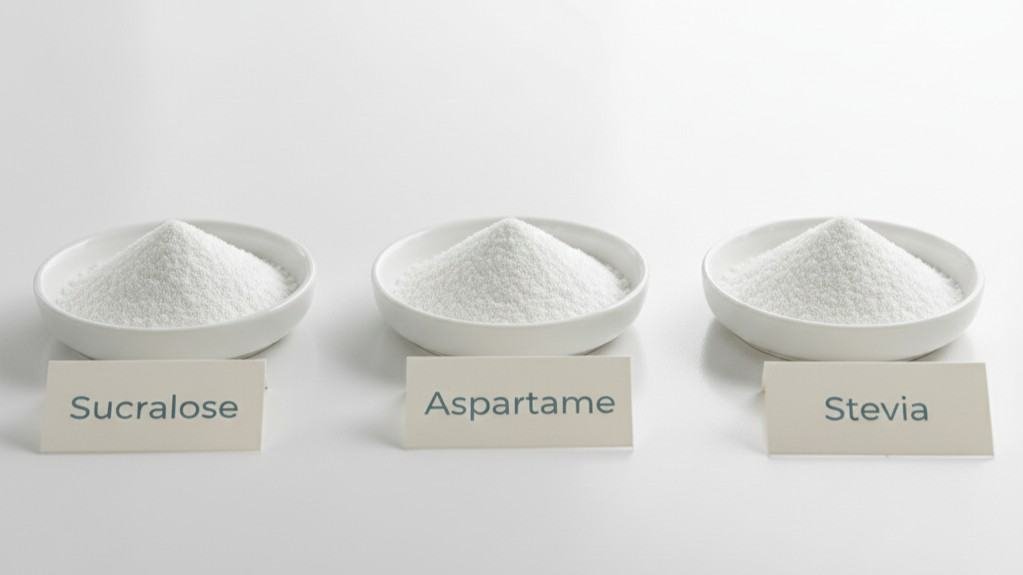
Choosing a sweetener feels overwhelming. Aspartame, Stevia, Sucralose... making the wrong choice leads to a bad-tasting product, formulation failures, and wasted investment.
Sucralose stands out in global trade due to its superior heat and pH stability, clean sugar-like taste, and excellent value. Unlike aspartame, it is perfect for baking and acidic drinks, and its cleaner taste profile makes it a more versatile choice for mass-market products than stevia.
A sharp Purchasing Director doesn't just ask, “How much does it cost?” They ask, “Which sweetener is the right strategic choice for my product, my process, and my customer?” Choosing between these ingredients is a critical technical and commercial decision. Let’s compare them from a practical, business-oriented perspective.
How does Sucralose pricing compare to aspartame?
Aspartame often looks cheaper per kilogram on a price list. This makes it very tempting to choose. But is the per-kilo price the whole story?
While aspartame's price per kilogram may be lower, Sucralose is three times sweeter, meaning you use much less. This makes their "cost-in-use" very similar. When you factor in Sucralose's superior stability, it often provides better overall value.
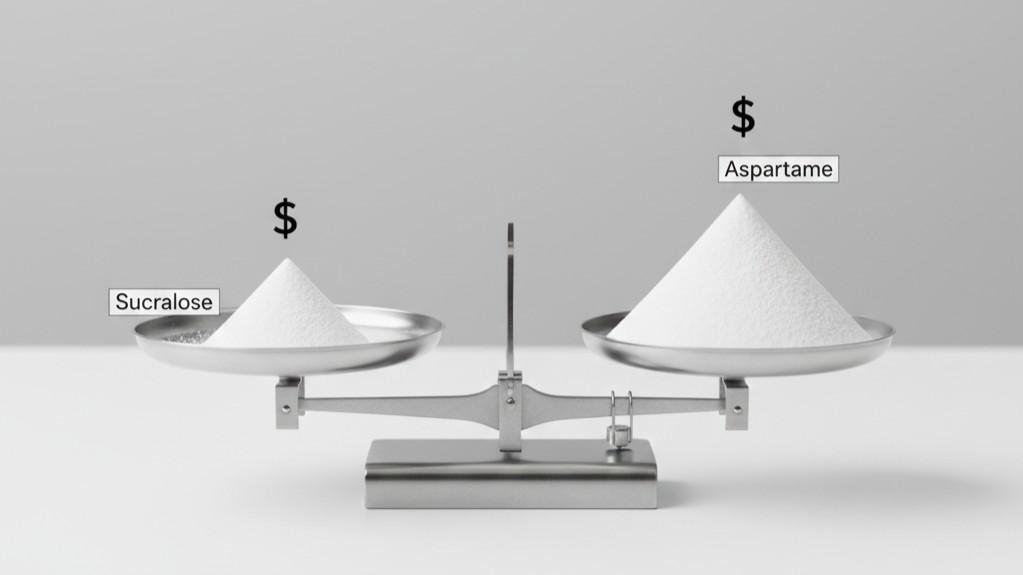
The per-kilo price is misleading. Sucralose is 600x sweeter than sugar1, while aspartame is only 200x sweeter. This means you need three times less Sucralose to achieve the same sweetness. A smart buyer always calculates the "cost-in-use," not the price on the list. When you do this, Sucralose is often the more economical choice. Furthermore, aspartame's poor heat stability can lead to waste, a hidden cost that Sucralose does not have.
Cost Comparison: Sucralose vs. Aspartame
| Factor | Aspartame | Sucralose |
|---|---|---|
| Sweetness vs. Sugar | ~200x | ~600x |
| Usage Rate | High (3 units) | Low (1 unit) |
| Cost-in-Use | Often higher. | Often lower and more competitive. |
| Stability | Poor in heat and acidic conditions. | Excellent in heat and acidic conditions. |
Why do beverage brands prefer Sucralose?
Your new diet soda loses its sweet taste after just a few weeks on the shelf. This is a brand disaster. The cause is often a sweetener that is not stable in your formula.
Global beverage brands prefer Sucralose for two main reasons: its exceptional stability in low pH (acidic) environments, which guarantees a long shelf life, and its clean, sugar-like taste with minimal aftertaste, which protects brand consistency.
Beverage brands need two things: a great, consistent taste and a long shelf life. Sucralose delivers both. Unlike aspartame, Sucralose is extremely stable in low pH (acidic) drinks2, meaning the product's sweetness will not fade over time. It also has a clean, sugar-like taste3 with minimal aftertaste. This makes it much easier to formulate with than stevia, which often requires expensive "masking agents" to hide its bitter off-notes.
Sweetener Comparison for Beverage Applications:
| Feature | Sucralose | Aspartame | Stevia |
|---|---|---|---|
| pH Stability | Excellent | Fair (degrades over time) | Good |
| Shelf-Life Impact | Guarantees long-term taste consistency. | Risk of sweetness loss. | Generally stable. |
| Taste Profile | Clean, sugar-like. | Clean taste. | Can have a bitter/licorice aftertaste. |
| Formulation Complexity | Low | Low | High (often needs masking agents). |
How does Sucralose stability benefit global logistics?
Your container of sweetener travels for a month across a hot ocean. When it arrives, the product inside has degraded. This is a total loss.
Sucralose's excellent chemical stability is a major benefit for global logistics. It is not sensitive to the high temperatures found in shipping containers, ensuring it arrives with the same quality and potency as when it left the factory. This significantly reduces risk for importers.

The inside of a shipping container can exceed 50°C during its journey. This heat can degrade less stable ingredients. Sucralose is an extremely robust and stable molecule4 that is unaffected by these high temperatures. This means it can be shipped in a standard dry container without any risk of quality loss, simplifying logistics and keeping costs down. This stability also gives it a long shelf life (2+ years)5, which is a major advantage for distributors managing their inventory.
Logistical Comparison: Sucralose vs. Aspartame:
| Feature | Sucralose | Aspartame (Less Stable Alternative) |
|---|---|---|
| Heat Stability in Transit | Excellent. Unaffected by heat. | Fair. Can degrade at high temps. |
| Refrigerated Shipping Needed? | No. Standard dry container is fine. | Sometimes recommended for long/hot routes. |
| Shelf Life | Long (2+ years). | Shorter (1-2 years). |
| Importer's Risk | Very Low. | Moderate. |
How do Sucralose applications differ from stevia applications?
Your marketing department wants a "natural" product, so they insist on using stevia. But your R&D team complains about a bitter aftertaste.
Sucralose applications are broad, chosen for products where a clean, sugar-like taste and heat stability are critical. Stevia is primarily used in products where a "natural" or "plant-based" marketing claim is the most important factor, despite formulation challenges with its aftertaste.
The choice between Sucralose and Stevia is a strategic one: "clean taste" vs. "clean label." Sucralose is chosen for its superior, sugar-like taste and ease of formulation. It is the workhorse for mass-market products where taste is king. Stevia is chosen for its "plant-based" marketing story. Its primary challenge is a bitter or licorice-like aftertaste, which often requires complex and costly formulation work to mask.
Application Profile: Sucralose vs. Stevia
| Factor | Sucralose | Stevia |
|---|---|---|
| Primary Driver | Clean Taste and Performance. | "Natural" / "Plant-Based" Marketing Claim. |
| Taste Profile | Sugar-like, minimal aftertaste. | Can have a bitter/licorice aftertaste. |
| Formulation Complexity | Low. | High (often requires masking agents). |
| Common Applications | Diet Sodas, Bakery, Dairy, Supplements. | "Natural" Drinks, Protein Powders, Keto Products. |
How do buyers choose between Sucralose and other sweeteners?
You need to select a sweetener for your next product launch. The options are confusing. A methodical decision-making process is needed.
Buyers choose the right sweetener by evaluating four key criteria: the desired final taste profile, the product's processing conditions (heat and pH), the target consumer's preferences (e.g., taste vs. "natural" claims), and the total "cost-in-use."
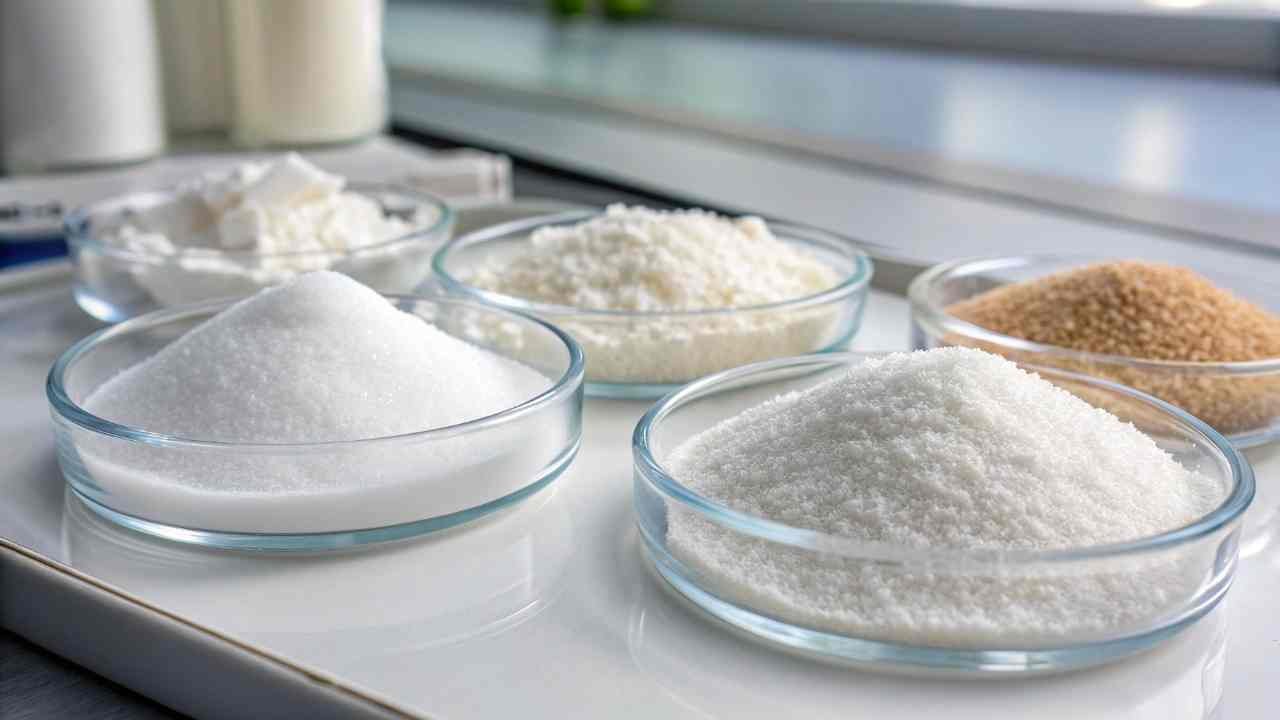
The right choice comes from a systematic evaluation. First, define your taste and marketing goal6 (clean taste or clean label?). Second, analyze your production process (will it be heated or acidic?). Third, calculate the true cost-in-use, not just the per-kilo price. This methodical approach ensures you choose the sweetener that is the best strategic fit for your specific product's needs. For overall versatility, Sucralose is often the best choice for a distributor because it performs so well in so many different applications.
Decision Matrix for Sweeteners:
| Criteria | Sucralose | Aspartame | Stevia |
|---|---|---|---|
| Best for Clean, Sugar-like Taste? | Yes | Yes | No (aftertaste is a challenge) |
| Best for Heat & pH Stability? | Yes | No | Yes |
| Best for "Natural" Marketing Claim? | No | No | Yes |
| Best Overall Versatility? | Yes. Performs well in most applications. | No. Limited by instability. | No. Limited by taste challenges. |
Conclusion
Sucralose excels in trade with its unmatched stability, clean taste, and excellent value. The right sweetener choice always depends on a strategic evaluation of your product's specific needs.
-
Explore the advantages of Sucralose, including its sweetness level and cost-effectiveness, to make informed choices. ↩
-
Explore this link to understand how sucralose's stability enhances beverage formulation and shelf life. ↩
-
Discover why sucralose's taste profile makes it a preferred choice for beverage brands. ↩
-
Discover the unique properties of sucralose that ensure its stability and robustness, making it ideal for shipping. ↩
-
Learn about the factors contributing to sucralose's impressive shelf life, beneficial for inventory management. ↩
-
Understanding taste and marketing goals is crucial for aligning product development with consumer preferences. ↩