
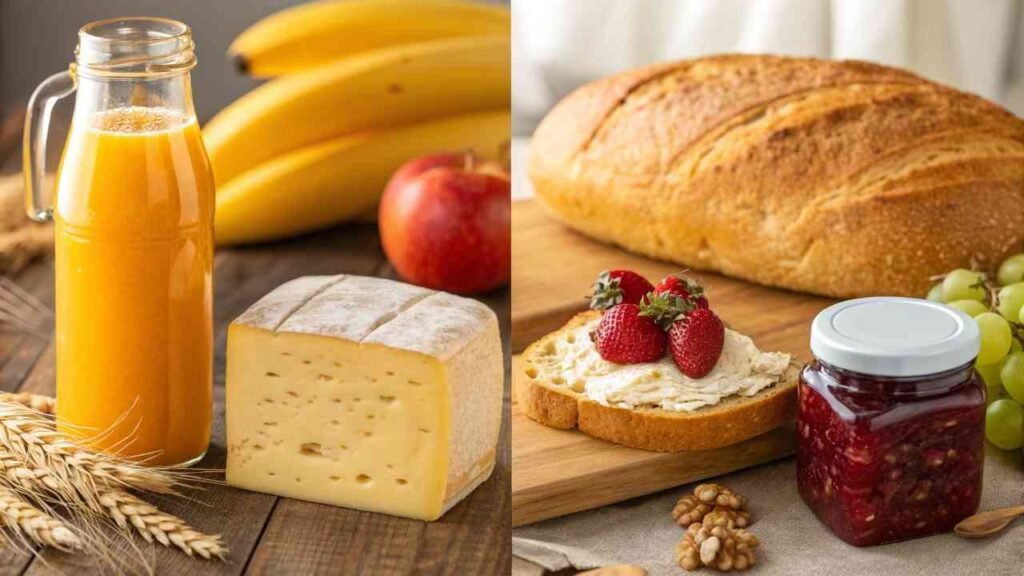
Are your food products spoiling on the shelf? Mold and yeast are constant threats that cause product returns, waste money, and damage your brand's reputation.
Potassium Sorbate is most widely used as a preservative in acidic food and beverage products to prevent mold and yeast. Its major applications include beverages, dairy products like yogurt and cheese, baked goods, sauces, jams, and dried fruits.
As a supplier, one of the most versatile ingredients I handle is Potassium Sorbate. From tomato paste producers to beverage companies, my clients rely on it to protect their products. Potassium Sorbate is one of the most effective and widely trusted tools for this purpose. Let's look at where this essential preservative is used and why it is so effective.
Which Food Products Commonly Use Potassium Sorbate?
Are you wondering if this preservative is right for your specific product? Many different foods spoil in similar ways, and a single, versatile solution can often protect them all.
Potassium Sorbate is commonly used in acidic foods where mold and yeast are the primary spoilage agents. This includes sauces like tomato paste and salad dressings, jams, jellies, processed cheese and yogurt, baked goods, and dried fruits.
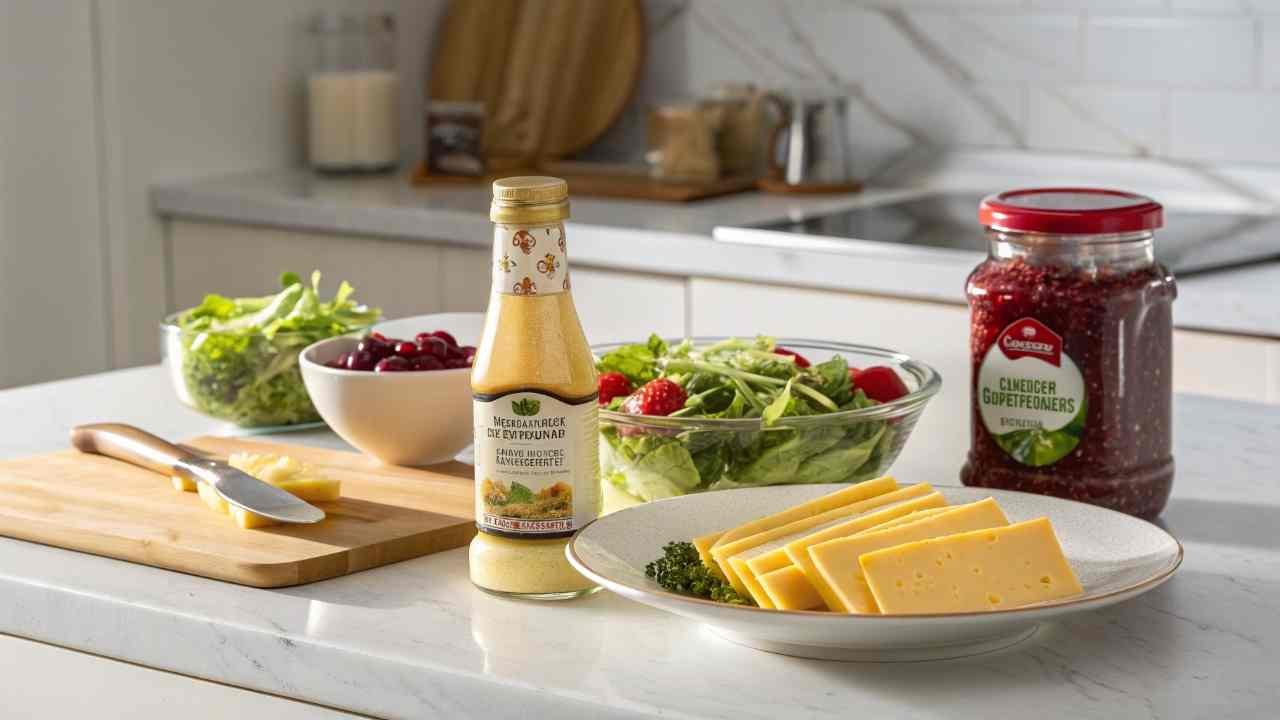
The key principle for Potassium Sorbate is that it works best in acidic (low pH) environments. This makes it a perfect fit for a huge range of common food products. You will find it in sauces and dressings1 like tomato paste and mayonnaise, where it prevents mold growth after opening. It is also essential in jams and fruit preparations2, providing a layer of protection that sugar alone cannot. It is also widely used on the surface of dried fruits and in some processed meats to inhibit mold.
Common Applications for Potassium Sorbate:
| Food Category | Primary Spoilage Agent | Why Potassium Sorbate is Effective |
|---|---|---|
| Sauces & Dressings | Molds & Yeasts | The acidic (low pH) environment makes it highly effective. |
| Jams & Jellies | Molds | Provides protection that sugar alone cannot. |
| Dairy (Cheese, Yogurt) | Molds & Yeasts | Works perfectly in the acidic environment of cultured dairy. |
| Dried Fruits | Molds & Yeasts | Often applied as a surface dip or spray to prevent spoilage. |
Why Is Potassium Sorbate Popular in Beverage Applications?
Your fruit juice or diet soda spoils just a few weeks after being bottled. This leads to customer complaints, costly returns, and a damaged brand reputation.
Potassium Sorbate is popular in beverages because it is highly effective in the low pH (acidic) conditions of most drinks. It is very soluble in water, has a neutral taste, and reliably prevents yeast and mold growth, ensuring a long and stable shelf life.

The beverage industry is a massive consumer of Potassium Sorbate because it perfectly meets their needs. First, its high efficacy in the low pH of fruit juices and sodas provides powerful and reliable protection. Second, its excellent solubility3 ensures it dissolves completely, leaving a perfectly clear drink with no sediment. Third, it has a neutral taste, so it protects the beverage without affecting the brand's signature flavor. It is a silent, effective guardian of quality and shelf life.
Key Advantages for Beverages:
| Advantage | Technical Reason | Benefit for Beverage Brands |
|---|---|---|
| High Efficacy | Works best in the low pH of most beverages. | Guarantees a long, stable, mold-free shelf life. |
| Solubility | Dissolves completely in water. | Ensures a perfectly clear final product with no sediment. |
| Neutral Taste | Does not impart off-flavors at normal use levels. | Protects the intended flavor profile of the drink. |
How Is Potassium Sorbate Used in Bakery Products?
Your packaged cakes and breads are developing mold just a few days after being baked. This short shelf life is killing your profitability and limiting your distribution area.
In bakery, Potassium Sorbate is used to inhibit mold growth in high-moisture products like cakes, tortillas, and certain breads. It can be added directly to the dough or, more effectively, sprayed onto the surface of the product after baking to extend its mold-free shelf life.
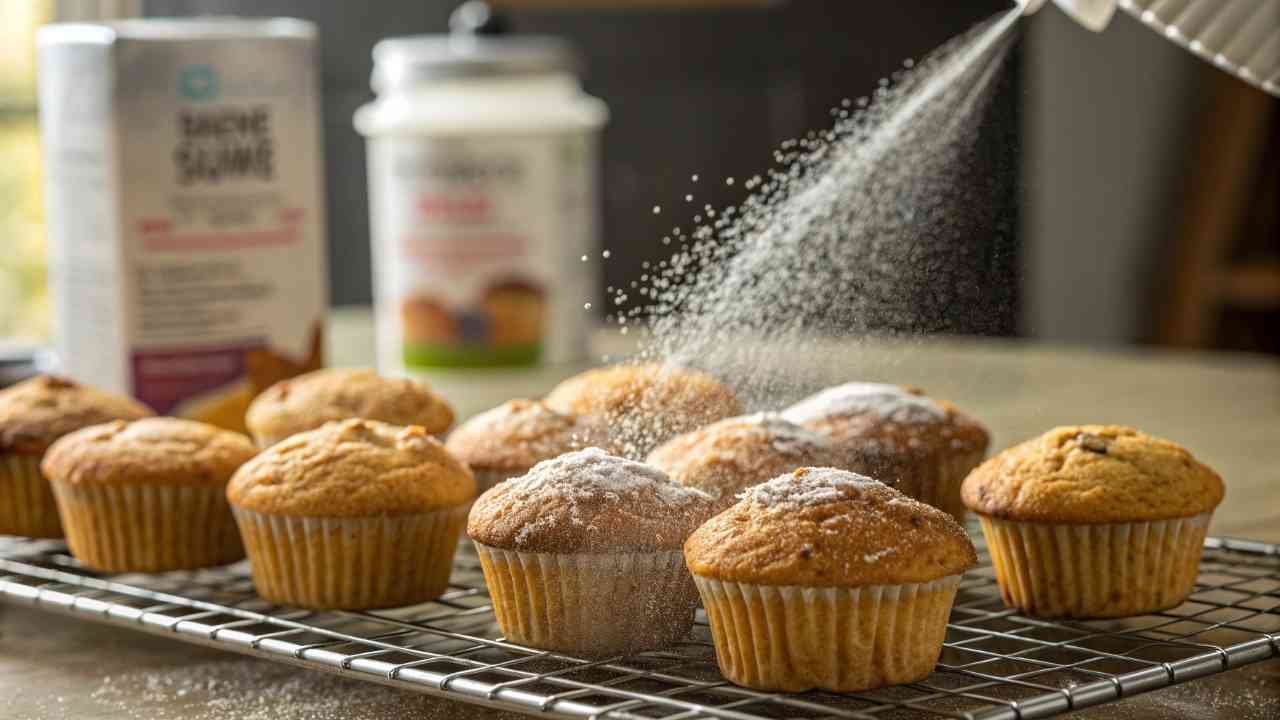
Mold is the number one enemy of packaged baked goods. Potassium Sorbate is a key tool to extend their shelf life. There are two main methods of application. The first is direct addition, where the powder is mixed into the dough or batter. This is common for cakes and muffins. The second, more targeted method, is surface application4. Here, a dilute solution is sprayed onto the product after baking. This is very efficient as it targets the area where mold is most likely to grow first.
Application Methods in Bakery:
| Method | How It Works | Best For | Considerations |
|---|---|---|---|
| Direct Addition | The preservative is mixed into the dough/batter. | Cakes, muffins, chemically-leavened goods. | Can slightly inhibit yeast at very high dosages. |
| Surface Application | A solution is sprayed onto the finished product. | Yeast-leavened breads, tortillas, cakes. | Very efficient, no impact on fermentation. |
Is Potassium Sorbate Suitable for Dairy Products?
Are you getting customer returns because of mold growing on your cheese or yogurt? This spoilage is a common problem, and it directly hurts your brand's reputation for quality.
Yes, Potassium Sorbate is highly suitable and widely used in dairy. It is especially effective in acidic dairy products like yogurt, sour cream, and many types of cheese, where it reliably prevents the growth of the molds and yeasts that commonly cause spoilage.

Potassium Sorbate is a perfect fit for many dairy products. In cultured dairy5 like yogurt and sour cream, it works in harmony with the product's natural acidity to prevent spoilage. It is a key ingredient in the fruit preparations used in yogurts. In cheese, it is used in two ways. It is mixed into processed cheese and spreads for protection, and it is used as a surface dip or spray on natural hard cheeses to prevent mold from growing on the rind during aging.
Common Uses in Dairy:
| Dairy Product | Spoilage Threat | How Potassium Sorbate is Used |
|---|---|---|
| Yogurt / Sour Cream | Molds & Yeasts | Mixed in, especially in fruit preparations. |
| Processed Cheese / Spreads | Molds & Yeasts | Added directly to the product before packaging. |
| Natural Hard Cheese | Molds (on surface) | Used as a surface treatment (dip or spray). |
How Do End-Use Trends Affect Potassium Sorbate Demand?
Are you prepared for how changing consumer habits will affect your ingredient needs? The food industry is always evolving, and these trends directly impact the demand for preservatives.
The rising global demand for convenient, processed foods with a long shelf life creates a strong, stable base demand for Potassium Sorbate. At the same time, the "clean label" trend in some niche markets is creating competing demand for natural alternatives.
Two major, competing trends are shaping the preservatives market. The first is the megatrend of convenience6. Busy consumers worldwide are buying more packaged and processed foods, all of which require a safe, stable shelf life. This creates a massive and growing base demand for effective preservatives like Potassium Sorbate. The second is the "clean label" movement, where some consumers prefer products with "natural" preservatives. While this is an important niche, the global need for safe, affordable food means Potassium Sorbate will remain an essential ingredient.
Competing Market Trends:
| Market Trend | Consumer Demand | Impact on Potassium Sorbate Demand |
|---|---|---|
| Convenience / Long Shelf Life | Safe, affordable, packaged foods. | Creates strong, stable, and growing base demand. |
| "Clean Label" / Natural | Short ingredient lists, no artificial preservatives. | Creates demand for expensive, niche alternatives. |
Conclusion
Potassium Sorbate's versatility and effectiveness in acidic foods make it a vital, widely-used preservative in beverages, dairy, bakery, and many other common global food products.
-
Explore how potassium sorbate enhances the shelf life and safety of your favorite sauces and dressings. ↩
-
Learn about the crucial role potassium sorbate plays in preserving the quality and freshness of jams and fruit products. ↩
-
Learn about the significance of solubility in maintaining clarity and quality in beverages. ↩
-
Exploring surface application methods can enhance your knowledge of effective mold prevention techniques. ↩
-
Exploring this link will provide insights into the advantages of cultured dairy, enhancing your understanding of its health benefits. ↩
-
Explore this link to understand how convenience is driving the food industry and influencing consumer choices. ↩