
Are you tired of dealing with unreliable suppliers? Choosing the wrong partner leads to delays, quality problems, and constant stress, putting your business at risk.
Buyers evaluate suppliers effectively by conducting a four-point check: verifying their industry experience and certifications, analyzing their communication quality, testing their product via a sample, and confirming their reliability through a small trial order. This systematic process builds a foundation of trust.
Choosing a new supplier is not just about price; it’s about finding a long-term partner who will protect your supply chain. I welcome a thorough evaluation from serious buyers because it marks the start of a professional, transparent relationship. A reliable supplier will always have answers to tough questions. Let’s look at the key areas you should focus on.
What Experience Should a Potassium Sorbate Supplier Have?
Is your supplier just a general trader, or are they a true specialist? A supplier who does not understand the specifics of Potassium Sorbate cannot solve your real-world problems.
An experienced supplier should have deep product knowledge, a proven track record of exporting to your specific region, and comprehensive logistics expertise. They act as a problem-solver, not just an order-taker, providing valuable insights to protect your supply chain.

Experience is about having specialized, practical knowledge. A good supplier has deep product knowledge1 and can offer real technical advice. Crucially, they must have regional export expertise2. A supplier who knows the specific customs and logistics for your country will prevent costly delays. This combination of skills, proven by a successful track record, is what separates a true specialist from a general trader.
Generalist Trader vs. Specialist Supplier:
| Aspect | Generalist Trader | Specialist Supplier |
|---|---|---|
| Product Knowledge | Basic. Knows the name and price. | Deep. Understands applications and chemistry. |
| Logistics Expertise | General. Can ship anywhere. | Specific. Expert in the buyer's region. |
| Value Proposition | "We can find you any product." | "We are experts in this product and your market." |
How Important Is Factory Audit for Potassium Sorbate?
You have seen photos on a supplier's website. But what is their factory really like? A nice website can hide a dirty, poorly managed production facility.
A factory audit is absolutely essential. It is the only way to get a true, objective verification of a supplier's production capabilities, quality management systems, and food safety practices. It is the ultimate due diligence step before placing a large order.

An audit replaces marketing claims with hard facts. A professional auditor inspects the factory's Quality Management System (ISO 9001)3, their Food Safety System (ISO 22000)4, and their production capabilities. For overseas buyers, this can be difficult and expensive. At FINETECH, we solve this by conducting rigorous in-person audits ourselves. We do the due diligence for you, ensuring you only work with proven, high-quality factories.
Key Areas of a Factory Audit:
| Audit Area | Key Items to Verify | Why It Matters to the Buyer |
|---|---|---|
| Quality System (ISO 9001) | Records of batch testing, COA procedures, lab equipment. | Ensures batch-to-batch consistency and reliable data. |
| Food Safety (ISO 22000) | Cleanliness, pest control, worker hygiene, traceability. | Guarantees the product is safe for consumption. |
What Documents Help Verify Potassium Sorbate Suppliers?
Your potential supplier has sent you an email with a price. How do you verify that they are a real, legitimate, and professional company before you proceed?
Key verification documents include the supplier's Business License to prove they are a legal entity, and their system certifications like ISO 9001 (Quality) and ISO 22000 (Food Safety). These documents provide objective, third-party proof of the company's legitimacy and professionalism.
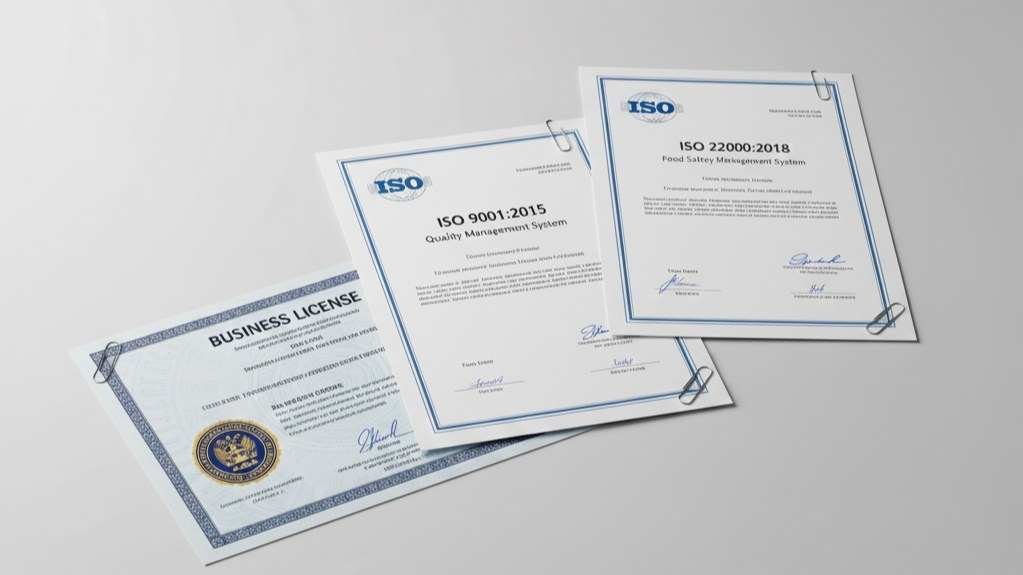
Before discussing the product, you must verify the company. A professional supplier will immediately provide three key documents. The Business License proves they are a legal company. The ISO 9001 certificate shows they have a robust quality management system. For a food ingredient, the ISO 22000 / HACCP certificate is non-negotiable, as it proves they have a certified food safety system. A refusal to provide these is a major red flag.
Supplier Verification Document Checklist:
| Document | What It Proves | Red Flag |
|---|---|---|
| Business License | The company is a legal and legitimate entity. | Refusal to provide, or name does not match email/website. |
| ISO 9001 Certificate | They have a professional quality management system. | No certificate, or the certificate is expired. |
| ISO 22000 / HACCP | They have a certified food safety system. | Missing for a food-grade ingredient supplier. |
How Does Communication Affect Potassium Sorbate Cooperation?
Is your supplier slow to respond? Do their emails create more confusion than clarity? Poor communication is a strong indicator of a poor overall business process.
Communication is a direct reflection of a supplier's professionalism. Clear, fast, and proactive communication builds trust and efficiency. Slow, unclear, or reactive communication creates delays, misunderstandings, and a stressful, unreliable partnership.
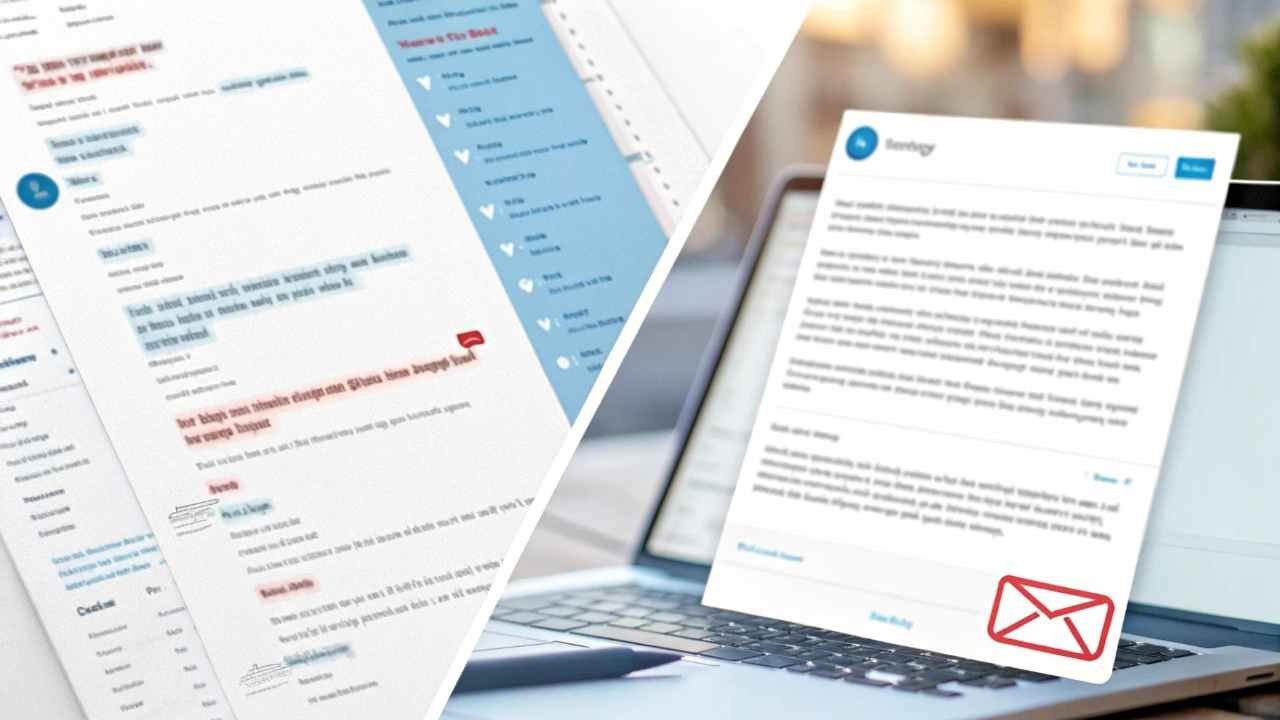
A supplier's communication is a preview of your future partnership. Professional communication is fast (within 24 hours), clear, and proactive—they provide updates before you have to ask. Slow responses, vague answers, or a habit of blaming others for problems are all major red flags. A busy buyer cannot afford to waste time chasing a disorganized supplier for information.
Communication Style Comparison:
| Characteristic | Professional Supplier | Unprofessional Supplier |
|---|---|---|
| Speed | Fast (within 24 hours). | Slow (days to respond). |
| Clarity | Clear, direct answers. | Vague, confusing answers. |
| Attitude | Proactive. Provides updates. | Reactive. Only responds to questions. |
What Signals a Reliable Potassium Sorbate Partner?
You have checked the documents and the factory. How do you evaluate the intangible qualities that separate a good supplier from a truly great, long-term partner?
A reliable partner is transparent, consistent, and acts as a problem-solver. They are honest about their capabilities, they deliver the same high quality every time, and they work with you to find solutions when challenges arise.
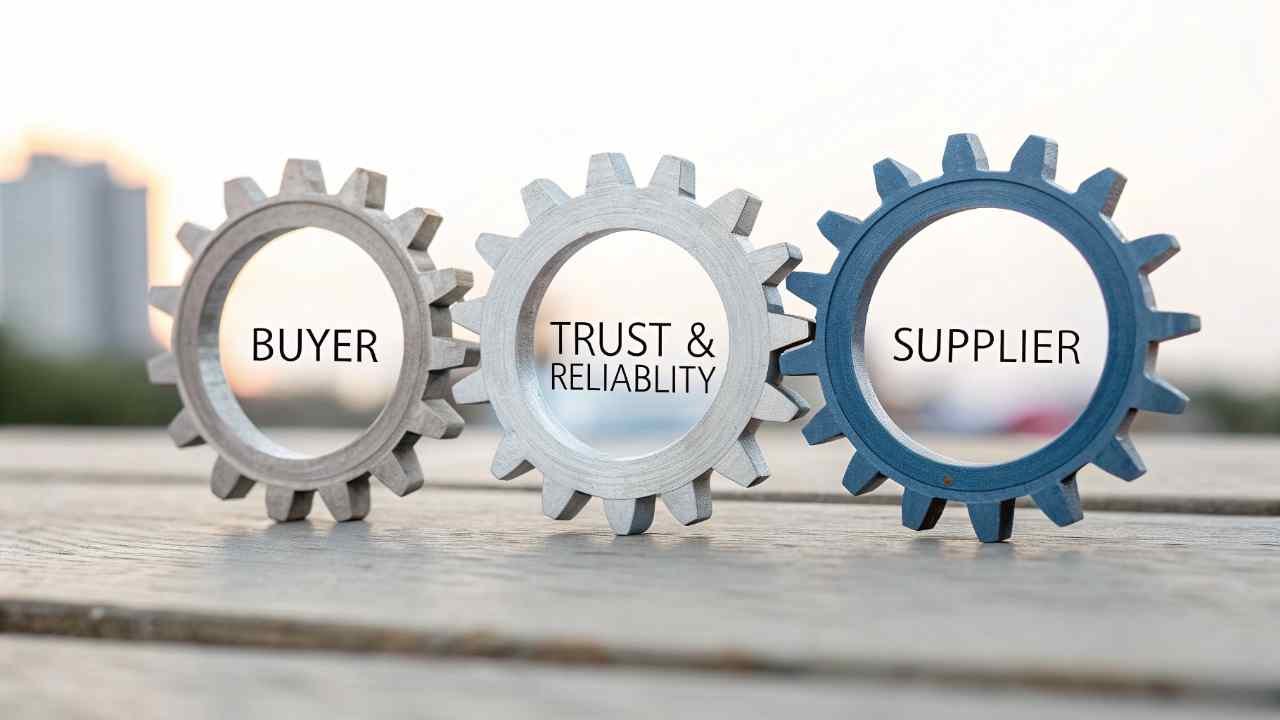
Beyond documents, a true partner shows key signals. They are transparent5, sharing information openly and honestly. They are consistent, delivering the same high quality and service with every order. Most importantly, they are problem-solvers6. When challenges arise, they do not make excuses; they call you and work with you to find a solution. This attitude is the ultimate sign of a supplier who is invested in your long-term success.
Reliability Signals Checklist:
| Green Flag (Reliable Partner) | Red Flag (Unreliable Supplier) |
|---|---|
| Transparent & Honest | Hides information, gives vague answers. |
| Consistent in Quality & Service | Inconsistent product, unpredictable service. |
| Proactive Problem-Solver | Disappears when there is a problem. |
Conclusion
Evaluating a supplier is a systematic process. It requires checking their experience, documents, and communication to find a truly reliable partner for your long-term business success.
-
Understanding product knowledge is essential for effective supply chain management and can enhance your supplier relationships. ↩
-
Exploring regional export expertise can help you navigate customs and logistics, ensuring smoother international transactions. ↩
-
Explore this link to understand how ISO 9001 can enhance your business's quality management and customer satisfaction. ↩
-
Learn about ISO 22000 to ensure your food safety practices meet international standards and protect consumer health. ↩
-
Understanding transparency in business can enhance your partnerships and improve trust with suppliers. ↩
-
Exploring the role of problem-solvers can help you identify key traits for successful collaborations. ↩