

Worried about finding a steady CMC supply? The huge global market can seem chaotic, with quality and reliability varying wildly between thousands of different suppliers.
The global CMC market is generally stable and mature, with large production capacity concentrated in a few key countries. While this provides overall reliability, buyers must navigate quality differences and be aware of risks from raw material costs and environmental regulations to ensure a truly stable supply.
For a professional buyer, a stable supply chain is the foundation of their business. The CMC market is a mature one, which is good news for buyers. However, "stable" does not mean "simple." A professional buyer needs to understand the structure of this market to navigate it effectively and build a resilient supply chain.
Which Countries Are the Main Producers of Carboxymethyl Cellulose (CMC)?
Where does CMC actually come from? Sourcing this key ingredient from the wrong region can mean higher costs, inconsistent quality, and major logistical headaches.
China is the world's largest producer of Carboxymethyl Cellulose (CMC), dominating the market in volume and price competitiveness. Other significant producers include countries in Europe and the Americas, which often focus on highly specialized, higher-priced grades.

The geography of production is simple. China1 is the global engine, offering massive scale and the most competitive prices for standard food-grade CMC. The challenge for buyers is the huge number of producers with varying quality. Europe and the USA2 are specialty hubs, focusing on high-purity, higher-priced grades for niche pharmaceutical or technical applications. For bulk food-grade buyers, China is the most logical sourcing market.
Sourcing Region Comparison:
| Feature | China | Europe / USA |
|---|---|---|
| Market Focus | Standard Food & Industrial Grades | High-Purity Pharmaceutical & Specialty Grades |
| Price Level | Highly Competitive | Premium |
| Best For | Bulk food additive buyers. | Niche, high-tech applications. |
How Does Production Capacity Affect Carboxymethyl Cellulose (CMC) Supply?
You see many suppliers listed online, but can they actually handle your volume? A small supplier cannot guarantee your supply during peak seasons or market tightness.
The massive global production capacity for CMC means there is generally no overall shortage. However, this capacity is spread across many producers with varying quality levels. The key challenge for buyers is finding suppliers with sufficient high-quality, consistent capacity.

The CMC market has a state of overcapacity3, which keeps prices competitive and means the world will not run out of product. The critical point for buyers is that capacity does not equal quality. Many small factories lack the systems to produce a consistent product. True reliability comes from large, modern producers who have invested in technology and robust quality systems (like ISO 9001) to ensure every batch is the same.
Producer Scale Comparison:
| Feature | Small-Scale / Low-Tier Producer | Large-Scale / Top-Tier Producer |
|---|---|---|
| Primary Advantage | Low Price | Consistency & Reliability |
| Quality Control | Manual, inconsistent. | Automated, systematic (ISO 9001). |
| Best for Buyer | Risky spot market buys. | Stable, long-term supply chains. |
Is Carboxymethyl Cellulose (CMC) Supply Reliable for Bulk Buyers?
You need to order multiple containers every month. Can you trust the CMC market to be a reliable source for your high-volume needs?
Yes, the CMC supply is generally very reliable for bulk buyers due to the mature market and large global production base. The key to reliability is not the market itself but selecting a professional, large-scale supplier who can guarantee consistent quality and delivery.
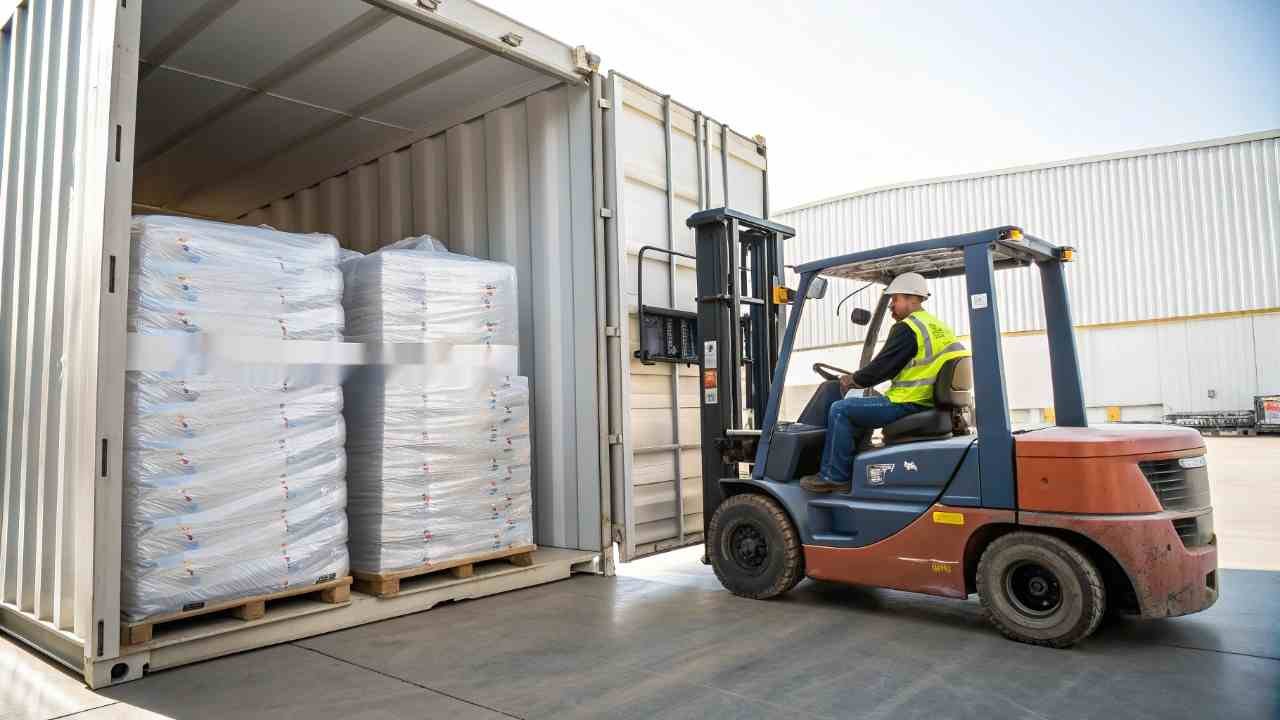
The CMC market is mature and fundamentally reliable. For a bulk buyer, true reliability comes from choosing the right partner and strategy. A reliable partner delivers consistent quality, has the capacity to handle your volume, and provides flawless logistics. The best way for a bulk buyer to secure this is with a long-term contract. A contract guarantees your supply volume and price, and it makes you a priority partner in any market condition.
Spot Buying vs. Contract Buying for Bulk Supply:
| Aspect | Spot Buying (One-off Orders) | Contract Buying (Long-Term Agreement) |
|---|---|---|
| Supply Security | Lower. You compete with everyone. | Highest. Your volume is guaranteed. |
| Price Stability | None. Subject to market volatility. | High. The price is fixed. |
| Supplier Priority | Low | High. You are a key partner. |
How Do Market Changes Impact Carboxymethyl Cellulose (CMC) Availability?
Suddenly, the price of CMC is up 10%. Why did this happen? Market changes can seem random and can disrupt your budget and supply plans if you are not prepared.
The availability and price of CMC are primarily impacted by the cost and supply of its key raw materials, especially refined cotton linters and wood pulp. Rising energy costs and the enforcement of new environmental regulations can also significantly affect supply.

The CMC market is linked to three key external factors. First, raw material costs4: the price of cellulose from cotton linters or wood pulp has a direct impact on the price. Second, energy costs5: the chemical process is energy-intensive, so rising energy prices increase production costs. Third, environmental policy: sudden enforcement of new regulations in a country like China can temporarily reduce supply and cause price spikes.
Key Market Factors and Their Impact:
| Market Factor | Description | Impact on CMC Supply |
|---|---|---|
| Raw Material Costs | Price of cotton linters or wood pulp. | Direct impact on price. |
| Energy Prices | Industrial electricity and natural gas costs in China. | Direct impact on price. |
| Environmental Policy | Sudden enforcement of new regulations. | Can cause sudden supply tightness. |
What Supply Risks Should Carboxymethyl Cellulose (CMC) Buyers Watch?
What could go wrong with your CMC supply chain? Being unaware of the key risks can lead to a sudden and catastrophic disruption to your production schedule.
Buyers should watch for three main risks: quality inconsistency from low-tier suppliers, logistical delays due to port congestion or documentation errors, and price volatility caused by sudden changes in raw material costs or environmental policies.
A professional buyer must manage three main risks. The biggest is quality inconsistency, which is solved by rigorous supplier vetting. The second is logistics delays, which are managed by working with a supplier who is an expert in your specific import region. The third is price volatility, which is mitigated by partnering with a supplier who provides market intelligence and by using long-term contracts to lock in prices.
Key Supply Risks and Mitigation Strategies:
| Risk | Description | Mitigation Strategy |
|---|---|---|
| Quality Inconsistency | Receiving an off-spec product from a low-tier supplier. | Rigorous supplier vetting (audits, samples, certifications). |
| Logistics Delays | Shipment held up at port due to weather, congestion, or errors. | Work with a supplier who has expert logistics for your region. |
| Price Volatility | Sudden price spikes due to raw material or policy changes. | Build a partnership for market intelligence; use contracts. |
Conclusion
The global CMC market is fundamentally stable and reliable. A buyer's success depends on navigating it with knowledge, mitigating key risks, and choosing a professional, long-term partner.
-
Explore this link to understand why China is a leading source for food-grade CMC, including its competitive pricing and production scale. ↩
-
Discover insights on how Europe and the USA focus on high-purity CMC, catering to niche markets and pharmaceutical applications. ↩
-
Understanding overcapacity can help you grasp market dynamics and pricing strategies. ↩
-
Understanding raw material costs is crucial for navigating market fluctuations and making informed business decisions. ↩
-
Exploring the relationship between energy costs and production can help businesses strategize for cost-effective operations. ↩