
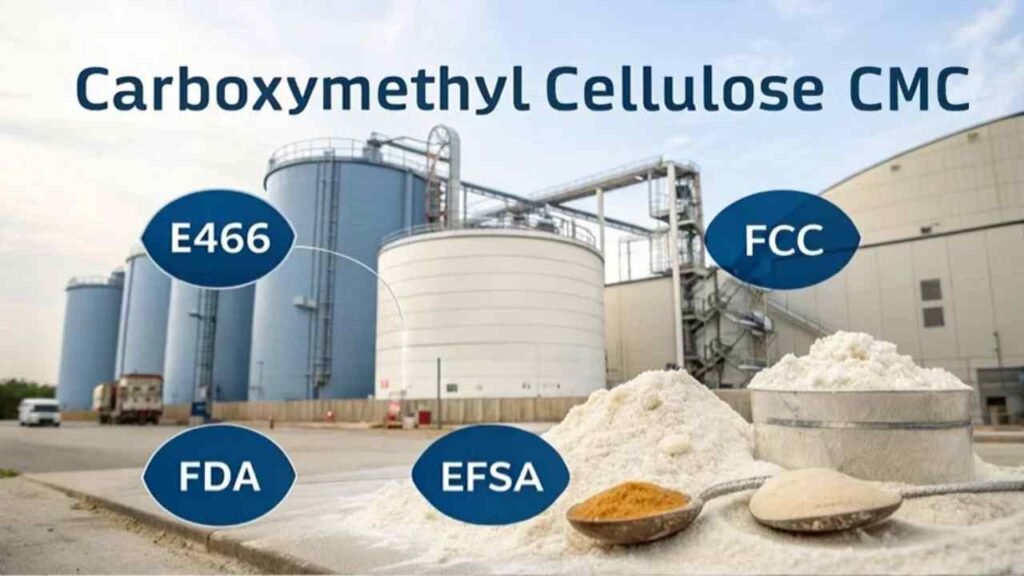
Importing CMC without knowing local laws leads to seized containers and high fines. You lose money and reputation. I will help you understand these rules today.
CMC imports follow standards like E466, FCC, and JECFA. Local authorities like the FDA or EFSA enforce purity, labeling, and documentation rules. Success requires verifying heavy metal limits and getting correct certifications from your Chinese exporter before shipping.
I have seen many shipments get stuck at customs because of one missing signature. It is a big headache that you can avoid. I want to share my experience so you can import food-grade CMC smoothly and safely. Let's look at the specific standards you need to follow.
Which Food Safety Standards Cover Carboxymethyl Cellulose (CMC)?
Using the wrong standard can make your food products illegal to sell. This puts your whole business at risk. Understanding international codes is the first step to a successful import.
Carboxymethyl Cellulose is globally recognized under the food additive code E466. Major standards include the Food Chemicals Codex (FCC), the Joint FAO/WHO Expert Committee on Food Additives (JECFA), and the European Union’s specific purity criteria for stabilizers used in food.
International Food Codes
When I talk to buyers in Europe, they always ask for E4661. This is the specific number for CMC used as a food additive in the EU. If your bag does not say E466, customs might think it is for industrial use. JECFA2 is another name you must know. It is an international group that decides if an additive is safe. Most countries in Southeast Asia follow JECFA rules. If the CMC meets JECFA standards, it is usually safe to import. I always make sure our FINETECH products meet these global benchmarks before we talk about price. It is better to check the code on the bag than to guess.
Purity and Metal Limits
The Food Chemicals Codex3 (FCC) is common in the USA and the Middle East. It sets strict rules for lead or arsenic limits. If your CMC has too much lead, it is a big problem. I remember a buyer who bought cheap CMC from a small trader. The powder failed the lead test at the border. They had to destroy the whole container. That is why I always check the FCC requirements for my clients in Saudi Arabia and the UAE. We only ship if the batch is 100% clean. You must demand a report that shows these levels clearly.
Standard Comparison Table
| Standard Name | Primary Region | Key Focus |
|---|---|---|
| E466 | European Union | Purity and labeling |
| FCC | USA, Middle East | Heavy metal limits |
| JECFA | Global / Asia | General safety data |
| GB1886.232 | China | National safety standard |
How Do Country Regulations Differ for Carboxymethyl Cellulose (CMC)?
What works in China might fail in Germany. Every country has its own extra rules for food additives. Ignoring these differences leads to rejected goods and lost shipping costs.
Country regulations differ in heavy metal limits, GMO labeling, and permitted usage levels. While Europe focuses on E466, countries like Saudi Arabia require Halal certification. Indonesia has specific BPOM registration requirements for all imported food additives.
Middle East Requirements
For my clients in Saudi Arabia and UAE, Halal is a requirement. Even though CMC comes from wood or cotton, the factory must be certified. If you don't have a Halal certificate4 from an approved body, you cannot clear customs. I spend a lot of time making sure our certificates are recognized by local authorities. Some countries also want a "Health Certificate5" from the Chinese government. This proves the product is fit for humans. Without this paper, the ship will sit at the port and you will pay high fees.
Southeast Asia Rules
In Indonesia, you need a BPOM number. This is a registration code for food products. The process is slow and needs factory details. I help my Indonesian distributors by providing the data they need for BPOM. In Vietnam and Malaysia, they focus more on the Certificate of Analysis (COA). They want to see every detail of the test results. I always tell my buyers to check with their customs broker before we ship. This way, we know the exact words for the labels. Each country has a slightly different list of "must-have" details.
Regional Requirement Overview
| Region | Key Authority | Unique Requirement |
|---|---|---|
| European Union | EFSA | E-Number (E466) on label |
| Saudi Arabia | SFDA | Halal and Health Certificate |
| Indonesia | BPOM | Registration number |
| Russia | EAC | TR CU certification |
What Documents Are Required to Import Carboxymethyl Cellulose (CMC)?
One missing paper can hold your container at the port for weeks. Customs fees for storage are very expensive. You need a perfect set of documents to avoid these delays.
Standard import documents for CMC include the Commercial Invoice, Packing List, Bill of Lading, and Certificate of Analysis (COA). You may also need a Certificate of Origin, a Health Certificate, or a Non-GMO Declaration for customs clearance.
The Importance of the COA
The Certificate of Analysis (COA) is the most important paper. It proves the powder matches food-grade rules. I make sure our COAs show viscosity, purity, and heavy metal levels. If the COA is missing info, customs will stop the shipment. I always send a digital copy to my buyers before the ship leaves China. This gives them time to check it. If they need a change, we can do it fast. A good COA should be easy to read and have a clear batch number that matches the bags.
Origin and Health Certificates
If your country has a trade deal with China, you need a Certificate of Origin. In Southeast Asia, this saves you a lot of import tax. I handle these forms carefully to save my clients money. The Health Certificate is also vital. It is a paper from the Chinese government saying the factory is clean and the product is safe. For many wholesalers in Korea or Europe, this is a "must-have" document. I keep a checklist for every country so we never miss a piece of paper. Each document must be signed and stamped correctly.
Document Checklist for Buyers
| Document Name | Why You Need It | Who Provides It |
|---|---|---|
| COA | Proves quality | The Manufacturer |
| Health Certificate | Proves food safety | Chinese Government |
| Certificate of Origin | Reduces taxes | Customs / Chamber of Commerce |
| MSDS | Safety instructions | The Manufacturer |
| Halal Certificate | Religious compliance | Authorized Body |
How Can Exporters Support Carboxymethyl Cellulose (CMC) Compliance?
A bad supplier leaves you alone when customs asks hard questions. You get stuck with the bill. A good partner makes sure every detail is right before the ship sails.
Exporters support compliance by providing accurate COAs and ISO/HACCP certificates. We double-check local requirements for countries like Vietnam or Russia. This includes correct labeling and ensuring all heavy metal tests are current and valid.
Custom Labels and Bags
Every country has different rules for bags. Some need the production date in a specific way. Others need the importer's address. I work with my team to print custom labels6 for every order. If you need the label in Russian or Arabic, we can do that. This makes the customs officer's job easy. When the papers and the bags match perfectly, the container moves through the port fast. I always ask my buyers for a label proof7 to make sure we get it 100% right. Small details on a bag can prevent big delays.
Exporter Support Services
| Service | Benefit to the Buyer |
|---|---|
| Lab Pre-Testing | Guaranteed quality |
| Custom Labeling | Easy customs clearance |
| Document Prep | No extra port fees |
| Factory Audits | Stable quality per batch |
What Happens If Carboxymethyl Cellulose (CMC) Fails Local Regulations?
Rejection at the port is a nightmare. You have to choose between expensive return shipping or destroying the goods. Your name with the local customs office will also be hurt.
If CMC fails regulations, customs may seize the goods, issue fines, or order destruction. The importer might be blacklisted. Testing a small sample before you buy a full container is the best way to prevent this disaster.
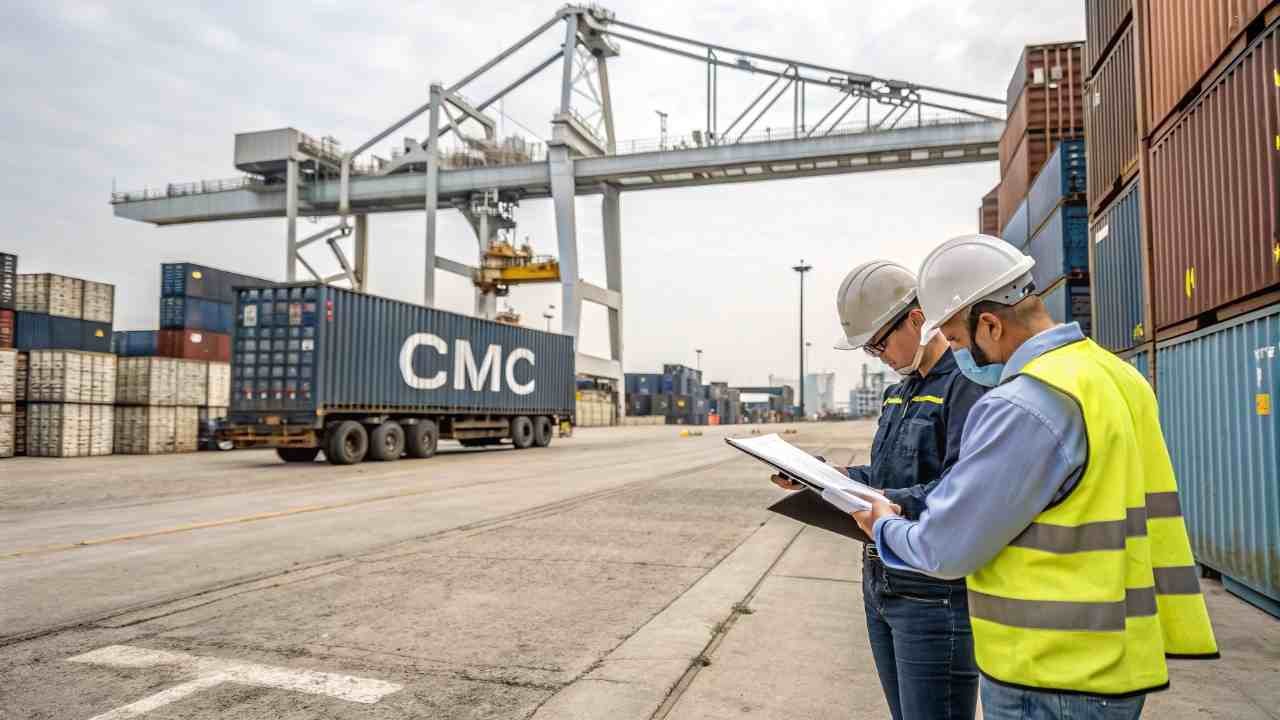
Costs of Port Rejection
A rejection is very expensive. I once heard about a trader who bought CMC from an unknown source. Customs found the purity was too low. They were fined $10,000 and had to burn the product. This ruined their profit for the whole year. You also have to pay "demurrage" fees to the shipping line. These fees can be $100 per day. This is why I always focus on quality over a cheap price. A cheap price is only good if the product actually enters your country. It is not a saving if you lose the whole cargo.
Risk vs. Prevention Table
| Potential Problem | Financial Impact | How to Prevent It |
|---|---|---|
| Metal Failure | Total loss + Fines | Demand FCC-grade COA |
| Missing Halal | Goods stuck in port | Verify cert before shipping |
| Wrong Labeling | Relabeling fees | Send label for approval |
| Low Purity | Product rejection | Test a small sample first |
Conclusion
Importing CMC requires following E466 and FCC standards while having the right documents like COAs and Health Certificates. I ensure every shipment meets your local laws for a smooth delivery.
-
Understanding E466 is crucial for compliance in Europe, ensuring your products are accepted and not mistaken for industrial use. ↩
-
Exploring JECFA's role can help you grasp international safety standards, essential for importing food additives in Southeast Asia. ↩
-
Understanding the FCC is crucial for ensuring compliance with food safety standards, especially in international trade. ↩
-
Understanding Halal certification is crucial for businesses in Saudi Arabia and UAE to ensure compliance and avoid customs issues. ↩
-
A Health Certificate is vital for proving product safety; learn more to prevent costly delays in shipping. ↩
-
Explore this link to learn how to create effective custom labels that comply with international shipping regulations. ↩
-
Understanding the significance of label proof can help you avoid costly delays and ensure smooth customs clearance. ↩