
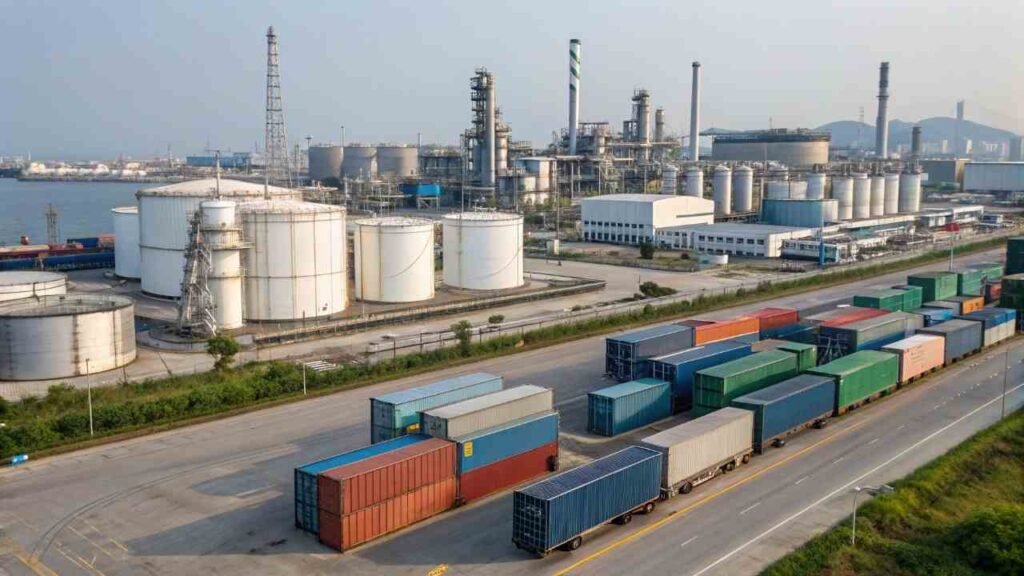
Supply chain breaks stop your factory. This loses you money. I provide a stable path to secure your Vitamin B1 effectively and reliably.
Vitamin B1 (Thiamine) is primarily supplied by large chemical plants in China, which produce over 80% of global output. The supply chain involves manufacturers, exporters, and wholesalers who provide Thiamine Hydrochloride and Thiamine Mononitrate meeting USP and BP standards for food and pharmaceutical industries.
I have seen many buyers struggle with sudden market shifts. I want to show you the details of how this vital vitamin reaches your warehouse and how to manage your orders.
What Are the Main Supply Sources of Vitamin B1 (Thiamine)?
Finding quality Thiamine is hard. Bad products ruin your recipe and fail tests. I help you find the best global production hubs.
The main sources are large chemical factories in China like Brother Enterprises and Huazhong Pharma. They use chemical synthesis to make Thiamine Hydrochloride and Thiamine Mononitrate for the global food and pharma markets.
China as the Global Manufacturing Hub
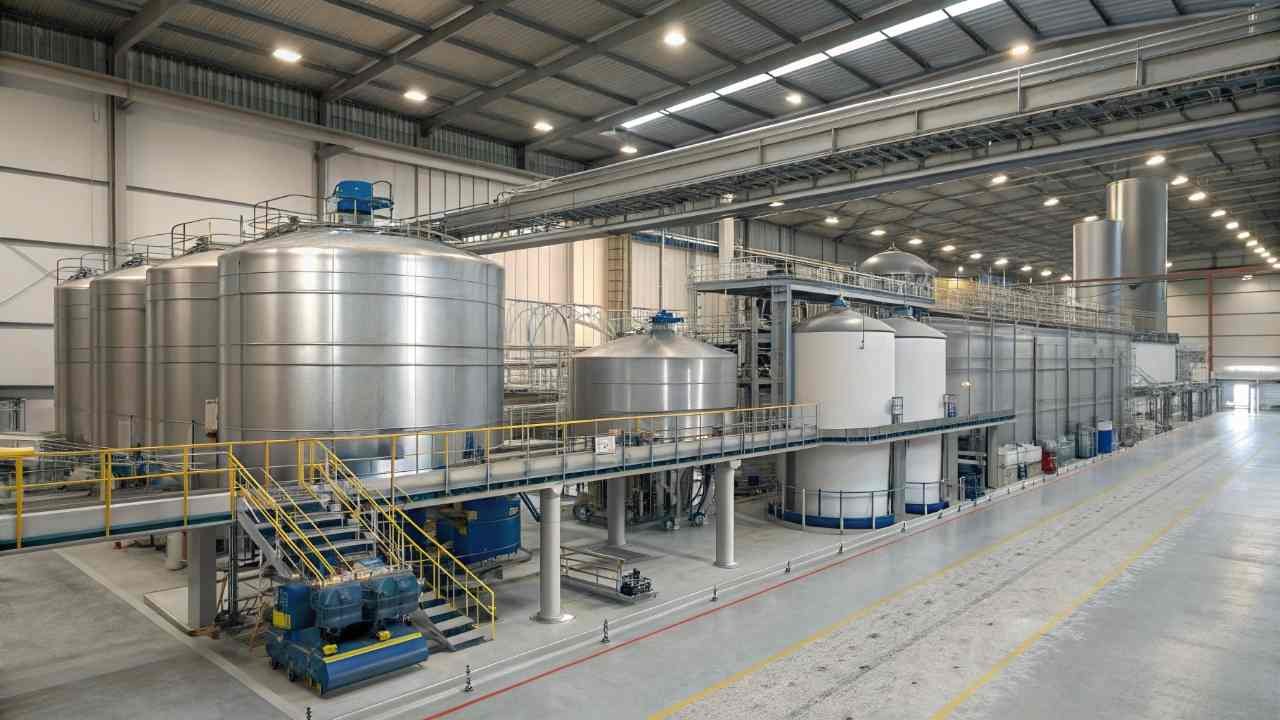
I see that almost all Vitamin B1 comes from a few large factories in China. These manufacturers have the infrastructure for the complex chemical reactions needed. They produce in huge volumes to keep prices competitive. I work directly with these top-tier producers. I visit their sites to check their quality systems. This ensures the Vitamin B1 I supply meets USP or BP standards. Without this oversight, you risk buying material that does not work in your production. I work closely with buyers1 to ensure timely and reliable procurement.
Thiamine Hydrochloride vs. Thiamine Mononitrate
There are two main forms of Vitamin B1. Thiamine Hydrochloride (HCl) is very soluble in water. It is the best choice for liquid products and beverages. But it absorbs moisture easily. Thiamine Mononitrate is less soluble but much more stable. It is the preferred choice for flour enrichment and dry tablets. I help my clients in Southeast Asia and Europe choose the right form. Most food wholesalers buy the Mononitrate form. It has a longer shelf life in humid climates like Indonesia or Vietnam. I coordinate with technical staff2 to ensure the correct form is selected and handled properly.
Quality Control at the Source
Not all factories are the same. Some focus on low prices and skip quality steps. I look for factories with ISO 9001 and GMP certifications. These prove the factory follows strict rules. I also check their lab equipment. A reliable source must test every batch for purity and heavy metals. I review these COAs before any cargo leaves the port. This is how I guarantee quality for my clients in the Middle East and Russia. I prefer working with reputable food companies3 that follow strict quality protocols.
| Product Form | Solubility | Stability | Primary Use |
|---|---|---|---|
| Thiamine HCl | High | Moderate | Beverages, Injections |
| Thiamine Mononitrate | Low | High | Flour, Rice, Tablets |
| Feed Grade | Moderate | Moderate | Animal Nutrition |
| Pharma Grade | High | High | Prescription Medicines |
Which Regions Drive Demand for Vitamin B1 (Thiamine)?
Growing markets need more Thiamine, but supply is limited. This causes local shortages. Knowing demand trends helps you predict future price hikes.
Demand is driven by food fortification in Southeast Asia and pharmaceutical needs in Europe and North America. The global animal feed industry also uses large volumes to ensure livestock health and growth.

Food Fortification in Emerging Markets
I see a huge demand for Vitamin B1 in Indonesia, Vietnam, and Malaysia. These governments require flour and rice to be enriched with vitamins. This is a massive market for B2B wholesalers. They need hundreds of tons every year for local mills. This demand is stable but grows as the population increases. I help these buyers plan their shipments. When demand in Southeast Asia spikes, it affects the global price. I monitor these trends to advise my clients on when to buy. Compliance with food safety4 regulations is always my priority.
Pharmaceutical and Supplement Trends
In Europe and North America, the demand is different. Buyers focus on dietary supplements and energy drinks. Consumers in Germany and the USA want energy-boosting products. Vitamin B1 is a key ingredient for metabolism. This sector needs high purity and REACH documentation for the EU. I ensure the Vitamin B1 I provide meets these technical needs. The supplement market is growing fast. This puts pressure on the supply of premium pharma-grade material.
The Animal Feed Industry Role
The animal feed industry uses a large portion of global Vitamin B1. Pigs and poultry need Thiamine for growth. If the meat industry in China or the US grows, Thiamine demand goes up. This can lead to tighter supply for food-grade buyers. I track the global feed market to see how it impacts food-grade availability. This dual-use nature of Vitamin B1 makes the supply chain complex. I help my clients secure their stock early to avoid these conflicts. My approach follows a trade‑oriented5 strategy to manage supply chain risks effectively.
| Region | Primary Driver | Growth Rate | Key Requirement |
|---|---|---|---|
| Southeast Asia | Flour/Rice Fortification | High | Mononitrate, HALAL |
| Europe | Pharma/Supplements | Moderate | USP/EP, REACH |
| Middle East | General Food/Beverage | Moderate | Competitive Price |
| North America | Health Supplements | High | Top Quality, USP |
How Stable Is Vitamin B1 (Thiamine) Global Supply?
Supply shocks hurt your stock levels. You cannot plan a budget without stability. I analyze the market to keep your supply chain safe.
Vitamin B1 supply is generally stable but depends on China's capacity. Stability is sensitive to environmental inspections and raw material costs. These factors can cause temporary supply tightening or price changes globally.

Concentration Risk in Production
I remind my clients that Vitamin B1 production is very concentrated. Because China makes most of the supply, local issues become global issues. If a major factory has a failure, the supply drops immediately. This happened before and caused prices to double. I manage this risk by working with several factories in different provinces. If one has a problem, I move the order to another. This is essential for my clients who cannot stop production.
Impact of Environmental Inspections
The Chinese government is very serious about the environment. Vitamin B1 production is a chemical process that creates waste. Sometimes, the government stops factories for inspections. These policies often happen in the winter. When factories stop, the global supply tightens. I stay in contact with factory managers to know when these inspections come. I tell my regular buyers to stock up before these periods. This helps them avoid high prices and shortages.
Inventory Cycles and Market Behavior
Stability also depends on market stock. When prices are low, many distributors stop buying. Then, when stock runs low, everyone tries to buy at once. This creates a "boom and bust" cycle. I help my clients avoid this with a steady purchasing plan. It is better to buy small amounts regularly. This keeps your warehouse full and your costs averaged. I oversee order timing to ensure you are not caught in a market rush.
| Stability Factor | Current Status | Risk Level | Mitigation Strategy |
|---|---|---|---|
| Factory Capacity | High | Low | Diversify suppliers |
| Environmental Rules | Strict | Moderate | Pre-order early |
| Raw Materials | Fluctuating | Moderate | Monitor chemicals |
| Logistics | Improving | Low | Reliable shipping lines |
What Factors Disrupt Vitamin B1 (Thiamine) Availability?
Disruptions leave you with empty shelves. These delays are very costly. Knowing these factors allows you to prepare for the worst scenarios.
Availability is disrupted by environmental shutdowns in China and high energy costs. Logistics bottlenecks and changes in trade tariffs also impact the global flow of Thiamine to international buyers.
Raw Material and Intermediate Shortages
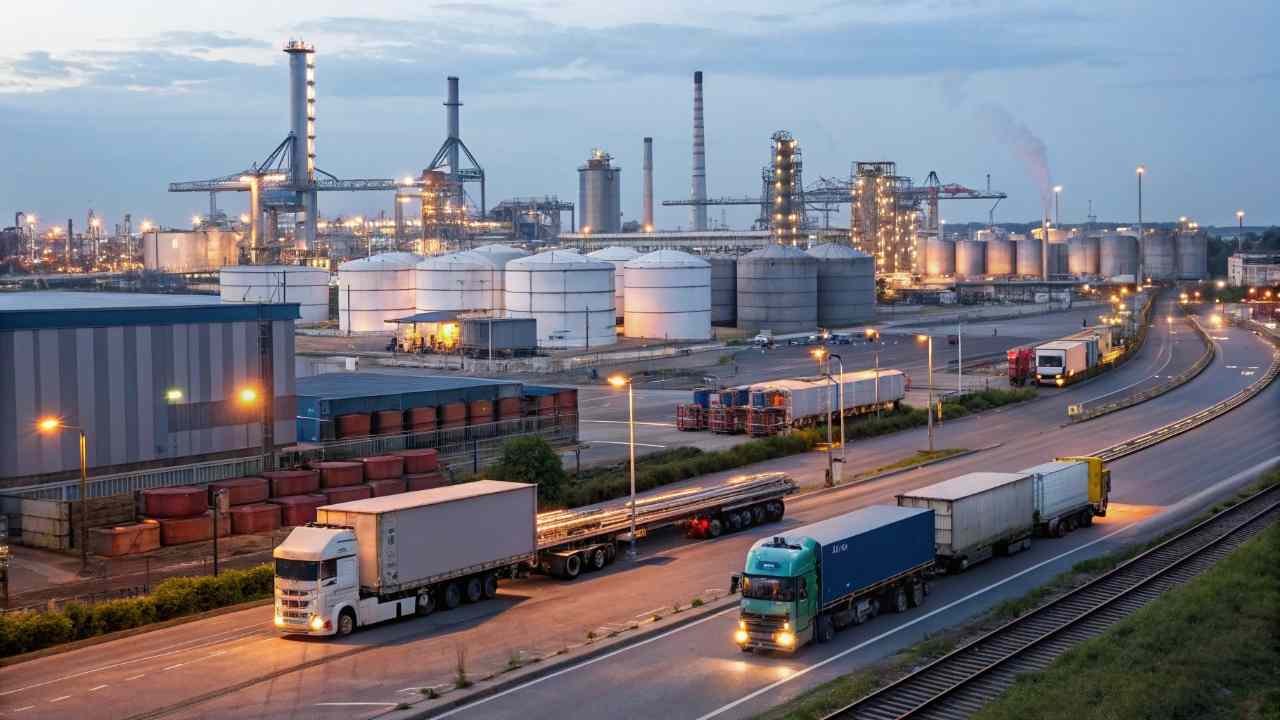
Vitamin B1 needs several chemical intermediates. If the factories making these have a problem, the Thiamine factory stops too. For example, the price of acrylonitrile affects the whole chain. I monitor the upstream chemical market for signs of trouble. If a raw material is getting expensive, I warn my clients. This market knowledge is why buyers in Korea and Germany trust my service. I look at the whole chain, not just the final product.
Energy Costs and Power Limits
Chemical synthesis needs a lot of electricity. Some industrial zones in China face power limits. This happens when energy prices are high or when the government meets energy-saving goals. When power is limited, factories run at 50% capacity. This leads to a shortage. I stay updated on energy policies in the factory provinces. This helps me give accurate lead times. If I know a power limit is starting, I prioritize my existing orders at the factory.
Logistics and Trade Barriers
Logistics is a major disruption factor. Container shortages or port strikes delay shipments for weeks. Also, changes in trade laws cause problems. If a country adds a new tariff on Chinese vitamins, the total cost goes up. I handle all logistics and documents for my clients. I use my experience to find the fastest shipping routes. I also ensure all documents are perfect so there are no delays at customs in the Middle East or Southeast Asia.
| Disruption Factor | Frequency | Impact | Warning Signs |
|---|---|---|---|
| Raw Material Spike | Occasional | Moderate | Oil price changes |
| Power Limits | Seasonal | High | Local gov notices |
| Logistics Delay | Frequent | Moderate | Port congestion |
| Trade Policy Change | Rare | High | Tariff news |
How Can Buyers Secure Long-Term Vitamin B1 (Thiamine) Supply?
Spot buying is a gamble. You need a strategy to ensure production never stops. I help you build security for your procurement.
Buyers secure long-term supply by using 12-month contracts and keeping safety stocks. Building relationships with reliable exporters like FINETECH ensures priority during shortages. Monitoring market trends in China is also vital.
Strategic Contracts and Price Locking
I suggest that large company buyers move away from spot buying. If you buy only when you are empty, you have no power to negotiate. It is better to sign a 6-month or 12-month contract. This locks in your price. It ensures the factory reserves a production slot for you. Even if the market price goes up, your cost stays the same. I manage these contracts for my clients in Europe and the Middle East. I make sure the factory fulfills their commitment.
Maintaining a Safety Stock
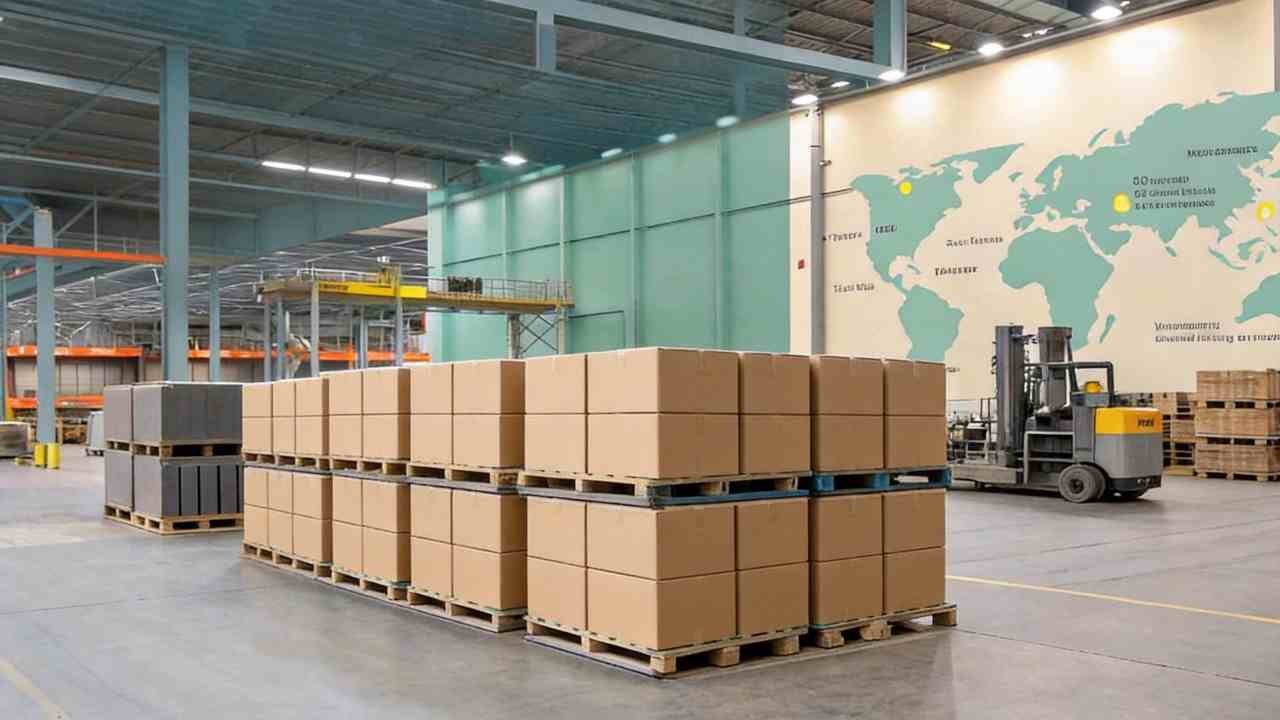
You should never live "hand to mouth" with Vitamin B1. I recommend keeping 2 or 3 months of buffer stock. This gives you time to react to shipping delays or factory shutdowns. I help my clients calculate reorder points based on their monthly usage. By keeping a safety stock, you can wait for a price dip instead of buying at a peak. I oversee the logistics to ensure your warehouse is always topped up. This is much safer than "just-in-time" methods.
Building Reliable Partnerships
The most important factor is your relationship with your exporter. At FINETECH, I treat my clients as partners. When the market is in a shortage, I prioritize my regular buyers. I use my influence with factories to get their orders out first. I also provide honest market data for smart decisions. I am an overseer of your production, not just a supplier. This ensures your supply chain stays strong no matter what happens in the global market.
| Strategy | Implementation | Timeframe | Goal |
|---|---|---|---|
| Annual Contract | Fixed-price deal | 12 Months | Price stability |
| Safety Stock | 2-3 months inventory | Ongoing | No stops |
| Supplier Audit | Check certificates | Every 2 years | Quality proof |
| Market Monitoring | Weekly updates | Weekly | Better timing |
Conclusion
A stable Vitamin B1 supply needs planning and a reliable partner. I ensure your orders meet quality standards and arrive on time to keep your business growing.
-
Mercell – Complete guide to the procurement process and how suppliers can succeed at every stage. ↩
-
U.S. Bureau of Labor Statistics – Overview of technical staff roles in industrial and chemical operations. ↩
-
FoodDive – Industry resource covering operations and developments among food companies. ↩
-
FoodSafety.com – Article on ensuring supplier compliance with FSMA as part of food safety management. ↩
-
U.S. Department of Commerce – Overview of trade‑oriented strategies for exporters and wholesalers. ↩