
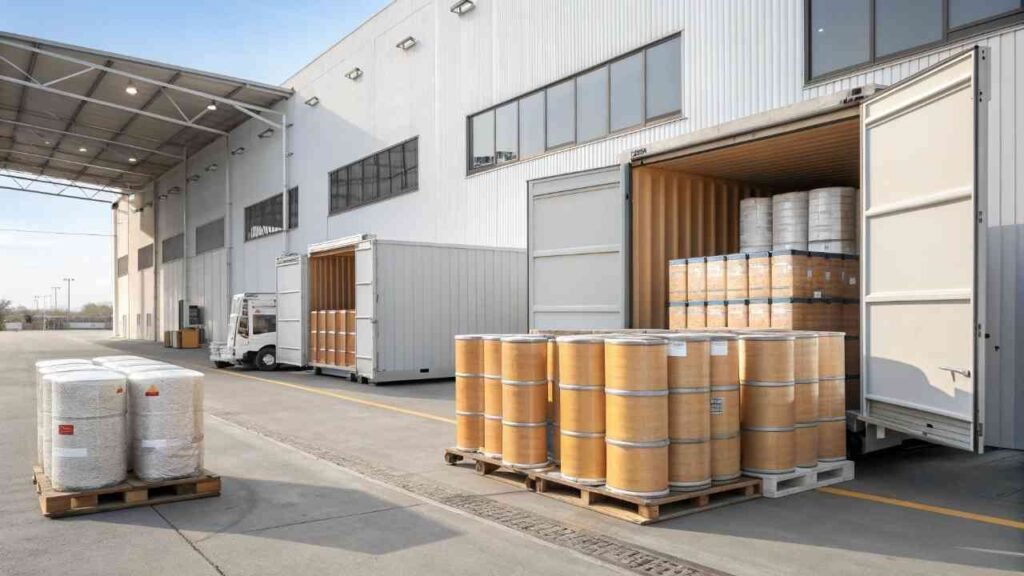
Damaged packaging causes moisture ingress and ruins Thiamine quality. This leads to production losses and financial waste. Proper export packaging prevents these risks and protects your investment effectively.
Vitamin B1 is usually packed in 25kg fiber drums or corrugated cartons with double PE liners. These units are palletized and shrink-wrapped for bulk trade. This multi-layer system blocks light and moisture, ensuring chemical stability during international sea shipping to global markets.
I manage the entire export process for my clients at FINETECH. I want to show you the technical details of our packaging and how it ensures your cargo arrives in perfect condition.
What Packaging Types Are Used for Vitamin B1 (Thiamine)?
Using weak packaging leads to punctures and contamination during handling. This waste hurts your profit margins and production quality. Selecting the right packaging type is vital for safe international delivery.
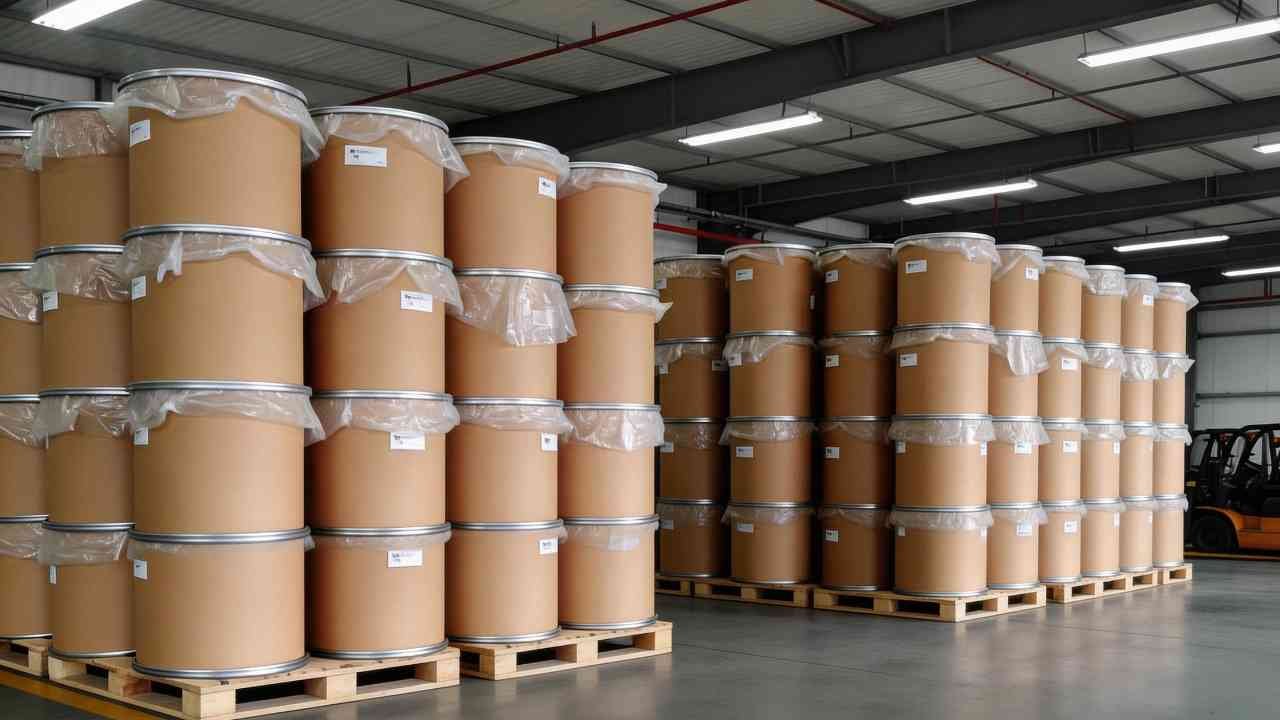
The most common packaging types are 25kg fiber drums and 25kg corrugated cartons. Both options use double-layer polyethylene (PE) or aluminum foil liners. Drums offer physical protection for pharma grades, while cartons are popular for bulk food-grade Thiamine orders.
Evaluating Drums and Cartons
I see that many pharmaceutical company buyers1 prefer the 25kg fiber drum. This drum is made of high-density paper and has a hard shell that resists crushing. This is important when containers are handled multiple times at ports in the Middle East or Europe. Inside the drum, we always use a double PE liner. The lid is secured with a metal locking ring. This prevents the lid from coming off if the drum falls. Fiber drums are the standard for high-purity Vitamin B1 because they provide a strong physical shield against the rough environment of sea freight.
For food-grade Vitamin B1, I often use 25kg corrugated cartons. These boxes are made of five layers of heavy cardboard. Cartons are square, so they fit perfectly on a pallet. This removes wasted space in a container. For wholesalers2 in Southeast Asia, this space efficiency helps lower the shipping cost per kilogram. Cartons are also easier to recycle than drums. I ensure our cartons are strong enough to support heavy weights. This prevents the bottom boxes from collapsing during storage in your warehouse. The internal liner is also key. I use double-layer PE liners as a standard to block moisture. For some high-end projects, I use aluminum foil liners. These provide a 100% barrier against oxygen and light.
| Type | Weight | Material | Best Use Case |
|---|---|---|---|
| Fiber Drum | 25kg | Hard paper + Metal ring | Pharma grade / Long transit |
| Corrugated Carton | 25kg | 5-layer Cardboard | Food grade / Bulk wholesale |
| Aluminum Liner | Internal | Foil laminate | High sensitivity / Premium |
| PE Liner | Internal | Polyethylene | Standard food additives |
How Does Packaging Protect Vitamin B1 (Thiamine)?
Light and moisture degrade Vitamin B1 quickly. This turns the powder yellow and reduces its potency. These quality drops ruin your final food products. Advanced packaging acts as a shield against these threats.
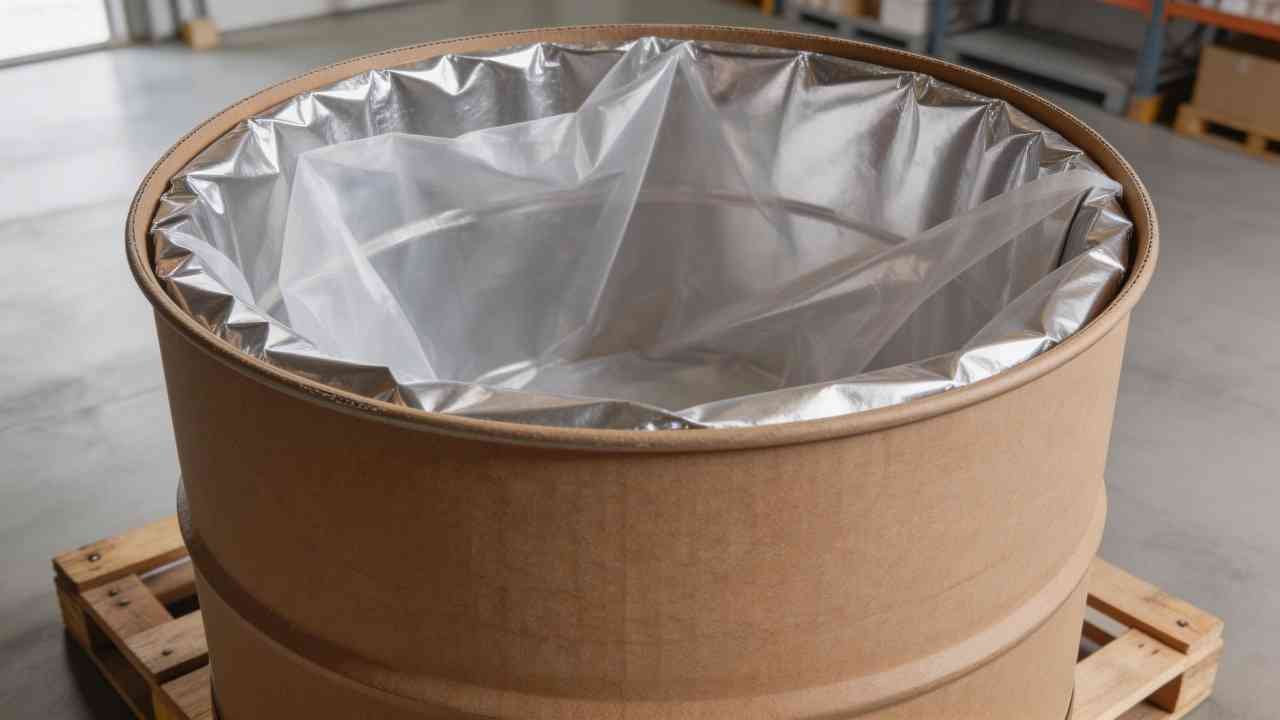
Packaging protects Vitamin B1 by providing an airtight and opaque barrier. Double PE liners block moisture, while fiber drums or cartons block UV light. Aluminum foil liners offer the highest protection against oxygen, preventing oxidation and maintaining the 98% purity assay required for use.
Blocking Moisture and Light
I manage many shipments to humid regions like Indonesia and Vietnam. In these markets, moisture is the biggest enemy. Vitamin B1 is hygroscopic. This means it absorbs water from the air. If the packaging has a weak seal, the powder will clump. This clumping makes it hard to use in automated mixing machines. I oversee the heat-sealing process for our liners. A proper heat seal creates an airtight environment. This keeps the Vitamin B1 powder free-flowing and dry. This technical detail ensures your production line3 runs smoothly without any clumping issues.
Vitamin B1 is also sensitive to light. Exposure to UV rays can break down the chemical structure. You will see this when the white crystals turn yellow or brown. I ensure all our export packaging is 100% opaque. The drums and cartons block all light from reaching the liners. I also suggest buyers store the material in a cool place. While the packaging provides a barrier, extreme heat can still affect the product. I coordinate with shipping lines to place containers away from the ship's engine room. This reduces heat stress during the voyage to the Middle East or Europe. Oxidation is another risk that reduces active content. I use high-quality liners with low oxygen permeability to preserve the chemical integrity. This ensures the product is strong even after long storage.
| Risk | Packaging Solution | Direct Benefit |
|---|---|---|
| High Humidity | Heat-sealed PE liners | No clumping or caking |
| UV Light | Opaque outer containers | No yellowing or breakdown |
| Oxygen | Aluminum foil or double PE | Stable purity and assay |
| Physical Impact | Hard fiber drum shell | Liners stay intact |
What Export Standards Apply to Vitamin B1 (Thiamine)?
Non-compliant packaging causes rejections at customs and port delays. These regulatory hurdles stop your business growth. Following international export standards ensures your cargo moves smoothly across borders without expensive fines or storage fees.
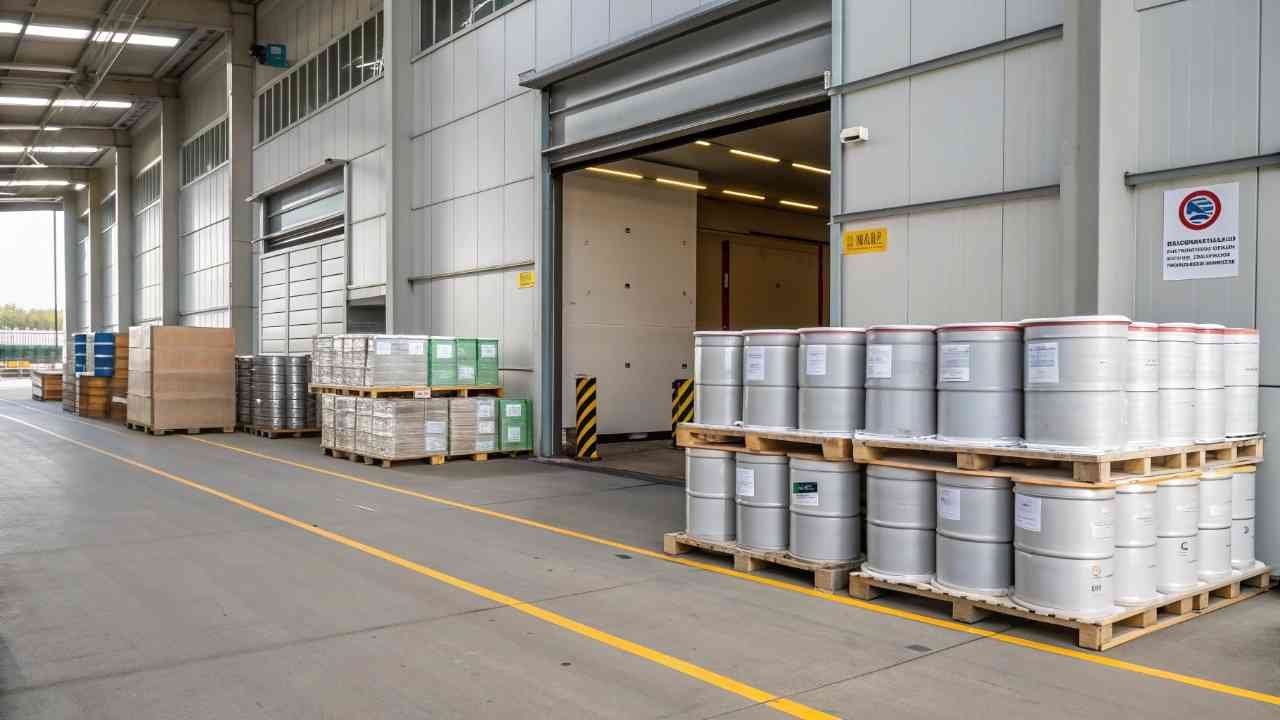
Export packaging must meet international food safety laws and UN standards. Labels must show the batch number, production date, and "Food Additive" marking. PE liners must be food-grade and certified for contact. ISPM 15 pallets are required to prevent pest transfer between different countries.
Labeling and Safety Standards
I see many shipments held at customs because of labeling errors. Every country has different rules. For example, Saudi Arabia and the UAE have strict rules for Arabic labeling. I customize our labels to meet these local laws. A standard export label must include the product name clearly. It must also show the batch number. This number is the key to traceability4. If you have a quality question, I can use that number to find the production records. I also ensure the label states "Food Grade5" to avoid confusion with industrial chemicals. Proper labels ensure the goods pass through customs quickly.
The packaging materials themselves must be safe. I verify that our PE liners are made from virgin materials. They must have food-grade certificates to prove they do not leak chemicals into the vitamin. Also, for clients in Southeast Asia, we provide HALAL and KOSHER certifications. This ensures the packaging room is clean and free from contaminants. I visit our partner factories to check these hygiene standards personally. Export trade6 also involves pallets. Most countries require pallets to follow the ISPM 15 standard. This means the wood must be heat-treated to kill pests. If pallets do not have the IPPC stamp, customs might destroy the shipment. I manage this detail for every order. We use heat-treated wooden pallets or plastic pallets for exports to Russia and Germany.
| Requirement | Standard | Purpose |
|---|---|---|
| Purity Marker | USP / BP / FCC | Verifies chemical quality |
| Labeling | Local Health Laws | Ensures safe handling and entry |
| Pallets | ISPM 15 | Prevents pest transfer |
| Liners | Food Grade Cert | Prevents chemical migration |
| Religious | HALAL / KOSHER | Meets cultural market needs |
How Are Bulk Vitamin B1 (Thiamine) Orders Packed?
Shifting cargo inside a container results in crushed boxes and punctured liners. This damage creates high labor costs and wastes your product. Professional bulk packing prevents movement and ensures safe arrival at your warehouse.
Bulk Vitamin B1 orders are palletized into 500kg or 900kg loads. We use strong pallets, heavy-duty stretch wrap, and corner protectors. This unitized loading allows for efficient forklift handling and prevents cargo from shifting during sea or rail transport to your destination.
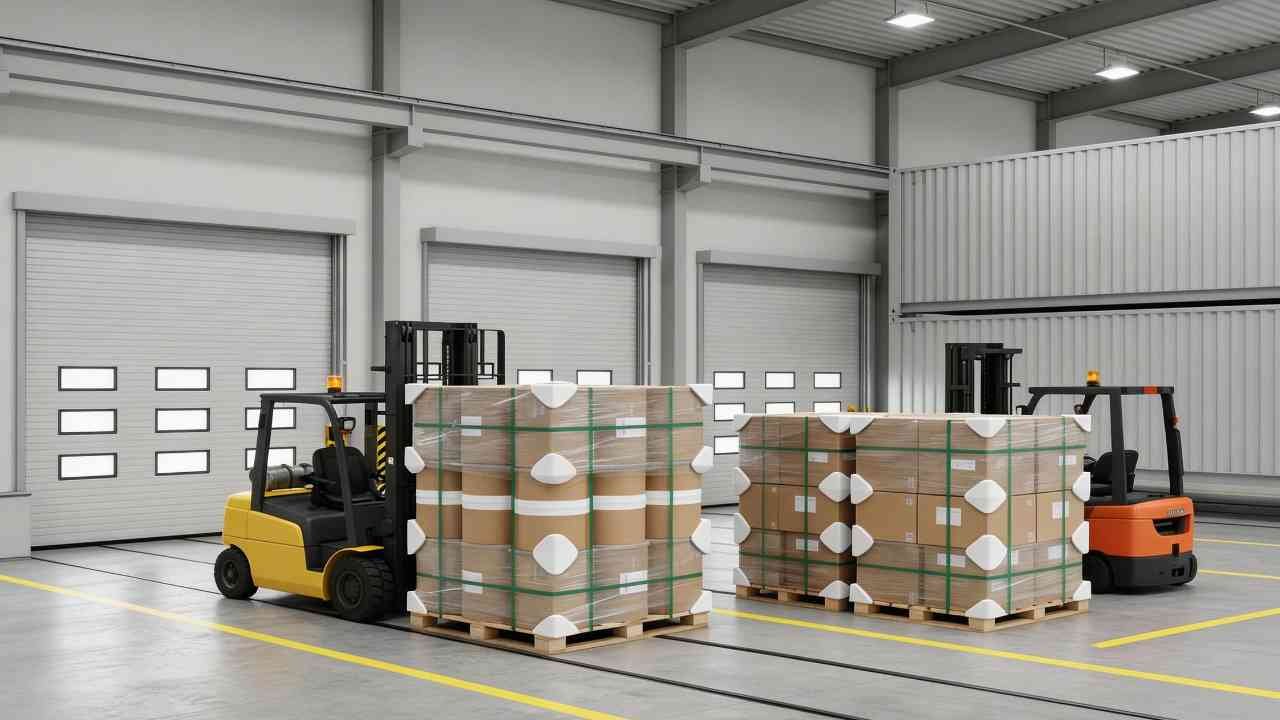
The Palletization Process
I recommend palletization for all our wholesale orders. For 25kg cartons, we usually put 20 to 36 boxes on one pallet. This creates a load of 500kg or 900kg. For fiber drums, we usually put 18 or 27 drums on a pallet. I oversee the stacking to make sure the weight is even. Then, we use a machine to wrap the pallet multiple times. This wrap acts like a skin that holds everything together. We also add corner protectors. These are hard cardboard strips that stop the boxes from being crushed by the wrapping tension. This professional setup ensures your shipment looks clean and organized when it arrives.
A 20ft container can hold about 10 to 12 tons of Vitamin B1 on pallets. If we stack the pallets, we can reach 20 tons. I manage the container inspection before loading. The container must be dry and smell fresh. I also use airbags or wood bracing to fill any empty spaces between the pallets. This stops the cargo from sliding when the ship moves on the waves. I take photos of the loading process and send them to my buyers. This gives you proof of the cargo's condition. I also help buyers who order small amounts, called LCL (Less than Container Load). For LCL, I use extra-thick stretch wrap and labels on all sides. My goal is to reduce your labor costs by providing easy-to-unload pallets.
| Bulk Factor | Standard Specification | Buyer Benefit |
|---|---|---|
| Pallet Weight | 500kg - 1,000kg | Easy mechanical handling |
| Wrapping | 5+ layers of film | Moisture and dust protection |
| Bracing | Airbags or Wood blocks | Prevents transit damage |
| Loading | 10 - 20 Pallets per FCL | Maximizes shipping budget |
How Does Packaging Affect Vitamin B1 (Thiamine) Shelf Life?
Poor seals allow air and moisture to enter, reducing the 3-year shelf life to just months. This inventory loss forces you to buy more often at higher prices. High-quality packaging preserves the potency of the vitamin until use.
High-quality packaging maintains the 24 to 36-month shelf life of Vitamin B1 by providing a stable internal environment. Airtight seals prevent oxidation and clumping. This ensures the thiamine remains 100% active, allowing wholesalers to manage inventory without the risk of product degradation.
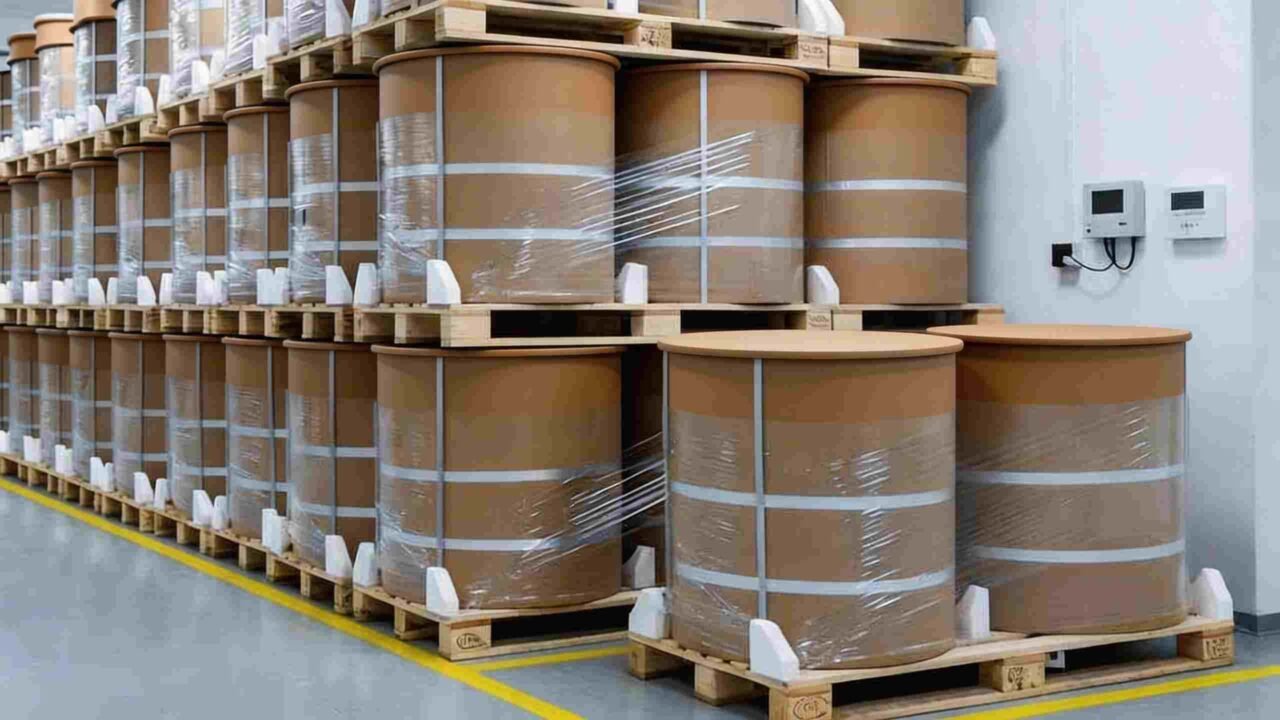
Maintaining Potency and Stability
I see that Vitamin B1 is a very stable product if it is kept dry and dark. Thiamine Mononitrate is the most stable form. In its original sealed packaging, it can stay active for three years. However, if the inner liner is punctured, the countdown starts. Oxygen will slowly react with the molecules. This reduces the assay percentage on your lab test. I provide my clients with stability reports that show how our packaging protects the product. By using high-quality liners and drums, we ensure that your 99% pure thiamine stays that way for a long time. This gives you more flexibility with your stock levels.
Physical stability is also important for your production. If the Vitamin B1 absorbs moisture, it will lose purity and change its shape. It can become hard like a rock. This is called "caking." I manage the packaging process to ensure the moisture level is low during packing. The double PE liners then lock this low moisture level inside. This preserves the crystalline structure. For my clients in Korea and Malaysia, this is essential. They need to know the powder will flow easily into their mixers. Good packaging saves you from wasting time breaking up clumps. I always suggest that buyers keep the original packaging sealed. Once you open a drum, try to use it quickly. Reseal the inner liner tightly to save the shelf life. I also recommend a FIFO system to use older batches first.
| Form | Typical Shelf Life | Packaging Impact |
|---|---|---|
| Thiamine Mononitrate | 36 Months | High (Moisture barrier) |
| Thiamine HCl | 24 - 36 Months | Extremely high (Light barrier) |
| Feed Grade B1 | 24 Months | High (Dust protection) |
| Pharma Grade B1 | 36 Months | Critical (Purity barrier) |
Conclusion
Export packaging for Vitamin B1 requires drums or cartons with high-quality liners and professional palletization. I manage these technical details to ensure your orders arrive safely and stay fresh.
-
CIPS – A global professional body for procurement and supply chain, providing resources for company buyers on organizational management. ↩
-
Investopedia – A financial educational resource explaining the role of wholesalers in the distribution chain and global trade. ↩
-
Food Processing – An industry hub for food and beverage manufacturers to optimize their production line and processing technology. ↩
-
GS1 – A global standards organization providing the framework for traceability and food safety in the international supply chain. ↩
-
U.S. FDA – Official regulatory guidelines on food additives and petitions required to maintain Food Grade safety standards. ↩
-
World Trade Organization (WTO) – An international organization providing the fundamental rules and guidance for global export trade. ↩