
Rigid payment rules tie up your capital and stop your expansion. This financial stress prevents you from buying enough stock. Flexible terms unlock your cash and help your business grow.
Flexible payment terms like T/T deposits, Letters of Credit (L/C), and credit accounts allow Vitamin B1 buyers to manage cash flow. These options reduce upfront costs and let distributors match their payments with their own sales cycles. This financial flexibility is essential for scaling in the global market.
I have managed many wholesale orders for food additives. I want to show you how different payment methods protect your liquidity and grow your Vitamin B1 business.
What Payment Options Are Common for Vitamin B1 (Thiamine)?
Choosing the wrong payment method leads to high bank fees or loss of security. These mistakes drain your budget and create unnecessary risks. Knowing common options helps you choose safely.
Most Thiamine trades use T/T (Telegraphic Transfer) with a 30% deposit and 70% against the Bill of Lading. Large buyers often use Letters of Credit (L/C) for security. Established partners may use D/P or CAD depending on their credit history and local import laws.
Understanding Standard and Secure Trade Methods
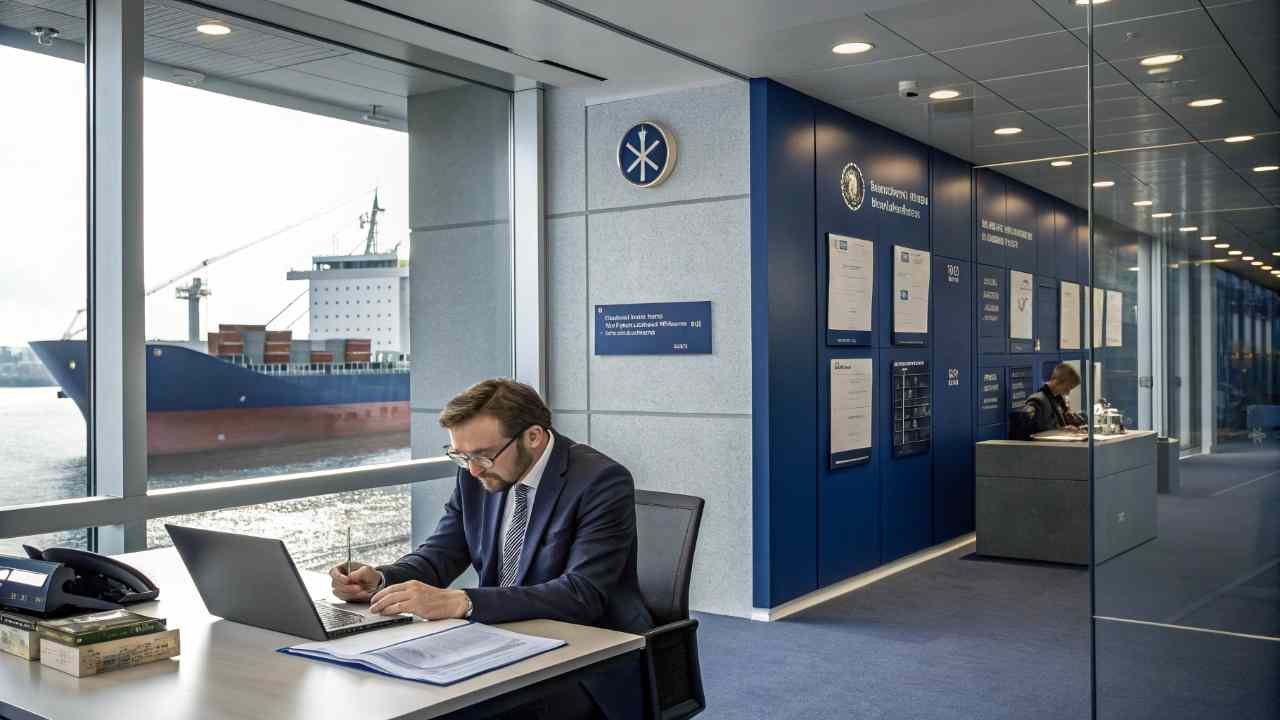
In my work with wholesalers in Southeast Asia and the Middle East, the 30/70 T/T is the most popular. You pay 30% to start production in the factory. The remaining 70% is paid after I send a copy of the Bill of Lading1. This document proves the Vitamin B1 is on the ship. This method is fast and has the lowest bank fees. It is good for small to medium orders because it keeps the process simple. I ensure all lab reports and photos are sent to you before you pay the balance. This builds trust and ensures you are happy with the quality.
For very large orders, I see many companies use a Letter of Credit (L/C)2. This is a bank guarantee. Your bank only pays the factory when the paperwork is perfect. It is the safest way for a new buyer to work with a supplier in China. It removes the risk of non-delivery. But bank fees for L/C are higher and the paperwork is complex. I help my clients prepare all documents like the COA, Health Certificate, and Invoice to meet L/C rules. This prevents delays at the bank. I recommend L/C for buyers in Russia or Germany who are placing their first big container order. CAD (Cash Against Documents) and D/P (Documents against Payment) are also used. These are middle grounds. You pay your bank when you receive the original shipping papers. This means you do not pay a deposit upfront. It helps your cash flow. At FINETECH, I check the credit of my long-term partners to offer these terms.
| Payment Method | Upfront Cost | Safety Level | Bank Fees |
|---|---|---|---|
| T/T (30% Deposit) | Moderate | Moderate | Low |
| L/C at Sight | Low | Very High | High |
| CAD / DP | Low | Moderate | Moderate |
| Open Account | Zero | Very Low (Seller Risk) | Low |
How Do Credit Terms Affect Vitamin B1 (Thiamine) Pricing?
Waiting for cash slows your business, but credit terms often come with a cost. Overpaying for time reduces your profit. You must understand the link between price and payment timing.
Credit terms usually increase the unit price of Vitamin B1 by 2% to 5%. This covers the supplier’s interest costs and credit insurance premiums. While the cash flow benefit is high, buyers must calculate if the extra cost is worth the financial flexibility for their operations.

The Financial Logic Behind Credit Costs
I want to be honest with my clients. When a factory in China gives you 60 days to pay, they are essentially giving you a loan. The factory has to pay for raw materials and energy immediately. If they do not have your cash, they must use their own money or borrow from a bank. This costs them interest. Also, I have to buy credit insurance through Sinosure. This insurance protects the deal if a buyer fails to pay. The cost of this insurance is usually added to the unit price. This is why a "cash" price is always the lowest price.
You should look at your own local interest rates. If your bank charges you 10% to borrow money, then a 3% price increase for 60-day credit from me is a good deal. It is cheaper than using your own bank. Many wholesalers3 in Indonesia and Vietnam use this strategy. They use my credit to buy more stock. This lets them grow faster than their competitors. I help my clients calculate the "cost of capital" to see which payment term is best for their profit margins. It is a technical financial decision, not just a procurement one. You do not get credit on the first day. Most of my partners start with T/T payments. After three or four successful orders, I can apply for a credit limit for you. As we work together longer, the premium for credit might even go down. Consistency is the key. If you pay on time every month, the factory treats you as a priority. This leads to better pricing over several years.
| Payment Term | Price Adjustment | Risk Premium | Interest Cost |
|---|---|---|---|
| Cash in Advance | -1% to -2% | Zero | Zero |
| T/T (30/70) | 0% (Standard) | Low | Low |
| 30 Days Credit | +2% to +3% | Moderate | Moderate |
| 60 Days Credit | +4% to +5% | High | High |
How Can Flexible Terms Improve Vitamin B1 (Thiamine) Procurement?
Cash bottlenecks stop you from buying when market prices are low. This forces you to buy at peaks. Flexible terms let you act fast on market opportunities and keep your supply stable.
Flexible terms improve procurement by allowing buyers to order larger volumes without full upfront payment. This enables price locking during market lows. It ensures a consistent supply of Thiamine without straining your budget during busy production periods or seasonal demand spikes.
Strategic Buying and Supply Security
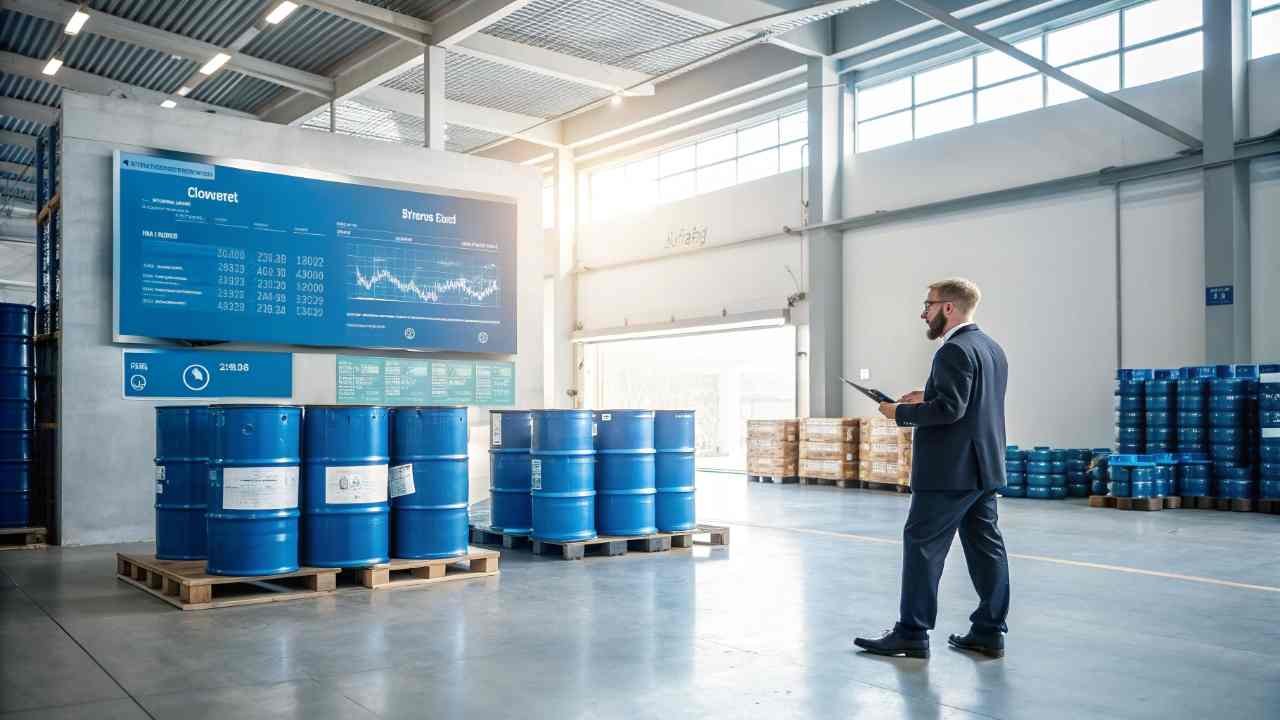
The price of Vitamin B1 in China changes every month. Sometimes the price drops because of a good corn harvest or lower energy costs. If you have flexible payment terms, you can place a large order immediately. You do not have to wait for your customers to pay you first. This allows you to "lock in" a low price for the next six months. Without flexible terms, you might miss the chance and have to buy when the price goes back up. I warn my regular clients when a price dip is coming so they can use their flexible terms to save money. This proactive approach is a key part of my service.
In the food industry4, demand is not always the same. Before holidays, your production might double. This means you need twice as much Vitamin B1. Flexible terms allow you to increase your order size without a huge cash drain. You can receive the goods, produce your food, and sell it before the final payment is due. This is vital for manufacturers in the Middle East and Korea. It keeps the factory running 24 hours a day during the busy season. I manage the production schedules in China to match these demand spikes for my clients. Safety stock5 is your insurance against shipping delays. But keeping safety stock costs money. Flexible payment terms make it easier to afford a larger safety stock. You can have three months of Thiamine in your warehouse while only paying for one month upfront. This protects you from port strikes or factory shutdowns in China. I help my buyers create a procurement plan that uses flexible payments to build a strong buffer. This ensures your supply chain is never broken. It is the most professional way to handle large-scale food additive procurement.
| Procurement Factor | Rigid Terms Impact | Flexible Terms Impact |
|---|---|---|
| Market Timing | Buy only when cash is ready | Buy when price is lowest |
| Order Volume | Small and expensive | Large and cheaper |
| Safety Stock | Low (High risk) | High (Safe) |
| Stress Level | High during peaks | Low and controlled |
What Incoterms Are Used for Vitamin B1 (Thiamine)?
Unclear shipping responsibilities lead to disputes over damages and port fees. These arguments damage your business relationships. Using correct Incoterms ensures a smooth handover of your Vitamin B1.
The most common Incoterms for Vitamin B1 are CIF (Cost, Insurance, and Freight) and FOB (Free on Board). CIF is preferred by wholesalers who want the exporter to handle logistics. FOB is used by large companies with their own shipping contracts and port agents.
Choosing the Right Delivery Responsibility
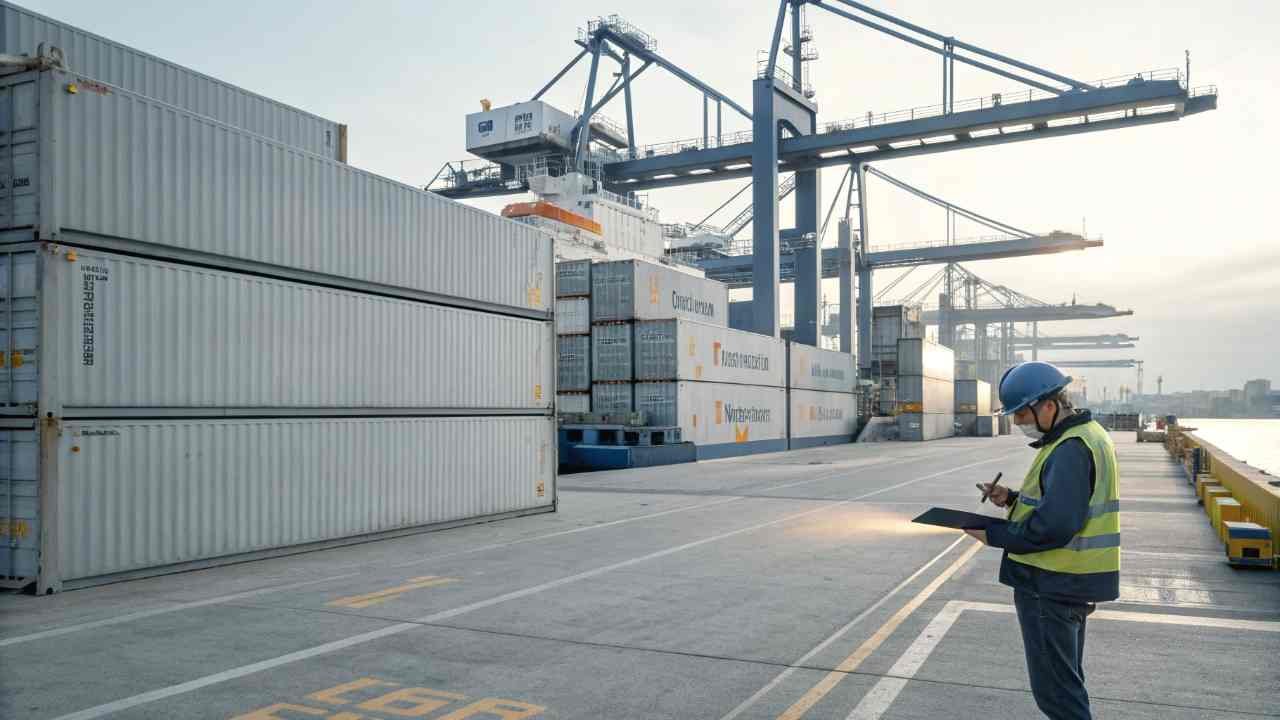
I often recommend CIF for my clients in the UAE, Qatar, and Saudi Arabia. Under CIF, I handle everything until the goods reach your port. I pay for the domestic truck, the export papers, the ocean freight, and the insurance. This is very convenient for you because you only deal with one person. You do not have to find a shipping line or a freight forwarder in China. It also reduces your risk because I manage the insurance. If there is damage at sea, I help you with the claim. CIF is the best way to get a "landed" price for your planning. It simplifies the whole process for small and medium distributors.
Large company buyers in Russia or Germany often have their own global shipping contracts. They use FOB. Under FOB, I deliver the Vitamin B1 to the port of Qingdao or Tianjin and load it on the ship you choose. My responsibility ends once the cargo is on the vessel. You pay for the sea freight and the insurance. This allows you to control the shipping schedule and the costs. It works well if you are shipping many different products from China in the same container. I coordinate with your local agent in China to ensure the handover is fast and the documents are correct. Sometimes we use CFR (Cost and Freight). It is like CIF but without the insurance. I only suggest this if you have your own open insurance policy. We also use DAP (Delivered at Place) for some specialized orders. This means I deliver the goods all the way to your factory door. I help my buyers choose the term that fits their logistics team's ability. Choosing the right Incoterm is a technical part of the contract that prevents hidden costs.
| Incoterm | Who Pays Freight? | Who Handles Insurance? | Risk Handover Point |
|---|---|---|---|
| FOB | Buyer | Buyer | On ship at China port |
| CFR | Seller | Buyer | On ship at China port |
| CIF | Seller | Seller | On ship at China port |
| DAP | Seller | Seller | At buyer's warehouse |
How Can Buyers Reduce Financial Risk for Vitamin B1 (Thiamine)?
Fraud and non-delivery can wipe out your entire procurement budget. These losses are hard to recover in international trade. Implementing risk reduction steps keeps your money safe and your supply secure.
Buyers reduce financial risk by using Letters of Credit, performing supplier audits, and using third-party inspections like SGS. Buying from exporters with trade insurance (Sinosure) and verifying business licenses in China are also essential steps to protect your capital.

Verification and Inspection Strategies
I always tell my new clients to check my company's status. A reliable exporter should have a valid business license and export permit in China. You can also ask for references from other buyers in your region. I am happy to show my history of shipping to Southeast Asia and Europe. A real supplier will not hide their background. If a price seems too good to be true, it usually is. You might be dealing with a scammer or a factory that uses low-quality materials. I oversee production to ensure the Vitamin B1 matches the USP or BP standard exactly. Verification is the first step to a safe deal.
For your first few orders, I suggest using a third-party inspection company6 like SGS. Their inspector goes to the factory in China before the container is sealed. They count the drums, check the labels, and take samples for their own lab. This gives you an independent guarantee of the quality and quantity. I welcome these inspections because they prove that FINETECH delivers what we promise. It removes the fear of buying from a distant country. Once the inspection report is passed, you pay the balance. This is the most professional way to reduce your financial risk. Never ship without insurance either. For a small fee, you protect your cargo from storms, fires, or theft. I include this in all my CIF quotes. I also use Sinosure to check the safety of our deals. This dual protection—insurance for the goods and verification for the companies—is essential. It ensures your budget is spent on real product, not on problems.
| Risk Type | Mitigation Tool | Why it Works |
|---|---|---|
| Non-delivery | Letter of Credit (L/C) | Payment happens after shipment |
| Poor Quality | Pre-shipment Inspection | Verification before loading |
| Transit Damage | CIF Insurance | Reimburses loss from accidents |
| Supplier Fraud | Business License Check | Confirms the company is legal |
Conclusion
Flexible payment terms and clear Incoterms are vital for successful Vitamin B1 trade. I manage these financial and logistics details to ensure your business stays liquid and stable.
-
Investopedia – A comprehensive guide on the Bill of Lading, a vital document for trade orientation that serves as a receipt of cargo services. ↩
-
Trade.gov – Official resource explaining the Letter of Credit (L/C) and how it provides financial security for buyers in international trade. ↩
-
The Balance SMB – Discussing the business role of wholesalers as a link between manufacturers and other food enterprises. ↩
-
Food Processing – An industry hub for food enterprises providing insights into manufacturing, technology, and supply chain management. ↩
-
InventoryOps – A technical explanation of safety stock management, a critical strategy for buyers to maintain supply safety. ↩
-
ISO – International organization that sets standards for the quality and safety verification processes used by an inspection company. ↩