
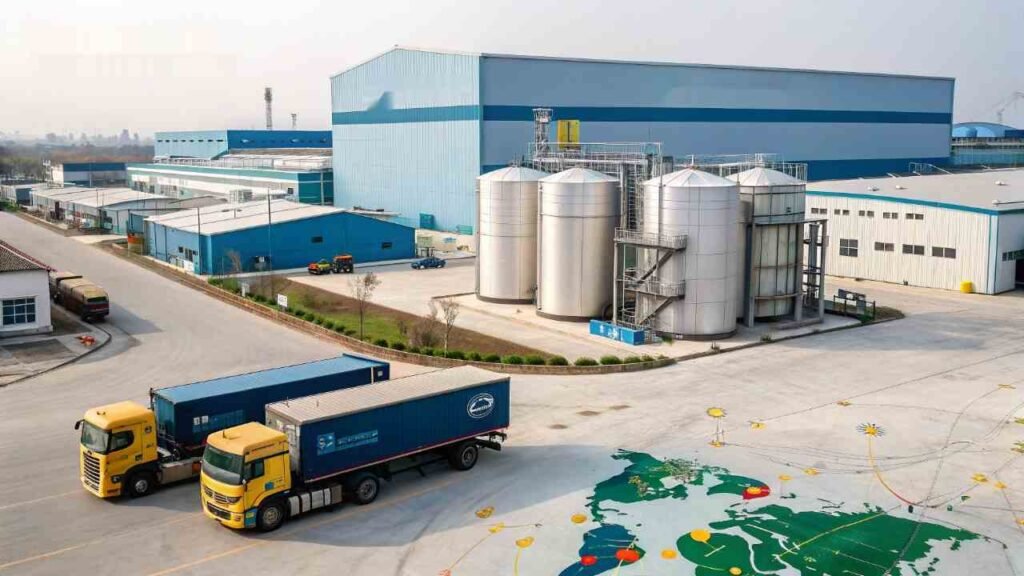
Unstable Vitamin B2 supply stops your production. This hurts your profit. I help you find reliable sources to keep your business running smoothly without any gaps or delays.
Vitamin B2 (Riboflavin) is mainly supplied through fermentation by specialized companies in China and Europe. China dominates over 70% of the market. Key producers include Guangji Pharmaceutical, BASF, and DSM-Firmenich. They serve the food fortification, animal feed, and pharmaceutical industries globally.
I manage factory selection and quality oversight for global buyers. I want to share the facts about how Vitamin B2 reaches your warehouse and how to manage your supply.
Where Is Vitamin B2 (Riboflavin) Mainly Produced?
Finding high-quality B2 is hard. Bad suppliers waste your time and money. I identify the best production hubs to ensure you receive top-grade material for your specific factory needs.
Vitamin B2 is primarily produced in China and Germany. Major Chinese companies like Guangji Pharmaceutical and Hubei Huazhong dominate the global volume. European production is led by BASF and DSM-Firmenich. These factories use microbial fermentation to reach purity levels above 98%.
The Dominance of Chinese Manufacturing
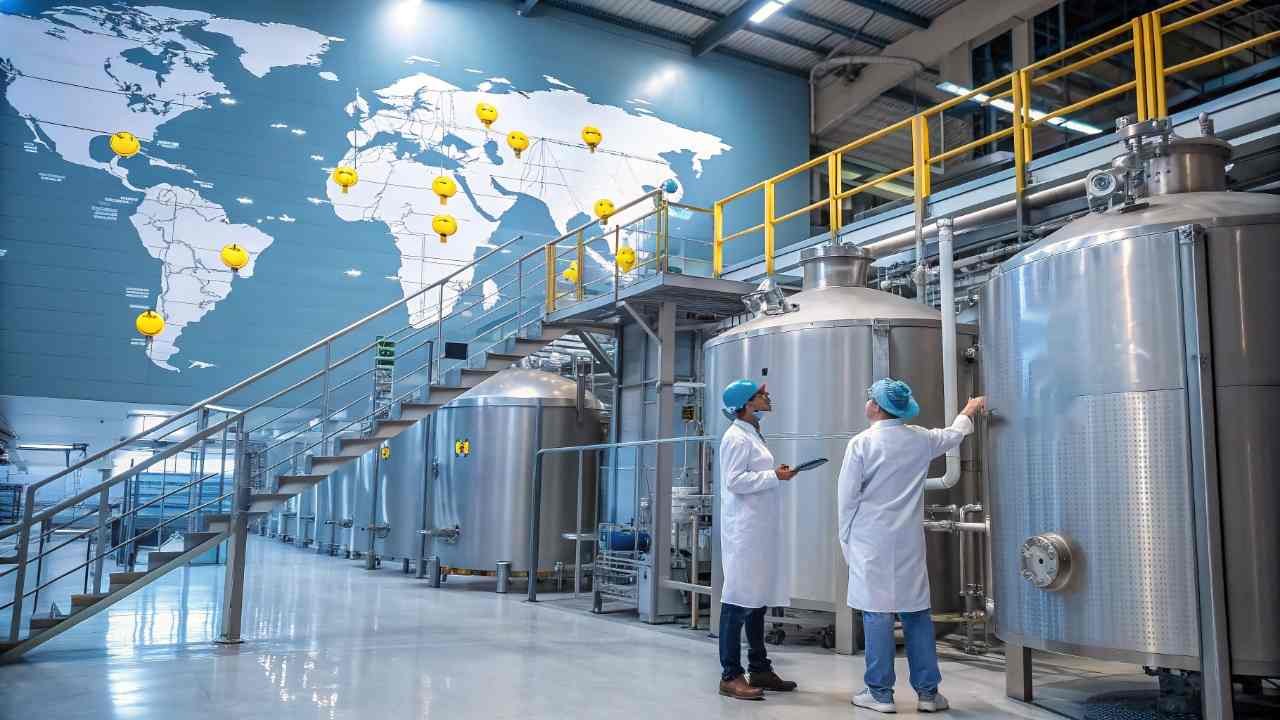
China is the largest producer of Riboflavin in the world. I see that most wholesalers in the Middle East and Southeast Asia buy from Chinese sources. This is because Chinese factories have a massive scale. They use advanced fermentation technology1 with microorganisms like Bacillus subtilis. This method is very efficient and keeps the price competitive. Companies like Guangji Pharmaceutical have the largest capacity globally. They produce both food-grade 80% and pharma-grade 98% or 100% purity. When I select a factory in China, I check their fermentation logs. This ensures the batch is consistent and free from contaminants.
European Quality and Market Position
European production is also very important. Companies like BASF in Germany and DSM in Switzerland focus on high-purity grades. These sources are popular with pharmaceutical buyers in Europe and North America. They follow very strict GMP2 (Good Manufacturing Practice) standards. European factories often have higher energy costs than Chinese plants. This makes their price a bit higher. However, they offer excellent technical support and documentation. I help my clients choose between these regions based on their budget and their local regulatory needs. For example, some buyers in Korea prefer European brands for high-end dietary supplements.
Production Method Comparison
| Region | Primary Producers | Main Strengths | Purity Grades |
|---|---|---|---|
| China | Guangji, Huazhong, Meihua | Massive volume, Low price | 80%, 95%, 98% |
| Germany | BASF | High technology, Stable quality | 98%, 100% |
| Switzerland | DSM-Firmenich | Global network, Top R&D | 98%, 100% |
| Other | Small local plants | Niche supply | Varies |
Which Countries Import the Most Vitamin B2 (Riboflavin)?
Global demand varies by region. If you miss market trends, your procurement costs rise. I help you understand global demand to better plan your inventory and your annual budget.
The largest importers of Vitamin B2 are the United States, Brazil, Germany, and Indonesia. These regions have massive animal feed sectors and mandatory flour fortification programs. Demand is also rising in the Middle East for the growing food and beverage manufacturing industries.
Feed Industry Drivers in the Americas
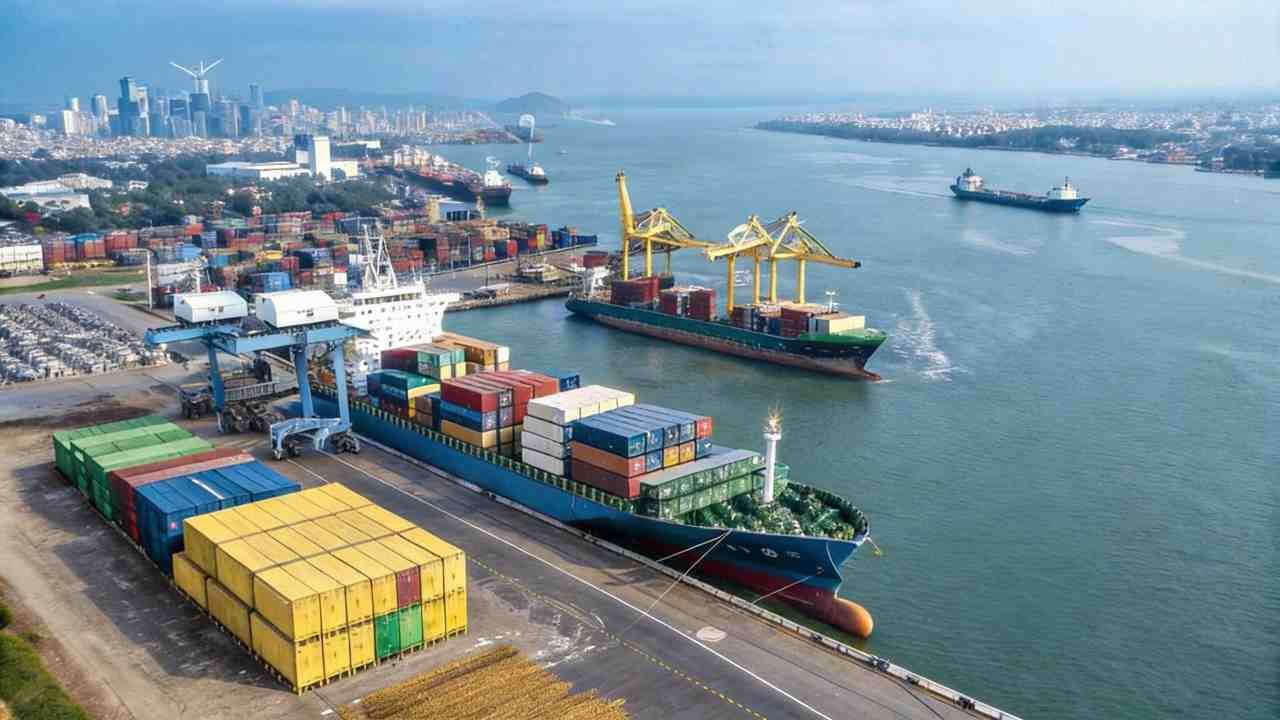
I see a very high demand for Vitamin B2 in Brazil and the USA. This is because they have the world's largest livestock industries3. Animals like poultry and pigs need Vitamin B2 for growth and energy. If they lack B2, they develop health problems. Feed-grade Riboflavin 80% is the most common product for this sector. I work with wholesalers who supply these large farms. They need thousands of tons every year. When the meat industry in Brazil grows, the global price of B2 often increases. I track these livestock trends to warn my clients about upcoming price shifts.
Food Fortification in Southeast Asia
Indonesia and Vietnam are also major importers. These countries have laws that require flour and rice to be fortified with vitamins. Vitamin B2 adds a yellow color and essential nutrients to these staples. This demand is very stable because it is a legal requirement. I help my clients in Southeast Asia secure food-grade B2 that meets their local health laws. They need HALAL certificates4 for every shipment. This is a technical detail I manage for them. The growth of the middle class in these regions also increases the demand for infant formula and energy drinks, which use high-purity B2.
Demand Segmentation by Region
| Region | Main Application | Growth Driver | Grade Preference |
|---|---|---|---|
| North America | Supplements & Feed | Health trends, Livestock | 98% (USP) |
| South America | Animal Nutrition | Large-scale meat export | 80% (Feed) |
| Southeast Asia | Flour Fortification | Government mandates | 98% (Food) |
| Middle East | Processed Foods | Food industry expansion | 98% (HALAL) |
| Europe | Pharmaceuticals | High-end drug production | 100% (EP) |
How Stable Is Vitamin B2 (Riboflavin) Supply Today?
Supply shocks ruin your production schedule. Empty warehouses stop your sales and hurt your reputation. I monitor the market to ensure your supply chain remains stable even during global trade shifts.
Vitamin B2 supply is currently stable but remains sensitive to energy costs and environmental policies in China. Production is steady, but logistics bottlenecks can cause local delays. Buyers should plan their orders 8 to 10 weeks in advance to ensure a consistent flow of material.
Impact of Energy and Environmental Audits
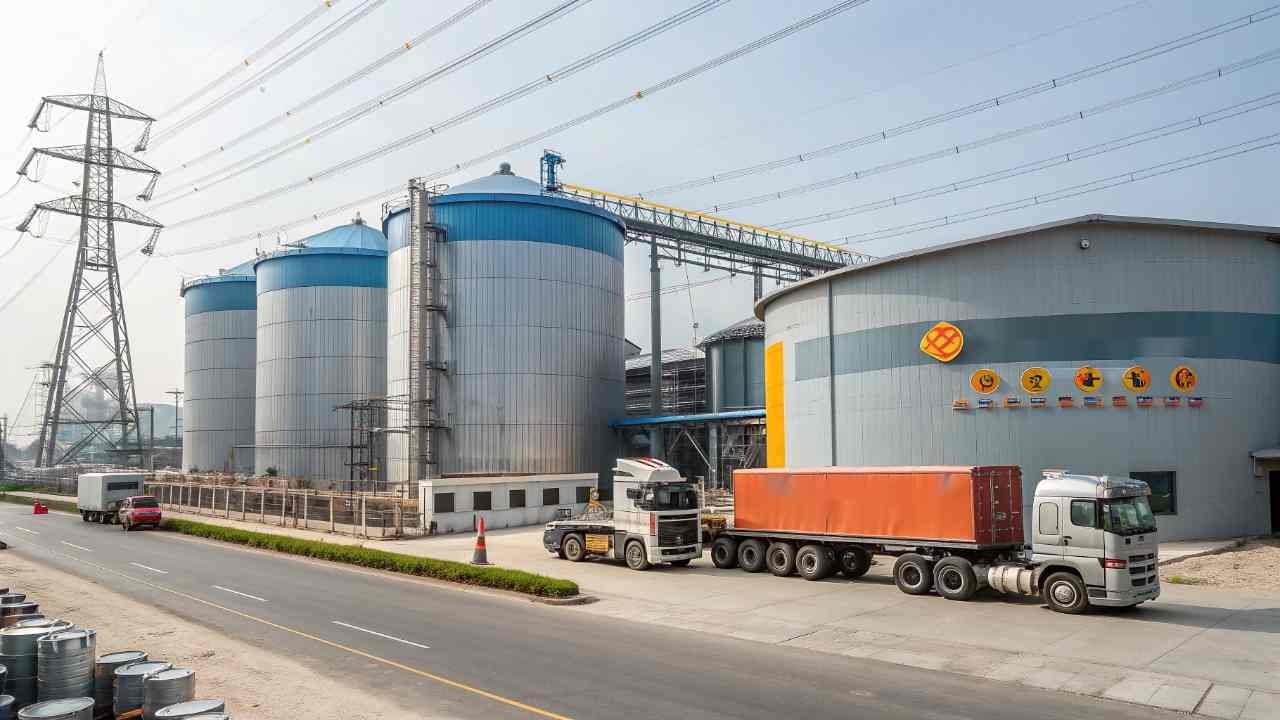
I observe that Vitamin B2 production is an energy-intensive process. Fermentation tanks must stay at a specific temperature for many days. If energy prices in China or Europe rise, factories might slow down production. Also, the Chinese government performs strict environmental audits. If a factory does not meet waste-water standards, it must close for maintenance. These "Blue Sky" policies often happen during the winter. I stay in close contact with factory managers to know these dates early. This allows my clients to stock up before the supply gets tight.
Logistics and Global Trade Stability
Shipping is another factor for stability. I see that port congestion and container shortages still happen. For my clients in the Middle East and Russia, shipping routes can be complex. If one route is blocked, the local supply drops immediately. I manage this by booking vessels early. I also use multiple shipping lines to reduce the risk. Supply stability is not just about the factory; it is about the path from China to your port. I oversee the loading and the documents to ensure no administrative errors cause delays at customs.
Supply Stability Factors
| Factor | Current Status | Risk Level | Mitigation |
|---|---|---|---|
| Factory Capacity | High | Low | Diversify sources |
| Environmental Rules | Strict | Moderate | Buy before winter |
| Energy Costs | Fluctuating | Moderate | Monitor gas/coal prices |
| Shipping Routes | Improving | Moderate | Book 4 weeks early |
| Raw Materials | Stable | Low | Standard contracts |
What Causes Shortages of Vitamin B2 (Riboflavin)?
Unexpected shortages lead to high prices. You lose your profit margins very quickly. I identify the warning signs early so you can buy stock before the market tightens up and supply disappears.
Shortages are caused by raw material price hikes, environmental factory shutdowns, and fermentation failures. In the past, fires at major European plants and power limits in China have caused sudden global supply drops. Logistics bottlenecks at major ports also create temporary local shortages for wholesalers.
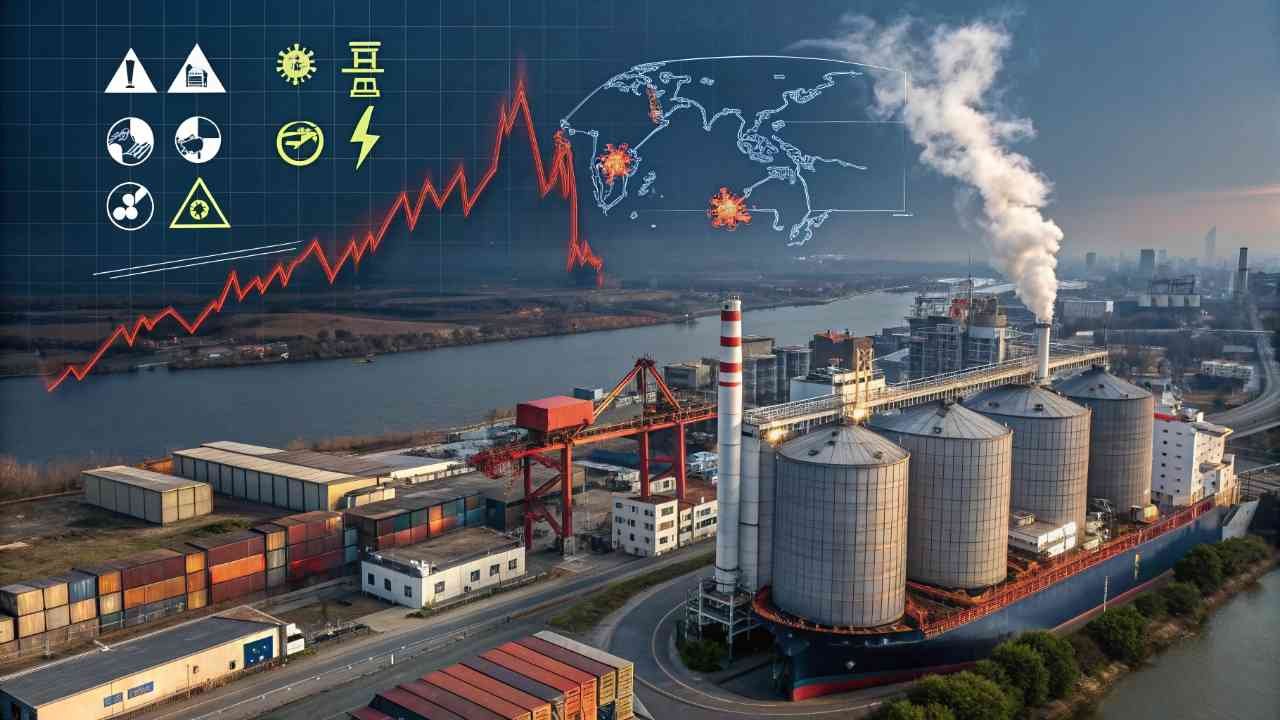
Fermentation Risks and Technical Failures
Vitamin B2 is made by living organisms. If a batch gets contaminated by the wrong bacteria, the whole run is ruined. This is a technical risk in fermentation. If a major factory has a series of failed batches, the global supply drops fast. I have seen this happen in the past. It causes panic in the market and prices double in weeks. I help my clients avoid this by working with several different factories. If one plant has a technical problem, I can move the order to another one. This is why I oversee factory selection so carefully.
Geopolitical and Trade Barriers
I also see that trade wars and tariffs cause shortages. If a country adds a 20% tax on Chinese vitamins, the local importers stop buying. This creates a gap in the local market. Also, sudden changes in export rules in China can stop shipments at the port. I monitor these policy changes every day. I warn my clients in Southeast Asia and Europe if a new rule is coming. Another factor is the cost of corn and sugar. These are the "food" for the fermentation bacteria. If corn prices spike, some small factories stop production because they lose money.
Historical Shortage Triggers
| Event Type | Example | Impact on Supply | Price Reaction |
|---|---|---|---|
| Industrial Accident | Factory fire or explosion | Sudden drop | Sharp increase |
| Technical Issue | Batch contamination | Moderate drop | Slow increase |
| Energy Crisis | Power limits in China | Gradual drop | Steady increase |
| Policy Change | New environmental audit | Temporary stop | Moderate spike |
| Logistics | Port strike or block | Local shortage | Regional spike |
How Can Buyers Secure Long-Term Vitamin B2 (Riboflavin) Supply?
Spot buying is risky and expensive. You need a better way to protect your business and your budget. I help you create a long-term plan to ensure a steady material flow for your factory.
Buyers secure long-term supply by signing 6 to 12-month contracts and maintaining a 3-month safety stock. Working with managed exporters like FINETECH ensures priority during market shortages. Monitoring China's energy and environmental policies also helps you time your purchases for maximum security.

Contract Locking and Price Stability
I always suggest moving away from spot buying for essential vitamins. If you buy only when you are empty, you have no power to negotiate. It is better to sign a 6-month or 12-month supply contract5. This locks in your volume and your price. The factory will reserve a production slot for you every month. Even if the market price goes up, your cost stays the same. I manage these contracts for my regular clients in the Middle East and Russia. I make sure the factory fulfills their commitment and delivers the top quality they promised on time.
Supplier Partnerships and Quality Audits
You must choose a partner, not just a seller. I act as your office in China. I visit the factories and check their certificates like ISO, HACCP6, and HALAL. A long-term partnership means the factory knows your specific needs. For example, if you need a specific mesh size for your premix, I ensure they produce it for you every time. I also suggest keeping a "safety stock" in your warehouse. I recommend at least 90 days of usage. This protects you from shipping delays or sudden shortages. This strategic approach is how large company buyers stay competitive and never stop their production.
Strategic Sourcing Steps
| Step | Action | Goal | Frequency |
|---|---|---|---|
| Market Audit | Review price and energy trends | Find buying windows | Weekly |
| Volume Contract | Sign 12-month agreement | Lock price and volume | Annual |
| Safety Stock | Keep 90 days of supply | Prevent stockouts | Continuous |
| Quality Check | Review COA and batch samples | Maintain standards | Per shipment |
| Factory Visit | Audit safety and capacity | Verify supplier health | Annual |
Conclusion
A stable Vitamin B2 supply needs good planning and a reliable partner. I manage the technical details and factory selection to keep your business profitable and successful.
-
Biotech Articles – Technical guide explaining industrial fermentation processes and their applications in chemical and food manufacturing. ↩
-
ISPE – International Society for Pharmaceutical Engineering guide on Good Manufacturing Practice standards for technical personnel. ↩
-
FAO – Official information on global animal production and health, detailing the demand drivers for feed-grade additives. ↩
-
IFANCA – Detailed explanation of Halal certification and compliance standards for food ingredients and global trade. ↩
-
ProcurePort – A strategic guide for procurement professionals on the structure and benefits of long-term supply contracts. ↩
-
FDA – Official principles of Hazard Analysis and Critical Control Point (HACCP) for food safety management in manufacturing. ↩