
Volatile Riboflavin prices ruin your profit margins. This uncertainty makes budgeting a nightmare. I provide market clarity to secure your wholesale budget effectively and protect your business from sudden shifts.
Vitamin B2 prices are currently driven by corn fermentation costs and energy stability in China. While demand remains steady in the feed and food sectors, environmental audits and seasonal holidays like Chinese New Year create periodic price spikes. Global logistics costs also impact final landed pricing.
I monitor the Chinese additive market daily for my international clients. I want to share the specific factors that control the cost of Riboflavin and how you can manage them.
What Factors Drive Vitamin B12 (Riboflavin) Prices?
Hidden costs in Vitamin B2 production surprise your finance team. This leads to budget gaps and lost profits. I identify the real price drivers to help you plan better.
The primary drivers include energy rates for fermentation, corn (glucose) costs, and Chinese environmental inspections. Logistics volatility and currency shifts between USD and CNY also impact the final landed price for international wholesalers and distributors.
Energy and Production Efficiency
I observe that Vitamin B2 is an energy-intensive product. Factories use microbial fermentation1 to grow Riboflavin. This process requires massive tanks to run at specific temperatures for several days. Because of this, electricity and steam costs are a huge part of the final price. Most global production is concentrated in specific Chinese provinces. If power prices in these regions rise, the factory price for Riboflavin follows. I track these energy policies to give my buyers an early warning. Efficient factories with modern equipment can keep prices lower, which is why I select our partners carefully.
Environmental Audits and Policy Shifts
The Chinese government is very strict about waste management. Fermentation creates a lot of waste water. Sometimes, the government orders factories to stop for inspections. This happens most often during the winter or before major national events. When a large factory stops, the global supply drops instantly. This creates a gap that pushes prices up. I stay in touch with factory managers to know their schedules. This helps me advise my clients in the Middle East and Southeast Asia on when to stock up. Understanding these policy cycles is a technical skill that saves you money.
Critical Price Factor Comparison
| Factor | Description | Impact on Price |
|---|---|---|
| Energy Cost | Electricity and steam for tanks | High |
| Environmental Rules | Factory shutdowns for audits | Moderate to High |
| Global Demand | Feed industry vs Food industry | High |
| Logistics | Freight rates and port fees | Moderate |
| Currency | USD to CNY exchange rate | Moderate |
How Do Raw Material Costs Affect Vitamin B2 (Riboflavin)?
Rising raw material costs squeeze your profit margins without warning. This makes your budget planning impossible. I show you how the upstream market in China affects your final procurement price.
Corn and glucose are the primary expenses for Vitamin B2 production. Since Riboflavin is made via fermentation, the price of these substrates dictates the production cost. High corn prices in China lead to immediate increases in B2 wholesale pricing.
The Corn-to-Glucose Link
I see that Vitamin B2 pricing is closely tied to the corn market. Factories use glucose derived from corn to feed the bacteria. If the corn harvest in China is poor, glucose becomes expensive. This raises the input cost for every drum of B2. Many buyers ignore the corn market, but I track harvest reports in Northern China. This information allows me to predict price trends months in advance. For my clients in Korea and Vietnam, this data is vital for their annual budgeting. I help you see the connection between the farm and the factory.
Yield and Yield Optimization
Yield efficiency is another raw material factor. A high-quality fermentation process produces more Riboflavin from the same amount of glucose. I choose factories that use advanced microbial strains2. These strains have a better conversion rate. This means the factory uses less raw material to produce one ton of Vitamin B2. This technical advantage allows them to offer a more competitive price even when corn prices are high. I audit these production details to ensure my clients get the best value. By focusing on yield, we reduce the impact of raw material volatility on your final invoice.
Substrate and Utility Costs
| Raw Material | Role in Production | Sensitivity |
|---|---|---|
| Corn / Glucose | Main food for bacteria | Very High |
| Electricity | Temperature control | High |
| Steam | Equipment sterilization | Moderate |
| Packaging | Drums and PE liners | Low |
| Solvents | Refining the crystals | Low |
How Often Does Vitamin B2 (Riboflavin) Pricing Change?
Sudden weekly price jumps leave you with expensive inventory. This instability hurts your sales. I show you the timing of price shifts so you can protect your margins.
Vitamin B2 pricing typically updates monthly or quarterly in B2B trade. However, spot prices in China can fluctuate weekly during supply shortages. Seasonal cycles, especially the Chinese New Year, cause predictable annual price increases for global buyers.
Monthly vs. Quarterly Strategy
I observe that most large-scale wholesalers prefer quarterly pricing. This gives them three months of stability for their own customers. However, factories in China often prefer monthly updates to protect themselves from corn price changes. I act as the bridge between the factory and the buyer. I negotiate to keep the price stable for as long as possible. In a stable market, monthly changes are small. But in a volatile market3, the price can jump by 10% in just a few weeks. I provide my clients with weekly reports to track these shifts early.
Holiday Disruptions and Speculation
The Chinese market follows a seasonal cycle. The most important event is the Chinese New Year (CNY). All factories and ports close for two weeks. Before CNY, everyone tries to buy stock. This high demand always pushes the price up in December and January. I tell my clients in the Middle East and Europe to order 8 weeks before CNY. This ensures they get the pre-holiday price. After the holidays, prices often stay high for a few weeks. Sometimes, prices change because of market rumors. I check the real status of the factories to see if news is true. This prevents you from overpaying during a temporary panic.
Price Frequency Breakdown
| Timeframe | Change Type | Main Driver |
|---|---|---|
| Weekly | Spot Price Shifts | Speculation and News |
| Monthly | Regular Updates | Corn and Energy Costs |
| Quarterly | Contract Reviews | Volume Agreements |
| Seasonal | Holiday Surcharges | Chinese New Year |
| Annual | Long-term Pacts | Strategic Partnerships |
How Do Bulk Orders Influence Vitamin B2 (Riboflavin) Prices?
Small orders come with high unit costs and extra fees. This waste makes you uncompetitive in your local market. I help you use volume to get better wholesale rates and improve profits.
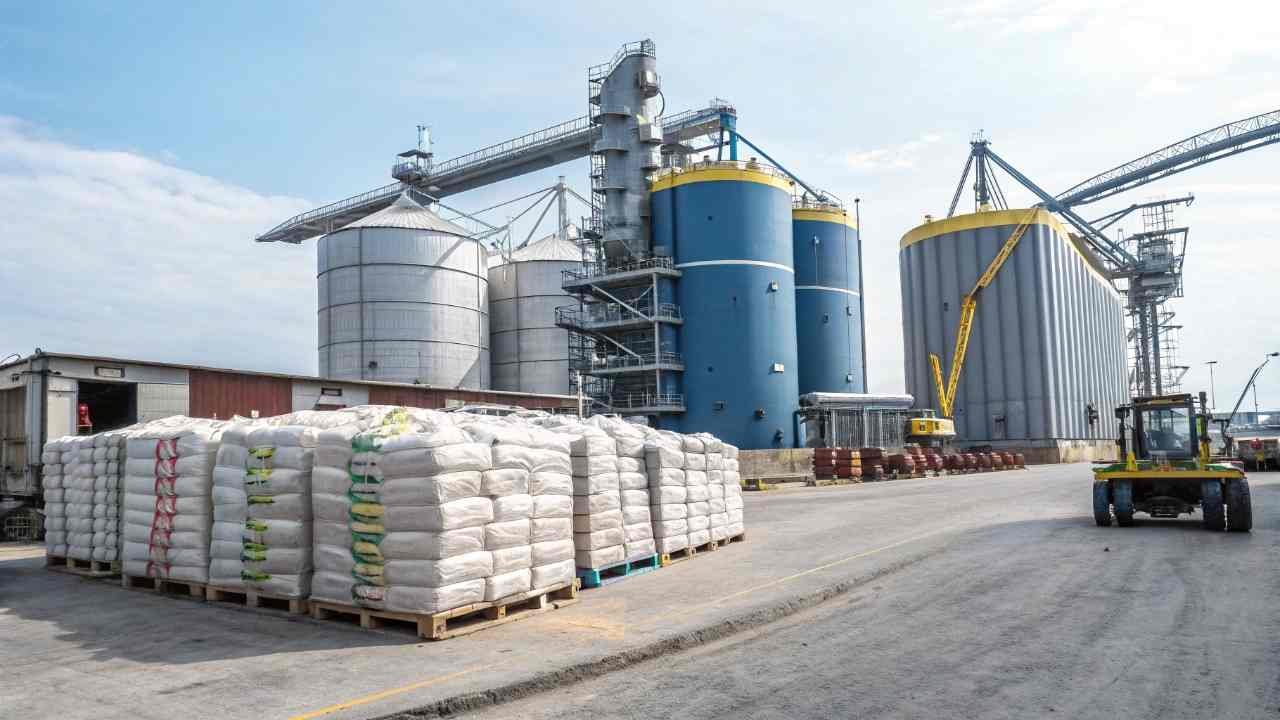
Bulk orders lower unit prices by utilizing economies of scale in fermentation and reducing per-unit logistics fees. Buyers ordering Full Container Loads (FCL) benefit from significant tiered discounts and lower administrative overhead per kilogram of Vitamin B2.
Economies of Scale in the Lab and Factory
I see that factories are much more willing to give discounts for large orders. This is because of economies of scale. Setting up a fermentation batch for 20 tons is more efficient than for 1 ton. The lab testing and quality control4 work are the same for both. When you buy in bulk, the factory can plan their production weeks in advance. This reduces their risk and they pass those savings to you. I manage these volume negotiations for my clients. Even if you are a medium-sized distributor, I can help you group orders to reach a better price tier.
Logistics Efficiency with FCL
Shipping is a major part of your landed cost. A Full Container Load (FCL) is always cheaper per kilogram than a Less than Container Load (LCL). In LCL, you pay high fees for port handling and shared space. In FCL, the price is fixed for the whole container. For Vitamin B2, a 20ft container can hold about 10 to 12 tons. I suggest my buyers in Southeast Asia buy at least one full container to maximize savings. I also offer mixed containers. You can buy Vitamin B2 with other additives like Vitamin B1. This gives you the FCL shipping rate for all your products in one go.
Volume and Price Relationships
| Order Volume | Logistics Mode | Pricing Tier | Total Savings |
|---|---|---|---|
| < 500 kg | LCL / Express | Highest | None |
| 1 Ton - 5 Tons | LCL Sea Freight | Moderate | 5% - 8% |
| 10 Tons - 12 Tons | FCL (20ft) | Low | 10% - 15% |
| 20 Tons+ | FCL (40ft/Multi) | Lowest | 15% - 20% |
How Can Buyers Lock in Favorable Vitamin B2 (Riboflavin) Pricing?
High volatility makes your future planning impossible. This financial risk stops your growth. I provide strategies to secure low, stable prices for the long term through expert timing.
Buyers can lock in prices through 6-12 month contracts and strategic buying during off-peak summer months. Partnering with a managed exporter like FINETECH ensures priority pricing and stable supply during Chinese market shortages or environmental shutdowns.

Contract Locking and Strategic Timing
I always recommend long-term contracts for my regular partners. If you know you need 5 tons every month, we can sign a 12-month agreement. This locks in the price on the day we sign. Even if the market price in China doubles later, your cost stays the same. This is called price hedging5. It protects your budget and your profit margins. I manage these contracts with the factories to ensure they fulfill their commitment. This is the most professional way for large company buyers in Europe and Russia to handle their procurement and financial planning.
I observe that prices are often lower during the summer. This is because energy demand is lower and there are fewer environmental audits. I suggest my clients buy extra stock during these off-peak windows. I provide them with the market data to see when a price bottom is happening. By buying three months of stock at a low price, you save more than by buying small amounts monthly. Working with a managed exporter like me gives you a competitive edge. I have deep relationships with several top-tier factories. If one factory raises its price, I can check another one immediately for you.
Procurement Strategy Overview
| Strategy | Implementation | Financial Benefit |
|---|---|---|
| Annual Contract | Fixed price for 12 months | High price stability |
| Off-peak Buying | Purchase during summer | 5% - 10% cost saving |
| Mixed Containers | Consolidate different B vitamins | Lower freight per kg |
| Strategic Stocking | 3-month buffer stock | Avoids spot buys |
| Managed Exporter | Use FINETECH oversight | Priority access to supply |
Conclusion
Vitamin B2 prices follow fermentation and energy cycles. I help you track these shifts and use volume contracts to protect your business growth and profit margins.
-
PubChem – Detailed technical overview of riboflavin manufacturing methods using industrial microbial fermentation for food enterprises. ↩
-
Oxford Academic – Scientific research on the development of microbial strains for high-yield riboflavin production for technical personnel. ↩
-
Bloomberg Markets – Real-time commodity market tracking to help trade-oriented businesses manage risks in volatile markets. ↩
-
ISO – International standards for quality management systems ensuring consistent production and quality control in manufacturing plants. ↩
-
Corporate Finance Institute – A financial guide for trade professionals on how price hedging protects businesses from market price fluctuations. ↩