
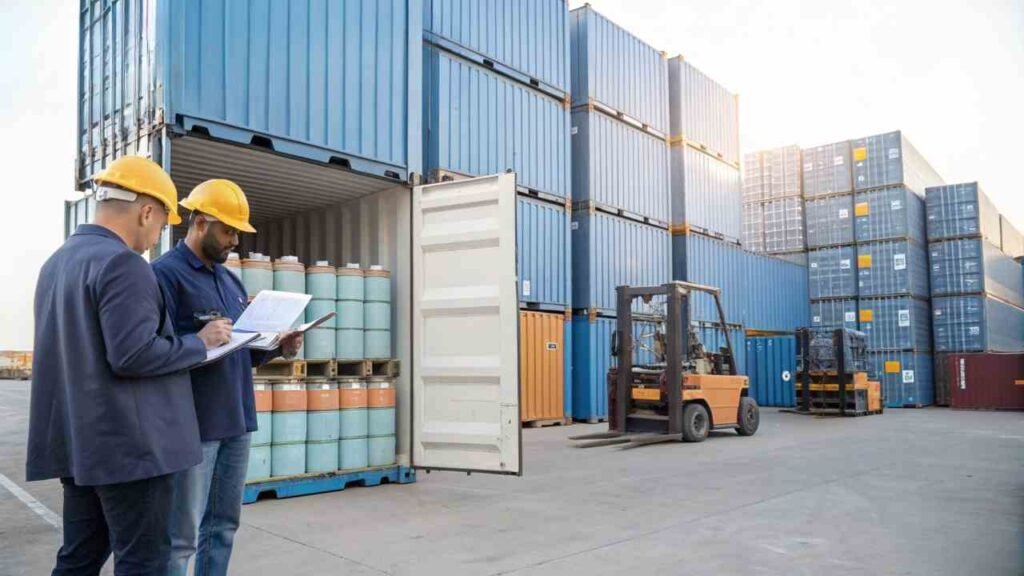
High procurement costs for Vitamin B2 eat your profit margins. This waste makes your final products uncompetitive. I provide technical strategies to lower your costs and protect your business results.
Buyers reduce Vitamin B2 costs by purchasing in bulk FCL loads and signing long-term volume contracts. Strategic timing of orders during market dips in China and consolidating different food additives into a single shipment also significantly lower unit expenses and logistics fees for global wholesalers.
I manage factory selection and quality oversight for many global buyers at FINETECH. I want to share the facts about how you can save money on your Vitamin B2 procurement.
What Cost Factors Matter Most in Vitamin B2 (Riboflavin) Purchasing?
Volatile raw material prices and energy shifts create financial uncertainty. These risks disrupt your budget planning. Identifying the key cost drivers helps you predict market changes and secure better pricing.
The most important cost factors are fermentation substrates like corn and glucose, energy rates for production, and environmental compliance fees in China. Global demand from the animal feed sector and ocean freight rates also directly impact the final landed price for international buyers.
Raw Material Substrates and Yield
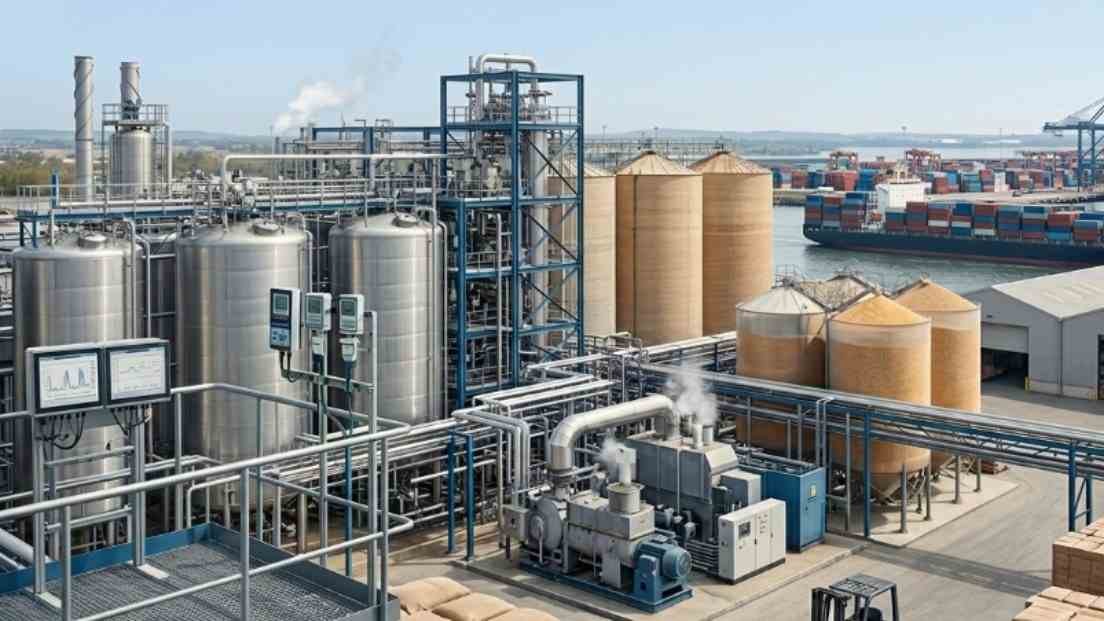
I see that Vitamin B2 pricing is tied closely to the corn market. This vitamin is made through microbial fermentation1. The bacteria need a carbon source, which is usually glucose derived from corn. If corn prices rise in China, the factory cost goes up immediately. But it is not just about the price of corn. It is also about the "yield." High-quality factories use advanced fermentation strains that produce more Riboflavin from less glucose. I select factories that have the highest yield efficiency. This allows them to offer lower prices even when raw material costs fluctuate. I monitor the corn harvest reports in Northern China to give my buyers an early warning about price shifts.
Energy and Regulatory Expenses
Fermentation is an energy-intensive process. The tanks must stay at a specific temperature for many days. This requires a lot of electricity and steam. I track the energy policies in Chinese provinces like Hubei and Inner Mongolia. When power prices rise, the B2 price follows. Also, environmental rules matter. Vitamin B2 production creates a lot of waste water. Factories must pay for expensive treatment systems to meet Chinese laws. Sometimes, the government stops production for environmental audits2. This lowers supply and raises prices. I help my clients by working with factories that have the best safety and environmental records. These factories are less likely to be shut down suddenly.
Breakdown of Vitamin B2 Cost Components
| Cost Component | Percentage | Primary Driver | Sensitivity |
|---|---|---|---|
| Raw Materials | 40% - 50% | Corn and Glucose prices | Very High |
| Energy | 20% - 25% | Electricity and Steam rates | High |
| Environment | 10% - 15% | Waste treatment and Audits | Moderate |
| Labor & Admin | 5% - 10% | Factory wages and Tech | Low |
| Packaging | 2% - 5% | Paperboard and PE liners | Low |
How Can Bulk Planning Lower Vitamin B2 (Riboflavin) Costs?
Ordering small amounts leads to high unit prices and extra logistics fees. This inefficiency hurts your competitive edge. Bulk planning allows you to use volume as leverage for better wholesale rates.
Bulk planning lowers costs through tiered pricing and reduced per-unit shipping fees. Buying full containers (FCL) minimizes port handling charges. It also allows factories to run larger, more efficient fermentation batches, and those savings are passed directly to the buyer.
Tiered Pricing and Economies of Scale
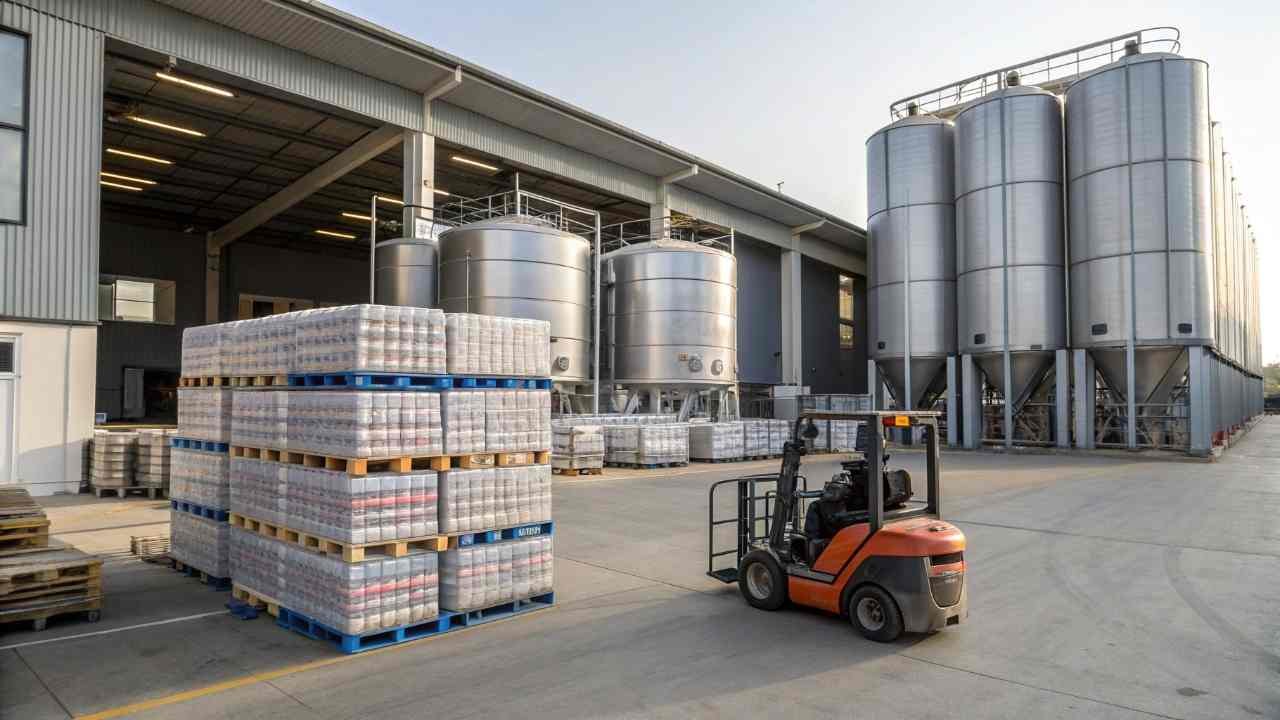
I see that factories in China always offer better prices for larger volumes. This is because of "economies of scale." Setting up a fermentation run for 20 tons is much more efficient than setting up for 1 ton. The lab testing and quality control3 work are nearly the same for both. When you buy in bulk, the factory can plan their production weeks in advance. This reduces their financial risk. I negotiate these tiered discounts for my regular clients. Even if you are a medium-sized distributor, I can help you group your annual demand into fewer, larger orders to reach a better price tier and save thousands of dollars.
Logistics Efficiency and Port Fees
Shipping is a major part of your landed cost. A Full Container Load (FCL) is always cheaper per kilogram than a Less than Container Load (LCL). In LCL, you pay high fees for shared space and extra port handling. For Vitamin B2, a 20ft container can hold about 10 to 12 tons on pallets. I suggest my buyers in Southeast Asia and the Middle East buy at least one full container. This maximizes your shipping budget. I also offer "mixed containers." You can buy Vitamin B2 with other additives like Vitamin B1 or CMC. This gives you the FCL shipping rate for all your products while keeping your inventory of each item at a safe level.
Comparative Shipping Costs (LCL vs. FCL)
| Order Size | Shipping Method | Logistics Cost per KG | Price Tier |
|---|---|---|---|
| 500 kg | LCL Sea Freight | Highest | Retail |
| 2,000 kg | LCL Sea Freight | High | Wholesale |
| 10,000 kg | 20ft FCL | Low | Bulk Wholesale |
| 20,000 kg | 40ft FCL | Lowest | Contract |
How Does Supplier Selection Affect Vitamin B2 (Riboflavin) Margins?
Choosing the wrong factory leads to quality errors and expensive recalls. These hidden costs can bankrupt your business. Selecting the right supplier is the most important step for protecting your profit margins.
Reliable suppliers protect margins by providing consistent batch quality, which reduces product waste. Direct sourcing from managed exporters like FINETECH removes unnecessary trading markups. Efficient factories with modern technology also offer lower base prices due to higher production yields.
Quality Consistency and Waste Reduction
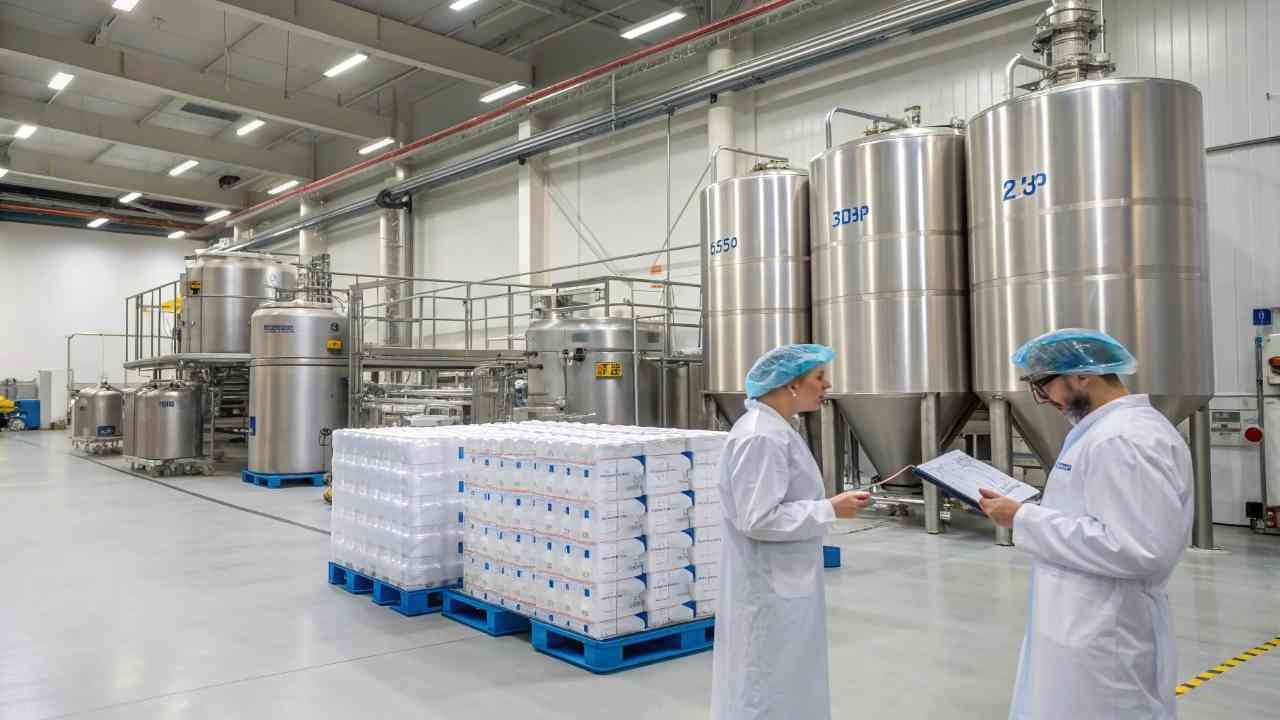
I observe that "cheap" Vitamin B2 is often the most expensive in the long run. If a batch is off-spec, your final food product might fail a nutritional test. This leads to government fines and customer returns. I manage the selection process by auditing factory lab logs. I check their HPLC data to ensure purity is consistently above 98%. Consistency means you don't have to adjust your recipe for every new pallet. This stability saves you time and money in production. A supplier who delivers perfect quality every time protects your brand and your profit margins from the cost of failure.
Cutting Out the Middleman
Many buyers use multiple trading companies before they reach the factory. Each person adds a markup. I streamline this process. I work directly with the top manufacturers in China but provide the service of a local partner. This "managed exporter" model gives you factory-direct pricing with professional oversight. I handle the production, the quality checks, and the delivery. By removing extra traders, I can save my clients 5% to 10% on their base cost. For a wholesaler buying 50 tons a year, this is a massive financial advantage. I focus on long-term partnerships that prioritize your success over a quick profit.
Criteria for Choosing a High-Margin Supplier
| Supplier Type | Direct Price | Quality Risk | Service Level | Best For |
|---|---|---|---|---|
| Small Trader | Variable | High | Moderate | Small trials |
| Large Factory | Lowest | Low | Low (Hard to reach) | Industrial use |
| Managed Exporter | Competitive | Very Low | Very High | Wholesalers |
| Local Distributor | Highest | Low | High | Immediate needs |
How Can Logistics Optimization Reduce Vitamin B2 (Riboflavin) Expenses?
Slow shipping and high freight rates drain your cash flow. Port delays result in storage fees that eat your budget. Logistics optimization is a technical tool that lowers your total landed costs effectively.
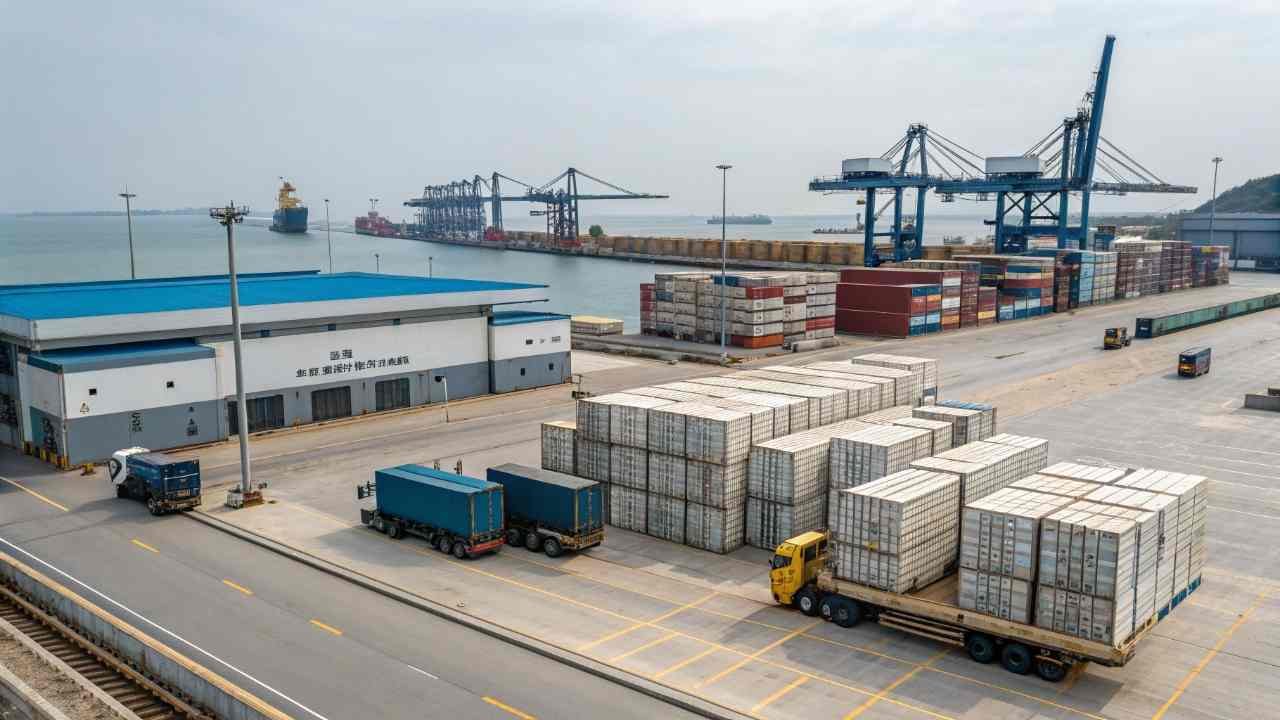
Logistics optimization reduces expenses by using direct shipping routes and maximizing container space. Consolidating different additives like B2, B1, and C into mixed FCL loads lowers the per-unit port fees. Choosing ports near the factory, like Qingdao, also minimizes inland transport costs.
Port Selection and Inland Transport
I manage shipments from ports that are close to the Vitamin B2 factories. Most B2 production is in Central and Northern China. Using the port of Qingdao or Tianjin reduces the truck transport time and cost. Many exporters use whatever port is easiest for them, but I choose the port that is cheapest for you. This small technical detail can save $200 to $400 per container. Also, I check the "free time" at your destination port. I negotiate with shipping lines to give my clients 14 or 21 days of free detention. This prevents high storage fees if your customs clearance takes longer than expected.
Container Loading and Mixed Loads
I believe in "one container, many solutions." If you do not need 20 tons of Vitamin B2, I can help you mix it with other additives. At FINETECH, I can put Vitamin B1, B2, and Sodium Erythorbate in the same container. This allows you to receive a variety of stock while still getting the low FCL shipping rate. I oversee the loading to ensure the heaviest items are on the bottom and everything is secured with airbags. This prevents damage during the sea voyage. Proper loading means zero product loss and zero waste. This efficiency is a core part of my service to wholesalers in Southeast Asia and the Middle East.
Transport Mode Efficiency Comparison
| Transport Mode | Speed | Relative Cost | Reliability | Best Use Case |
|---|---|---|---|---|
| Sea Freight (FCL) | 4 - 8 Weeks | 1.0 (Baseline) | High | Bulk inventory |
| Rail Freight | 3 - 4 Weeks | 2.5 | Very High | Russia / EU routes |
| Sea Freight (LCL) | 5 - 9 Weeks | 1.8 | Moderate | Small replenishment |
| Air Freight | 5 - 7 Days | 10.0+ | Very High | Critical stockouts |
How Can Long-Term Contracts Stabilize Vitamin B2 (Riboflavin) Costs?
Sudden price spikes in China leave you with expensive stock and lost sales. Without a stable price, your financial planning is impossible. Long-term contracts offer a safe path to lock in your costs for the whole year.
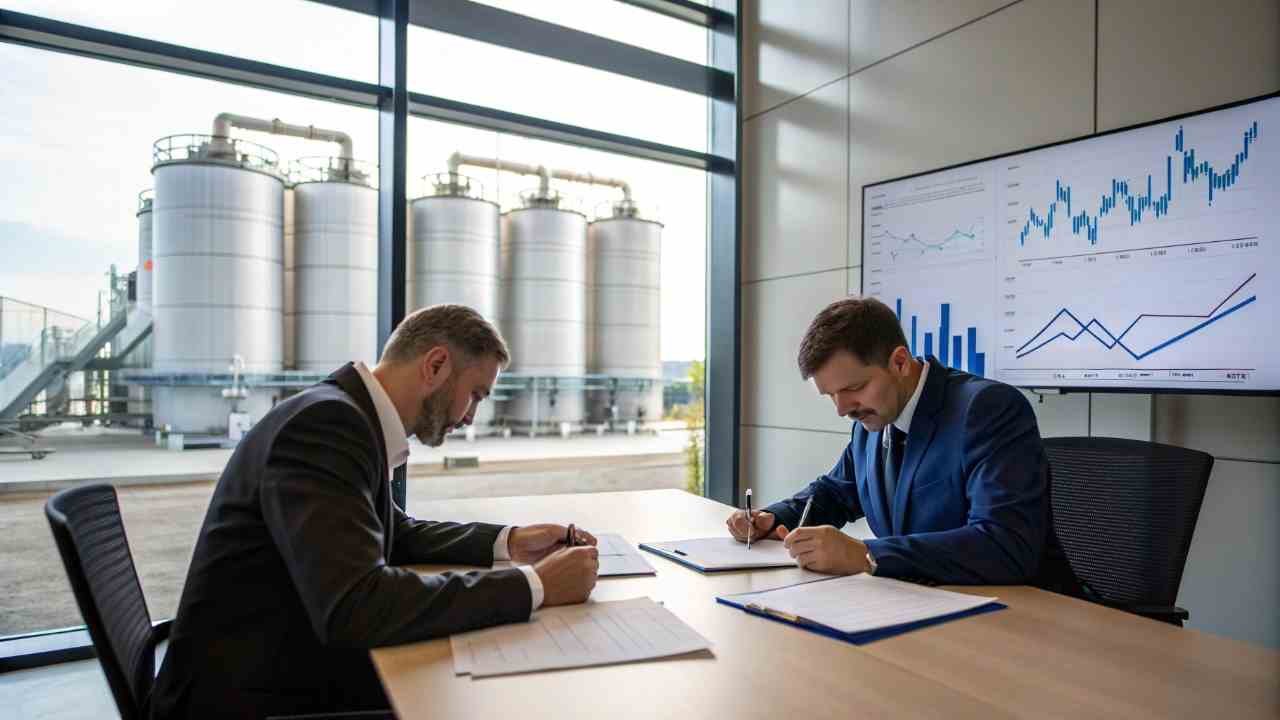
Long-term contracts stabilize costs by fixing a price for 6 to 12 months. This protects buyers from sudden market volatility and energy price hikes in China. Contracts also ensure you receive priority supply during shortages, which prevents expensive emergency spot-buying at peak prices.
Price Hedging and Budget Security
I always recommend 12-month contracts for my regular partners. The Vitamin B2 market can change fast due to energy costs or government environmental audits. If you have a contract, your price is safe. Even if the market price doubles next month, I ensure the factory honors our agreement. This is called price hedging4. It allows you to give stable quotes to your own customers. This stability is a huge competitive advantage for wholesalers in Europe and the Middle East. It removes the stress of checking the market every day and allows you to focus on selling.
Priority Supply and Freshness
A contract is not just about price. It is also about "volume security." During busy seasons like the weeks before Chinese New Year, many buyers cannot get their goods. Production lines are full. But if you have a contract, the factory reserves a production slot for you every month. You get your Vitamin B12 first. I manage these schedules to ensure your material is always fresh. We ship it shortly after production, giving you the maximum shelf life5 for your warehouse. This priority service is why large companies prefer to work with a managed exporter who can enforce these contracts at the factory level.
Contract vs. Spot Buying Comparison
| Feature | Spot Buying | Annual Contract | Impact on Business |
|---|---|---|---|
| Price | Variable (Market) | Fixed (Locked) | Financial stability |
| Supply | Uncertain | Guaranteed | No production stops |
| Relationship | Transactional | Strategic Partner | Priority service |
| Admin Time | High (Negotiate often) | Low (Automated) | Saves labor costs |
| Inventory Risk | High (Shortages) | Low (Planned) | Smooth operations |
Conclusion
Reducing Vitamin B2 costs requires bulk planning, supplier oversight, and long-term contracts. I help you manage these technical procurement steps to protect your margins and grow your business successfully.
-
PubChem - Technical details on how microbial fermentation is utilized for industrial vitamin production. ↩
-
ISO 14001 - Official standards for environmental management systems used during factory environmental audits. ↩
-
ISO 9001 - The international standard for quality control systems to ensure consistent product manufacturing. ↩
-
Corporate Finance Institute - A financial guide for buyers on how price hedging protects against market volatility. ↩
-
Food Safety Magazine - Technical analysis on how storage conditions and additives affect the shelf life of food products. ↩