
Unclear international trade laws for Vitamin B3 lead to blocked shipments and expensive fines. This confusion slows your growth. I simplify these complex regulations to keep your business moving safely.
Vitamin B3 (Niacin and Niacinamide) is regulated globally as a safe food additive and nutrient. It is approved by the FDA (GRAS), EFSA (E375), and JECFA. Trade requires compliance with USP/BP standards, mandatory health certifications, and strict adherence to regional import permits and labeling laws.
I manage factory selection and quality oversight for my B2B clients at FINETECH. I want to explain the technical rules for Vitamin B3 trade to ensure your shipments arrive without any problems.
Is Vitamin B3 (Niacin) Approved for Global Food Applications?
Using unapproved ingredients causes immediate product recalls and legal bans. This damage ruins your brand and wastes your money. I provide materials that meet all global regulatory approvals.
Yes, Vitamin B3 is widely approved for global food applications. It is recognized as GRAS (Generally Recognized as Safe) by the US FDA and listed as a permitted nutrient in Europe. JECFA has set an Acceptable Daily Intake (ADI) to ensure consumer safety.

Understanding Global Regulatory Status
I see that most countries follow the guidelines from JECFA1 (Joint FAO/WHO Expert Committee on Food Additives). This group reviews the safety of Niacin and Niacinamide regularly. They confirm that Vitamin B3 is safe for humans because it is an essential nutrient. In the USA, the FDA allows its use in enriched bread, cereals, and infant formula under 21 CFR. In Europe, the EFSA (European Food Safety Authority) approves it as a nutritional supplement. I help my buyers in Germany and Greece ensure their product meets the E375 specification or the newer nutrient lists. This specification requires a purity level of at least 99%.
The regulatory environment also dictates how much B3 you can add to food. Some countries have "Maximum Levels" for certain food categories. For example, the levels allowed in energy drinks might differ from the levels in baby food. I monitor these changes to advise my clients. In my experience, most wholesalers prefer the 99% food-grade2 powder. This grade is accepted by almost all national health departments. I visit our factories in China to ensure their production process matches these global specifications exactly. This oversight is how I protect your business from using unapproved or low-quality materials. It is my job to make sure your ingredients pass any local audit.
Comparison of Regional Food Approvals
| Region | Regulatory Body | Identification | Main Usage |
|---|---|---|---|
| European Union | EFSA | Vitamin B3 (Niacin) | Supplements & Fortification |
| United States | FDA | 21 CFR 184.1530 | Enriched grains & Foods |
| International | JECFA | INS 375 | Global safety standard |
| Middle East | GSO / SFDA | GSO 2500 | Food fortification |
| Southeast Asia | BPOM / JAKIM | Food Grade | Processed foods & Drinks |
What Certifications Are Required for Vitamin B3 (Niacin)?
Missing certifications cause customs to reject your cargo at the border. This failure stops your sales and ruins your reputation. I ensure every shipment has the correct professional certifications.
Mandatory certifications for Vitamin B3 include ISO 22000, HACCP, and GMP for factory safety. For trade in the Middle East and Southeast Asia, HALAL and KOSHER certifications are also essential to prove compliance with religious laws.
Critical Quality and Safety Certifications
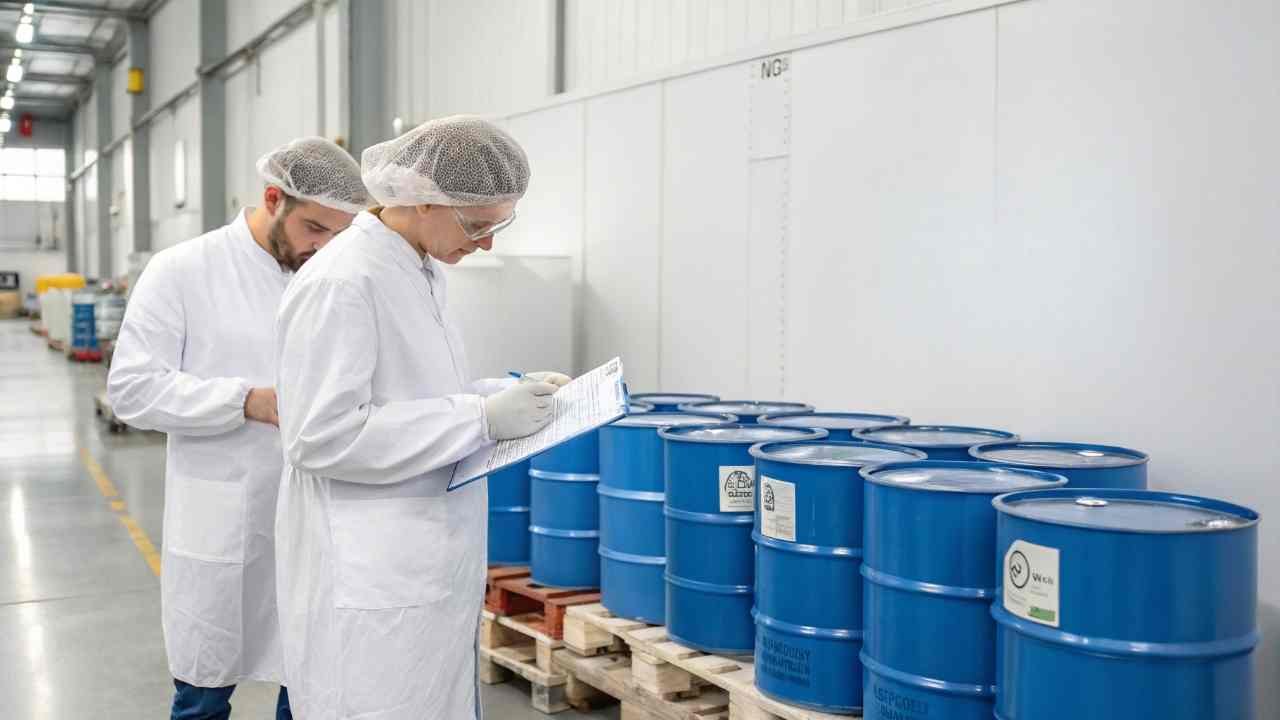
I prioritize factories that have ISO 22000 and HACCP certifications. These are the gold standards for food safety. ISO 22000 ensures the factory has a management system to control food safety hazards. HACCP3 (Hazard Analysis and Critical Control Points) means the factory checks every step of the production for risks. For Vitamin B3, this is important because it is made through chemical synthesis. The factory must ensure no residual solvents or heavy metals remain in the final powder. I check these certificates and the factory audit logs myself. If a factory does not have a clean record, I do not buy from them for my clients.
GMP (Good Manufacturing Practice) is also very important for high-purity Niacinamide. It proves that the product is made in a consistent and controlled environment. This is especially true for our buyers in the pharmaceutical industry. Beyond safety, I manage religious certifications. For my clients in Saudi Arabia, UAE, and Indonesia, HALAL certification4 is a legal requirement. This proves no forbidden substances were used in the production. KOSHER certification is also common for the European market. I ensure these certificates are issued by recognized bodies like MUI or JAKIM. This documentation makes your procurement process easy and safe. I handle the paperwork so you can focus on selling to your local customers.
Essential Certifications for B2B Trade
| Certification | Focus Area | Why It Matters |
|---|---|---|
| ISO 22000 | Safety Management | Proves factory-wide safety |
| HACCP | Process Control | Prevents contamination risks |
| GMP | Quality Consistency | Ensures pharmaceutical grade |
| HALAL | Religious Compliance | Required for Middle East / SE Asia |
| KOSHER | Religious Compliance | Required for Europe / North America |
How Do Import Rules Affect Vitamin B3 (Niacin) Shipments?
Unexpected import rules lead to stuck containers and high port fees. This waste of money hurts your profit. I manage technical paperwork to ensure smooth customs clearance for your company.
Import rules require the correct HS Code (293623), a Certificate of Analysis (COA), and a Health Certificate. Regions like Southeast Asia require specific import permits, while the Middle East often demands legalized invoices and a Certificate of Origin.
Navigating Regional Import Rules
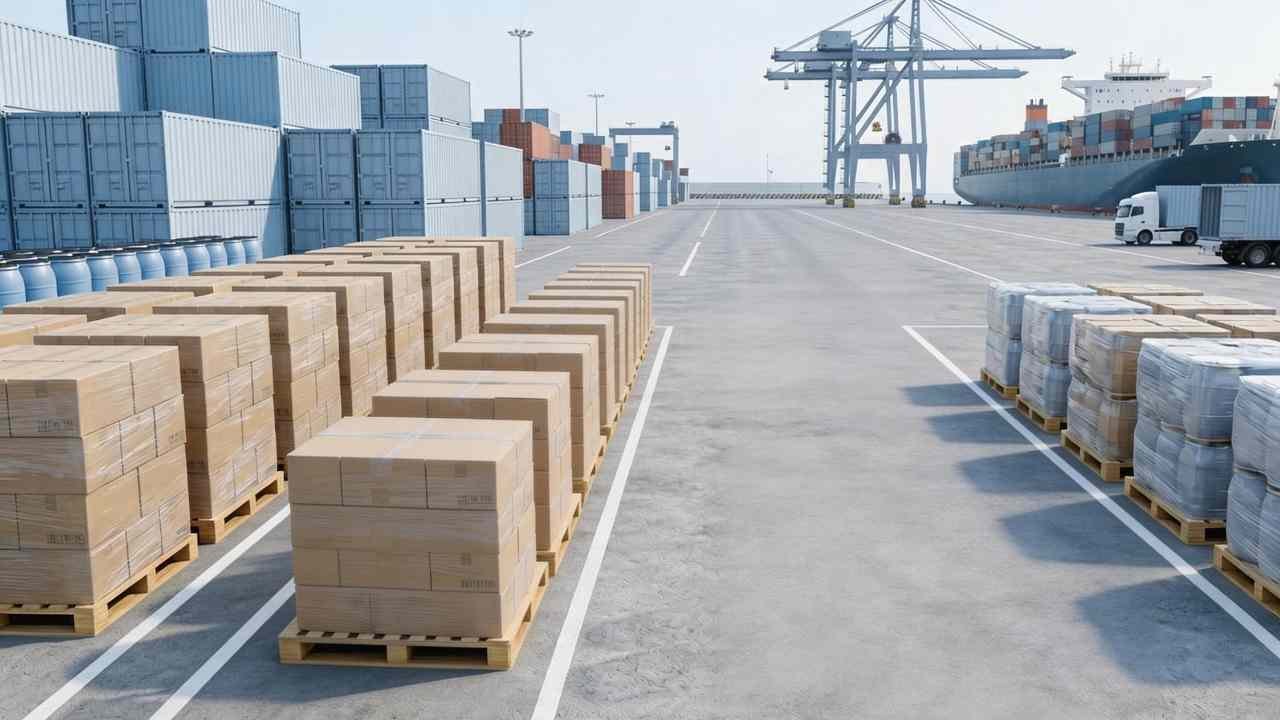
I see that import rules change depending on where you are. For my clients in Saudi Arabia and Qatar, the SFDA (Saudi Food and Drug Authority) has strict rules. They require a Health Certificate issued by the Chinese government. This paper proves the product is fit for human consumption. In Southeast Asia, countries like Indonesia require an import permit from BPOM. I prepare all these documents at FINETECH to match your local laws. If one signature is missing, the goods will stay at the port. I oversee the document preparation to prevent these costly delays. I want your cargo to move through customs as fast as possible.
Customs duties are another factor. You must use the HS code 2936235 for Vitamin B3. Using the wrong code is a serious mistake. It can lead to fines for tax evasion. I also help my clients with the Certificate of Origin. In some regions, this document can lower your import taxes because of trade agreements with China. For example, buyers in Southeast Asia often get a lower rate. I provide all these technical details so you can calculate your total landed cost accurately. My goal is to make the import process as simple as buying from a local supplier. I handle the complexity so you do not have to worry.
Regional Import Requirements Overview
| Region | Key Import Document | HS Code | Local Agency |
|---|---|---|---|
| Middle East | Health Certificate / HALAL | 293623 | SFDA / GSO |
| Southeast Asia | COA / Import Permit | 293623 | BPOM / JAKIM |
| Europe | REACH / E-number | 293623 | EFSA |
| Russia | Quality Declaration | 293623 | EAC |
| Global | Certificate of Origin | 293623 | Customs |
What Labeling Requirements Apply to Vitamin B3 (Niacin)?
Incorrect labels lead to customs rejection and customer confusion. These errors stop your sales and cause penalties. I ensure your packaging follows all international and local labeling laws exactly.
Vitamin B3 labels must show the product name, batch number, production/expiry dates, and net weight. They must include "Food Grade" or "Food Additive" and storage instructions. Dual-language labels are often required for markets like Saudi Arabia or UAE.
Mandatory Information on Packaging
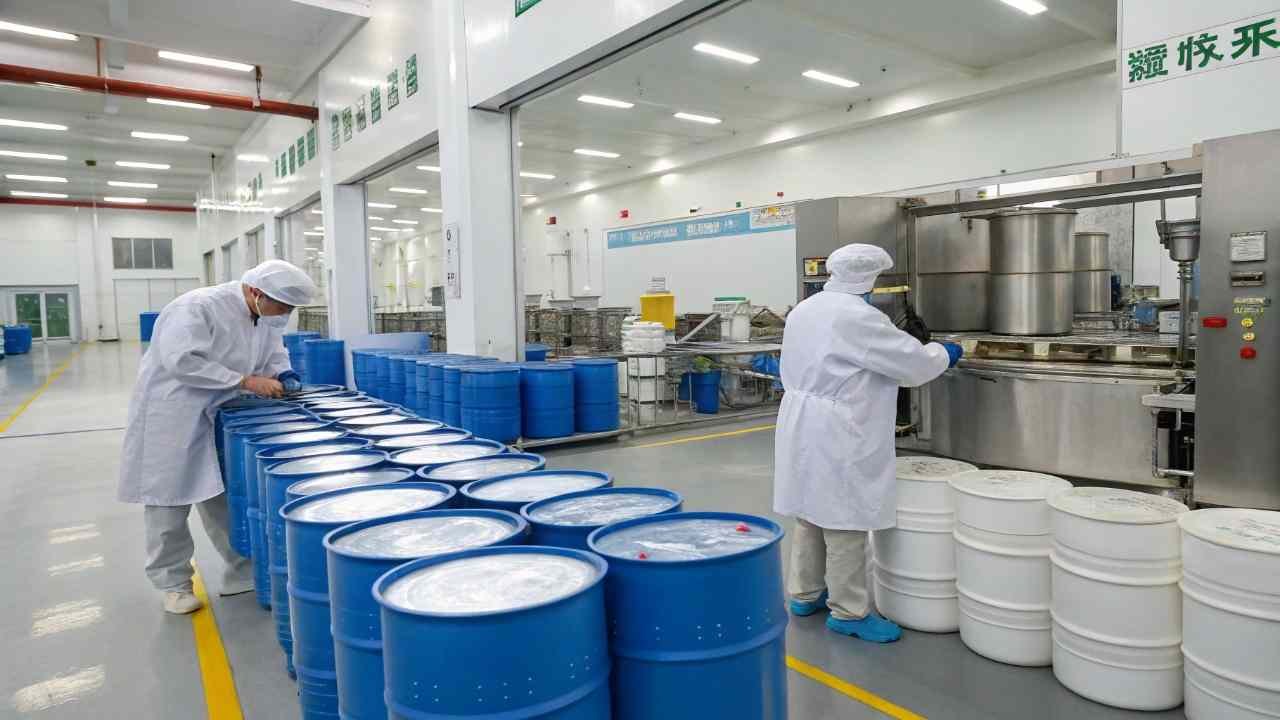
I ensure that every drum of Vitamin B3 has a professional label. The most important information is the batch number. This number connects the drum to the COA. It allows for full traceability. If there is ever a question, we can find the exact production log. The label also must show the net weight, which is usually 25kg. For food-grade vitamins, the label should list the grade clearly. This helps food manufacturers6 in Europe and Asia identify the additive quickly. I check these labels before the goods are loaded into the container. I want to make sure everything is perfect before it leaves China.
Language and storage are also critical technical details. For my clients in Saudi Arabia or UAE, I can include Arabic on the label. This is a requirement for many local health departments. Storage instructions like "Store in a cool and dry place" are mandatory. Vitamin B3 is quite stable, but the label must remind the warehouse staff to keep it in a clean environment. If these instructions are missing, the product might be stored poorly. I help my buyers customize their labels to meet their specific local rules. This attention to detail prevents problems during port inspections and warehouse audits. It keeps your business safe and professional.
Standard Labeling Requirements Table
| Label Element | Requirement | Why It Is Needed |
|---|---|---|
| Product Name | Vitamin B3 (Niacinamide/Niacin) | Basic identification |
| Grade | Food Grade / USP / BP | Regulatory category |
| Batch Number | Unique Code | Traceability & Safety |
| Dates | Production & Expiry | Shelf life management |
| Storage Info | Cool and Dry | Prevents degradation |
| Manufacturer | FINETECH / China | Source identification |
What Are the Risks of Non-Compliant Vitamin B3 (Niacin)?
Non-compliant vitamins lead to cargo destruction and brand death. These risks are too high for any trader. I provide a secure supply chain to protect you from these dangerous situations.
Risks include cargo seizure, heavy financial fines, and legal lawsuits. Non-compliant B3 may have high heavy metal levels or residual solvents. This causes product recalls and a permanent loss of trust from your food manufacturing customers.
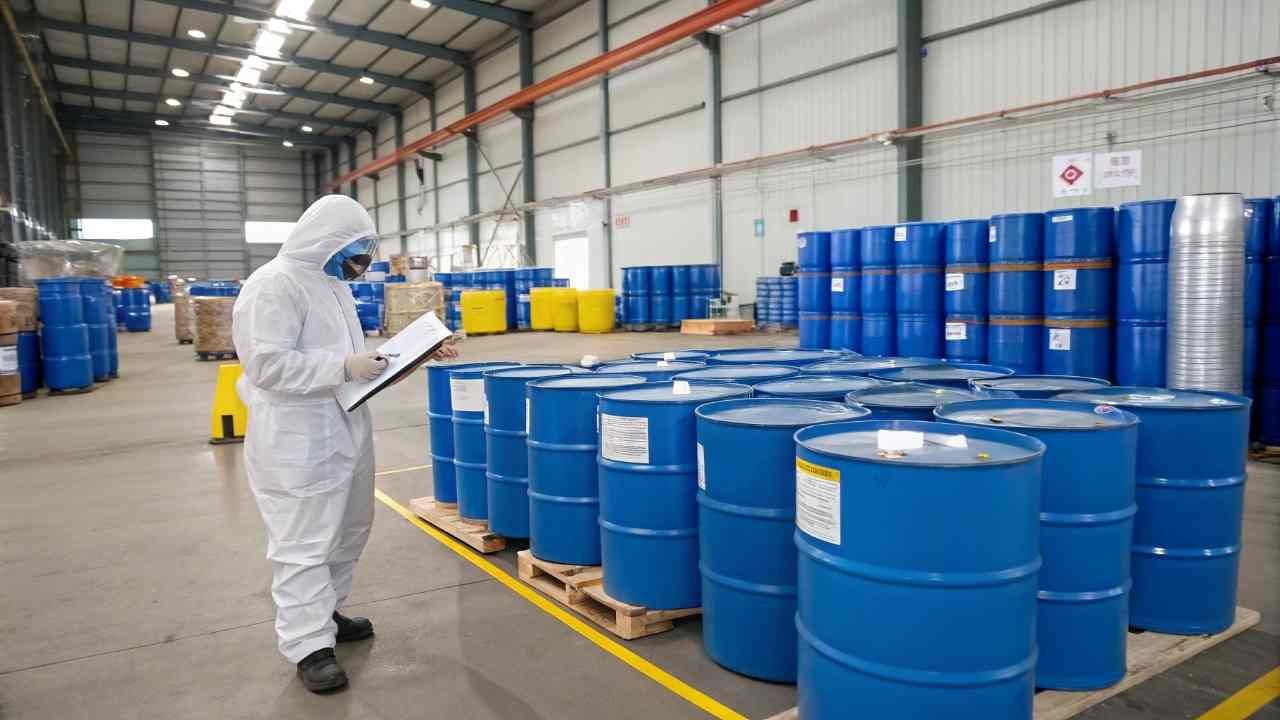
Financial and Legal Consequences
I see that many buyers underestimate the cost of non-compliance. If your Vitamin B3 fails a health test, the government might destroy the whole shipment. You lose the cost of the product and the freight. You also have to pay for the destruction. In Europe and the USA, the fines for selling unsafe additives are very high. These fines can bankrupt a small distributor. Legal lawsuits from food manufacturers are also a risk. If your vitamin ruins their batch of cereal or drinks, they will ask for compensation. I focus on quality oversight to ensure these financial risks never happen to my partners. I am here to protect your profit.
Non-compliant Niacin might have high levels of heavy metals like lead or arsenic. Since Vitamin B3 is made through chemical reactions, purification is the most important step. If a factory skips a step, the final product becomes dangerous. This leads to a public recall. A recall is the worst thing for your brand reputation. Consumers will stop buying your products. Rebuilding trust takes many years. I visit our factories in China to audit their safety systems personally. I review their lab logs for every batch. This deep oversight ensures that the Vitamin B3 I ship is 100% safe and compliant with global laws.
Impact of Non-Compliance Comparison
| Risk Area | Immediate Result | Long-Term Damage |
|---|---|---|
| Customs | Cargo seized or destroyed | Loss of import license |
| Financial | Heavy fines and storage fees | Bankruptcy or lost capital |
| Legal | Lawsuits from customers | Legal bans and penalties |
| Reputation | Product recall | Permanent brand damage |
| Safety | Consumer illness | Loss of market access |
Conclusion
Vitamin B3 trade requires strict adherence to global safety and import rules. I help you navigate these regulations at FINETECH to ensure your procurement is safe, stable, and profitable.
-
WHO/FAO JECFA – Official database for the scientific evaluation of food additives and global safety assessments. ↩
-
World Health Organization (WHO) – Guidelines and safety standards defining the use of food-grade additives in global manufacturing. ↩
-
U.S. FDA – Comprehensive guide on HACCP principles used by technical personnel to manage biological and chemical production risks. ↩
-
IFANCA – Detailed information on the technical requirements and global trade standards for Halal certification. ↩
-
Trade.gov – Official resource explaining the Harmonized System (HS) codes used by trade-oriented businesses for international logistics. ↩
-
Food Processing – An industry hub for food enterprises covering market trends, technology, and manufacturing innovations. ↩