
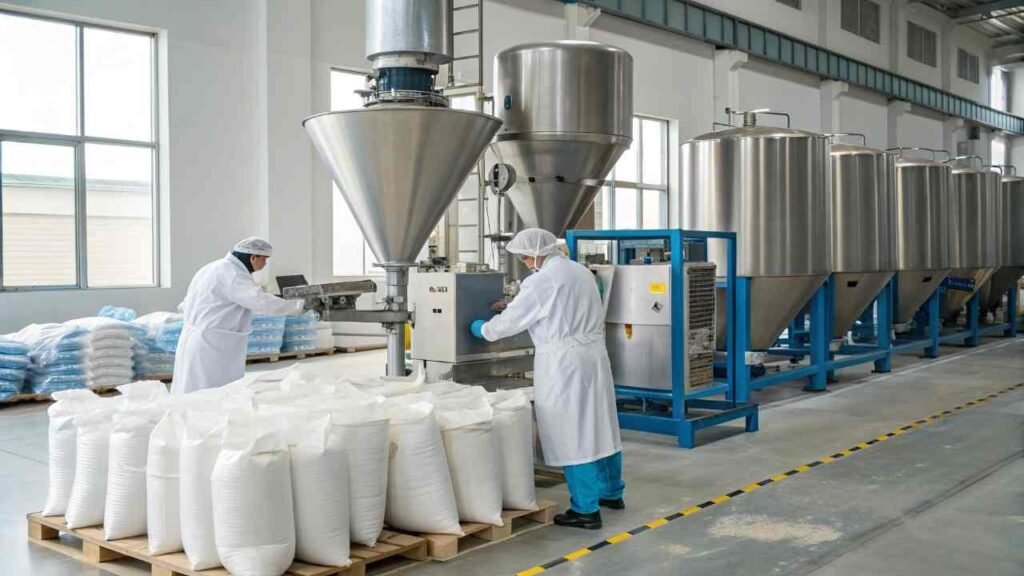
Nutrient deficiency in livestock leads to slow growth and poor immunity. This loss reduces your farm profit. I provide high-purity Vitamin B5 to ensure your animals stay healthy and productive.
Vitamin B5 is essential in animal feed for energy metabolism and tissue repair. It supports the synthesis of Coenzyme A, which is vital for growth, skin health, and egg production. Proper B5 levels prevent skin lesions and improve overall feed conversion rates in poultry and swine.
I manage factory selection and quality oversight for my B2B clients at FINETECH. Understanding the technical role of Vitamin B5 in livestock is the only way to formulate effective feed and grow your business.
What Dosage Levels Are Recommended for Vitamin B5(Pantothenic Acid)?
Incorrect dosing causes wasted money or stunted growth. Both ruin your feed business. I help you follow the right standards to maximize your feed performance and save your budget.
Recommended Vitamin B5 levels vary by species. Poultry usually requires 10-15 mg/kg, while swine needs 10-20 mg/kg. High-producing dairy cows and breeding animals often need higher supplementation to maintain health and ensure reproductive success in commercial farming environments.
Understanding Species Specific Requirements
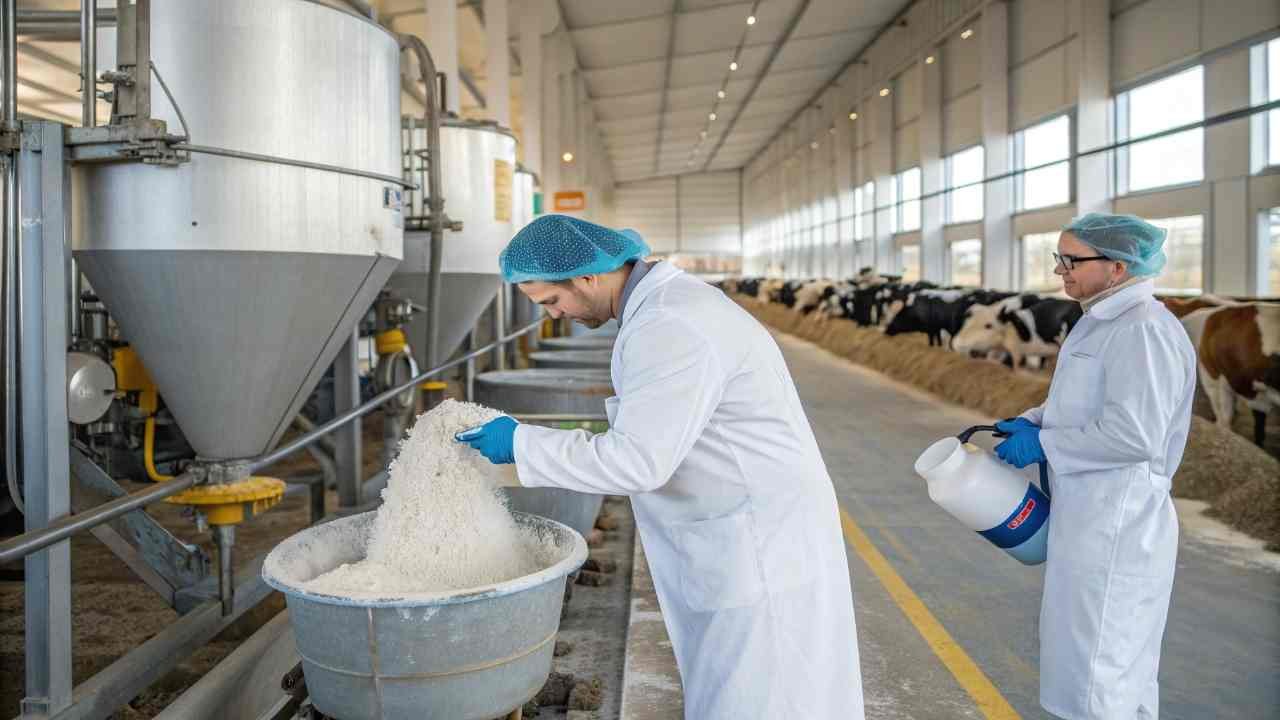
I see that dosage is the first step for feed success. Animals cannot produce Vitamin B5 in their bodies. They must get it from their food. In my experience, poultry is very sensitive to B5 levels. If a chicken does not get 10 mg per kilogram of feed, its growth slows down. For commercial swine1, the requirements are even higher. Growing pigs need more B5 to build muscle and healthy skin. I work with feed mills in Southeast Asia and the Middle East to ensure they use the correct 98% feed-grade powder. This grade provides the most active D-Calcium Pantothenate for the animal.
Environmental factors also change the dosage needs. If the weather is very hot, animals eat less. When they eat less, the concentration of vitamins in the feed must go up. I suggest my buyers in Saudi Arabia and Indonesia add a safety margin to their recipes. This ensures the animals get enough nutrients even during heat stress. Also, breeding animals2 need extra B5 for fertility. For example, laying hens need more B5 to ensure their eggs have high hatchability. I visit our factories in China to ensure the purity is high so your dosage calculations are always accurate. Proper dosing is a technical requirement for modern farming.
Recommended B5 Levels by Animal Category
| Animal Type | Life Stage | Recommended B5 (mg/kg) | Main Benefit |
|---|---|---|---|
| Broiler Chicken | Starter / Grower | 12 - 15 | Bone and muscle growth |
| Laying Hen | Production | 10 - 12 | Egg quality and shell |
| Swine / Pig | Weaning | 15 - 20 | Prevents "goose-stepping" |
| Swine / Pig | Finishing | 10 - 15 | Meat quality |
| Dairy Cow | Lactation | 20 - 50 | Milk yield and hoof health |
How Stable Is Vitamin B5(Pantothenic Acid) During Pelleting?
High heat in feed mills destroys vitamin potency instantly. This waste leaves your animals without nutrients. I supply heat-stable B5 to ensure your feed stays effective after processing for your factory.
Vitamin B5 (D-Calcium Pantothenate) is relatively stable during feed pelleting compared to other vitamins. It can withstand temperatures up to 80-90°C for short periods. However, high moisture and friction can cause some degradation, requiring a small overage in the formulation.
Thermal Resistance and Processing Challenges
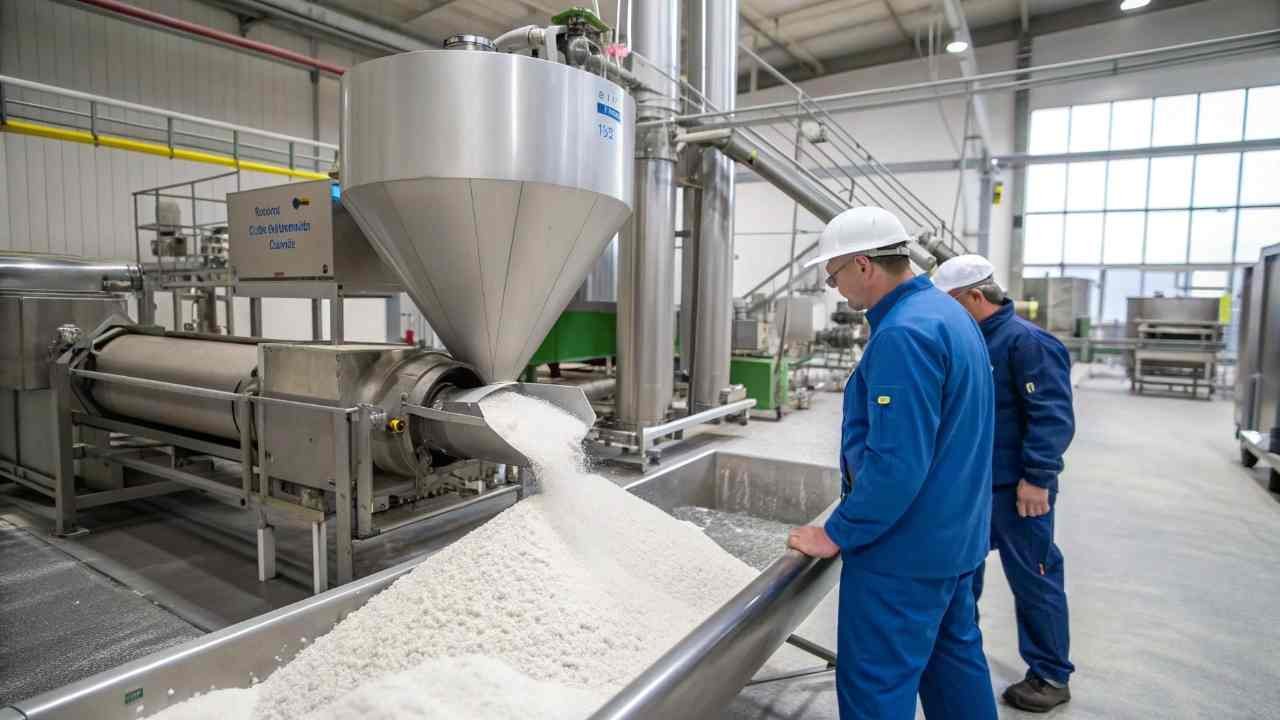
I observe that "stability" is a major technical challenge for feed producers. Feed mills use steam and pressure to make pellets. This process is called pelleting. The temperature often reaches 85°C. Many vitamins, like Vitamin C or A, break down at these levels. But D-Calcium Pantothenate is a salt form. This salt form is more robust than the liquid form. It has a higher melting point. In my experience, about 90% to 95% of the Vitamin B5 remains active after pelleting. This high retention rate makes it an excellent choice for bulk feed production. I select factories that produce a stable crystalline structure to maximize this resistance.
But moisture is still a risk. If the steam in the pellet mill is too wet, the B5 can start to degrade faster. Also, friction from the die can cause local heat spikes. I always advise my clients to add a 10% overage to their formula. This means if you need 10 mg, you add 11 mg. This buffer covers the small loss during manufacturing. I oversee the moisture testing of our B5 batches in China. We ensure the powder is very dry (less than 5% moisture). Dry powder handles the heat of the pellet mill much better. This attention to detail ensures your final feed product meets the nutritional label requirements3 for your customers.
Retention Rates in Common Feed Processes
| Process Type | Temperature Range | Estimated Retention | Risk Factor |
|---|---|---|---|
| Standard Pelleting | 70°C - 85°C | 92% - 96% | Heat and Moisture |
| Expansion / Extrusion | 90°C - 120°C | 85% - 90% | High Pressure |
| Cold Pressing | 20°C - 40°C | 98% - 100% | Minimal Risk |
| Premix Storage | 25°C (Stable) | 95% (after 6 mos) | Mineral Interactions |
| Liquid Application | Room Temp | 80% (over time) | pH Levels |
How Does Vitamin B5(Pantothenic Acid) Improve Feed Efficiency?
Low feed efficiency increases your production costs significantly. Every gram of wasted feed hurts your bottom line. I explain how Vitamin B5 turns feed into meat and eggs faster for your farm.
Vitamin B5 improves feed efficiency by optimizing the metabolism of carbohydrates, proteins, and fats. It is a precursor to Coenzyme A, which helps animals extract more energy from their rations. This results in faster growth and lower feed conversion ratios (FCR) for farmers.
The Metabolic Pathway of Coenzyme A
I see feed efficiency as the most important metric for any animal producer. Vitamin B5 is the core of Coenzyme A (CoA). This molecule is like a key that unlocks energy from food. Without CoA, the animal cannot use the fats or sugars in its diet. It just wastes the feed. When you add high-quality B5 to the ration, the animal's metabolism4 works at 100%. I provide 98% feed-grade material that is highly bio-available. This means the animal's gut absorbs it quickly. Better absorption leads to better growth. For broiler chickens, this can mean reaching market weight two days faster.
Immunity also plays a role in efficiency. A sick animal does not grow. Vitamin B5 supports the production of antibodies. These antibodies fight off infections in the barn. When the animal is healthy, it uses all its energy for growth instead of fighting disease. I have seen this results in a lower Feed Conversion Ratio (FCR). A lower FCR means you use less feed to produce one kilogram of meat. This saving is how my buyers in Korea and Germany stay profitable. I manage the quality of our B5 to ensure it is free from contaminants5. Pure B5 is a technical requirement for a high-performance metabolic system in livestock.
Economic Impact of Vitamin B5 on FCR
| Performance Metric | Low B5 Group | Optimal B5 Group | Business Result |
|---|---|---|---|
| Avg. Daily Gain (g) | 550 | 610 | Faster turnover |
| Feed Conversion (FCR) | 2.1 | 1.9 | 10% Feed saving |
| Mortality Rate | 4.5% | 2.0% | Lower animal loss |
| Egg Production (%) | 82% | 89% | More units to sell |
| Treatment Costs | High | Low | Lower vet bills |
How Is Vitamin B5(Pantothenic Acid) Used in Premix Formulations?
Poor mixing leads to uneven nutrient distribution in your feed. Some animals get too much, while others get too little. I provide the right mesh size for perfect premix homogeneity for your factory.
In premix formulations, Vitamin B5 is added as a concentrated powder. It is blended with carriers like corn cob or calcium carbonate. Standard 98% feed-grade material is preferred because its particle size ensures even distribution throughout the final feed batch without segregation.
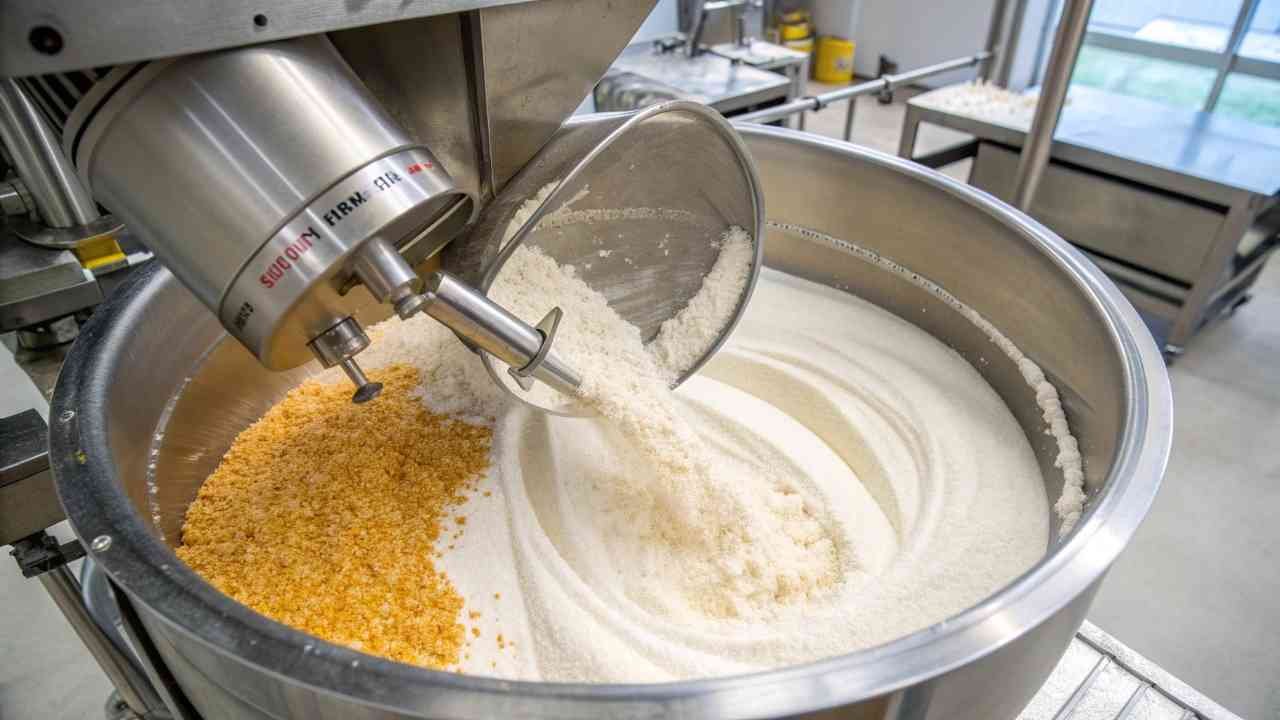
Carrier Selection and Blending Homogeneity
I work with many premix manufacturers in Southeast Asia. I see that blending is a technical art. Vitamin B5 is a fine powder. To make a premix, you mix it with a carrier. Common carriers are calcium carbonate or rice husks. I ensure that my Vitamin B5 has a consistent mesh size (usually 80 to 100 mesh). This matches the particle size of the carrier. If the particles are the same size, they stay together. If they are different, the vitamins sink to the bottom. This is called segregation. Segregation ruins the quality of your premix. I check the sieve analysis for every batch in China to prevent this.
Also, we must consider the chemical interaction. Premixes often contain trace minerals like copper and iron. These minerals are "oxidants." They can attack vitamins and reduce their potency. Vitamin B5 as a calcium salt is very stable against these minerals. It does not react easily. This gives your premix a long shelf life of 12 to 24 months. I manage the packaging in double PE liners to block moisture. Moisture is the "fuel" for chemical reactions in a premix. By keeping the powder dry, I ensure your premix stays potent until it reaches the final feed mill. This reliability is why traders in Russia and Greece trust my supply.
Premix Formulation Standards
| Component | Function | Typical Inclusion | Requirement |
|---|---|---|---|
| Vitamin B5 (98%) | Active Nutrient | 1% - 5% | High Purity |
| Carrier (e.g. CaCO3) | Volume and Flow | 80% - 90% | Dry and Clean |
| Anti-Caking Agent | Prevents Clumps | 1% - 2% | Food Grade |
| Mineral Stabilizer | Protects Vitamins | 0.5% | Technical Grade |
| Packaging | Moisture Barrier | N/A | Double PE Liner |
How Does Feed Industry Demand Affect Vitamin B5(Pantothenic Acid) Trade?
Sudden demand spikes in the feed industry cause price bubbles. You might run out of stock or overpay. I help you monitor these livestock trends to secure your supply and protect your profit.
The animal feed industry consumes over 75% of global Vitamin B5. Changes in livestock populations or disease outbreaks directly shift global trade prices. High demand in China or the USA often tightens supply for food-grade buyers internationally, leading to market volatility.
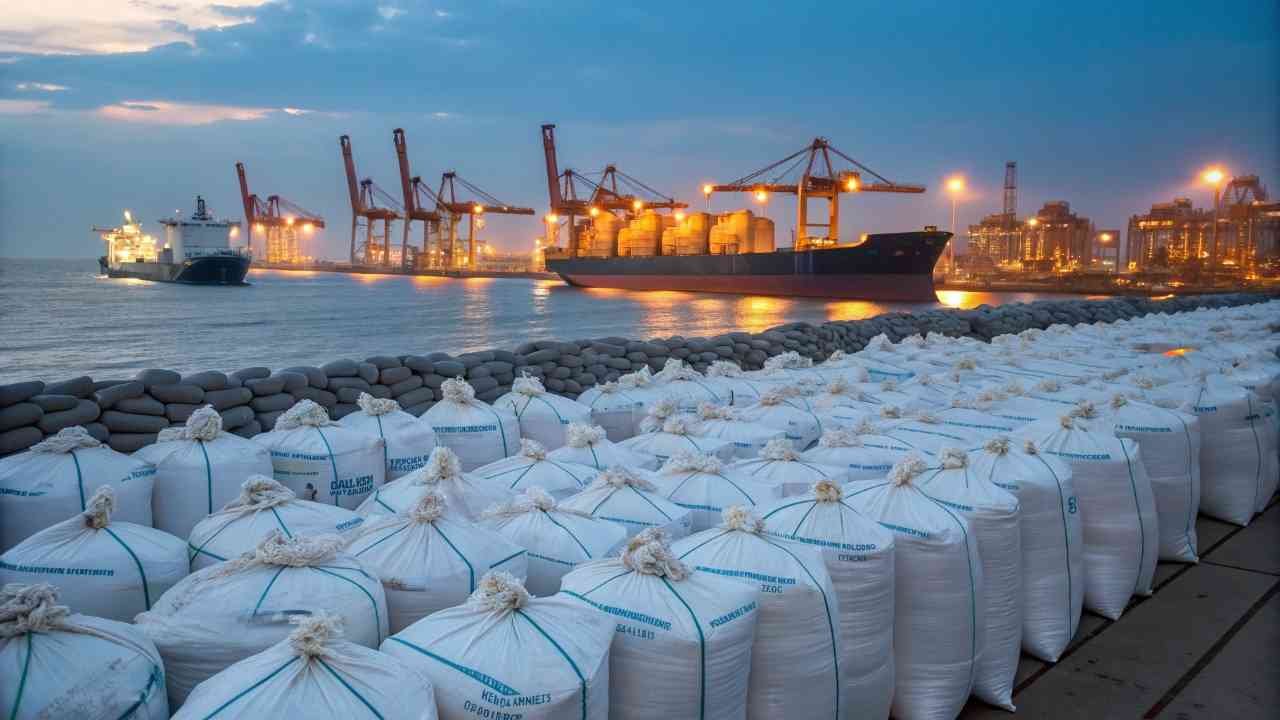
Swine and Poultry Cycles in China
I want you to understand that the feed market is the price setter for Vitamin B5. China has the largest pig and chicken population in the world. When the Chinese pig price is high, farmers grow more pigs. They buy more feed and more Vitamin B5. This huge demand can empty the factory warehouses in weeks. I track the "Pig-to-Grain Ratio" in China every week. This data tells me when the demand for B5 will spike. I tell my regular buyers to buy their stock early. This proactive management is how I save my clients from the "price peaks" that hurt other traders.
Disease is another big factor. If there is an outbreak of Avian Flu or African Swine Fever, the demand for B5 drops instantly. Farmers stop buying feed because their animals are gone. This creates a surplus in the market. During these times, the price of Vitamin B5 can drop by 30% in one month. I act as your eyes on the ground to find these "price bottoms." This is the best time to sign an annual contract. By understanding the link between the barn and the market, I help you make smart procurement decisions. My focus on industry data ensures you always have a competitive price for your wholesale business.
Demand Drivers in International B5 Trade
| Demand Factor | Origin | Impact on Price | Probability |
|---|---|---|---|
| Chinese Swine Boom | Domestic China | Sharp Increase | Moderate |
| Global Poultry Growth | SE Asia / Brazil | Steady Increase | High |
| Feed Disease (ASF) | Global / Regional | Sharp Decrease | Low |
| Corn / Glucose Price | Petrochemical | Steady Increase | Moderate |
| Env. Audits (China) | Government Policy | Sharp Increase | Moderate |
Conclusion
Vitamin B5 is a vital nutrient for livestock health, feed efficiency, and metabolic performance. I manage the supply chain from China to ensure your business gets top-quality material at competitive prices.
-
National Pork Board – Professional swine nutrition guide detailing the specific dietary requirements for commercial pig farming. ↩
-
WATT Poultry – Technical analysis of how vitamin supplementation affects the fertility and productivity of breeding animals in poultry farming. ↩
-
FDA – Official resource defining nutritional label requirements and regulatory standards for ingredients and additives in the food chain. ↩
-
ScienceDirect Metabolism – Technical overview of animal metabolism pathways and the role of nutrients in energy conversion. ↩
-
Food Safety Magazine – Technical article on managing chemical contaminants to ensure safety standards for food enterprises and feed producers. ↩