
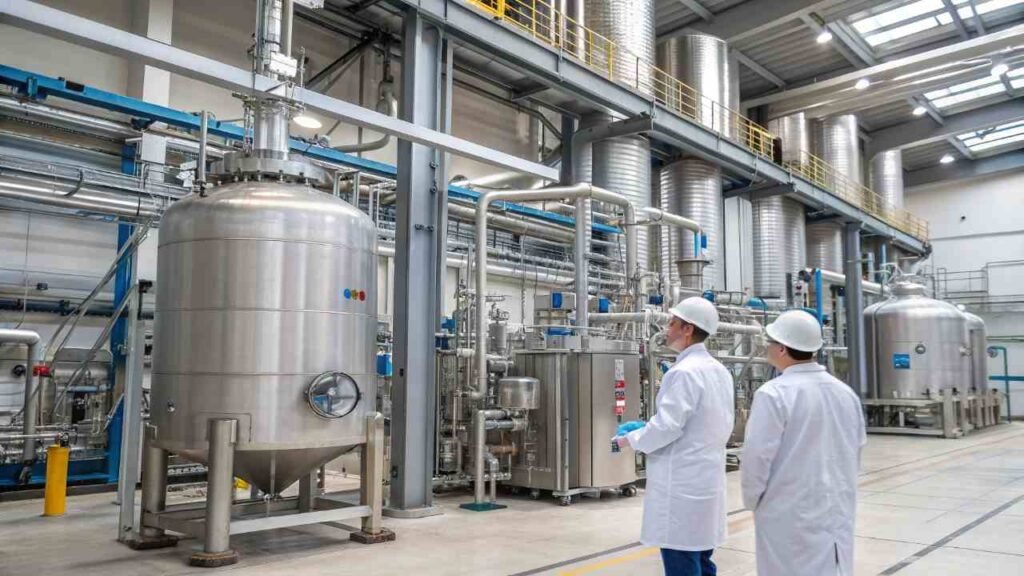
High Vitamin B5 costs drain your profits. Price volatility makes budgeting impossible. I help you lower procurement expenses with technical strategies regarding cost drivers for your business.
The cost structure of Vitamin B5 depends on petrochemical raw materials, synthesis energy, and environmental compliance costs. These elements determine the base price in China, influenced by global energy markets, production scale, and regulatory requirements.
I manage factory selection and quality oversight for my B2B clients at FINETECH. I want to explain the technical data and elements of B5 costs so you can plan your buying strategy better.
How Much Do Raw Materials Contribute to Vitamin B5 (Pantothenic Acid) Cost?
Hidden material costs eat your margins. Suppliers hide the real truth. I reveal true raw material impacts on pricing.
Raw materials account for roughly 50% of Vitamin B5 cost. Isobutyraldehyde and beta-alanine are primary inputs. Cost fluctuates with global petrochemical trends and the chemical supply chain in China.
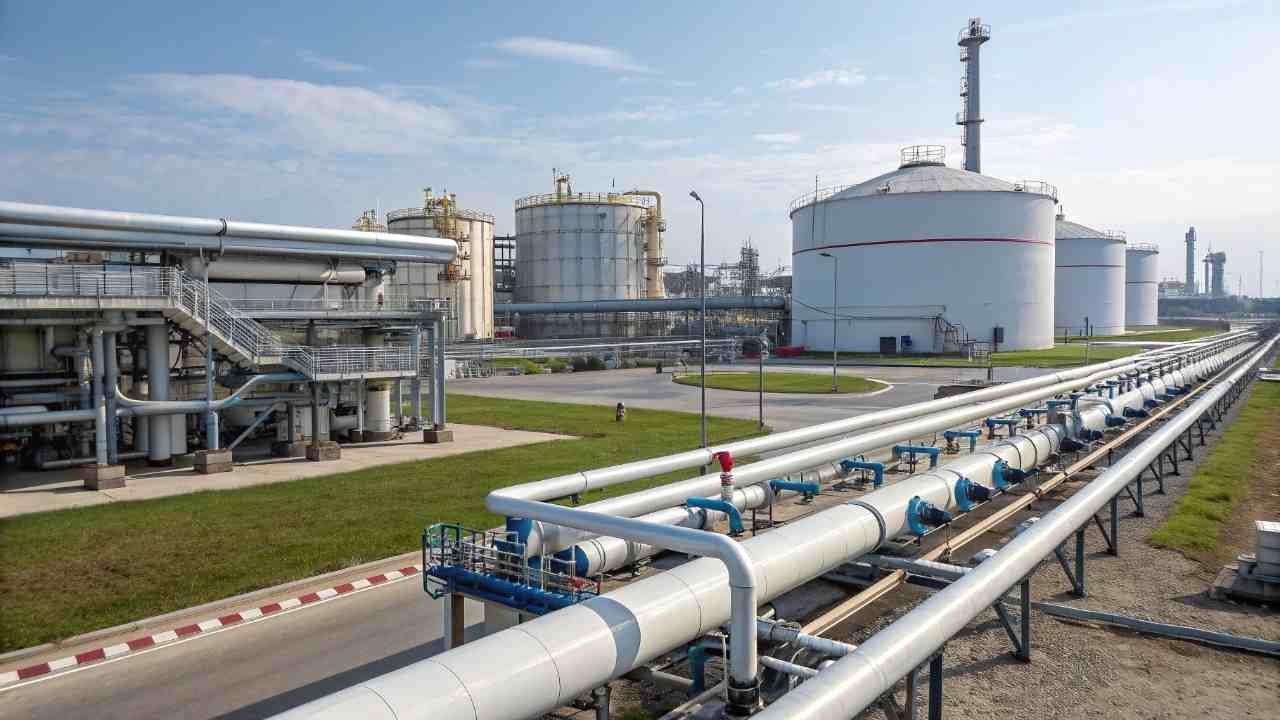
Raw Material Breakdown and Chemical Synthesis
I see that Vitamin B5 production starts deep in the chemical sector. The main materials are isobutyraldehyde1, formaldehyde, and beta-alanine. Factories mix isobutyraldehyde and formaldehyde to create an intermediate called pantoaldehyde. They then convert this to racemic pantoic acid. Then they resolve this acid to get the active D-isomer. This D-isomer is then reacted with beta-alanine to create D-Calcium Pantothenate. I monitor the prices of isobutyraldehyde and beta-alanine daily. If isobutyraldehyde prices rise, the cost of B5 rises. This is because isobutyraldehyde comes from crude oil. It is very sensitive to global oil markets.
I want you to know that beta-alanine is also a high cost factor. This amino acid requires high-tech chemical synthesis. If the amino acid market faces demand shocks, B5 prices jump. I select factories that have integrated production2. They produce their own intermediates to block market shocks. They buy these chemicals in huge tonnage. This volume gives them price locks. The last raw material is the resolution agent. Factories use this to separate the active D-form from the inactive L-form. This is a very expensive chemical. If the resolution agent market fluctuates, it alters the cost by a few percentage points. I oversee these upstream material contracts for my buyers to keep the prices stable.
| Raw Material | Primary Contribution | Market Origin | Cost Volatility |
|---|---|---|---|
| Isobutyraldehyde | 25% | Petrochemical Industry | High |
| Beta-Alanine | 15% | Chemical Synthesis | Moderate |
| Resolution Agents | 5% | Specialty Chemical | Moderate |
| Formaldehyde | 3% | Industrial Gas | Low |
| Calcium Salts | 2% | Mineral Processing | Low |
How Do Labor and Energy Influence Vitamin B5 (Pantothenic Acid) Pricing?
Energy spikes create sudden price shocks. You cannot afford to lose your margins. I detail energy impacts for you.
Energy for heating and chemical synthesis makes up 25% of B5 costs. Labor is 10%. Energy costs follow Chinese coal and gas prices, directly affecting factory gates.
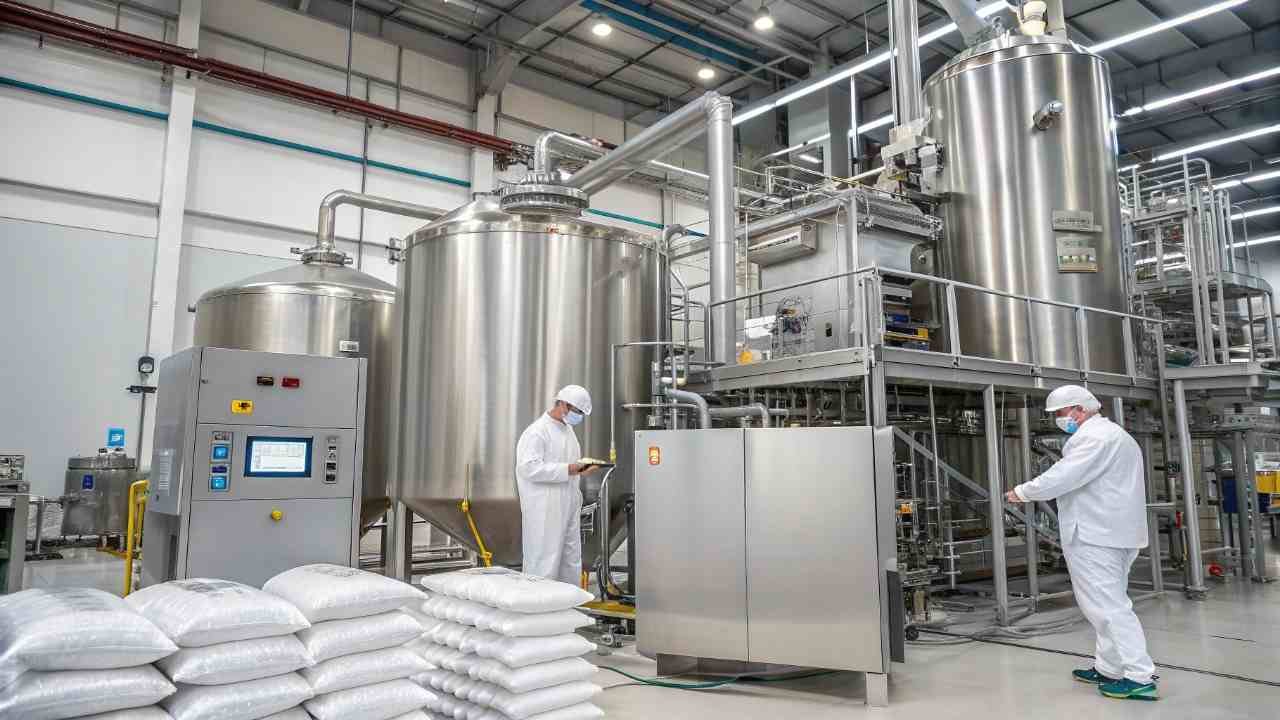
Energy Intensive Production and Labor Impact
I observe that chemical synthesis is very energy intensive. Factories use many reaction tanks. These tanks need heating to high temperatures for long hours. This steam and heat requires coal or gas boilers. I track the coal index in Chinese provinces. When coal prices go up, steam costs rise. The factories then pass these costs to me. Spray drying is another huge energy user. To turn the liquid vitamin into a dry powder, factories push it through giant spray dryers. These dryers use massive amounts of electricity and hot air. I visit factories to see their heat recovery systems. Smart factories recycle hot air to heat the incoming air. This lowers their electricity bill.
Labor is a smaller cost, but it still matters. Automation3 is the technical rule now. I audit factories to see their DCS (Distributed Control System) rooms. A DCS system runs the whole synthesis process with computers. This system replaces dozens of workers. This automation lowers the cost per kilogram. It also prevents human error. A manual factory has high labor costs and high error rates. Errors result in spoiled batches. Spoiled batches destroy the profit of the factory and raise the base price for everyone. I select factories with full automation. This ensures labor costs stay low. You pay for technology efficiency, not manual human work.
| Energy / Labor Component | Cost Percentage | Nature of Cost | Efficiency Factor |
|---|---|---|---|
| Process Steam / Heat | 15% | Variable | Boiler efficiency |
| Electrical Power | 10% | Variable | Spray drying tech |
| Direct Labor | 8% | Fixed | Automation level |
| Maintenance Labor | 2% | Fixed | Equipment lifespan |
| Admin Labor | 1% | Fixed | Management scale |
How Do Compliance Costs Affect Vitamin B5 (Pantothenic Acid) Export Prices?
Failed audits cause shipping stops. Off-spec goods cost you money. I break down compliance costs for your business.
Compliance costs add 10% to B5 prices. They include waste treatment, lab testing, and ISO certifications. Strict green laws in China raise costs, yet secure your supply chain.
Environmental and Certification Costs
I want you to understand that green production4 is now mandatory in China. Vitamin B5 production creates toxic by-products. Factories must run expensive waste water treatment plants. They must clean the air with carbon scrubbers. These facilities use vast amounts of power. I calculate the waste treatment cost as 6% of the final product price. If a factory does not pay for this, the government will close them. I audit partner factories to ensure their waste permits are active. I avoid buying from plants that skip these costs.
Certification costs are the other side. You need ISO 22000, HACCP, and GMP5. Maintaining these papers requires external audits. The auditors charge high fees to inspect the factory. Lab testing adds to the cost. Factories must run HPLC machines on every batch. They must keep retainer samples. They must also pay for SGS inspections during export. These are technical costs. They are not free. I check if factories have the correct documentation for European, Middle Eastern, and Southeast Asian markets. A cheap supplier lacks these documents. You cannot export the goods without these papers. Compliance is not a waste. It is your insurance.
| Compliance Area | Estimated Cost Impact | Purpose | Risk of Skipping |
|---|---|---|---|
| Waste Treatment | 6% | Pollution cleaning | Factory Shutdown |
| Analytical Lab Testing | 2% | Purity assurance | Batch rejection |
| Certifications | 1% | Market entry papers | Customs block |
| Export Inspections | 1% | Cargo verification | Financial fraud |
| Environmental Audits | 1% | Gov. compliance | Business ban |
How Does Scale Production Reduce Vitamin B5 (Pantothenic Acid) Costs?
Small factories cannot maintain stable pricing. Their supply fails often. I explain factory scale effects for you.
Large scale operations lower unit costs by 15%. Batch sizes, integrated supply chains, and solvent recycling bring true efficiency to the production floor.
Economies of Scale in Chemical Manufacturing
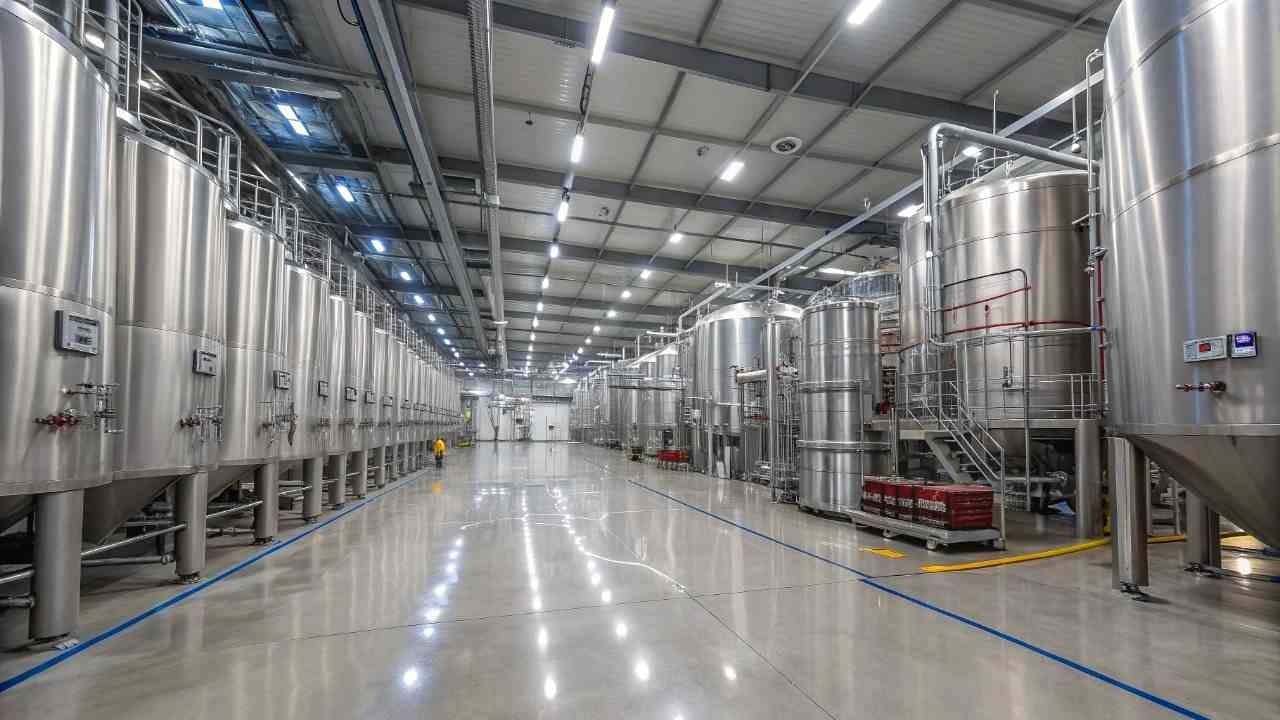
I see that scale changes the whole price dynamic. Small factories make B5 in small tanks. They clean tanks very often. Cleaning wastes time. It wastes solvents. Large factories use giant stainless steel reactors. These reactors hold thousands of liters. They run continuous flow reactions. They make huge tons of product with few staff members. This lowers the labor cost per kilogram. It lowers the utility cost per kilogram. I prioritize these large chemical park partners. They have access to cheap steam and power because they share the costs with other large plants in the park.
Integrated supply chain is part of scale. Large factories make their own intermediates. They do not buy picoline from the open market. They run their own pyridine plants next door. This removes the distributor markup from their own costs. Large factories also run solvent recycling. In the synthesis step, they use large amounts of alcohol and acid. Small factories burn this waste. Large factories have giant distillation towers6. They distill the solvent. They reuse it for the next batch. This solvent recovery saves millions of Yuan every year. I calculate this saving. I translate it into the competitive price I give you. Buying from a large scale plant ensures you are not paying for waste.
| Scale Parameter | Small Factory | Large Factory | Cost Differential |
|---|---|---|---|
| Reaction Tank Volume | 2,000 L | 20,000 L | 15% lower |
| Batch Frequency | Low | High | 10% lower |
| Solvent Recovery Rate | 60% | 98% | 8% lower |
| Intermediates | Bought from market | Self-produced | 12% lower |
| Staff per Ton | High | Low | 5% lower |
How Can Buyers Analyze the Total Cost of Vitamin B5 (Pantothenic Acid)?
Unclear landed costs ruin your profits. You need clear accounting. I show you how to calculate.
Analyze total cost by adding unit price, freight, insurance, and customs duties. Landed cost is key. I help my clients calculate the total landed cost to ensure margins are protected.
Total Landed Cost Calculation
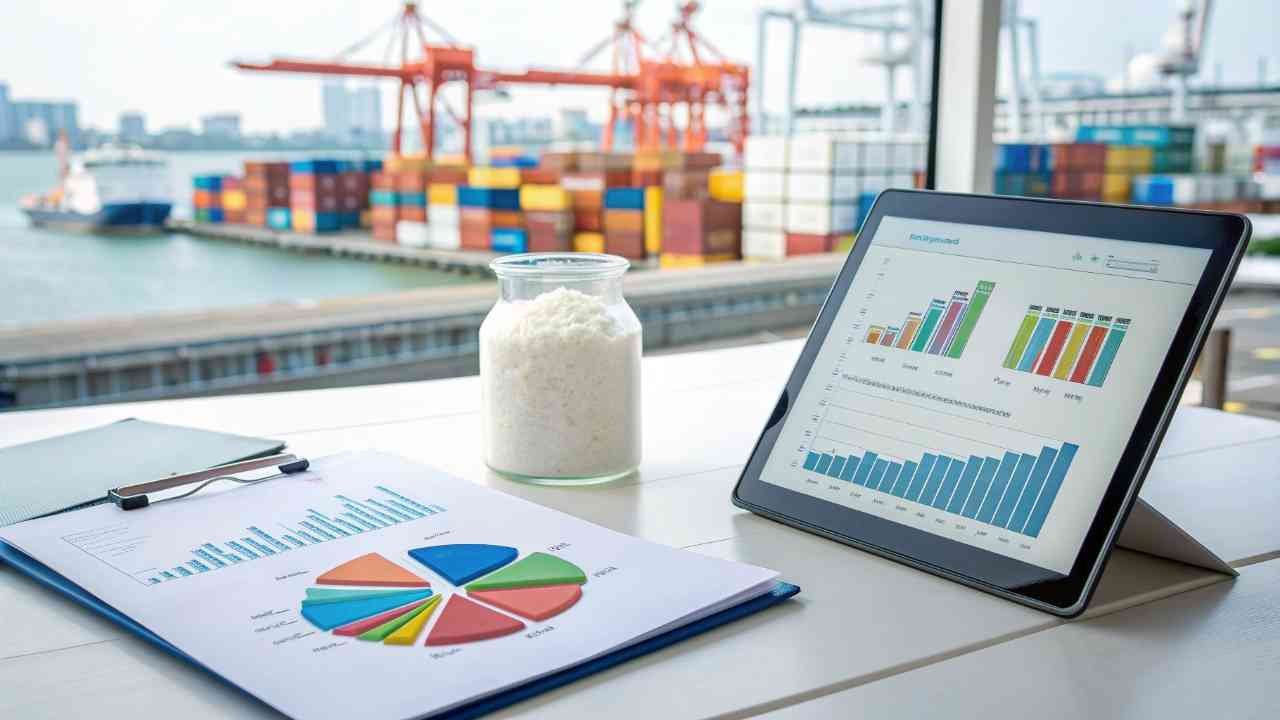
I want you to know that unit price is not the only cost. You must look at the total landed cost. Landed cost is the price of the goods at your warehouse door. First is the factory price per kg. Then is the ocean freight. Freight varies by season. LCL (Less than Container Load) freight is very expensive. FCL (Full Container Load) freight is cheap. I suggest my buyers always order full containers. Next is marine insurance. This is cheap but vital. I negotiate this for you. Lastly is customs duties. You must know your country's import tax. Some countries have trade agreements with China. These lower your tax.
I observe that many wholesalers forget port fees. Port fees are massive. They include terminal handling charges. They include port storage. If your documents are late, you pay storage fees per day. These fees destroy your margins. I streamline documents. We use telex release. This gets the goods fast. It removes storage fees. You must also factor in warehouse costs. Vitamin B5 clumps in heat. If you store it without air conditioning, it clumps. Caked B5 has zero value. You must add the cost of climate control to your product cost. I provide all shipment tracking data. This allows you to plan warehouse space and labor. Total cost accounting is the only way to grow a wholesale business.
Conclusion
Understanding B5 cost structure helps you negotiate fair prices. I help you manage these costs at FINETECH for reliable profits.
-
PubChem – Detailed chemical profile and safety data for isobutyraldehyde, a key precursor in food additive synthesis. ↩
-
BASF – Explanation of the "Verbund" concept, detailing how integrated production creates efficiency and sustainability in the chemical industry. ↩
-
Rockwell Automation – Technical solutions for food and chemical plants focusing on industrial automation and control systems for technicians. ↩
-
UNEP – A report on green production and economy, explaining the impact of environmental policies on global trade orientation. ↩
-
ISO – The official international standard for food safety management, essential for compliance in food enterprises and additives trade. ↩
-
ScienceDirect – Engineering reference for technical personnel explaining the role of distillation towers in chemical purification and solvent recovery. ↩