Unsafe chemical waste stops your Vitamin B5 supply. Pollution leads to sudden factory shutdowns in China. I vet suppliers for green compliance to keep your business safe and stable.
Vitamin B5 production sustainability depends on advanced waste water treatment and energy-efficient chemical synthesis. Modern Chinese factories use biological resolution and solvent recycling to reduce environmental impact. Compliance with strict national environmental laws ensures long-term supply security for international wholesale buyers.
I manage factory selection and quality oversight for my B2B clients at FINETECH. I want to explain the technical facts about sustainability in the Vitamin B5 industry to help you protect your supply chain.
How Is Waste Managed in Vitamin B5 (Pantothenic Acid) Manufacturing?
Improper waste disposal causes legal bans and cargo delays. Hidden pollution risks ruin your brand reputation. I ensure our partner factories use high-tech treatment systems to manage chemical byproducts.
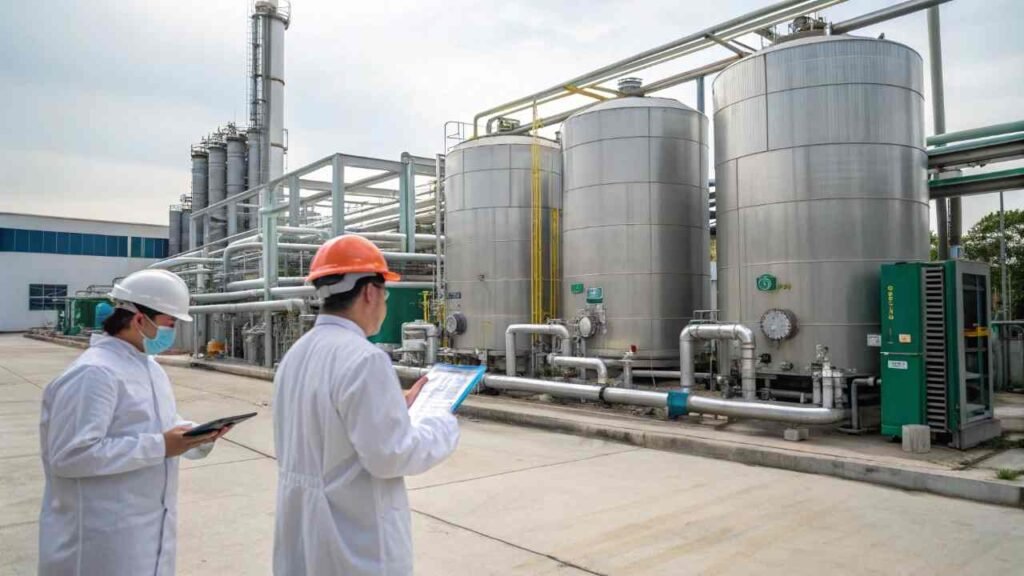
Waste in Vitamin B5 manufacturing is managed through closed-loop solvent recovery and specialized wastewater treatment plants. Chinese factories must meet COD (Chemical Oxygen Demand) limits. They use distillation to reuse solvents, significantly reducing the chemical volume released into the environment.
Technical Waste Management Processes
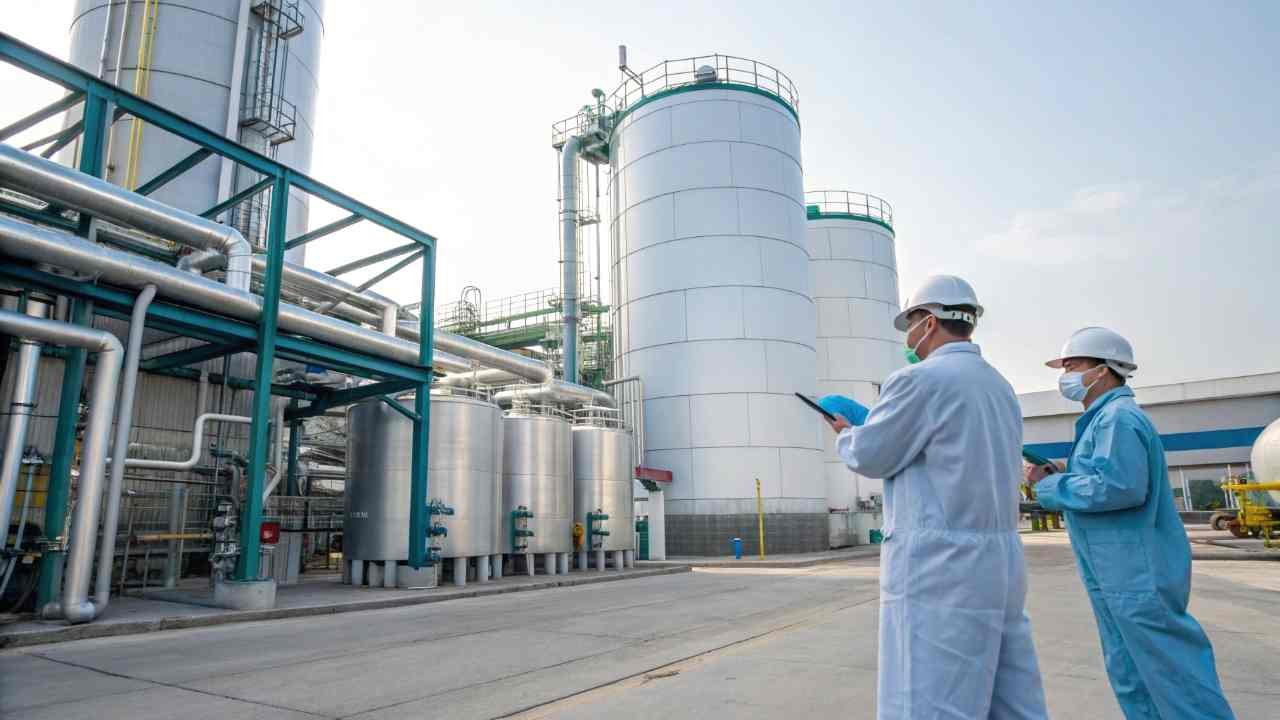
I see that "Green Production" is now a mandatory rule in China. Vitamin B5 is made through complex chemical synthesis. This process creates byproducts like nitrogen-heavy water and organic solvents. I visit our partner factories to check their waste treatment plants. A reliable factory must have a multi-stage water cleaning system. They use biological filters and chemical oxidation to remove toxins. If a factory fails to clean its water, the government will close its valves in one day. I only work with producers who have a valid discharge permit1. This oversight prevents sudden supply stops that could hurt your business.
I also track solvent recovery. Synthesis uses large amounts of alcohols and acids. In the past, factories would burn these as waste. This was bad for the air and very expensive. Now, smart factories use giant distillation towers. They catch the used solvent and clean it. Then they pump it back into the reaction tanks. This "closed-loop" system is a technical requirement for modern chemical parks. It lowers the cost per kilogram of Vitamin B5. It also keeps the air clean. I prioritize these high-tech factories for my wholesale buyers. It is the only way to ensure a stable and ethical supply for the global food industry.
Comparison of Waste Treatment Technologies
| Waste Type | Traditional Method | Modern Sustainable Method | Business Result |
|---|---|---|---|
| Organic Solvents | Incineration | Distillation and Reuse | Lower unit costs |
| Process Water | Basic Neutralization | Biological Nitrogen Removal | No government audits |
| Solid Catalyst | Landfill Disposal | Regeneration and Recycling | Lower material waste |
| Exhaust Gas | Direct Venting | Activated Carbon Scrubbers | Clean air compliance |
| Heat Waste | Atmospheric Release | Heat Exchanger Recovery | Lower electricity bills |
Can Carbon Emissions Be Reduced in Vitamin B5 (Pantothenic Acid) Production?
High carbon taxes will soon increase your procurement costs. Energy-heavy production threatens your profit margins. I track factory energy use to find efficient suppliers who lower your financial risk.
Carbon emissions in Vitamin B5 production can be reduced by switching to natural gas, installing heat-recovery systems, and using high-yield catalytic processes. These technologies lower the electricity needed per ton of D-Calcium Pantothenate, decreasing the overall carbon footprint of the final product.
Energy Efficiency and Emission Reduction
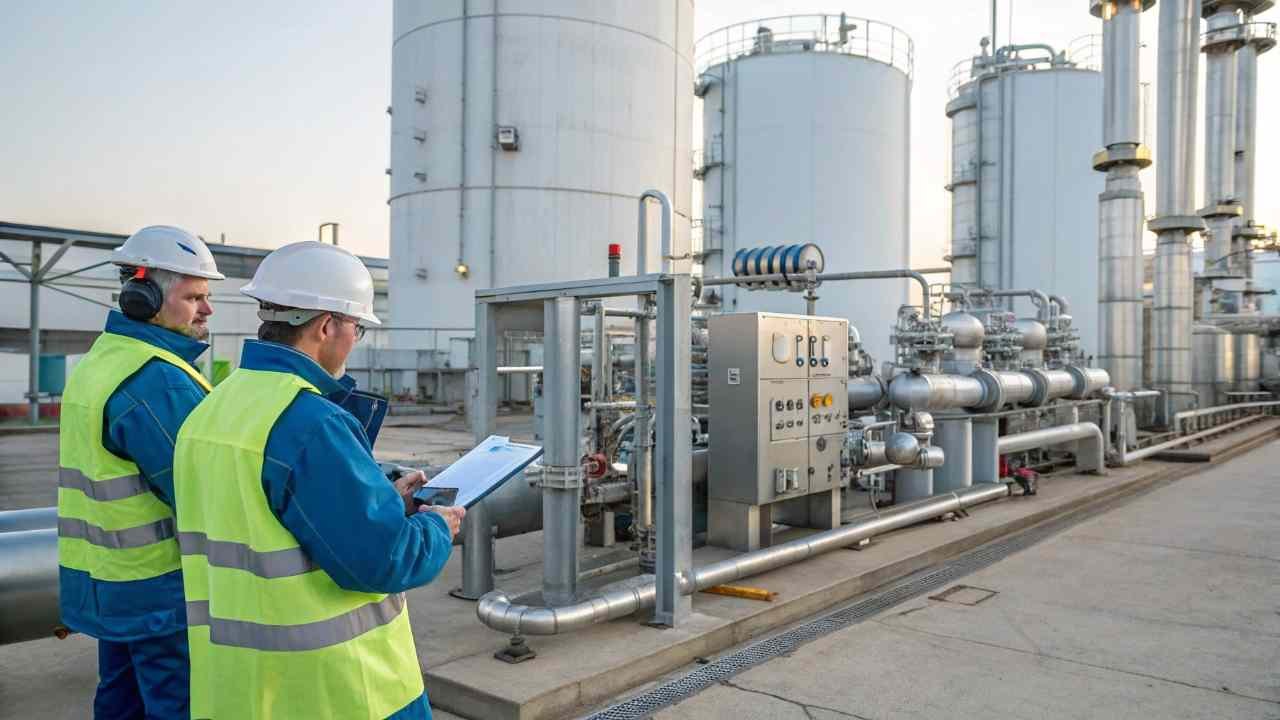
I want you to understand that Vitamin B5 production is energy intensive. The fermentation and synthesis tanks must stay hot for many hours. This heat usually comes from coal-fired steam. In China, many factories are now switching to natural gas or electricity from renewable sources. I monitor the energy sources of our suppliers. Using natural gas reduces CO2 emissions by 30%. I also look for factories that use "Continuous Flow2" technology. Traditional batch production wastes energy because you must heat and cool the tanks for every batch. Continuous lines run 24/7 at a stable temperature. This is a technical fact that saves a lot of carbon.
Spray drying is another area for improvement. This step turns liquid Vitamin B5 into a dry powder. It uses a massive amount of hot air. I audit factories to see if they use "waste heat recovery." This technology catches the hot air leaving the dryer and uses it to heat the incoming air. It reduces the total energy bill by 15%. For my clients in Europe and Korea, these carbon facts are very important. They need to report the "Product Carbon Footprint" (PCF). I help my buyers get this data from the factory. By choosing energy-efficient producers, I help you stay ahead of new carbon laws and protect your profit margins.
Energy Saving Impact on Production
| Upgrade Feature | Energy Source | CO2 Reduction (est) | Production Impact |
|---|---|---|---|
| Natural Gas Boiler | Natural Gas | 30% | Stable steam supply |
| Heat Exchangers | Captured Heat | 15% | Lower utility costs |
| Continuous Flow | Electricity | 20% | Higher batch consistency |
| Solar Power Array | Renewable | 10% | Hedge against power limits |
| LED & VFD Motors | Electricity | 5% | Lower maintenance |
How Do ESG Standards Affect Vitamin B5 (Pantothenic Acid) Suppliers?
Ignoring ESG standards leads to failed audits from large companies. Poor social compliance stops your sales in Europe. I select factories that follow international ESG rules to protect your market access.
ESG standards affect Vitamin B5 suppliers by requiring transparent reporting on environmental safety, labor rights, and governance. Many Chinese manufacturers now undergo EcoVadis or SEDEX audits. This proof of sustainability is mandatory for selling to large global distributors and food brands.
The Role of ESG in Global Trade
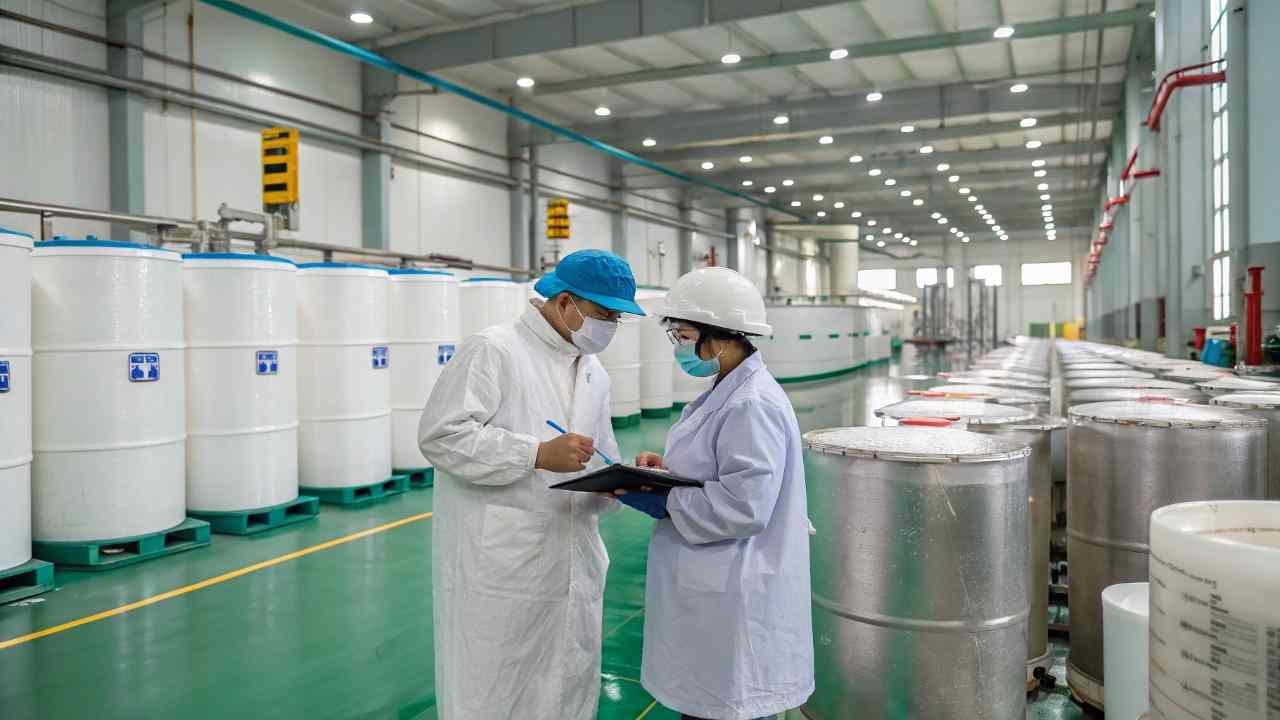
I see that ESG (Environmental, Social, and Governance) is no longer optional. My buyers in Germany and the UK must follow the "Supply Chain Due Diligence Act." This law says they are responsible for the environment and labor conditions in China. I help them by selecting factories that have ESG certifications. I check for SEDEX3 (Supplier Ethical Data Exchange) reports. These reports prove the factory pays fair wages and has a safe working environment. I also look for EcoVadis scores. A high score means the factory is a leader in sustainability. This documentation is a technical requirement for doing business with multi-national companies.
Governance is also part of my audit process. I look for factories with transparent management and clear safety protocols. A factory with good governance has fewer accidents. Fewer accidents mean fewer production delays for you. I also check for "Corruption Prevention" policies. I want to work with professional teams who follow the law. I act as your eyes on the ground in China to ensure your suppliers are not just green, but also ethical. This reduces your brand risk. If a supplier is caught using child labor or dumping chemicals, your brand dies. I use my location in China to prevent these risks before they happen. ESG is your insurance for a long-term business.
Critical ESG Indicators for Vitamin Suppliers
| ESG Pillar | Key Indicator | Factory Requirement | Buyer Benefit |
|---|---|---|---|
| Environmental | COD / CO2 levels | Below government limits | Supply continuity |
| Social | Labor Safety | Zero workplace accidents | No legal liabilities |
| Governance | Audit Transparency | Annual 3rd party reports | Trust and reliability |
| Environmental | Solvent Recovery | > 95% recovery rate | Lower base prices |
| Social | Wage Standards | Above local minimums | Stable workforce |
Are Buyers Requesting Sustainable Vitamin B5 (Pantothenic Acid)?
Customers now demand green ingredients. Using "dirty" vitamins loses you market share to ethical competitors. I provide technical data on factory sustainability to help you meet your clients' demands and grow.
Yes, international buyers are increasingly requesting sustainable Vitamin B5. Large wholesalers in Europe and North America prioritize suppliers with green certifications. This trend is driven by consumer demand for ethical supply chains and corporate commitments to net-zero carbon targets.

Changing Market Preferences
I observe a big shift in the Middle East and Southeast Asia. In the past, only the price mattered. Now, large company buyers ask for "Sustainable Sourcing4" papers. They want to see that their D-Calcium Pantothenate did not hurt the environment. I help my clients by providing a complete technical file. This file includes the ISO 14001 certificate (Environmental Management) and the ISO 45001 certificate (Occupational Health). These papers help you win contracts with premium food brands. These brands can charge more for their products because they use "clean" ingredients. Sustainability is a powerful tool to move from the "cheap" market to the "premium" market.
Consumers also drive this demand. People read labels more than ever. They look for words like "Responsibly Sourced." If you are a wholesaler, you must provide this proof to your customers. I see this trend growing in Russia and Korea too. Manufacturers want to avoid any "bad news" in their supply chain. I manage the relationship with the top 5 producers in China. I know which ones are investing in green technology. I guide my buyers to these sources. This proactive sourcing ensures you always have the right story for your market. Buying sustainable Vitamin B5 is a strategic decision to protect your future sales and brand trust.
Buyer Priorities in Sustainable Sourcing
| Buyer Priority | Proof Required | Importance |
|---|---|---|
| Emission Data | PCF (Product Carbon Footprint) | High (EU markets) |
| Water Safety | Discharge Audit Reports | Critical |
| Ethical Labor | SEDEX / SMETA Audit | High (USA / EU) |
| Chemical Safety | REACH / FCC Compliance | Mandatory |
| Supply Security | Annual Capacity Statements | Moderate |
How Can Sustainability Improve Vitamin B5 (Pantothenic Acid) Market Value?
Low-value additives make your products generic. This price war kills your profit. Sustainability adds a premium to your Vitamin B5, allowing you to charge more and win better clients for your business.
Sustainability improves Vitamin B5 market value by reducing the risk of supply disruptions and enabling "green" marketing claims. Certified sustainable products attract high-value contracts with multi-national companies, offering better price stability and long-term business growth in a crowded market.
Higher Margins and Lower Risk
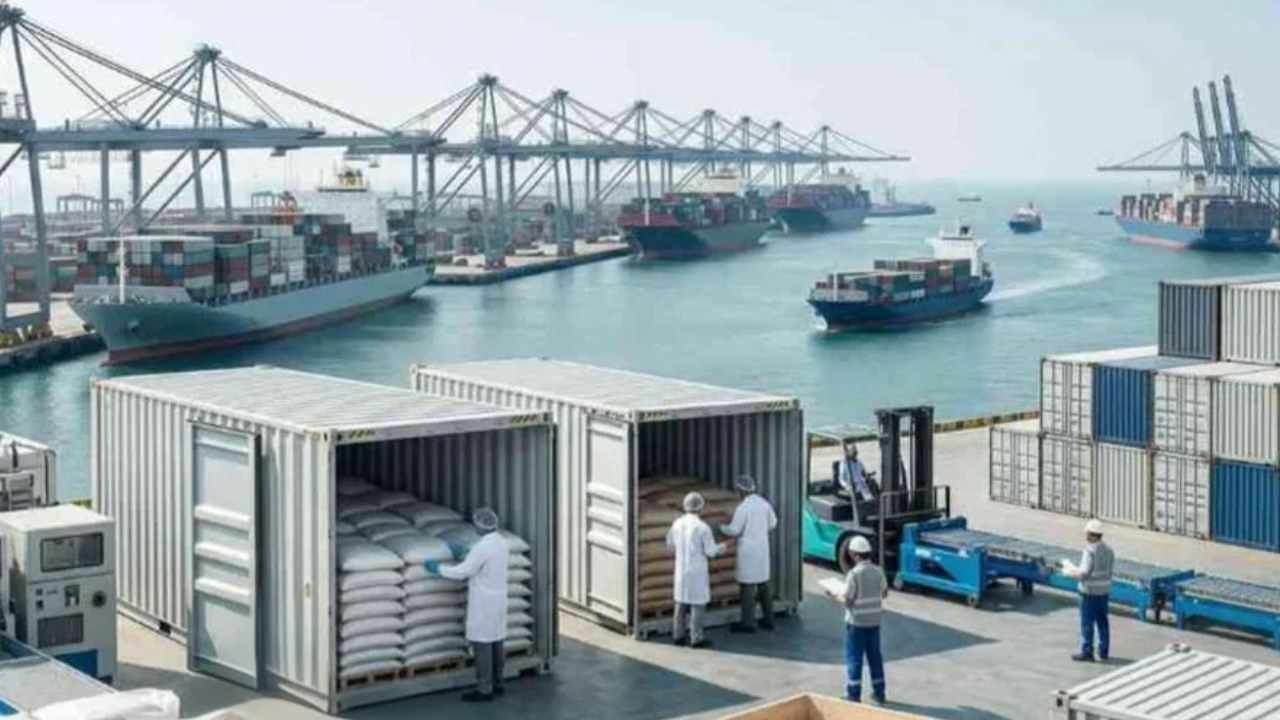
I see that "Sustainable" does not mean "Expensive." It actually means "Safe." A factory that invests in waste treatment and energy efficiency is a stable factory. They are less likely to be shut down by the government. This reliability is worth a lot of money. Wholesalers who can guarantee supply during a crisis can charge a premium. I help my partners position their Vitamin B5 as a "low-risk" product. This is how you win large company buyers. They hate production stops more than they hate high prices. By sourcing from sustainable factories, you offer them peace of mind. This adds real value to every drum of Niacin you sell.
Also, sustainability allows for product differentiation. Most Vitamin B5 in the market looks the same. It is all white powder. But if your powder comes with a carbon certificate and a SEDEX audit, it is unique. You are no longer just selling a chemical. You are selling a solution for your customer's ESG goals. I help you build this "Value Proposition5." I provide the technical facts and the certificates you need to prove your case. This strategy helps you get out of the "price race to the bottom." You can build a loyal group of customers who value quality and ethics. This is the best way to grow a wholesale business in Southeast Asia and the Middle East.
Economic Value of Sustainability
| Value Driver | Sustainability Impact | Financial Result |
|---|---|---|
| Supply Continuity | No shutdown risk | Continuous revenue flow |
| Brand Premium | Marketing green claims | 5% - 10% higher price |
| Regulatory Cost | Avoid future carbon taxes | Long-term cost control |
| Customer Loyalty | Meets ESG requirements | Multi-year contracts |
| Operational Cost | Lower energy/waste usage | Stable factory-gate price |
Conclusion
Sustainable Vitamin B5 production requires advanced waste management, energy efficiency, and ESG compliance. I manage these technical factors at FINETECH to ensure your business stays profitable, safe, and ethical.
-
EPA - Explaining the technical requirements and regulatory importance of discharge permits for industrial wastewater management in chemical production. ↩
-
ScienceDirect - A technical overview of continuous flow technology and its role in improving energy efficiency and safety in chemical manufacturing. ↩
-
SEDEX - A leading global platform for managing ethical supply chain data, helping buyers and technicians audit the social impact of their suppliers. ↩
-
CIPS - A procurement-focused resource defining the strategies and necessity of sustainable sourcing in international trade and bulk distribution. ↩
-
Investopedia - Explaining how a strong value proposition helps food enterprises differentiate their products and build trust with ethical-oriented buyers. ↩