

Unstable Vitamin B5 supplies stop your factory and drain profits. This uncertainty hurts your competitive edge. I provide a strategic sourcing plan to ensure your business remains stable and profitable.
A strategic sourcing plan for Vitamin B5 involves signing annual volume contracts, maintaining a 60-day safety stock, and using data to time purchases. Buyers should diversify factory regions in China and prioritize managed exporters to ensure consistent quality, competitive pricing, and 100% supply continuity throughout the year.
I manage factory selection and quality oversight for my B2B clients at FINETECH. I want to explain the technical steps of building a resilient supply chain to help you grow your business.
Should Buyers Sign Annual Contracts for Vitamin B5(Pantothenic Acid)?
Spot price spikes destroy your procurement budget without warning. This volatility makes sales planning impossible. I explain why annual contracts are the best tool to lock in your long-term success.
Yes, buyers should sign annual contracts for Vitamin B5. These agreements lock in fixed prices and guaranteed volumes for 12 months. This protects you from market volatility, energy price hikes, and seasonal shortages, ensuring you always have priority access to fresh production batches from China.
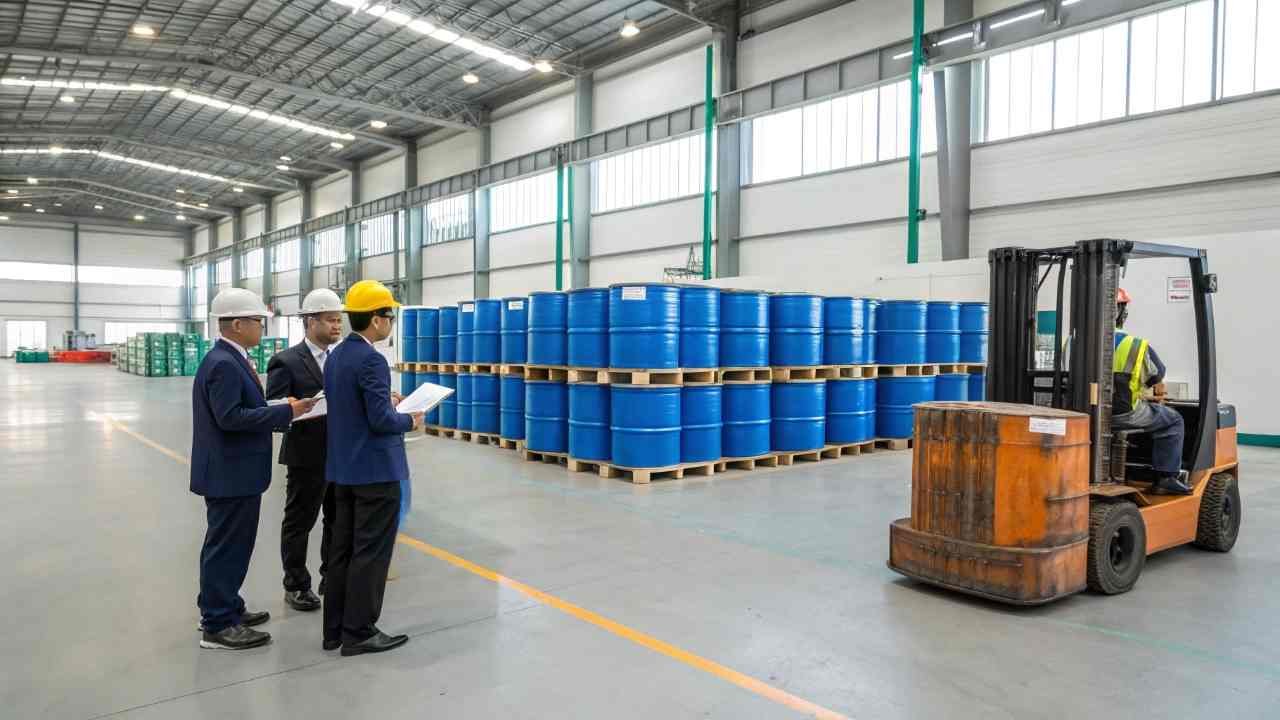
Financial Stability through Fixed Pricing
I see that market leaders in the Middle East and Europe always use annual contracts. The price of Vitamin B5 in China can change fast. It depends on corn prices and government audits. If you buy on the spot market, your cost is a gamble. One month you pay a low price. The next month the price doubles. This makes it hard to give quotes to your own customers. With an annual contract, I help you lock in a price for the whole year. Even if the market price spikes, your cost stays the same. This budget security allows you to plan your profits and marketing with confidence.
Priority supply is the other big reason for a contract. During peak seasons like the weeks before Chinese New Year, factories are very busy. They often stop taking new orders. But if you have a contract, the factory reserves a production slot for you every month. Your Vitamin B5 is made and shipped first. I manage these schedules to ensure the material is always fresh. You do not have to worry about stockouts. This long-term cooperation builds deep trust between you and the producer. I act as the enforcer of this contract in China. I ensure the quality and the timing match your needs perfectly for all 12 months.
Contract vs. Spot Market Comparison
| Feature | Spot Market Buying | Annual Contract | Business Result |
|---|---|---|---|
| Price Risk | Very High | Zero / Locked | Predictable margins |
| Supply Priority | Low | Very High | No production stops |
| Quality Control | Batch-to-batch | Single standard | Consistent product |
| Admin Workload | High (New quotes) | Low (Planned) | Saves labor cost |
| Relationship | Transactional | Strategic Partner | Better tech support |
How Can Safety Stock Protect Vitamin B5(Pantothenic Acid) Supply?
Sudden port strikes or factory shutdowns leave your warehouse empty. You lose customers to competitors who have stock. I help you manage safety stock to protect your supply chain from gaps.
Safety stock protects Vitamin B5 supply by providing a buffer against logistics delays and production stops. Maintaining 60 days of inventory ensures your factory stays running during Chinese environmental audits or shipping crises. It acts as essential insurance for your daily manufacturing and wholesale operations.
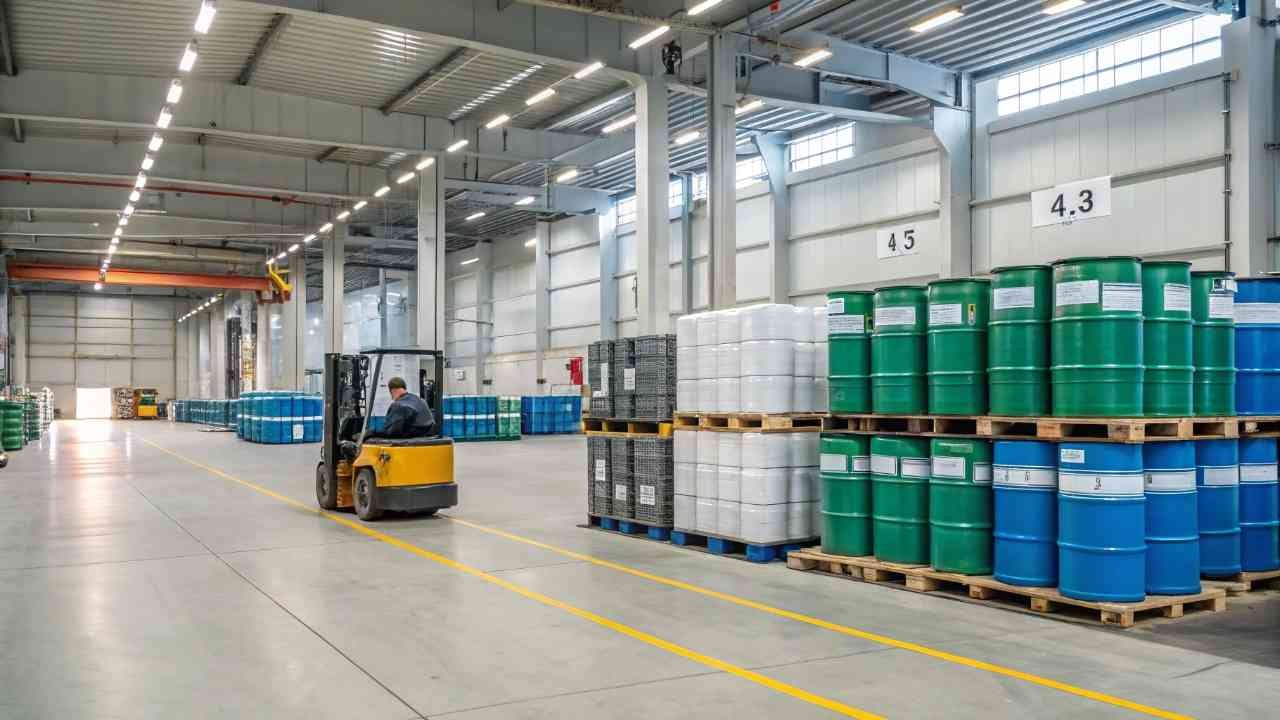
Calculating the Reorder Point (ROP)
I suggest you use a systematic approach to inventory. You should not wait until your shelf is empty to place an order. I help my clients calculate their Reorder Point (ROP). The formula is: (Average Daily Usage x Lead Time) + Safety Stock. If it takes 45 days to get Vitamin B5 from China, you need at least 45 days of usage in transit. Then you add a 15-day safety buffer. This 60-day window is the safe zone. It covers ship delays or customs inspections. I track the shipping for you so you know exactly when the goods arrive. This data helps you keep your inventory lean but safe.
Safety stock1 also protects you from "quality stops." Sometimes a batch might fail your internal test. If you have no safety stock, your production stops. If you have 60 days of material, you have time to wait for a replacement batch. I ensure that the safety stock I help you build is fresh. We use the First-In, First-Out (FIFO) method. We ship the oldest batches first and put the newest ones in the back. This oversight ensures your Vitamin B5 always has a long shelf life. For my buyers in Southeast Asia and Russia, this buffer is the difference between success and failure during market crises.
Inventory Safety Metrics
| Metric | Target Level | Purpose |
|---|---|---|
| Safety Stock Buffer | 60 Days | Protects against logistics delays |
| Lead Time | 45 - 60 Days | Total time from order to delivery |
| ROP (Reorder Point) | Usage x 75 Days | Automated signal to buy |
| Freshness Target | > 30 months | Ensures potency for customers |
| Storage Temp | < 25°C | Prevents powder caking |
How Can Data Analysis Improve Vitamin B5(Pantothenic Acid) Purchasing Decisions?
Buying blindly at high prices eats your profit margins. Market ignorance results in poor timing and lost money. I show you how to use data to make smart buying decisions.
Data analysis improves decisions by tracking Chinese corn prices, intermediate costs like isobutyraldehyde, and export volume trends. Monitoring factory energy limits and environmental policies provides early signals for price hikes. This allows buyers to stockpile material before supply tightens or global prices spike unexpectedly.

Tracking Upstream Cost Signals
I want you to know that the price of Vitamin B5 is not random. It is a technical fact tied to the chemical supply chain2. The main raw material is isobutyraldehyde. This is a petrochemical intermediate. I track the global oil and chemical indices every week. If the price of isobutyraldehyde rises in China, I know the B5 price will follow in about 30 days. I warn my regular buyers so they can stockpile material at the old price. This proactive tracking is how my partners stay ahead of their local competitors. Most traders only see the price hike when it hits their desk. I see it when the raw material leaves the refinery.
Policy data is also critical. I monitor news from Chinese provinces like Zhejiang and Shandong. These are the hubs for Vitamin B5 production. If the government announces new energy caps or environmental audits3, I know supply will drop. I act as your eyes on the ground in China. I provide weekly market reports to my partners. This intelligence helps you decide whether to buy now or wait. Buying at the bottom of a price cycle can save you 10% to 20% on your annual budget. Data removes the guesswork from procurement. It turns your purchasing department into a profit center for your company.
Key Data Indicators for Vitamin B5
| Signal to Watch | Information Source | What it Predicts |
|---|---|---|
| Isobutyraldehyde Price | Chemical Market Index | Future production cost |
| Chinese Port Congestion | Shipping Line Data | Logistics delays / costs |
| Env. Audit Alerts | Chinese Gov. Reports | Sudden supply drops |
| Corn Harvest Data | Agricultural Reports | Feedstock availability |
| Export Volume Trends | Customs Records | Global demand strength |
How Does Demand Forecasting Reduce Vitamin B5(Pantothenic Acid) Risk?
Poor forecasting leads to emergency buying or excessive inventory. Both errors waste your capital and storage space. I provide a framework to predict your needs and reduce supply chain risk.
Demand forecasting reduces risk by aligning procurement with historical usage and projected growth. Accounting for lead times and seasonal spikes in the feed industry prevents emergency shortages. This systematic approach ensures you have exactly what you need, lowering the risk of expensive last-minute spot purchases.

Planning for Seasonal Demand Spikes
I observe that Vitamin B5 demand has a clear rhythm. The animal feed industry4 uses about 75% of the global supply. They buy more in the spring and autumn to prepare for livestock growth cycles. When they buy, the price for food-grade B5 often goes up too. I suggest you start by looking at your usage for the last two years. Do you see these spikes? I help my clients build an "ordering calendar" based on this history. We add your sales growth target to the average. If you plan to grow by 10%, we increase your orders by 10%. This prevents you from running out of stock when your business expands.
The "China Factor" is another part of forecasting. Every year, the Spring Festival holiday stops all production for two weeks. I see many buyers5 forget to plan for this. They realize their mistake too late and have to buy expensive stock from local traders. I tell my partners to order extra in November and December. This ensures their warehouse is full in February. Proper forecasting also helps you with cash flow. You do not tie up too much money in stock, but you are never empty. I manage the shipping tracking for you so you know exactly when to expect your next pallet. This data-driven way of buying is how professional procurement managers work.
Forecasting Calculation Components
| Component | How to Calculate | Strategic Value |
|---|---|---|
| Base Monthly Usage | Avg. of last 12 months | Establishes the baseline |
| Growth Multiplier | 1 + Sales Growth % | Future-proofs inventory |
| Seasonal Buffer | Usage x 1.2 (for peaks) | Prevents peak-season stockouts |
| Holiday Stockup | Usage x 2 (for Feb) | Survives Chinese New Year |
| ROP Alert | Usage x 60 Days | Triggers automated buying |
How Can Long-Term Planning Lower Vitamin B5(Pantothenic Acid) Total Cost?
Short-term thinking results in high logistics fees and administrative waste. These hidden costs reduce your business efficiency. I explain how long-term planning lowers your total landed cost for Vitamin B5.
Long-term planning lowers total cost by optimizing logistics routes and maximizing container usage (FCL). Consolidating orders and reducing middleman markups through managed exporters creates economies of scale. Planned shipments also prevent high demurrage fees and emergency air freight costs, improving your overall procurement ROI.

Logistics Optimization and FCL Savings
I want you to understand that the unit price is not the only cost. You must look at the "Total Landed Cost." This is the price at your warehouse door. Logistics are a huge part of this. A Full Container Load (FCL) is always cheaper per kilogram than a Less than Container Load (LCL). In LCL, you pay high fees for shared space. For Vitamin B5, a 20ft container holds about 12 tons on pallets. I suggest my buyers in Saudi Arabia and Indonesia use FCL whenever they can. I also offer "mixed containers." You can buy B5 with other additives like Vitamin B1 or C. You get the low FCL shipping rate for everything. This is a massive saving.
Long-term planning also prevents emergency costs. If you run out of stock, you might have to use air freight. Air freight for Vitamin B5 can cost $5 per kilogram. Sea freight costs only $0.15. That is a huge difference. By planning your orders 3 months in advance, you never need air freight. Also, I negotiate longer "free time" at your port. This gives you 14 or 21 days to pick up the container without paying storage fees. These small technical details add up to thousands of dollars over a year. I manage these logistics facts so you don't have to worry about them. I focus on removing waste from your supply chain to protect your profit margins.
Total Landed Cost (TLC) Breakdown
| Cost Element | Small Lot (LCL) | Planned Bulk (FCL) | Savings Potential |
|---|---|---|---|
| Product Unit Price | Retail (High) | Wholesale (Low) | 5% - 8% |
| Ocean Freight / KG | High | Low | 15% - 20% |
| Port Handling Fees | Per unit (High) | Per container (Low) | 3% - 5% |
| Bank & Doc Fees | Per order (High) | Per order (Low) | 2% - 3% |
| Total Landed Cost | 100% (Base) | ~75% (Target) | High Savings |
Conclusion
Building a strategic sourcing plan for Vitamin B5 requires annual contracts, safety stock, and data-driven logistics optimization. I manage these technical details at FINETECH to ensure your business stays profitable and safe.
-
InventoryOps – Professional resource for calculating safety stock to manage risks like ship delays or quality stops. ↩
-
Supply Chain Management Review – Trade resource for professionals focused on managing global logistics and optimizing the chemical supply chain. ↩
-
ISO 14001 – The international standard for environmental management systems used by technicians during industrial audits. ↩
-
WHO Food Additives – Official fact sheet defining food additives and their safety evaluations, including those used in the feed industry. ↩
-
CIPS – Official body for procurement and supply, detailing the strategic role of buyers and their organizational responsibilities. ↩