
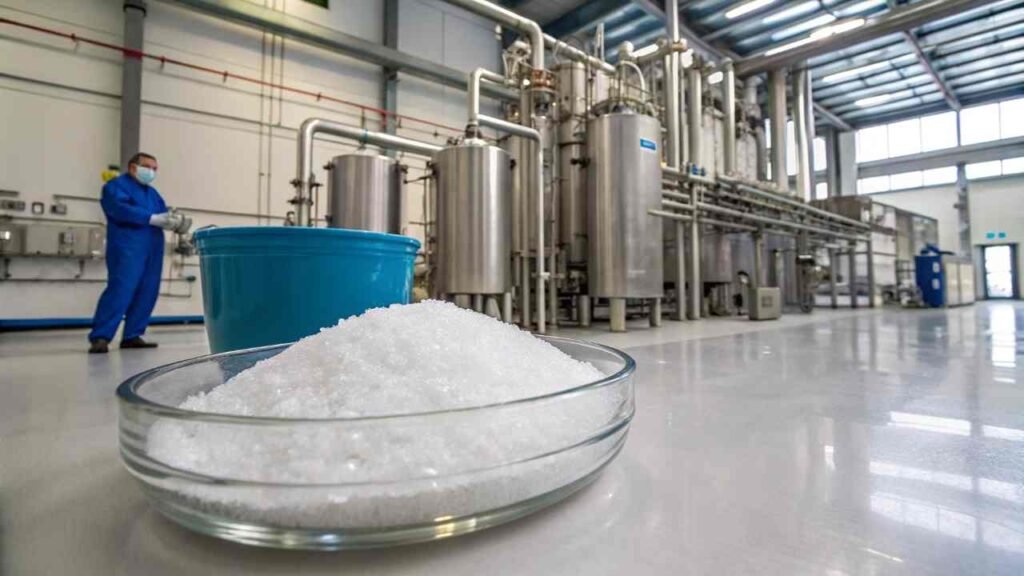
Inefficient Vitamin B6 production leads to high prices and poor quality. This waste ruins your production schedule and profits. I explain the industrial process to help you choose the best supply.
Vitamin B6 (Pyridoxine Hydrochloride) is industrially produced through multi-step chemical synthesis. The most common method uses oxazole derivatives in a Kondrat'eva reaction. This process involves complex steps like the Diels-Alder reaction, purification, and crystallization to achieve the 98% minimum purity required for global trade.
I manage factory selection and quality oversight for my B2B clients in China. Understanding these production steps is the only way to evaluate your supplier's reliability and pricing for your business.
What Raw Materials Are Used to Produce Vitamin B6(Pyridoxine)?
Unstable raw material supply causes sudden price spikes in the vitamin market. This uncertainty ruins your budget planning. I identify the key chemicals needed to produce high-quality Vitamin B6 for you.
Key raw materials include oxazole derivatives, ethyl acetoacetate, and various nitrogen sources. The synthesis also requires organic solvents like alcohols and hydrochloric acid. Sourcing high-purity intermediates in China is essential for maintaining the chemical assay and safety of the final product.
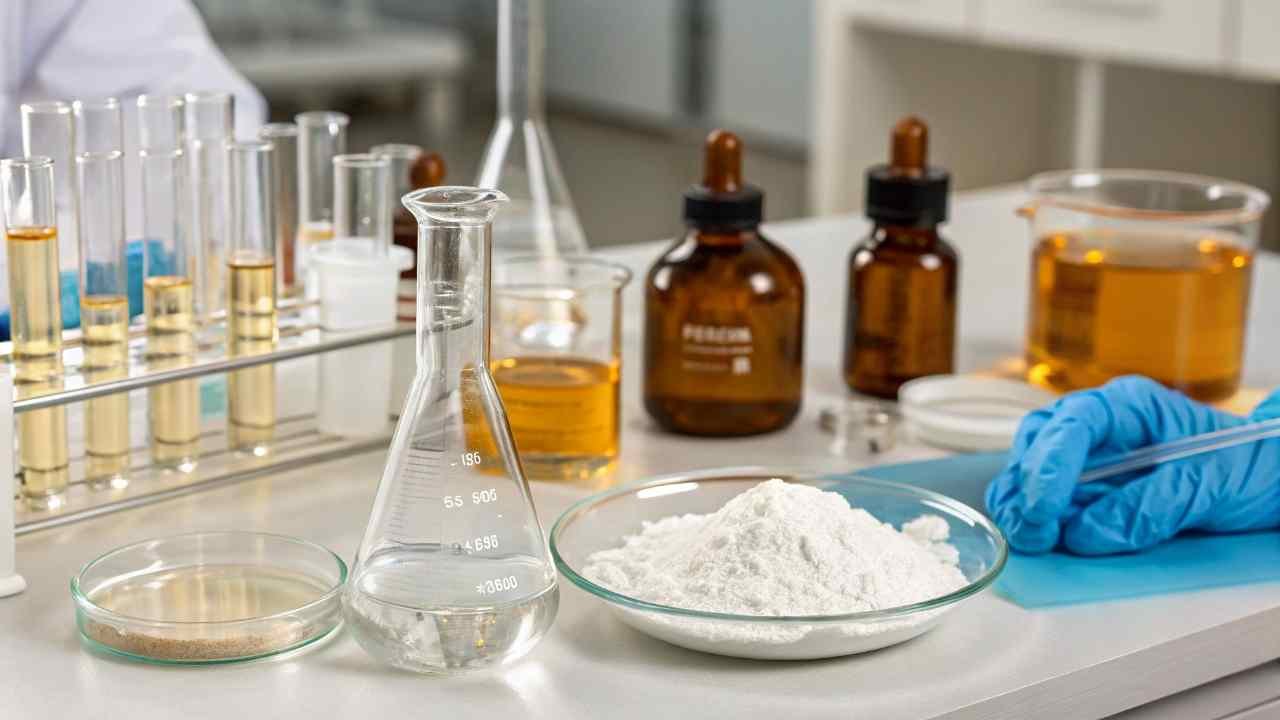
The Upstream Chemical Supply Chain
I see that Vitamin B6 production starts deep in the organic chemistry sector. The main carbon backbone comes from chemicals like ethyl acetoacetate. This material is a standard building block in the chemical industry. However, the most critical intermediate is the oxazole derivative. This specific molecule allows the factory to build the ring structure of Pyridoxine. I monitor the prices of these intermediates in China every day. If the supply of oxazoles is low, the price of Vitamin B6 rises quickly. I only work with factories that have secure, long-term contracts for these materials. This ensures they do not stop production when the chemical market gets tight.
Also, the process needs specialized catalysts and reagents. Hydrochloric acid is used at the final stage to turn the Pyridoxine base into the stable salt form, Pyridoxine Hydrochloride. This salt is what I ship to my clients because it is very stable. I also check the sourcing of the solvents used in the factory. Alcohols and other organic liquids are needed to dissolve the chemicals during the reaction. If these solvents are not pure, the final vitamin will have a strange smell or high impurities. I visit our partner factories to see their raw materials1 logs. A clean supply of raw materials is the only way to guarantee a 99% pure product for your wholesale business. I focus on these facts to protect your brand.
| Raw Material Category | Specific Chemical | Primary Role | Cost Sensitivity |
|---|---|---|---|
| Intermediates | Oxazole Derivatives | Ring formation | Very High |
| Feedstocks | Ethyl Acetoacetate | Carbon source | Moderate |
| Acids | Hydrochloric Acid | Salt formation | Low |
| Solvents | Alcohols / Toluene | Reaction medium | Moderate |
| Catalysts | Palladium / Carbon | Speed up reaction | High |
How Does Production Technology Affect Vitamin B6(Pyridoxine) Quality?
Old production technology leads to high impurities and unstable assay levels. This failure ruins your final food recipes. I help you source from factories using the latest technology to ensure your quality stays perfect.
Modern technology like continuous flow synthesis and DCS automation ensures consistent quality. These systems control temperature and pressure with high precision. This tech reduces human error, resulting in a white crystalline powder with very low heavy metal levels and consistent assay results.
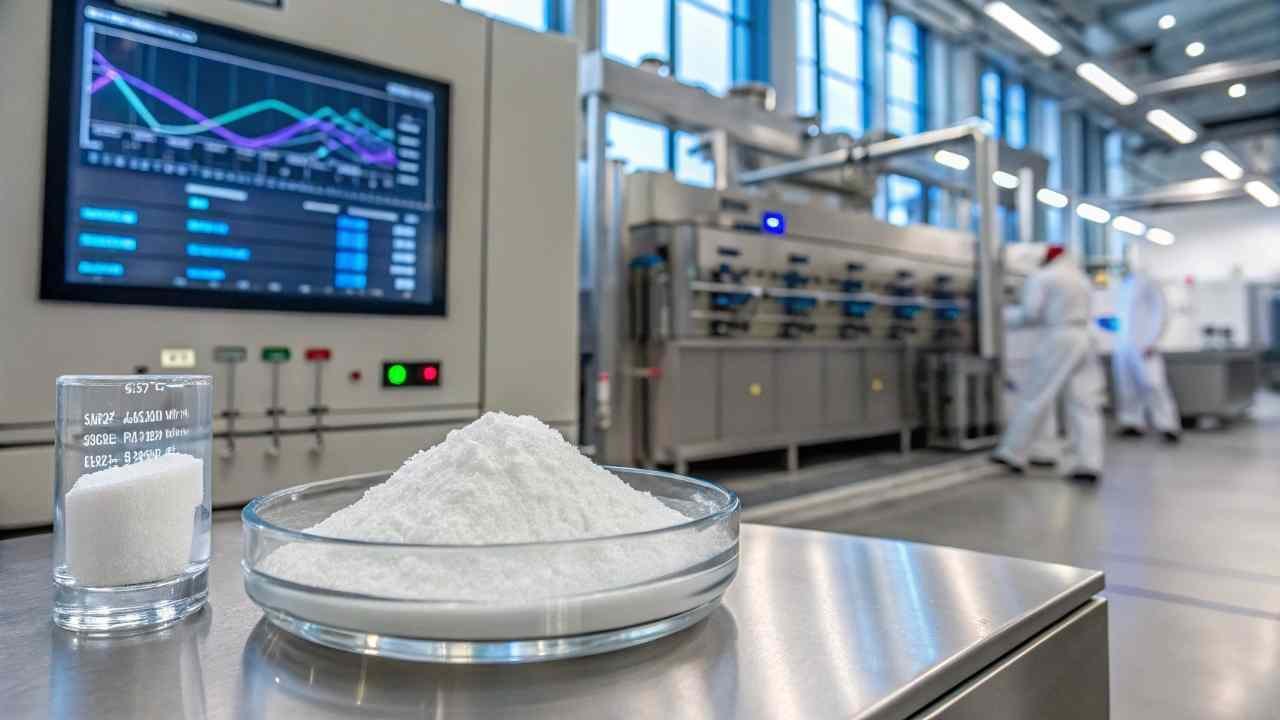
Technology as a Safety Barrier
I observe that technology2 is a weapon in the vitamin market. The best factories in China use DCS (Distributed Control Systems). This is a giant computer system that runs the whole plant. It monitors every valve and every sensor 24/7. In old factories, workers have to turn valves by hand. Humans make mistakes, and mistakes lead to off-spec material. With DCS, the temperature is always perfect. This ensures the "Assay" stays between 98.0% and 102.0% for every drum. I prioritize these high-tech factories for my clients in Europe and Korea. It gives them a huge advantage because their material is uniform and reliable.
Also, the crystallization technology is a technical requirement3 for success. After the chemical reaction, the Vitamin B6 is in a liquid form. The factory must turn it into crystals. If the cooling is too fast, the crystals will be too small and dusty. If it is too slow, the crystals might trap impurities inside. Modern factories use controlled cooling cycles. This produces a consistent mesh size, usually 80 or 100 mesh. I check the sieve analysis for every batch. Finer technology produces a whiter, cleaner powder. This is vital for my buyers who make infant formula or energy drinks. They need a product that dissolves fast and looks professional. Better technology always leads to a safer and more competitive supply chain for your business.
| Technology Level | Feature | Quality Result | Risk Level |
|---|---|---|---|
| Advanced | DCS / Continuous Flow | 99.5% Purity | Very Low |
| Standard | Automated Batch | 98.5% Purity | Low |
| Legacy | Manual Processing | 98.0% Purity | Moderate |
| Lab Scale | Small Reactors | High Purity | High (Inconsistent) |
How Do Manufacturing Processes Influence Vitamin B6(Pyridoxine) Costs?
Inefficient manufacturing processes waste energy and raise your prices. You pay for the factory's mistakes. I analyze these processes to find efficient producers who lower your procurement costs.
Processes influence costs through yield rates and energy usage. Multi-step synthesis requires significant heat and steam. Factories that use solvent recovery systems and achieve higher conversion rates for intermediates can offer more competitive wholesale prices to international buyers like you.
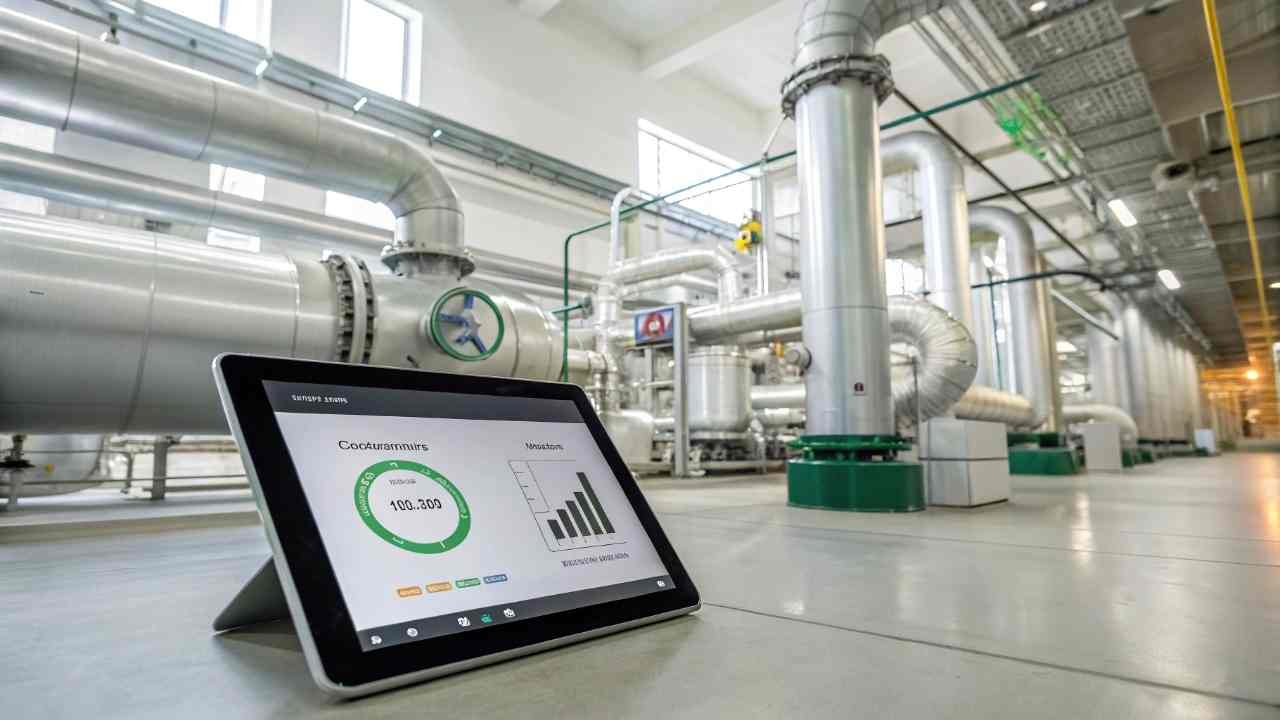
Energy Efficiency and Yield Optimization
I see that "efficiency" is the difference between a good price and a bad price. The synthesis of Vitamin B6 has many steps. In each step, some material is lost. This is called the "yield." High-efficiency factories use better catalysts. These catalysts make the reactions go faster and more completely. I visit the factories in China to see their "Total Yield" data. If a factory has a yield of 90%, their cost is much lower than a factory with 80%. I pass these savings to my buyers in the Middle East and Southeast Asia. High yield also means fewer byproducts. This makes the final purification step easier and cheaper.
Energy is another high cost factor. Chemical synthesis needs a lot of heat. Large factories use heat-recovery systems. They catch the hot steam from one reaction and use it to heat another tank. This saves a lot of coal or gas. Also, solvent recycling is a technical fact of the cost. Synthesis uses large amounts of alcohol. Small factories burn this waste. Large factories have giant distillation towers. They clean the solvent and use it again. This solvent recovery saves millions of Yuan every year. I calculate these savings when I negotiate prices for you. Buying from an efficient plant ensures you are not paying for waste. This oversight is my commitment to your business margins.
| Cost Component | Impact on Price | Efficiency Solution | Saving Potential |
|---|---|---|---|
| Steam / Heat | 15% - 20% | Heat Exchangers | High |
| Raw Materials | 45% - 55% | Yield Optimization | Very High |
| Solvents | 10% | Recycling Towers | Moderate |
| Labor | 5% | Automation (DCS) | Low |
| Environment | 5% - 10% | Integrated Treatment | Moderate |
What Environmental Controls Are Used in Vitamin B6(Pyridoxine) Production?
Poor environmental control leads to sudden factory shutdowns in China. This leaves you without stock and stops your sales. I audit factories for green compliance to ensure your supply stays stable.
Environmental controls include wastewater treatment plants and air scrubbers to catch chemical gases. China enforces strict "Three Simultaneities" laws. Factories must invest in waste management systems to handle chemical byproducts and avoid government-ordered production stops that disrupt global trade.
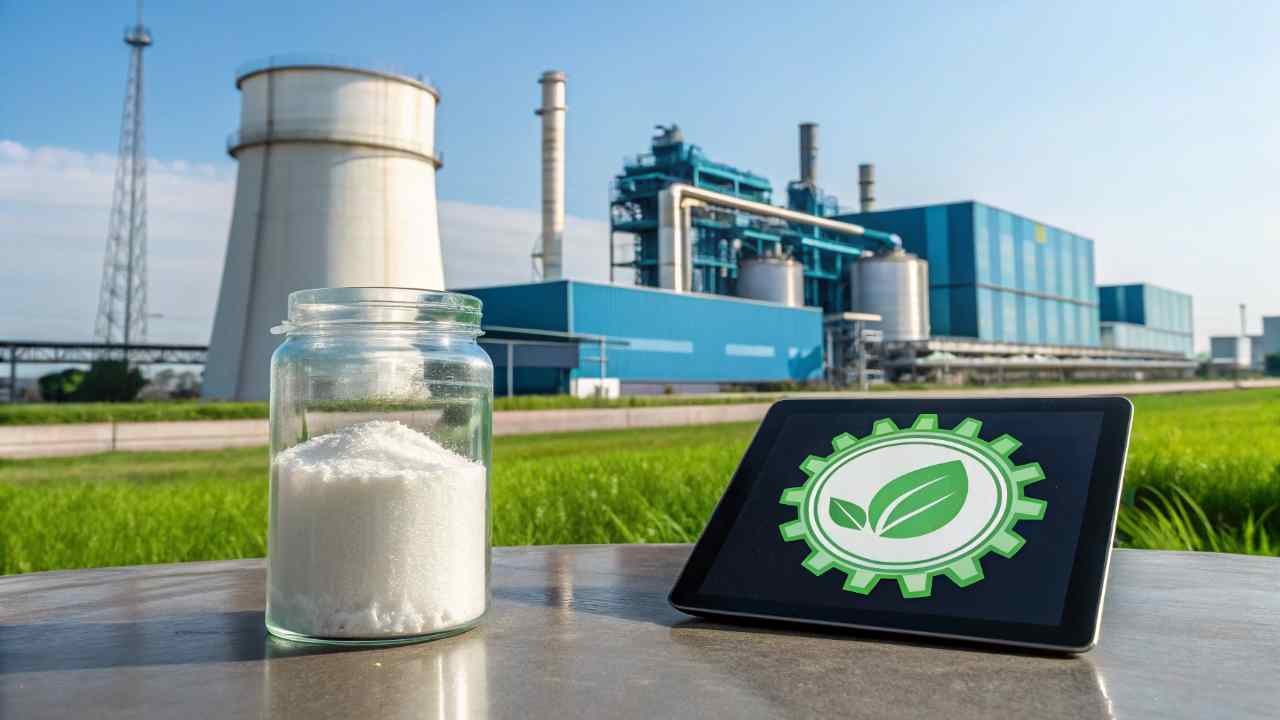
Navigating Strict Chinese Environmental Laws
I see that "Green Production" is now a requirement for survival. In the past, many small factories ignored the environment. They dumped waste water into local rivers. But the Chinese government changed the rules. Now, every factory must have a high-tech waste treatment plant on-site. The production of Vitamin B6 creates chemical waste4. If a factory cannot clean this waste, the government closes them in one day. I only work with factories that have a valid "Environmental Impact Assessment" (EIA). This paper proves they follow the law. This oversight is how I protect my buyers from sudden supply disruptions.
Also, air pollution is a technical concern. Synthesis uses volatile chemicals that can smell bad or hurt the air. The factory must have "scrubbing" systems. These systems wash the air before it goes into the sky. I check these systems during my physical audits. Plus, the government monitors these factories with digital sensors. If the sensors see a problem, the factory gets a huge fine. I help my clients choose factories located in "Top Tier" chemical parks. These parks have the best shared infrastructure for waste. It is safer for your business to buy from a compliant factory5 than from a small one that might disappear tomorrow. My focus on environmental facts keeps your supply stable and professional.
| Control Area | Required Technology | Goal | Business Benefit |
|---|---|---|---|
| Waste Water | Biological Treatment | Clean discharge | Continuous supply |
| Exhaust Gas | Activated Carbon | Reduce emissions | Audit safety |
| Solid Waste | Professional Disposal | Zero leakage | No legal risks |
| Energy Use | Carbon Tracking | Meet gov. caps | Stable utility cost |
| Noise | Sound Shielding | Worker safety | Local compliance |
How Does Production Efficiency Affect Vitamin B6(Pyridoxine) Supply?
Low production efficiency causes market shortages and price bubbles. You end up with empty shelves and high costs. I explain how high output speeds protect your inventory and your business growth.
Production efficiency affects supply by controlling total output and turnaround times. Efficient factories can fulfill 20-ton orders in under 14 days. This speed ensures market liquidity and prevents supply gaps during seasonal demand peaks in the animal feed and food industries.
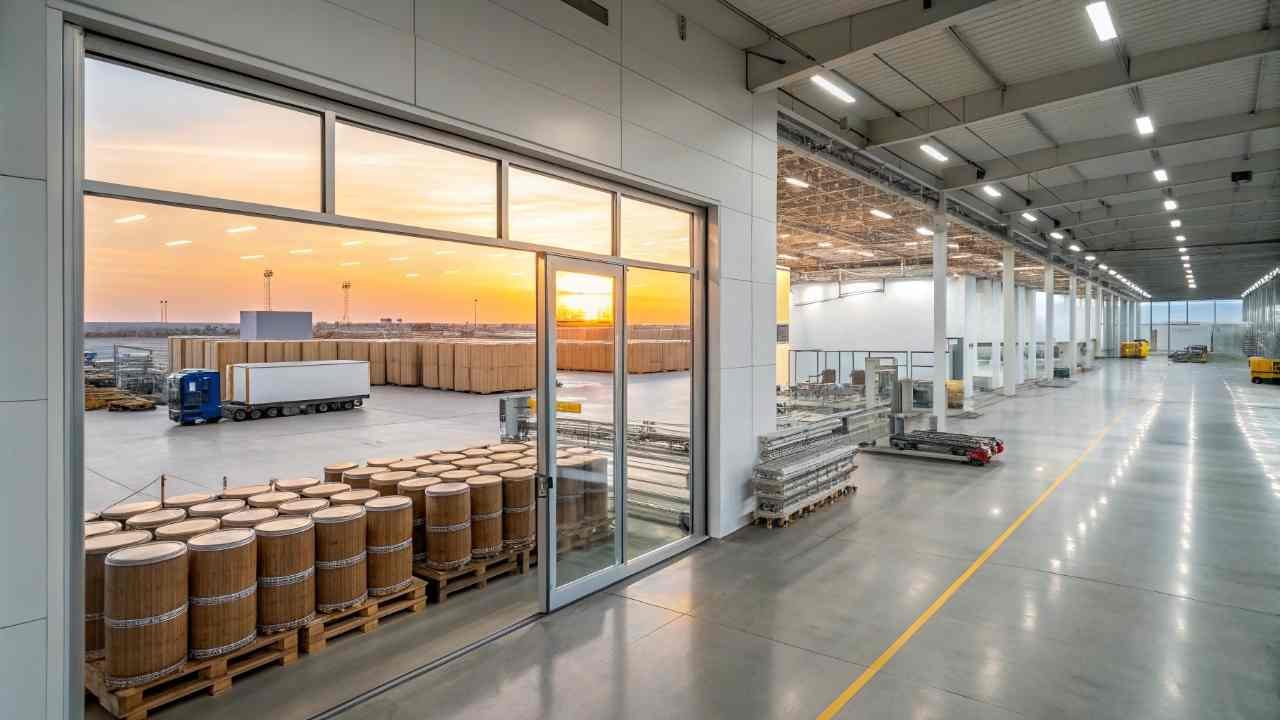
Scaling Output for Global Demand
I want you to understand that scale is power in the supply market. Large factories in China produce thousands of tons of Vitamin B6 every year. They use giant reactors that run 24/7. This efficiency ensures there is always material available for your urgent orders. I prioritize these large-scale partners for my wholesale clients. If a factory is too slow, they cannot handle a big order quickly. You might have to wait weeks for your goods. Efficient factories also have better lab capacity. They can test more batches in one day. This speeds up the release of the Certificate of Analysis (COA). High efficiency means the cargo reaches the port of Qingdao faster.
I also monitor "Effective Capacity." A factory might say they can make 5,000 tons, but if their process is old, they only make 3,000 tons. This is a technical detail that many buyers miss. I visit the factories to see their "utilization rate." If the reactors are running at full speed, the price is usually stable. If they are slow, the supply will tighten soon. I use this information to negotiate the best shipping dates for you. Understanding the efficiency of the production line is how I help my buyers in Saudi Arabia and Germany stay competitive. We buy from the most efficient sources to get the best lead times. This data-driven approach is how you build a profitable business and lead your local market.
| Efficiency Metric | Standard Level | High Efficiency (Goal) | Supply Result |
|---|---|---|---|
| Batch Cycle Time | 5 Days | 3 Days | Faster delivery |
| Conversion Rate | 80% | 92% | Lower prices |
| Staff per Ton | 12 People | 4 People | More competitive |
| Downtime % | 15% | < 5% | Stable availability |
| Lab Turnaround | 48 Hours | 12 Hours | Immediate dispatch |
Conclusion
Industrial Vitamin B6 production requires precise chemical synthesis, high technology, and strict environmental oversight. I manage these technical factors at FINETECH to ensure your business receives the most competitive, pure, and reliable supply from China.
-
Food Quality & Safety – Articles on managing the quality of raw materials and verifying supplier safety in the food industry. ↩
-
Food Engineering – A leading source for news on the latest technology and automated systems used in food manufacturing plants. ↩
-
Institute of Food Technologists (IFT) – A professional organization focusing on the scientific and technical requirement standards for food science. ↩
-
EPA (Environmental Protection Agency) – Information on the regulations and safe management of hazardous chemical waste in industrial production. ↩
-
TIC Council – Global organization representing the testing, inspection, and certification sector, ensuring a compliant factory meets international standards. ↩