
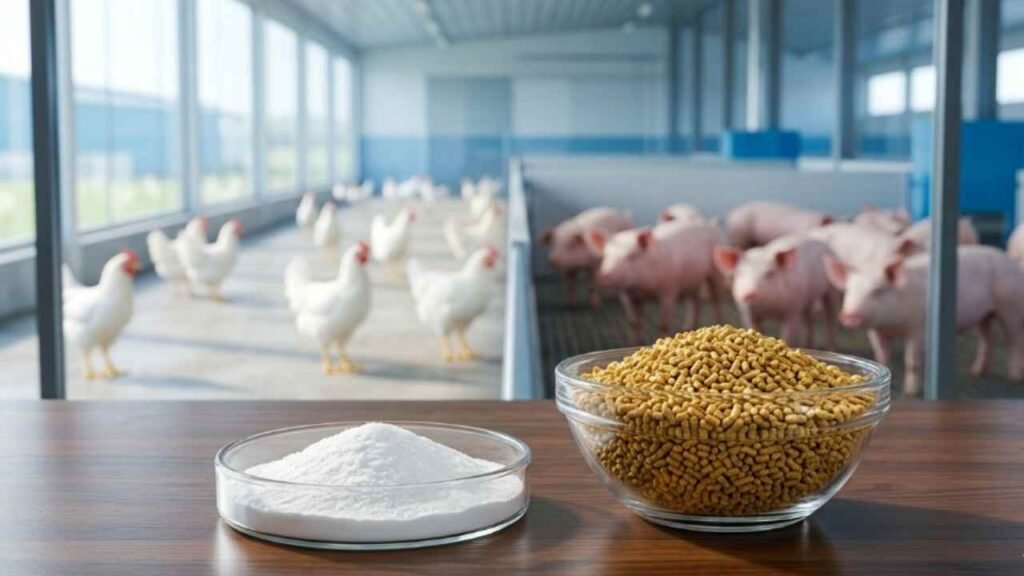
Nutrient-poor feed causes slow livestock growth and high mortality rates. This failure ruins your farm profit. I provide bulk Vitamin B6 to keep your animals healthy and your business profitable.
Vitamin B6 (Pyridoxine) is essential in animal nutrition for protein metabolism and immune health. It acts as a coenzyme for over 100 enzymes, supporting muscle growth and red blood cell production. Proper B6 levels prevent nervous disorders and improve feed conversion rates in poultry and swine.
I manage factory selection and quality oversight for my B2B clients at FINETECH. Understanding the technical role of Vitamin B6 in livestock is the only way to formulate effective feed and grow your wholesale business.
How Does Vitamin B6(Pyridoxine) Support Animal Growth?
Stunted growth in livestock increases your production costs and reduces turnover. This metabolic delay hurts your market position. I supply high-purity Vitamin B6 to ensure your animals reach market weight faster.
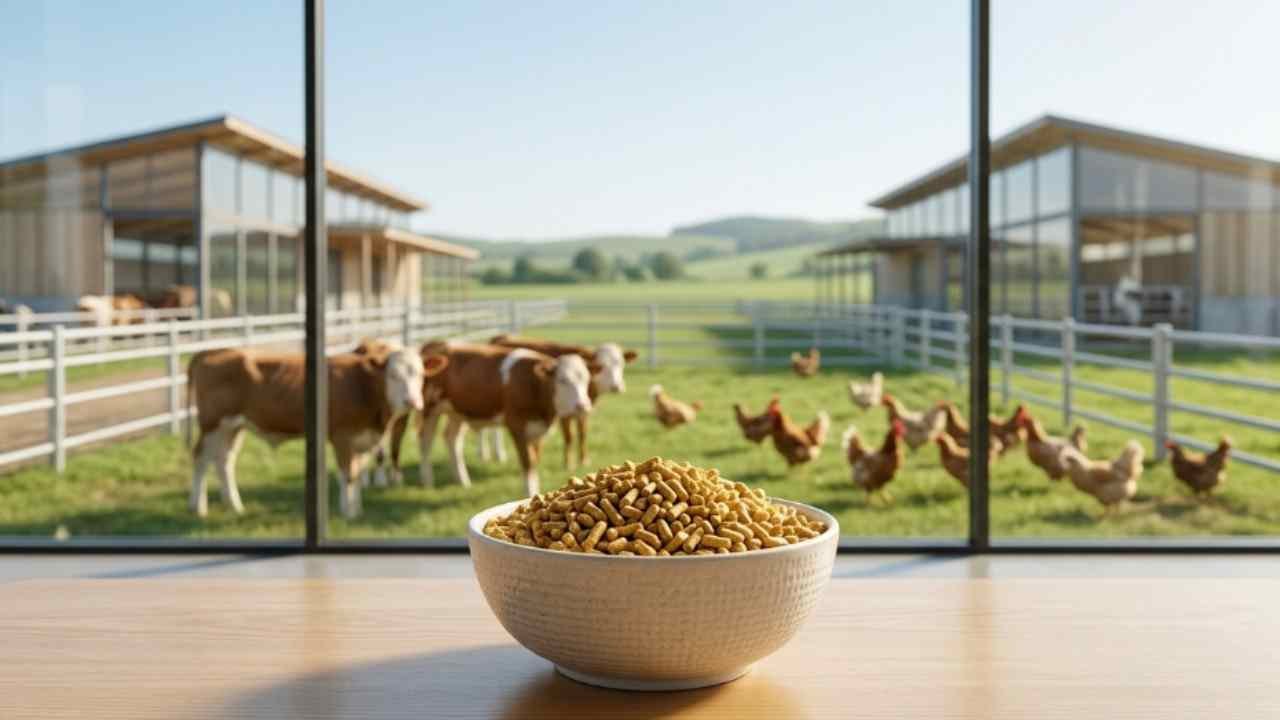
Vitamin B6 supports growth by regulating amino acid metabolism and protein synthesis. It ensures the body converts feed proteins into muscle tissue effectively. This process is vital for weight gain, tissue repair, and the development of the nervous system in young livestock and poultry.
Metabolic Pathways and Tissue Development
I see that growth is the most important metric for my buyers in the feed industry. Vitamin B6 is a coenzyme for many reactions that handle amino acids. Without B6, the animal cannot use the protein in its corn or soy meal. It just wastes the nitrogen. This waste is expensive for the farmer. When you add high-quality Pyridoxine HCl, the animal's metabolism works at its peak. I provide 98% feed-grade material that is highly bio-available. This means the animal's gut absorbs it quickly and uses it to build meat. For broiler chickens, this results in reaching target weight days earlier.
Also, Vitamin B6 is critical for the brain. It helps create neurotransmitters like serotonin and dopamine. These chemicals control the animal's behavior and stress levels. A calm animal grows better than a stressed one. Plus, B6 is needed for red blood cells. These cells carry oxygen to the muscles. More oxygen means more energy for growth. I visit our partner factories in China to ensure the purity matches the USP standard1. This technical precision protects your brand from sending out weak feed. You must have the right B6 levels to ensure the animal's skin and feathers look healthy for the market.
Deficiency Signs vs. Optimal Growth Benefits
| Performance Area | Signs of B6 Deficiency | Benefits of Optimal B6 | Business Impact |
|---|---|---|---|
| Growth Rate | Stunted / Slow weight gain | Rapid muscle development | Faster turnover |
| Nervous System | Tremors / "Goose-stepping" | Stable behavior / Coordination | Lower mortality |
| Skin / Feathers | Lesions / Poor quality | Vibrant skin / Smooth coat | Higher market price |
| Immune Status | High infection rate | Strong antibody production | Lower vet costs |
| Feed Intake | Reduced appetite | High feed consumption | Max production |
How Stable Is Vitamin B6(Pyridoxine) in Feed Processing?
High heat in feed mills destroys vitamin potency instantly. This waste leaves your feed nutritionally empty. I provide heat-stable Pyridoxine HCl to ensure your products stay effective after processing and storage.
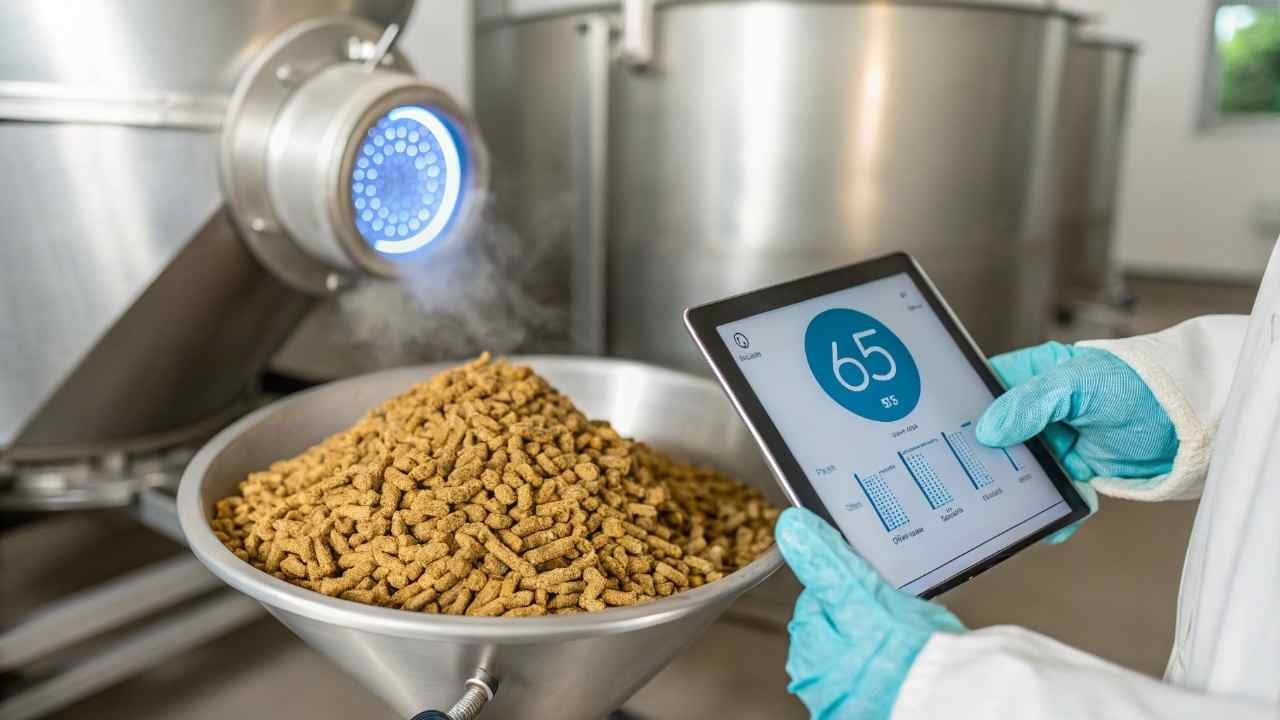
Pyridoxine Hydrochloride is the most stable form of Vitamin B6 for industrial feed. It can withstand standard pelleting temperatures up to 85°C. But high humidity and friction during extrusion can cause losses, requiring a 10% to 15% overage in the initial feed formulation.
Thermal Resistance and Processing Challenges
I observe that stability is the biggest technical challenge for my clients in Southeast Asia and the Middle East. Feed mills use steam and pressure to make pellets. This process is called pelleting2 or expansion. The temperature often hits 80°C or 90°C. Many vitamins break down at these levels. But Pyridoxine HCl is a salt form. This salt is much more robust than the liquid form. In my experience, about 90% of the Vitamin B6 remains active after a standard pelleting run. This high retention rate makes it an excellent choice for bulk feed production. I select factories that produce a stable crystalline structure to maximize this resistance.
But you must watch the moisture level too. If the steam in the pellet mill is too wet, the B6 starts to degrade faster. Also, friction from the die can cause local heat spikes. I always advise my regular buyers to add a small overage to their recipes. This ensures the final product meets the label claims even after processing. I oversee the moisture testing of our B6 batches in China. We ensure the powder is very dry (less than 0.5% moisture). Dry powder handles the heat of the pellet mill much better. This attention to detail is how I help you pass local health inspections3. It ensures your customers receive the potency they pay for every time.
Retention Rates in Common Feed Processes
| Process Type | Temperature | Estimated Retention | Main Risk |
|---|---|---|---|
| Cold Mixing | 20°C - 30°C | 99% - 100% | Segregation |
| Standard Pelleting | 70°C - 85°C | 90% - 95% | Heat & Moisture |
| Expansion / Extrusion | 90°C - 110°C | 80% - 85% | High Pressure |
| Liquid Spraying | Ambient | 85% (over time) | pH Levels |
| Premix Storage | Variable | 95% (after 6 mos) | Mineral Oxidation |
What Dosage Levels Are Used for Vitamin B6(Pyridoxine) in Feed?
Incorrect dosage leads to wasted money or nutritional deficiency. Both errors hurt your reputation as a supplier. I help you follow international standards to ensure your feed performs perfectly for your customers.
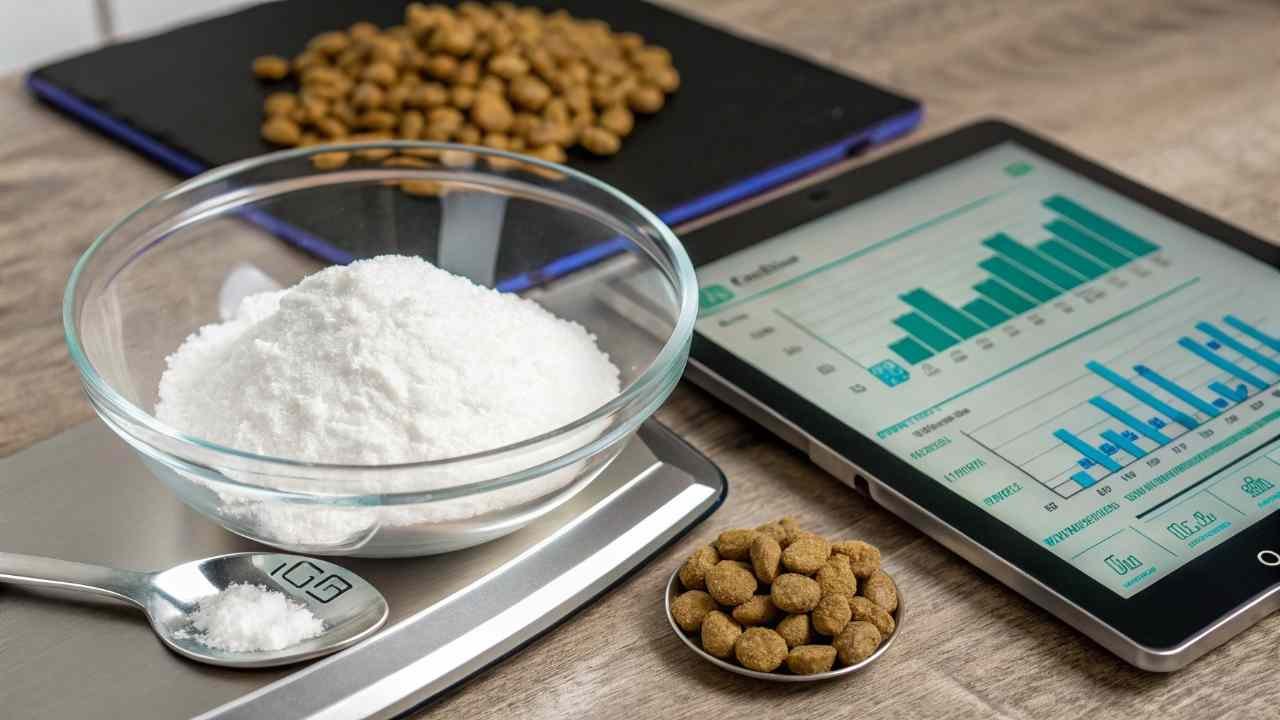
Dosage levels for Vitamin B6 vary by animal species and age. Broilers need 3-5 mg/kg, while breeding swine require 5-8 mg/kg. High-stress environments or intensive farming cycles often require higher supplementation to maintain immune health and prevent metabolic disorders in commercial livestock.
Species-Specific Nutritional Requirements
I see that dosage is a technical fact that changes with the animal. Poultry are very sensitive to B6. Young chicks need it to build their immune system. If the level is too low, the mortality rate goes up. For layers, B6 is vital for egg production. I work with mills in Indonesia and Saudi Arabia to ensure they calculate these levels correctly. Swine also have high requirements. Weaning pigs are under a lot of stress. They need extra B6 to support their nervous system. I provide 98% feed-grade Pyridoxine that is easy to dose accurately in large-scale mixing machines.
Environmental factors also play a big role. In hot regions, animals eat less. When their intake drops, you must increase the concentration of vitamins in the feed. This ensures they still get their daily requirements. I suggest my buyers in the Middle East use a higher dosage during the summer months. Also, the type of diet matters. If the feed is high in protein, the animal needs more Vitamin B6 to process it. B6 and protein have a direct chemical link in the body. I monitor these livestock trends in China to give you the best advice. My goal is to make your feed formulas more efficient and profitable. Proper dosing is the only way to lead your local market.
Standard Supplementation Guide
| Animal Category | Life Stage | Dosage (mg/kg) | Primary Benefit |
|---|---|---|---|
| Broiler Chicken | Starter | 4.0 - 5.0 | Rapid growth |
| Laying Hen | Peak Production | 3.0 - 4.5 | Egg quality |
| Swine / Pig | Weaning | 5.0 - 7.0 | Stress reduction |
| Swine / Pig | Finishing | 2.0 - 3.5 | Meat quality |
| Fish / Shrimp | Juvenile | 10.0 - 20.0 | High immunity |
How Is Vitamin B6(Pyridoxine) Used in Feed Premixes?
Poor blending leads to uneven nutrients in the barn. Some animals get too much, others get none. This inconsistency ruins your brand trust. I provide the right particle size for perfect premix homogeneity for your factory.
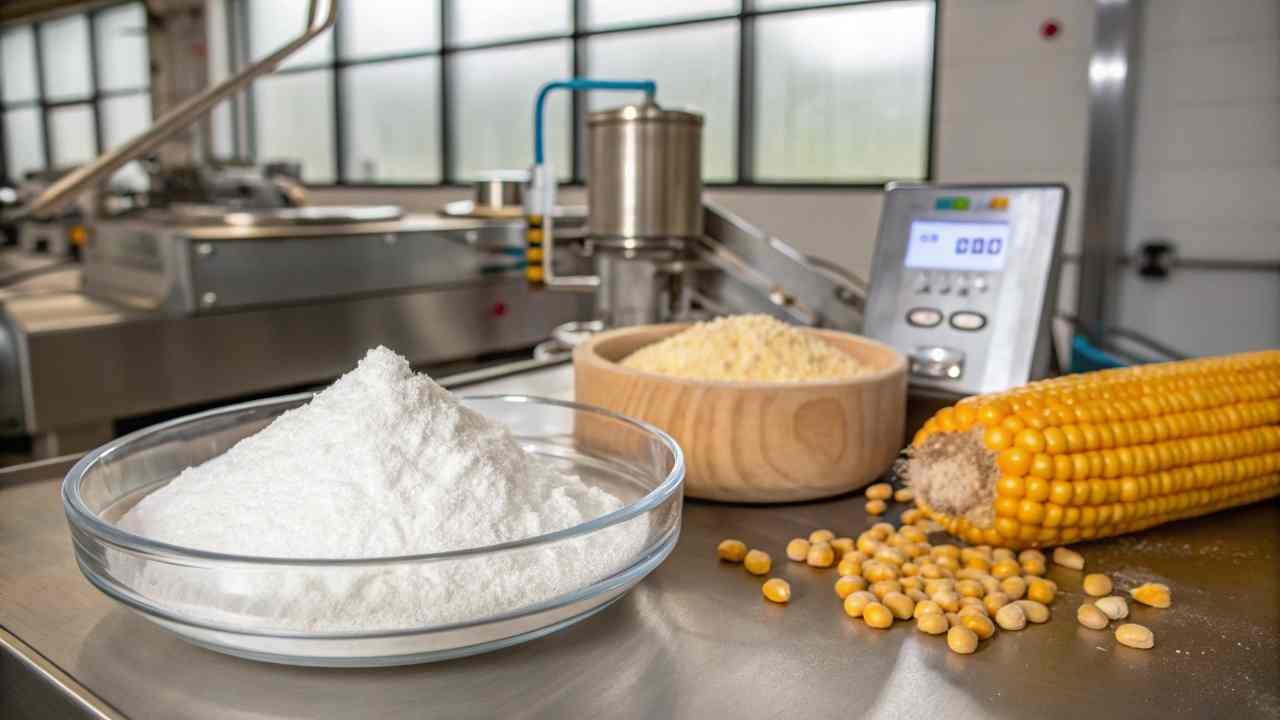
In feed premixes, Vitamin B6 is added as a concentrated powder mixed with carriers like corn cob or calcium carbonate. Using a fine-mesh Pyridoxine HCl (80-100 mesh) ensures even distribution. This prevents segregation during transport and ensures every gram of the final feed contains the correct vitamin level.
Carrier Selection and Blending Art
I work with many premix4 manufacturers in Southeast Asia and Russia. I see that blending is a technical process. Vitamin B6 is a very fine white powder. To make a stable premix, you must choose the right carrier. Common carriers are calcium carbonate or rice husks. I ensure that my Vitamin B6 has a consistent mesh size. This matches the particle size of the carrier. If the particles match, they stay together. If they are different, the vitamins sink to the bottom of the bag. This is called segregation. I check the sieve analysis for every batch in China to prevent this.
Also, we must consider chemical interactions. Premixes often contain trace minerals like copper and iron. These minerals can act as oxidants. They can attack vitamins and reduce their shelf life. But Vitamin B6 in the Hydrochloride form is very stable. It does not react easily with these minerals. This gives your premix a long shelf life5 of 12 to 24 months. I manage the packaging in double PE liners to block moisture. Moisture is the fuel for chemical reactions in a bag. By keeping the powder dry, I ensure your premix stays potent until it reaches the final user. This reliability is why traders trust my supply for their high-end customers.
Premix Quality Control Factors
| Quality Factor | Target Standard | Why It Matters |
|---|---|---|
| Particle Size | 80 - 100 Mesh | Prevents segregation |
| Carrier Moisture | < 5% | Stops chemical degradation |
| Blending Time | 3 - 5 Minutes | Ensures homogeneity |
| Carrier Type | Non-reactive | Protects B6 from minerals |
| Packaging | 25kg / Foil Lined | Prevents light and moisture ingress |
| Traceability | Batch Specific | Required for safety audits |
How Does Feed Industry Growth Affect Vitamin B6(Pyridoxine) Demand?
Sudden demand spikes in the feed market cause price bubbles. You might run out of stock or overpay. I help you monitor these livestock trends to secure your supply and protect your profit margins.
The animal feed industry consumes over 70% of the global Vitamin B6 supply. Rapid growth in the poultry and swine sectors in Asia and Brazil directly drives up demand. When feed consumption rises, wholesale prices for Vitamin B6 tighten, making long-term contracts essential for supply security.

Livestock Cycles and Market Dynamics
I want you to understand that the feed market is the price setter for Vitamin B6. China has the largest pig and chicken population. When the meat price in China is high, farmers grow more animals. They buy more feed and more vitamins. This huge demand can empty the factory warehouses in weeks. I track the "Meat-to-Grain Ratio" in China every week. This data tells me when the demand for B6 will spike. I tell my regular buyers in Europe and the Middle East to buy their stock early. This proactive management is how I save my clients from the "price peaks" that hurt other traders.
Disease is another big factor. If there is an outbreak of Avian Flu, the demand for B6 drops instantly. Farmers stop buying because their birds are gone. This creates a surplus in the market. During these times, the price can drop by 20% in one month. I act as your eyes on the ground to find these price bottoms. This is the best time to sign an annual contract. By understanding the link between the barn and the market, I help you make smart procurement decisions. My focus on industry data ensures you always have a competitive price for your business. This strategy is vital for wholesalers who want to lead the market.
Demand Drivers in Global B6 Trade
| Demand Driver | Origin Region | Impact on Price | Probability |
|---|---|---|---|
| Swine Production Boom | China / SE Asia | Sharp Increase | Moderate |
| Poultry Expansion | Brazil / USA | Steady Increase | High |
| Disease Outbreaks | Global | Sharp Decrease | Low |
| New Fortification Laws | Africa / Asia | Permanent Increase | High |
| Pet Food Growth | Europe / North America | Moderate Increase | Very High |
Conclusion
Vitamin B6 is a vital nutrient for animal growth, metabolic efficiency, and immune health. I manage the supply chain from China to ensure your business receives top-quality material at competitive prices.
-
U.S. Pharmacopeia (USP) – Detailed technical standards for the identity, strength, and purity of vitamins and dietary supplements used globally. ↩
-
Feed Strategy – Industry news and technical articles covering animal feed manufacturing and advancements in pelleting technology. ↩
-
FAO Food Safety – The Food and Agriculture Organization's comprehensive guide on international food safety standards and inspection systems. ↩
-
All About Feed – A professional resource providing insights into feed additives, nutritional premix design, and livestock health trends. ↩
-
Food Quality & Safety – Scientific analysis and best practices for managing product stability, safety protocols, and shelf life in the food industry. ↩