

Unreliable Vitamin B9 supply lines halt your production. This uncertainty destroys your profit. I help you navigate the developing market to keep your business safe and stable.
The global Vitamin B9 (Folic Acid) market is expanding, with China producing over 80% of total supply. Market development is driven by mandatory food fortification laws and pharmaceutical growth. Stability depends on Chinese environmental policies and the availability of key chemical intermediates.
I manage factory selection and quality oversight for my B2B clients at FINETECH. I want to explain the technical facts about the Vitamin B9 supply chain to help you protect your procurement results.
Where Is Vitamin B9(Folic Acid) Mainly Produced?
Hidden quality risks in unknown factories ruin your brand. Buying from the wrong production hub wastes your budget. I guide you to the world's leading manufacturing centers for reliable supply.
China is the primary global producer of Vitamin B9, accounting for the vast majority of world capacity. Major hubs are in provinces like Hebei and Zhejiang. A smaller amount of high-grade Folic Acid is produced in Europe for specialized pharmaceutical markets.

The Dominance of Chinese Industrial Hubs
I see that China is the core of the global Vitamin B91 industry. Most of the world's Folic Acid comes from a few massive chemical parks in China. These provinces have integrated supply chains. They produce the chemical intermediates needed for synthesis on-site. This lowers the cost and ensures a steady flow of material. I visit these factories in China personally. I check their quality systems. I ensure they meet international standards like ISO 22000 and GMP. This oversight is how I protect my buyers in the Middle East and Southeast Asia. I select only the top-tier producers. This ensures your cargo is safe and pure. The scale of these factories allows them to run 24/7. This is vital for global stability.
Specialized Production in Western Markets
Other regions also play a technical role. In Europe, countries like Germany have a long history of vitamin production. These factories focus on the high-end pharma market. They serve clients who need very specific certifications for medicine or infant nutrition. However, many global wholesalers prefer Chinese sources. This is because China offers a competitive price and much larger volumes. I monitor the production cycles in both regions. For most food-grade applications, the Chinese material is the industry standard. I help my clients in Indonesia and Vietnam get the best grade from these hubs. By knowing the exact location of production, I can manage the logistics better. I choose ports like Qingdao for the fastest shipping routes to your region. I act as your eyes on the ground to find the most efficient sources.
| Production Region | Market Share (Approx.) | Primary Form | Target Industry |
|---|---|---|---|
| North China (Hebei) | 45% - 55% | Food / Feed Grade | Global Wholesale |
| East China (Zhejiang) | 25% - 35% | Bulk Food Grade | Food Fortification |
| Western Europe | 5% - 10% | Pharma / BP / EP | Specialized Pharma |
| India | 2% - 5% | Mixed Grades | Regional Food / Feed |
| Other Regions | < 5% | Specialized Grades | Local Nutrition |
Which Countries Export the Most Vitamin B9(Folic Acid)?
Inefficient exporters cause customs delays and high storage fees. These errors drain your cash. I identify the top export nations to ensure your Vitamin B9 cargo moves fast and safe.
China is the leading exporter of Vitamin B9, supplying over 80% of global trade volume. India and Germany are secondary exporters. They often focus on high-value re-exports or specialized regional distribution for international food and pharmaceutical buyers.

China as the Global Supply Engine
I observe that China is the main engine for Vitamin B9 exports. Because the production is so large, the export infrastructure is very mature. I manage shipments from ports like Qingdao, Shanghai, and Tianjin every week. These ports have direct lines to the Middle East, Europe, and Southeast Asia. This reduces the time your container sits on the water. I handle the export documents like the Health Certificate and COA early. This prevents delays at Chinese customs. Most of the world's food additive traders buy from China. The logistics are the most efficient. I act as your office in China. I ensure your orders are loaded on the first available vessel. This speed helps you manage your inventory levels better and reduces your financial risk.
Secondary Export and Re-export Centers
Germany and India also export Vitamin B6, but their roles are different. Germany often acts as a distribution hub for the European Union. They re-export high-purity material that might have been tested locally. India is growing its export share. They mainly target the pharmaceutical sector. I compare the shipping rates and lead times from these countries for my clients. However, China remains the most cost-effective source for bulk wholesale. I streamline the factory selection process in China. This finds the best balance of price and speed. My goal is to make your procurement as simple as buying from a local supplier. I focus on the facts of logistics2 to save you money. I also check the export tax policies in China. This ensures we quote the most accurate and competitive price to our partners.
| Exporting Nation | Global Rank | Primary Export Destination | Logistics Edge |
|---|---|---|---|
| China | 1 | Global (ME, SEA, EU, RU) | High volume / Direct routes |
| Germany | 2 | Europe / North America | Intra-EU transit |
| India | 3 | Southeast Asia / Africa | Regional trade links |
| USA | 4 | North & Latin America | Advanced logistics |
| Switzerland | 5 | Global (Premium) | Quality reputation |
What Factors Influence Vitamin B9(Folic Acid) Supply Stability?
Sudden supply stops leave your warehouse empty. This crisis loses you customers. I explain the technical factors that control stability to protect your business supply chain and profit.
Supply stability is influenced by raw material costs, environmental audits in China, and energy policies. The price of intermediates like PABA is critical. Government policies on energy and pollution also cause temporary production stops in major manufacturing provinces.
Raw Material Supply Chains and Costs
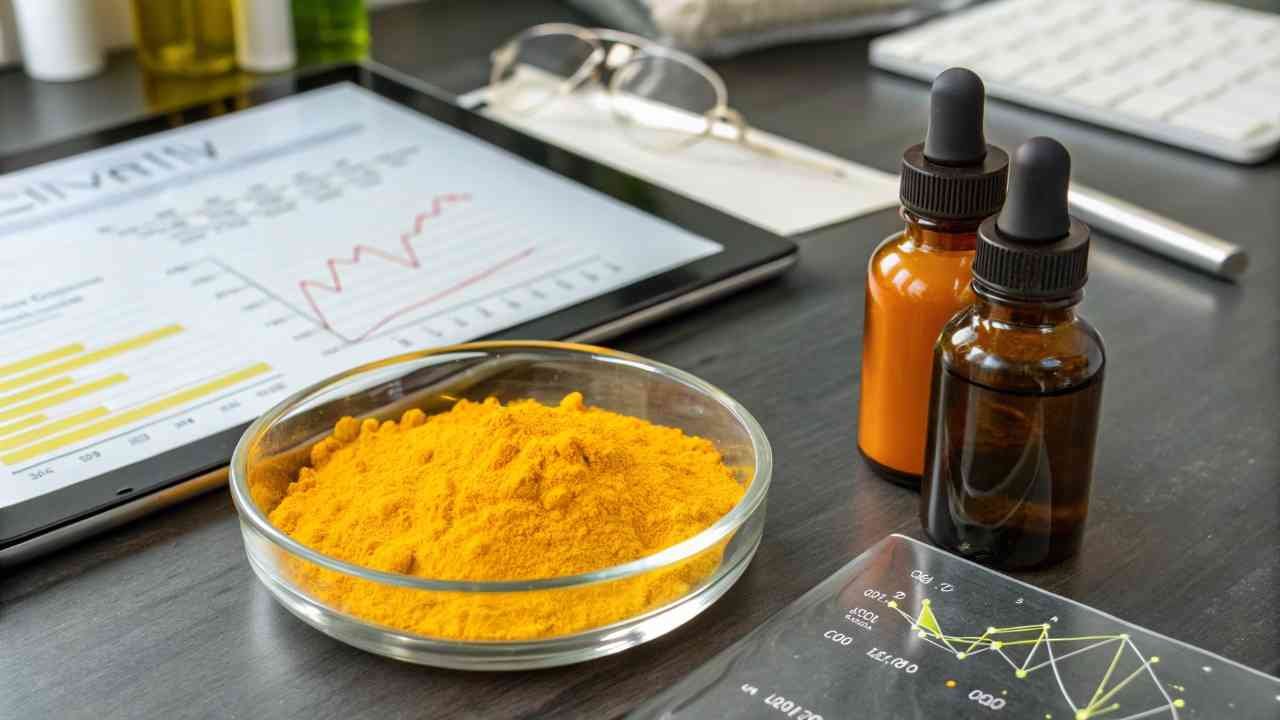
I see that raw material3 costs are the foundation of Vitamin B9 stability. Most Folic Acid is made through chemical synthesis. The synthesis requires several key intermediates. One of the most important is p-aminobenzoyl glutamic acid. Another is a pteridine derivative. These chemicals are sensitive to global oil and gas prices. I track these chemical indices daily. This helps me warn my clients before a price hike. If a factory cannot get raw materials, they stop their lines. This creates a shortage. I select factories that have long-term contracts with their chemical suppliers. This vertical integration is a key safety factor. It prevents the sudden stockouts that hurt your sales. I prioritize producers who make their own intermediates. This provides the highest level of stability.
Environmental and Energy Policies in China
Another factor is government policy in China. The Chinese government is very strict about environmental safety4. Factories in provinces like Hebei must pass regular audits. If a factory fails, they are closed for weeks. This lowers the global supply instantly. I only work with factories that have modern waste treatment systems. These plants are safer from government shutdowns. Energy is also a technical concern. In the winter or summer, some provinces have power limits. These limits slow down production. I manage the relationship with several factories in different regions. If one area has a power limit, I move the order to another. This diversification is how I ensure your supply never stops. I act as your eyes on the ground to manage these risks.
| Stability Factor | Risk Level | Impact on Supply | Mitigation Strategy |
|---|---|---|---|
| Raw Material Prices | High | Direct price / volume shift | Monitor chemical indices |
| Chinese Env. Audits | Moderate | Sudden factory shutdowns | Use ISO-certified plants |
| Energy Power Limits | Moderate | Slow production speed | Diversify factory regions |
| Logistics / Port | Low | Shipping delays | Book vessels early |
| Trade Policy | Low | Import / Export duties | Use correct HS codes |
How Does Production Capacity Affect Vitamin B9(Folic Acid) Availability?
Low production capacity leads to panic buying and high prices. This drains your capital. I track global capacity to help you buy at the right time and keep costs low.
High production capacity ensures availability during seasonal demand peaks. Large-scale factories use automated synthesis to maintain steady output. If global capacity drops due to maintenance or audits, supply tightens and prices rise immediately for international wholesalers.
Economies of Scale in Vitamin B9 Synthesis
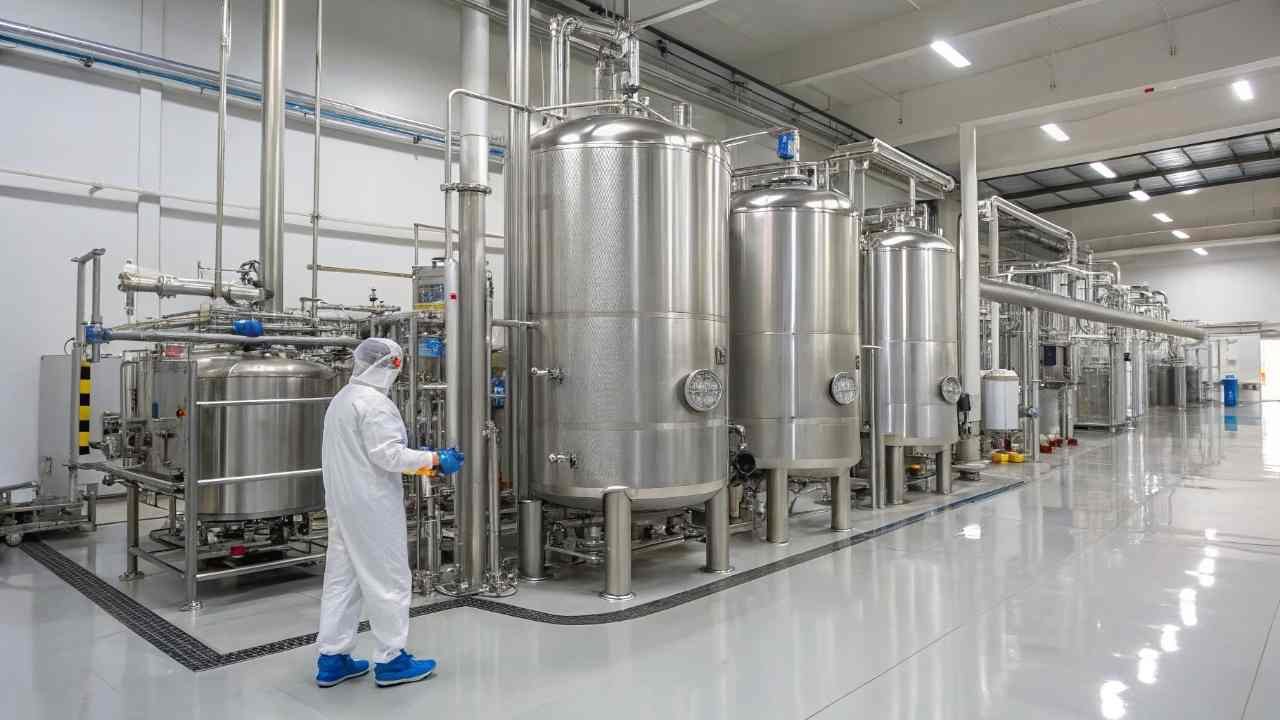
I want you to understand that scale is power in the vitamin market. Large factories in China produce thousands of tons of Folic Acid every year. They use giant stainless steel reactors. This scale lowers the labor cost per kilogram. It also ensures that every batch is uniform. I prioritize these large-scale partners for my wholesale clients. If a factory is too small, they cannot handle a 20-ton order quickly. You might have to wait weeks for your goods. Large factories also have better lab equipment. They can run HPLC tests on every batch to ensure 99% purity. High capacity5 means the market stays liquid. There is always material available for your urgent needs. I focus on these technical capacity facts to secure your supply.
Effective vs. Total Capacity Management
I also monitor "effective capacity." A factory might say they can make 5,000 tons. But if their machines are old, they only make 3,000 tons. This is a technical detail that many buyers miss. I visit the factories to see their utilization rate. If the reactors are full, the price is usually stable. If the reactors are empty, the factory might give a discount to get new orders. I use this information to negotiate the best price for you. Understanding the capacity map of China is how I help my buyers in Saudi Arabia and Germany stay competitive. We buy when the capacity is high and the price is low. This data-driven approach is how you build a profitable business. I track the maintenance schedules of the top producers. This prevents us from being caught in a supply gap.
| Factory Capacity Level | Annual Output (est) | Result on Market | Buyer Strategy |
|---|---|---|---|
| Global Leader | > 1,500 Tons | Price Setter | Annual Contract |
| Large Scale | 800 - 1,500 Tons | Supply Buffer | Bulk Buying |
| Medium Plant | 300 - 800 Tons | Price Follower | Spot Buying |
| Small Producer | < 300 Tons | Niche Player | Trial Orders only |
| New Entrant | Variable | Competitive pressure | Quality verification needed |
How Can Buyers Secure Long-Term Vitamin B9(Folic Acid) Supply?
Buying on the spot market makes your budget a gamble. This instability prevents your business from growing. I help you build a secure long-term strategy to lock in prices and supply.
Buyers secure supply by signing annual volume contracts and maintaining a 60-day safety stock. Working with managed exporters and diversifying factory sources across different Chinese provinces reduces the risk of disruptions and ensures consistent product quality and pricing for the long term.

Strategic Contracts and Price Protection
I always suggest that my regular partners use annual contracts. This is the best way to fight price volatility. We agree on a price and a volume for the whole year. I manage the relationship with the factory to ensure they honor this deal. Even if the market price jumps, your cost stays the same. This allows you to give fixed quotes to your own customers. For wholesalers in the Middle East and Southeast Asia, this stability is a huge competitive advantage. I oversee the monthly shipping schedule to ensure you always have fresh material. A long-term partnership with me means you are safe from sudden price bubbles. I focus on your success because if you grow, I grow. This trust is the foundation of our business.
Inventory Buffers and Source Diversification
I also believe in regional diversification. I do not buy all your Vitamin B9 from one single factory. I use a network of trusted producers in different provinces. If one area has an environmental shutdown, I can move your order to a factory in another region. This spread of risk is vital for a stable supply chain. Also, I tell my clients to keep a safety stock. You should always have 60 days of inventory in your local warehouse. This buffer protects you from port strikes or shipping delays. I help you manage your reorder points to maintain this level. By combining contracts, diversification, and safety stock, you create a supply chain that is almost impossible to break. This proactive planning is how I help you lead your local market.
| Strategy Component | Purpose | Recommended Action | Benefit |
|---|---|---|---|
| Annual Contract | Price & Volume lock | Sign for 12 months | Budget security |
| Factory Network | Risk spreading | Use 2+ sources | No single point failure |
| Safety Stock | Logistics buffer | Keep 2 months stock | No production stops |
| Market Monitoring | Early warning | Get reports from FINETECH | Act before price hikes |
| Quality Audits | Batch consistency | Use FINETECH oversight | Zero product recalls |
Conclusion
Securing a stable Vitamin B9 supply requires understanding production hubs, market drivers, and strategic planning. I manage these technical details at FINETECH to ensure your business stays profitable and safe.
-
NIH Office of Dietary Supplements – A professional health fact sheet detailing the technical specifications and nutritional roles of Folate (Vitamin B9). ↩
-
Inbound Logistics – A comprehensive trade-oriented publication offering insights into global supply chain management and international shipping logistics. ↩
-
Food Quality & Safety – A specialized resource for technical personnel focusing on managing raw material quality and ensuring safety in the food supply chain. ↩
-
EPA (Environmental Protection Agency) – Information on environmental safety regulations and standards that impact industrial production and chemical manufacturing. ↩
-
Investopedia – An economic resource explaining the concept of production capacity and its impact on market supply and pricing. ↩