
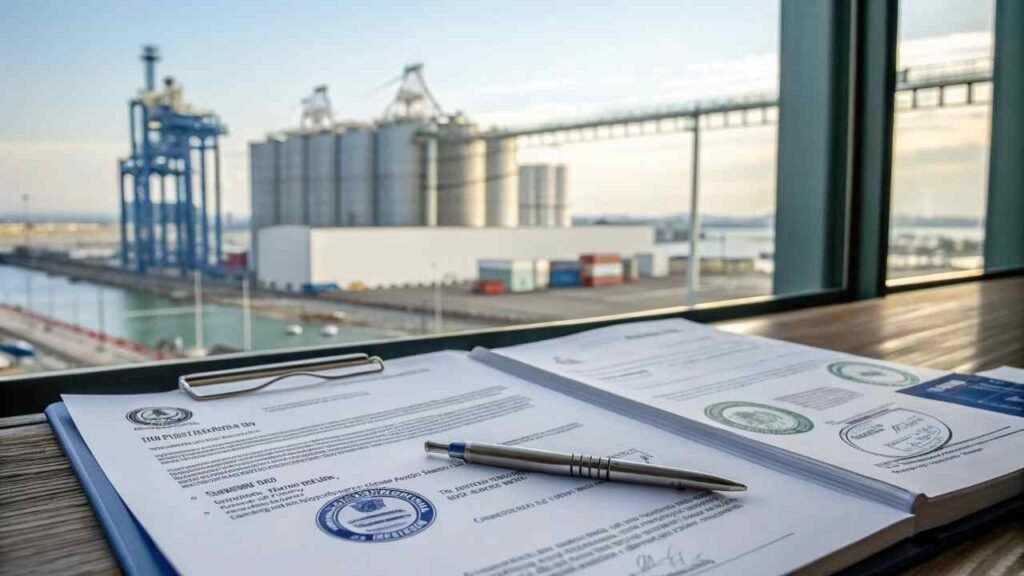
Unreliable Vitamin B9 suppliers cause production stops and health risks. This failure ruins your brand and profit. I provide vetting strategies to ensure your supply chain remains safe and stable.
To choose a reliable Vitamin B9 supplier, verify their manufacturing license and international certifications like ISO 22000 and HACCP. Audit their annual production capacity, check for batch-specific COAs, and evaluate their export history to ensure consistent quality and timely delivery for your wholesale business.
I manage factory selection and quality oversight for my B2B clients at FINETECH. I want to explain the technical criteria for choosing a supplier to help you build a more successful and safe wholesale business.
What Certifications Should Vitamin B9(Folic Acid) Suppliers Have?
Uncertified food additives lead to legal fines and consumer health problems. This risk destroys your reputation. I check for ISO and GMP status to protect your business from bad sources.
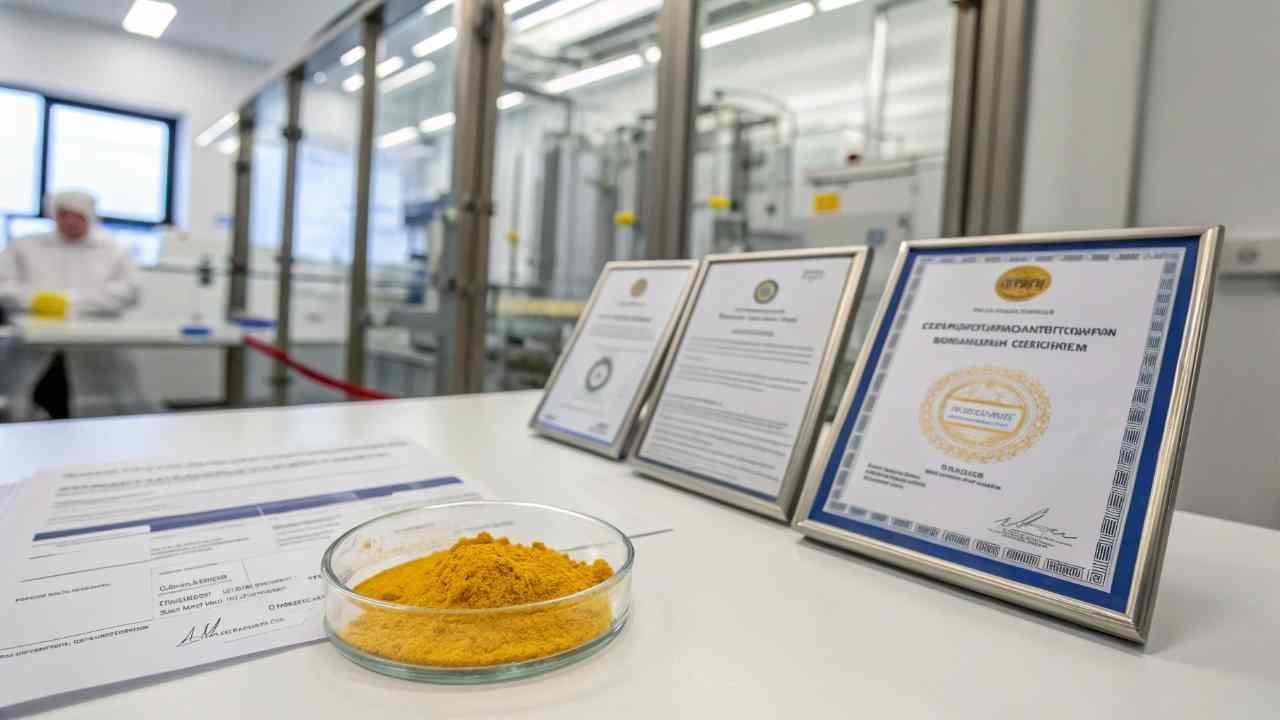
Reliable Vitamin B9 suppliers must hold ISO 22000, HACCP, and GMP certifications. For export to the Middle East and Southeast Asia, HALAL and KOSHER are mandatory. These certificates prove the factory follows strict safety, purity, and religious standards during the manufacturing process.
Global Food Safety and Management Standards
I prioritize factories that have ISO 220001 and HACCP. These are not just pieces of paper. They are management systems. ISO 22000 ensures the factory manages food safety at every step. HACCP means the factory finds and controls chemical or physical risks during production. For Vitamin B9, this is vital because the synthesis involves complex chemical reactions. I check these certificates myself in China. I look at the expiry dates and the names of the auditing bodies. A reliable supplier keeps these documents current. These standards give you peace of mind that the orange-yellow powder is safe for humans.
Religious and Pharmaceutical Requirements
I also manage the religious and pharma-grade certifications. My main markets are the Middle East and Southeast Asia. For my buyers in Saudi Arabia and Indonesia, a HALAL certificate is a legal requirement. It proves no forbidden substances were used in the factory. KOSHER is also important for the European and American markets. I ensure these papers come from recognized agencies like MUI or JAKIM. For pharmaceutical buyers, I provide the GMP certificate. This proves the factory has a very clean environment. This oversight is how I protect your brand. Without these papers, your goods will stay at the port. I act as your technical gatekeeper to ensure every document is 100% correct.
Summary of Essential Certifications
| Certification | Focus Area | Required Market | Business Value |
|---|---|---|---|
| ISO 22000 | Safety Management | Global Food Industry | High safety guarantee |
| HACCP | Process Risk | Bulk Wholesale | Prevents contamination |
| GMP | Production Quality | Pharma / Supplements | High purity assurance |
| HALAL | Religious Law | Middle East / SE Asia | Legal market access |
| KOSHER | Religious Law | Europe / USA | Broad customer appeal |
| FAMI-QS | Feed Safety | Global Animal Feed | Industry compliance |
How Important Is Production Capacity for Vitamin B9(Folic Acid)?
Small factories often stop during market shortages or government audits. This leaves you without stock and stops your sales. I analyze factory capacity to ensure your supply is always stable and secure.
Production capacity is vital for ensuring supply during environmental audits and peak seasons in China. High-volume factories (1,000+ tons per year) offer better price stability and consistent batch quality compared to small, unregulated producers that may shut down unexpectedly.
Scale and Supply Chain Security
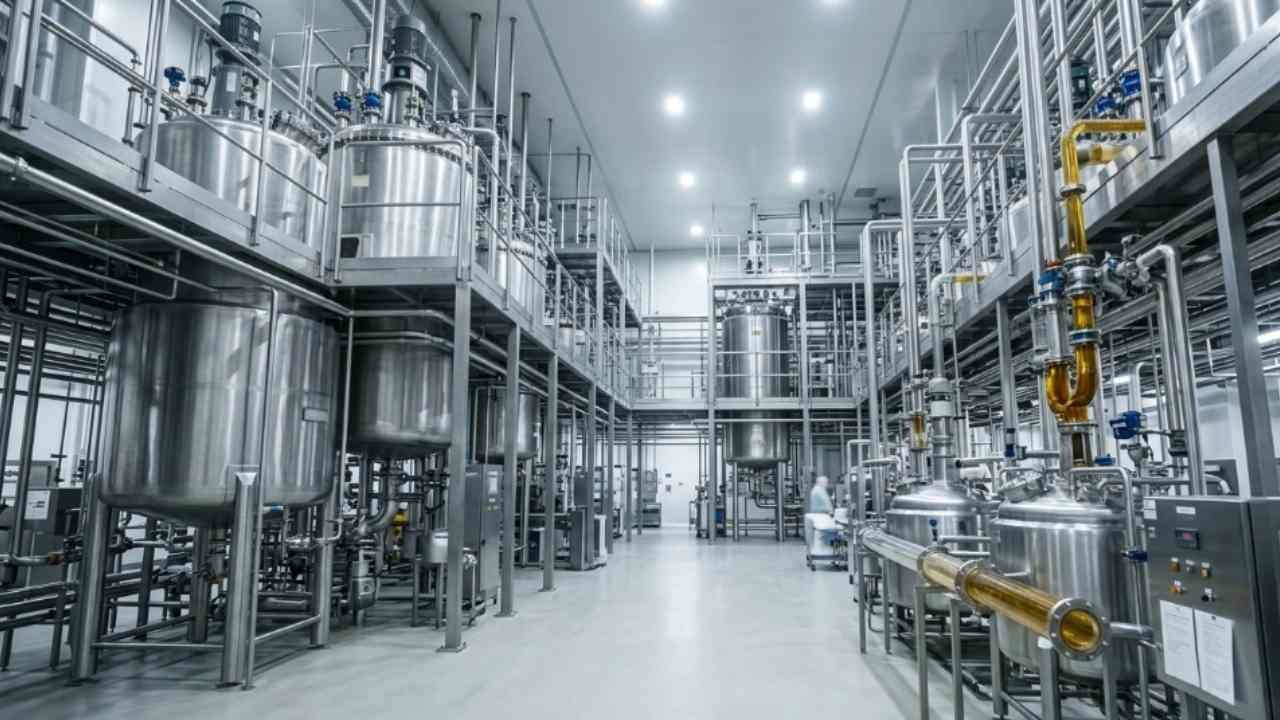
I want you to know that scale is power in the vitamin market. Most of the world's Vitamin B9 is made in a few giant hubs in China. These factories have huge reactors and automated lines. High capacity means the factory can run 24 hours a day. This lowers the labor cost per kilogram. It also ensures that the purity is the same from drum to drum. Smaller plants might stop and start their machines often. Every time they start, the quality can change. I prioritize large partners for my wholesale2 clients. This gives you the most consistent product for your food mills or supplement factories.
Environmental Compliance and Continuity
Vertical integration and environmental permits are also part of capacity. The biggest producers in China make their own chemical intermediates. They do not buy raw materials from the open market. This makes them very stable. They do not have to worry about shortages as much as small plants. I also check their environmental3 waste treatment systems. In China, the government closes factories that pollute the air or water. A large factory has the money to build a good treatment plant. This ensures they stay open when the government does an audit. I visit these plants to check their permits. This oversight is how I protect your supply chain from sudden gaps. High capacity is your insurance against market volatility.
Supplier Scale vs. Reliability Level
| Factory Level | Annual Output | Risk Level | Supply Stability |
|---|---|---|---|
| Global Leader | > 1,500 Tons | Very Low | Maximum market security |
| Large Scale | 800 - 1,500 Tons | Low | Very stable production |
| Medium Plant | 300 - 800 Tons | Moderate | Subject to power limits |
| Small Producer | < 300 Tons | High | Frequent stops for audits |
| New Entrant | Variable | Moderate | Needs quality verification |
How Can Buyers Evaluate Vitamin B9(Folic Acid) Manufacturers?
Trusting a website photo is a dangerous gamble for your company. You risk receiving off-spec or clumpy material. I explain how to audit factories professionally to remove the fear from your procurement.
Evaluate manufacturers by checking their HPLC lab equipment and clean-room conditions. Reviewing batch-specific COAs and requesting third-party inspections (SGS) are the best ways to verify chemical purity and moisture levels before shipping Vitamin B9 from China.
Laboratory Verification and Technical Checks
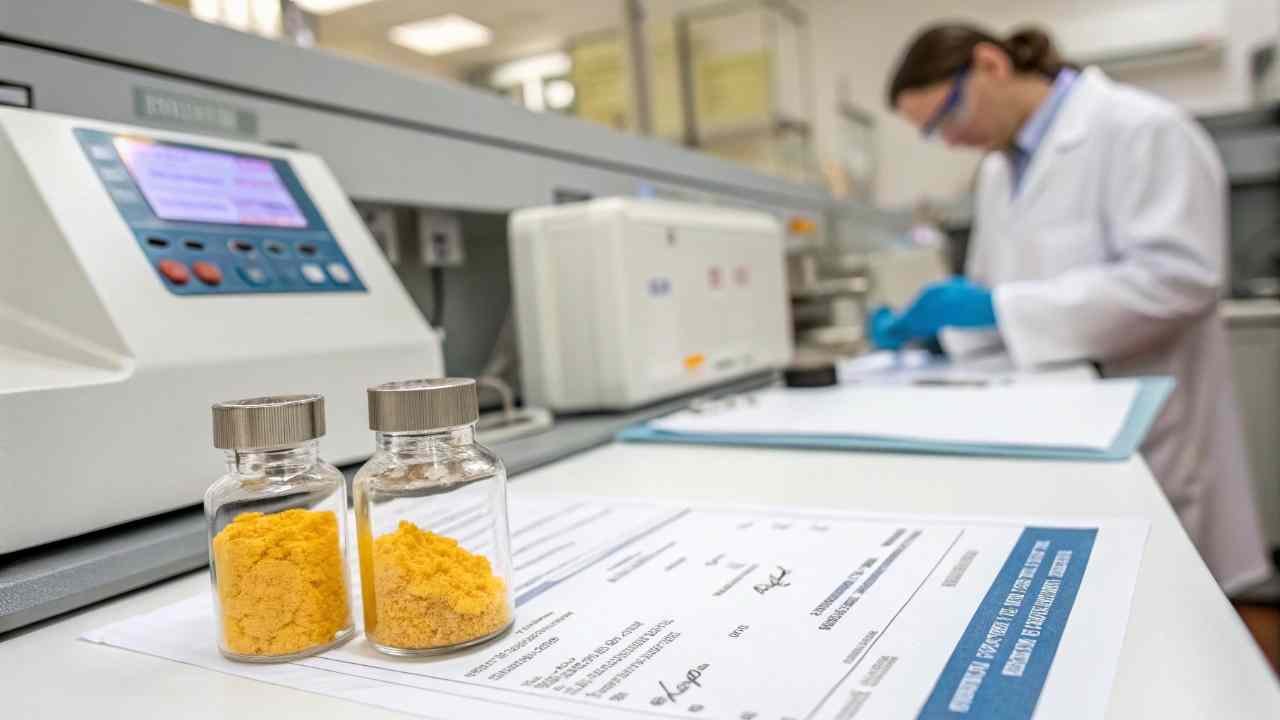
I see that the laboratory is the heart of a reliable factory. I visit our partner factories to see their lab equipment personally. The most critical machine for Vitamin B9 is the HPLC4 (High-Performance Liquid Chromatography). It separates the vitamin from any impurities. I check the calibration logs of these machines. If a factory does not have its own HPLC, I do not buy from them. I also look at the moisture testing oven. For Folic Acid, moisture must be below 8.0%. If the powder is too wet, it will become a solid block in your warehouse. I ensure every batch passes these technical tests before we pack the 25kg drums.
On-site Audits and Storage Conditions
Physical audits are also vital. I look at the packing area. It must be a clean room to prevent bacteria. I also check the warehouse. Vitamin B9 is sensitive to light. The warehouse must be cool, dry, and dark. I look for "Retainer Samples." Factories must keep a sample from every batch for three years. This is a technical requirement for traceability5. If you ever have a problem, we can test my sample to find the truth. If a supplier refuses an audit, they are hiding a problem. I act as your eyes in China to ensure safety. My focus on these physical facts is how I help you choose the best source for your brand.
Audit Checklist for Professional Buyers
| Audit Point | Target Standard | Importance | eric's Advice |
|---|---|---|---|
| Lab Equipment | Calibrated HPLC / AA | Critical | Ask for calibration logs |
| Packing Area | Clean room environment | High | Check for HEPA filters |
| Storage | Temperature < 25°C | High | Check for light protection |
| Traceability | Batch codes on drums | Critical | Must match the COA exactly |
| Waste Treatment | Valid Gov. Permit | High | Prevents sudden shutdowns |
| Sample Policy | 3-year retention | Moderate | Ask to see sample room |
What Documents Should Vitamin B9(Folic Acid) Suppliers Provide?
Missing documents stop your cargo at customs and cause high fees. These errors destroy your profit margins. I provide a complete technical file with every shipment to ensure smooth clearance for your business.
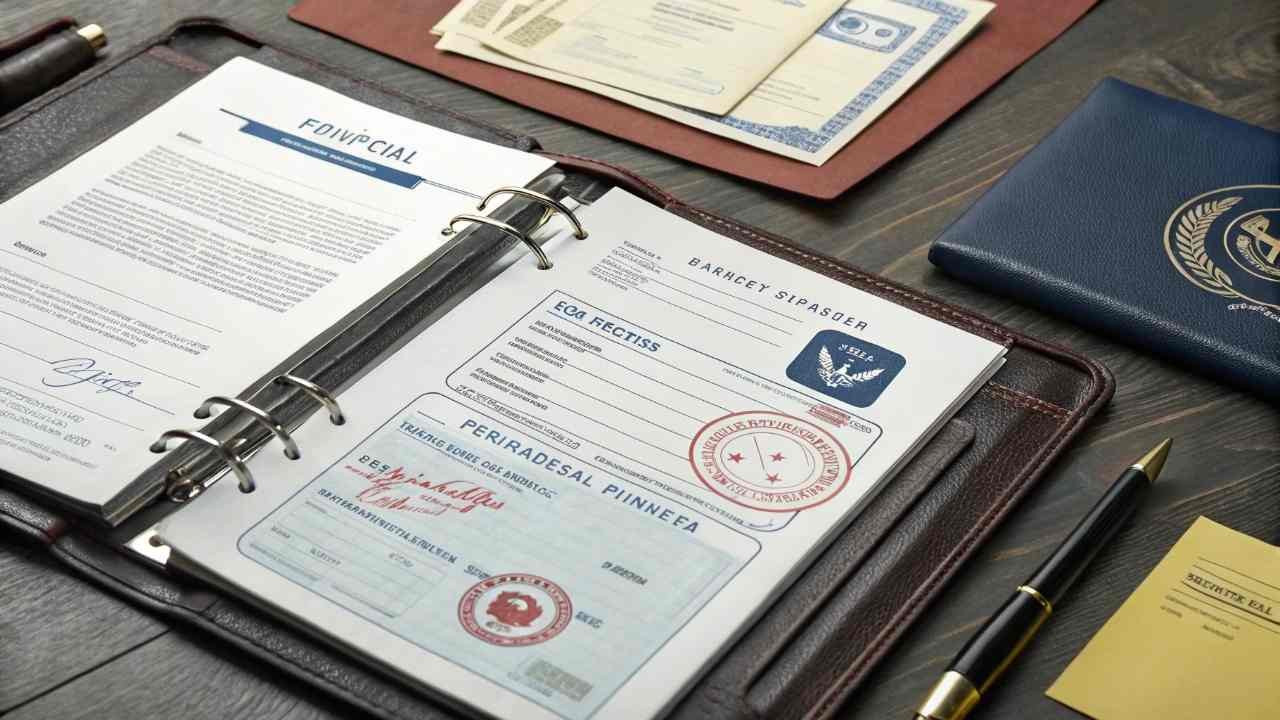
Suppliers must provide a batch-specific Certificate of Analysis (COA), a Health Certificate, and a Material Safety Data Sheet (MSDS). For international trade, a Certificate of Origin and HALAL/KOSHER papers are essential for fast customs clearance and regulatory compliance in your home country.
Technical Compliance and Health Papers
I manage the paperwork for buyers in Saudi Arabia, Indonesia, and Russia. Every country has different rules. I provide the COA for every batch. This paper must list the assay level (97% - 102%) and the heavy metal limits. It must match the batch number on the drum exactly. For my clients in the Middle East, the Health Certificate from the Chinese government is critical. It proves the Folic Acid is fit for human consumption. I check every word on these papers. If there is one typo, the customs will stop the goods. I act as your office in China to ensure every export is 100% legal. This professional service is why my partners stay with FINETECH.
Logistics Paperwork and Traceability
Logistics documents are also a technical part of the trade. I provide the MSDS6. This document tells your warehouse team how to handle the orange-yellow powder safely. It is a requirement for shipping lines. I also help with the Certificate of Origin. This paper can lower your import taxes in some regions. I gather all these technical documents into one digital file. I send this to you early. Your customs agent can check it before the container arrives at the port. This foresight saves you from expensive port storage fees. I focus on these document details so you can focus on selling. Proper paperwork is the foundation of a successful wholesale business.
| Document Name | Technical Purpose | Importance | Eric's Role |
|---|---|---|---|
| COA | Proves batch purity | Mandatory | Verify against USP/BP |
| Health Certificate | Gov. safety proof | High (ME Market) | Apply via Customs |
| MSDS | Safety and handling | Mandatory | Provide for logistics |
| Cert. of Origin | Tax and tariff info | Moderate | Apply for buyer |
| Packing List | Weight and count | Mandatory | Match drum labels |
| HALAL / KOSHER | Religious compliance | High | Check for MUI/JAKIM |
How Can Partnerships Improve Vitamin B9(Folic Acid) Supply Stability?
Switching suppliers every month creates quality gaps and high costs. This chaos slows your business expansion. I build long-term partnerships that provide the stability and priority needed for real market growth.
Strategic partnerships and annual contracts protect buyers from price spikes and supply shortages. They guarantee production slots and provide preferential pricing, ensuring your business remains competitive throughout the entire year while others face stockouts or high spot prices.
The Power of Annual Contracts
I see that market leaders always use annual contracts. The price of Vitamin B9 in China can change fast. It depends on chemical intermediate costs. If you buy on the spot market, your cost is a gamble. With an annual contract, I help you lock in a price for the whole year. Even if the market price spikes, your cost stays the same. This allows you to give stable quotes to your own customers. It gives you a huge competitive advantage in markets like the Middle East. I manage the relationship with the factory to ensure they honor the price for all 12 months. This stability is vital for your growth.
Collaborative Supply Chains and Support
A partnership is also about "priority supply." During peak seasons, factories in China are very busy. They often stop taking new orders. But if you have a partnership, the factory reserves a production slot for you every month. Your Vitamin B6 is made and shipped first. I oversee this schedule to ensure the material is always fresh. You do not have to worry about running out of stock. We also provide technical support. If you need a specific particle size, we make it for you. This level of service is only possible in a strategic relationship. I focus on your success because if you grow, I grow. By working together for years, we create a supply chain that is safe and profitable.
| Relationship Stage | Interaction Type | Strategic Benefit | Competitive Gain |
|---|---|---|---|
| First Order | Trial / Test | Quality verification | Test the source |
| 1 - 2 Years | Regular Supply | Price stability | Lower procurement cost |
| 3 - 5 Years | Strategic Partner | Annual Price Locks | Budget security |
| 5+ Years | Integrated Chain | Priority Supply | Market dominance |
Conclusion
Choosing a reliable Vitamin B9 supplier requires checking certifications, production capacity, technical documents, and partnership value. I manage these details at FINETECH to ensure your business remains safe and profitable.
-
ISO (International Organization for Standardization) – Global standards for food safety management systems used by food enterprises to ensure consumer safety and regulatory compliance. ↩
-
Investopedia – A comprehensive resource for buyers and business owners to understand the economic role and strategic advantages of the wholesale distribution model. ↩
-
EPA Environmental Topics – Official resources on environmental safety regulations, which are critical for technical personnel monitoring the sustainability of chemical production. ↩
-
Lab Manager – An analytical instrument guide for technical personnel on using technologies like HPLC to ensure the chemical purity of food additives. ↩
-
GS1 Global Traceability Standard – A worldwide business standard that enhances food safety by providing frameworks for rigorous batch tracking across the international supply chain. ↩
-
Safe Work Australia – Detailed information on Safety Data Sheets (MSDS), a technical requirement for the safe handling, storage, and transport of chemical goods. ↩