
High Vitamin B9 prices drain your profit margins. Unstable production costs make your budget planning impossible. I explain the technical cost drivers to help you protect your business capital.
Vitamin B9 production costs are determined by the price of chemical intermediates like p-aminobenzoyl glutamic acid and pteridine derivatives. Energy costs for synthesis, factory environmental compliance fees, and the scale of manufacturing in China also significantly influence final export pricing.
I manage the sourcing and quality oversight for my B2B partners at FINETECH. I want to show you the technical breakdown of Folic Acid costs so you can buy more effectively and keep your business safe.
How Do Raw Materials Affect Vitamin B9(Folic Acid) Costs?
Fluctuating raw material prices in China cause sudden vitamin cost spikes. This instability hurts your business results. I identify the core chemicals that move your final purchase price every day.
Raw materials account for 50% to 60% of Vitamin B9 costs. The prices of key precursors like para-aminobenzoic acid (PABA) and glutamic acid follow petrochemical trends. Any shortage in these specialty chemicals directly raises the manufacturing cost per kilogram for wholesalers.
The Chemical Intermediate Chain
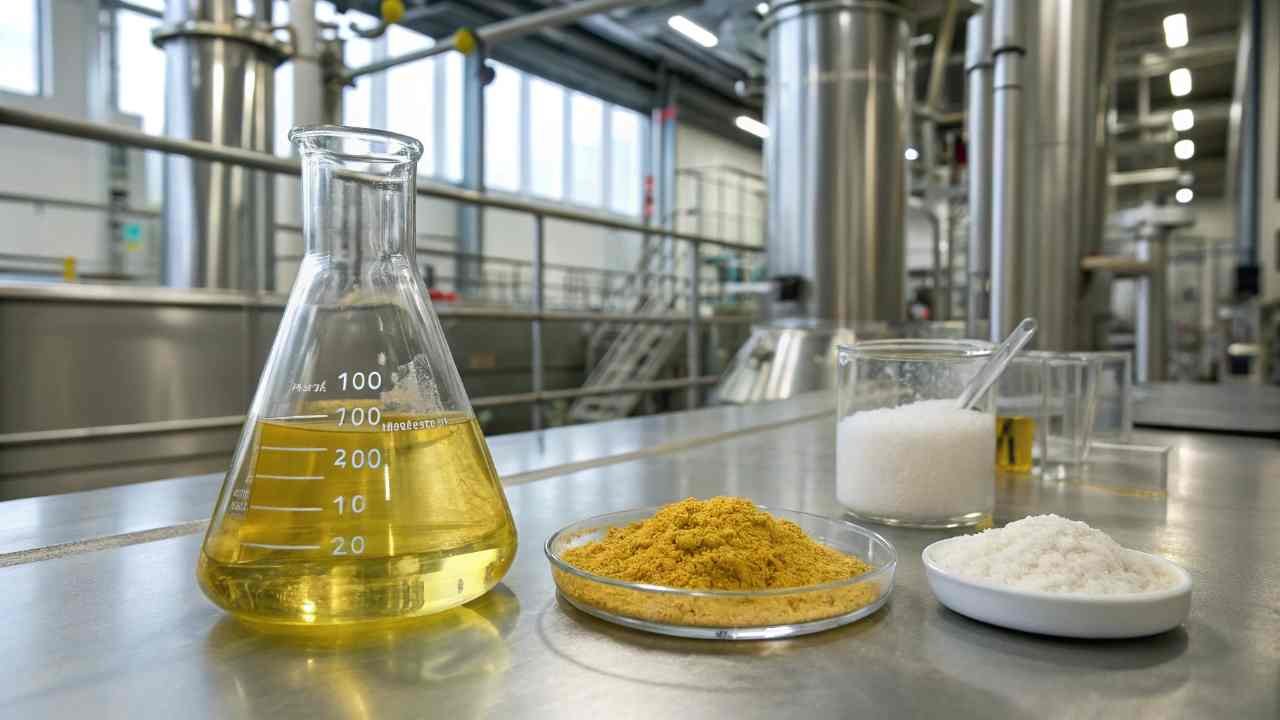
I see that Vitamin B9 pricing starts deep in the chemical industry1. The synthesis of Folic Acid is a multi-step process. It requires complex intermediates that are not produced by every factory. First, para-aminobenzoic acid (PABA) is reacted with L-glutamic acid to form p-aminobenzoyl glutamic acid. Then, this is coupled with a pteridine derivative to build the final molecule. I monitor the prices of these chemical building blocks in China every week. Pteridine is often the most expensive part of the chain. If the supply of these intermediates is low, the factory price of Vitamin B9 goes up fast. I only work with factories that have secure, long-term contracts for their raw materials. This ensures they do not stop production when the market gets tight.
I also observe the "yield" of the manufacturing process2. Yield is the amount of vitamin produced from a certain amount of raw material. A higher yield means the factory is more efficient. I visit our partner factories to check their sourcing logs and batch efficiency. If a factory uses low-purity chemicals, their yield drops. This increases the cost per kilogram. I prioritize factories that use high-quality catalysts and reagents. These materials cost more at first but they make the synthesis more stable. This leads to a more competitive price for you. By understanding these chemical facts, I help you see why a price is moving before it hits the market. This foresight is a key part of my service to my buyers in the Middle East and Southeast Asia.
Raw Material Cost Breakdown
| Component | Specific Chemical | Cost Contribution | Price Driver |
|---|---|---|---|
| Core Ring | Pteridine Derivatives | 40% - 45% | Specialty chemical supply |
| Side Chain | PABA & Glutamic Acid | 10% - 15% | Petrochemical / Agri prices |
| Reagents | Sodium Hydroxide / Acids | 5% | Industrial gas costs |
| Solvents | Alcohols / Toluene | 8% | Crude oil prices |
| Purifiers | Activated Carbon | 2% | General commodity price |
How Do Energy Prices Influence Vitamin B9(Folic Acid) Production Costs?
High energy bills in China force factory prices upward without warning. These hidden costs ruin your procurement budget. I explain how utility prices change the Folic Acid market daily.
Vitamin B9 synthesis is energy-intensive, requiring massive amounts of steam for heating and electricity for spray drying. Rising coal or gas prices in China lead to immediate price increases as factories pass these utility expenses to global wholesale buyers.
Power and Steam Consumption in Factories
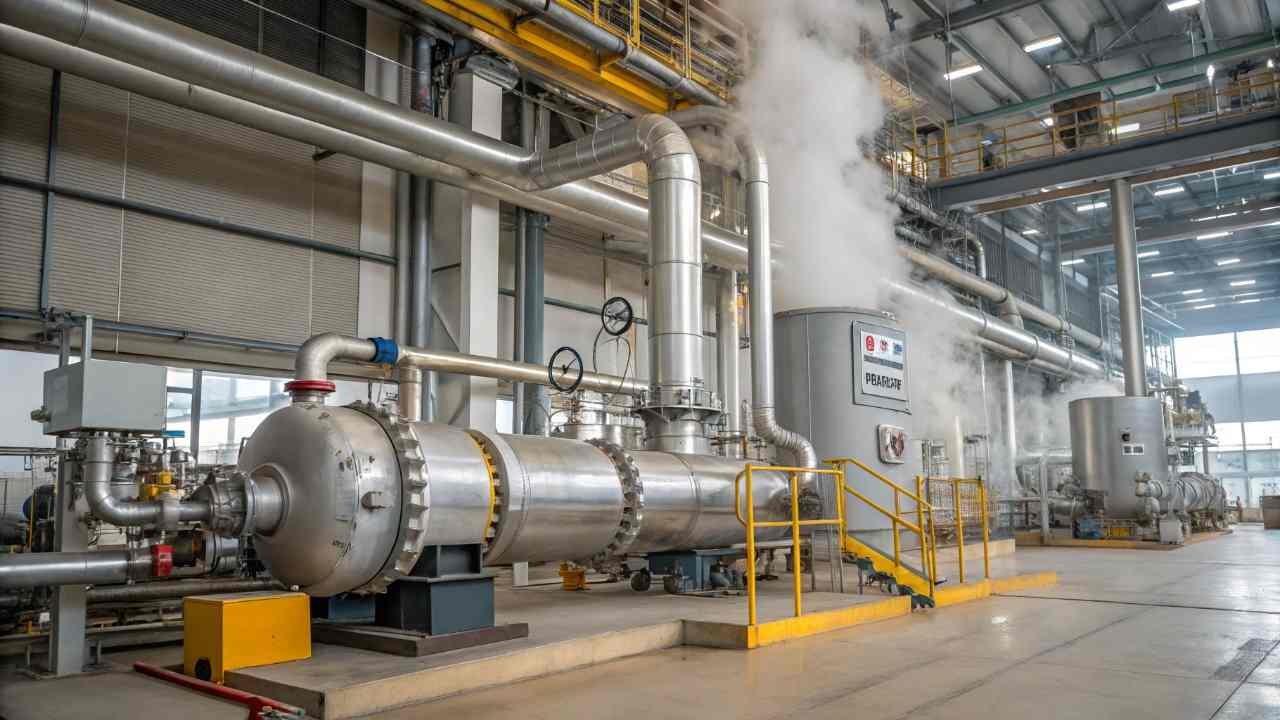
I want you to understand that making Vitamin B9 is not just a simple mix. It involves high-temperature chemical reactions3 that last for long periods. The stainless steel reactors must be kept at specific temperatures using steam. In China, this steam usually comes from coal or natural gas. When the price of coal goes up in provinces like Hebei, the factory cost goes up immediately. I track the energy index in these main hubs. If I see energy prices rising, I tell my buyers to increase their stock. This data-driven approach helps you avoid the "peak season" price hikes that hurt other traders. I act as your eyes on the ground to manage these energy risks.
Also, the "spray drying" and crystallization steps use a lot of electricity. To turn the liquid vitamin into the orange-yellow powder I ship to you, the factory uses giant fans and heaters. I visit factories to check their energy efficiency. High-tech factories use "waste heat recovery" systems. They catch the hot air from one process and use it for another. This lowers their energy bill by 15%. I select these efficient producers to get you the best price. You must also consider government policy. The Chinese government sometimes sets "energy caps" to reduce pollution. When a factory hits its cap, it must slow down or stop. This lowers supply and raises the price. I focus on these technical facts to protect your business margins.
Energy Cost Impact Analysis
| Energy Type | Primary Function | Cost Impact | Strategy for Savings |
|---|---|---|---|
| Steam | Heating reactors | 12% - 15% | Heat recovery systems |
| Electricity | Motors & Air drying | 8% - 10% | Automated DCS control |
| Natural Gas | Pure synthesis heating | 5% | Bulk utility contracts |
| Waste Cooling | Temperature control | 3% | Water recycling loops |
| Logistic Fuel | Inland transport | 2% | Optimized port routing |
How Does Production Scale Reduce Vitamin B9(Folic Acid) Costs?
Small factories have high overhead and unstable pricing. This waste raises your procurement costs. I show you how large-scale production in China creates the competitive prices you need.
Large-scale production reduces costs through economies of scale, automated synthesis, and higher intermediate conversion rates. Factories producing 1,000+ tons annually have lower fixed costs per unit, providing more stable and competitive pricing for bulk international wholesalers.
Economies of Scale and Automation
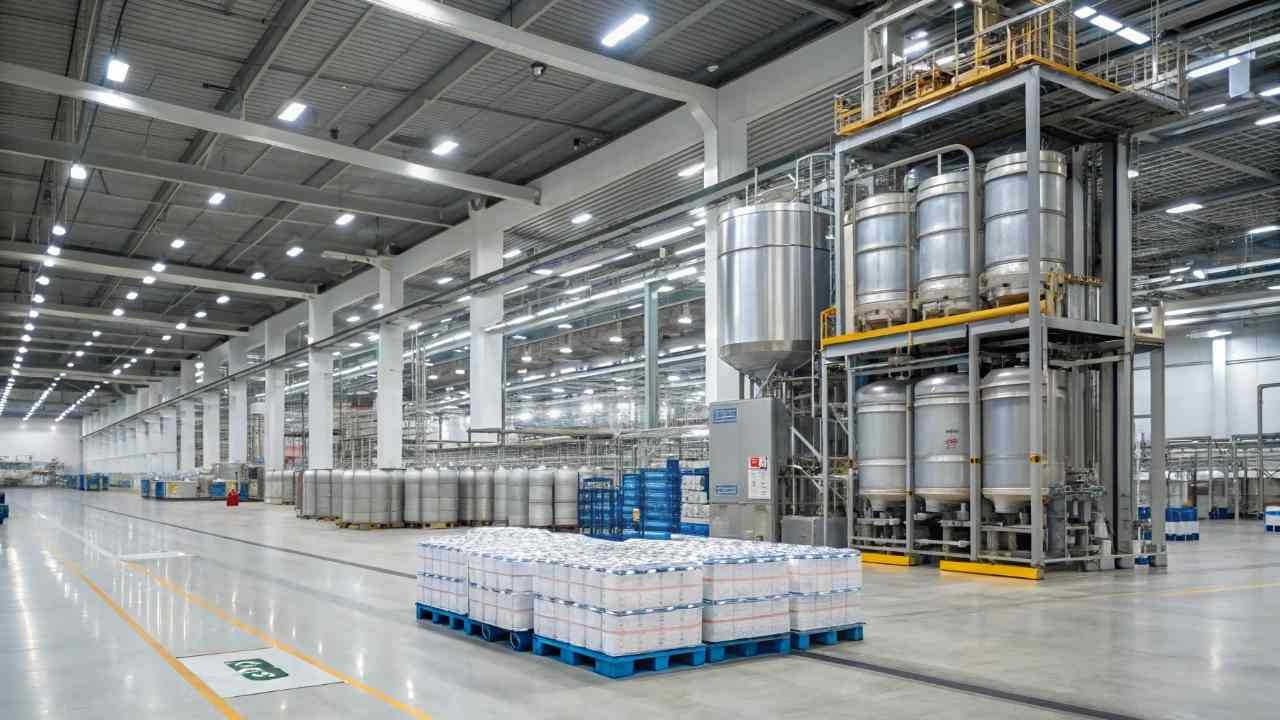
I see that scale is power in the vitamin market. A large factory in China can produce over 1,500 tons of Vitamin B9 every year. They use giant 20,000-liter reactors. Making one large batch is much cheaper than making ten small ones. The labor cost and the lab testing cost are the same for both. This "spreading of fixed costs4" is how large producers keep their prices low. I prioritize these large-scale partners for my wholesale clients in Europe and Russia. If you buy from a small factory, you pay for their inefficiency. I ensure you get the benefit of mass production. This allows you to stay competitive in your local market.
Vertical integration is another part of scale. The biggest producers in China make their own chemical intermediates. They do not buy PABA from the open market. They run their own chemical plants next door. This removes the "middleman markup" from their internal cost structure. I look for these integrated suppliers because they are the most stable. They do not have to worry about raw material shortages as much as small plants. Also, large factories invest more in automation (DCS systems5). Automation reduces human error and waste. A batch that fails because of a human mistake is a total loss. Scale ensures a higher success rate and consistent quality. This reliability is vital for your long-term business growth. I manage the selection of these elite factories for you.
Factory Scale Comparison
| Factory Level | Annual Output | Cost Efficiency | Supply Risk |
|---|---|---|---|
| Small Producer | < 300 Tons | Low (High overhead) | High (Market sensitive) |
| Medium Plant | 300 - 800 Tons | Moderate | Moderate |
| Large Scale | 800 - 1,500 Tons | High (Efficient) | Low (Stable) |
| Global Leader | > 1,500 Tons | Maximum (DCS) | Very Low |
| Integrated Hub | Variable | Maximum (Self-supply) | Lowest Risk |
How Do Regulations Affect Vitamin B9(Folic Acid) Pricing?
Strict government audits in China cause sudden factory shutdowns. This supply gap leads to panic buying and high prices. I analyze compliance costs to help you stay ahead.
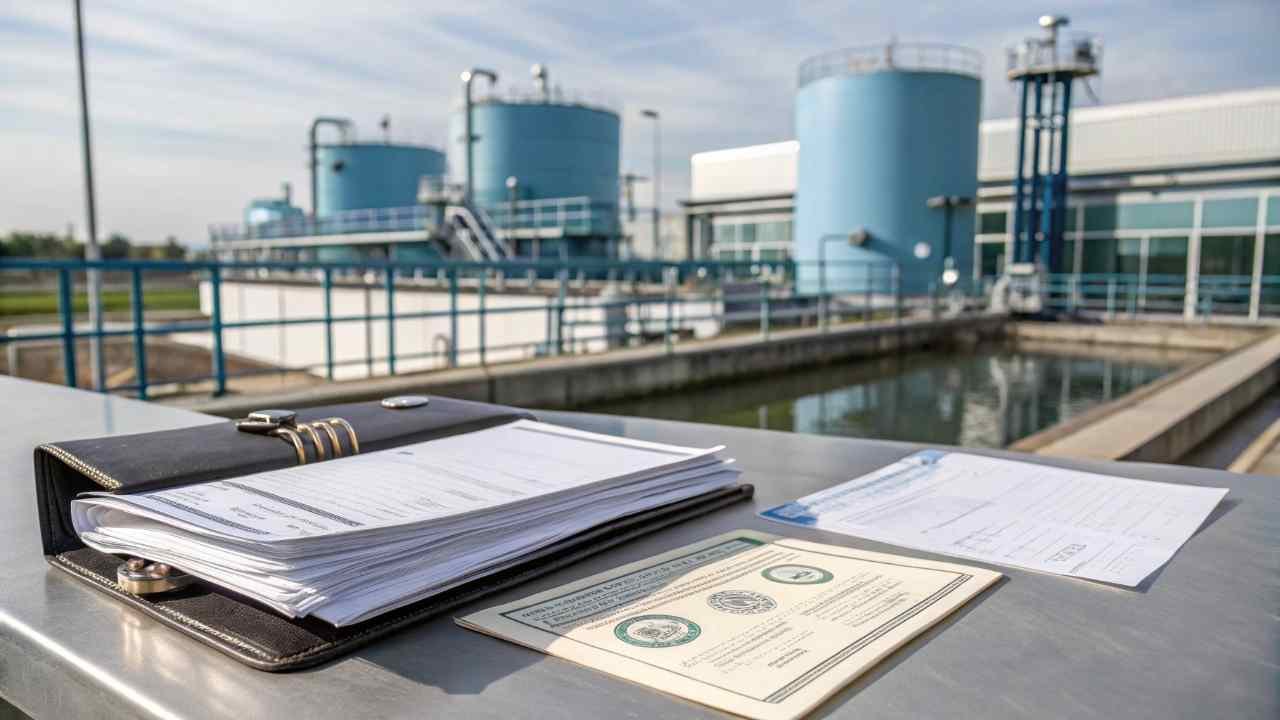
Regulatory compliance, including wastewater treatment and environmental audits, adds 10% to 15% to production costs. These fees ensure factories meet Chinese pollution laws, which prevents sudden government shutdowns and ensures long-term supply stability for global buyers.
The Cost of Compliance and Safety
I want you to understand that "Green Production" is now mandatory in China. Vitamin B9 synthesis creates chemical waste and nitrogen-heavy water. Factories must run expensive treatment plants to clean this waste before it leaves the gate. I calculate that waste treatment adds a significant amount to every kilogram of Folic Acid. If a factory does not pay for this, the government will close them in one day. I audit my partner factories to ensure they have all their "Environmental Impact Assessment" (EIA) permits. I avoid buying from "cheap" factories that skip these costs. It is safer for your business to pay a fair price for a compliant product than to risk a sudden supply stop.
Certification costs are the other part of compliance. Maintaining ISO 22000, HACCP, and GMP requires constant work. Factories must pay for external auditors and regular lab testing. I check for these certificates before I select a factory for my clients. A certified factory has a management system to prevent contamination. This reduces the risk of expensive product recalls. I also manage the religious certifications like HALAL and KOSHER. These papers are needed for the Middle East and Southeast Asian markets. They are not free; the factory must pay annual fees. I ensure these costs are included in the price I quote. This transparency ensures you are buying a legal and safe product. I focus on these technical safety steps for your business.
Compliance Cost Factors
| Compliance Area | Required Action | Price Influence | Benefit to Buyer |
|---|---|---|---|
| Waste Water | Biological treatment | 8% - 10% | No sudden shutdowns |
| Air Emissions | Scrubbing systems | 3% - 5% | Compliance with law |
| Food Safety | HACCP / ISO 22000 | 2% | Quality assurance |
| Religious | HALAL / KOSHER | 1% | Market access |
| Pharma Standards | GMP / USP Audit | 5% | High purity guarantee |
How Can Buyers Analyze the Total Cost of Vitamin B9(Folic Acid)?
Low unit prices often hide high logistics fees and customs delays. These surprises destroy your profit margins. I show you how to calculate the total landed cost to protect your business.
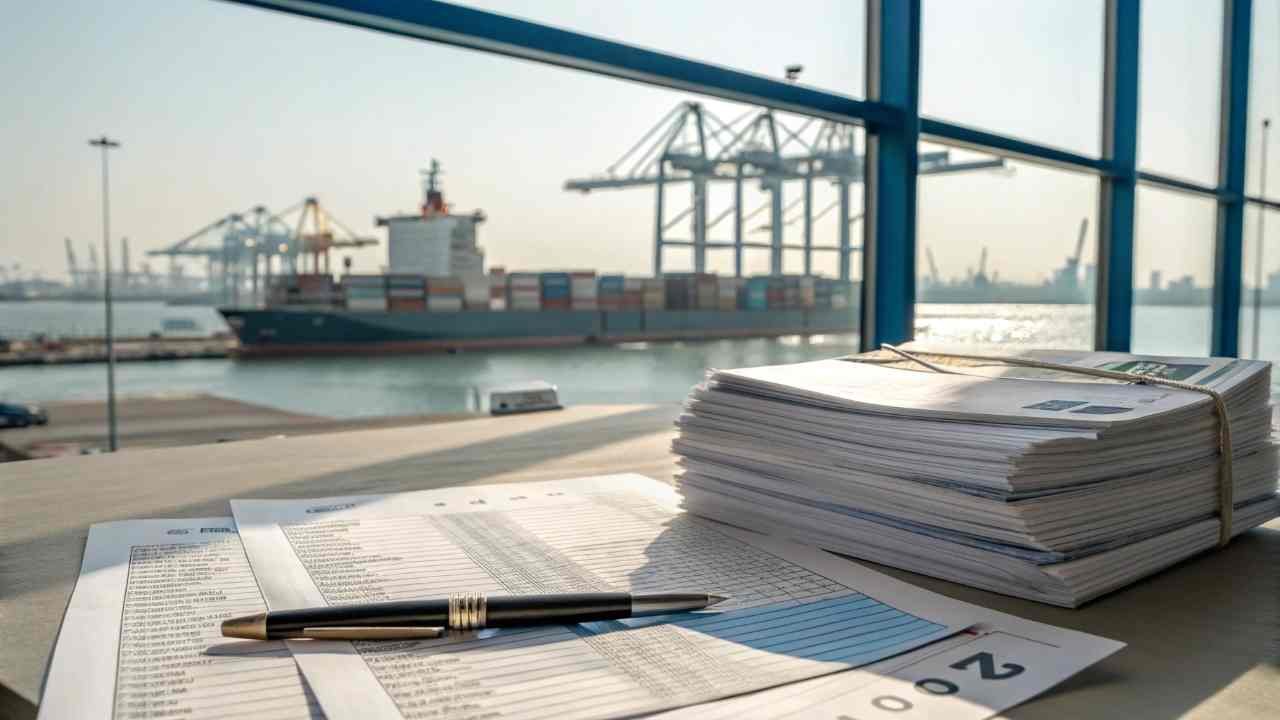
Buyers analyze total cost by adding factory price, ocean freight, marine insurance, and import duties. Factoring in port fees and inland transport provides the true landed cost per kilogram, helping wholesalers set accurate local selling prices and maintain profitability.
Calculating Landed Cost for Wholesale
I want you to know that the price on your proforma invoice is not your final cost. You must look at the "Total Landed Cost." This is the price of the Vitamin B9 when it sits in your warehouse. First is the unit price (FOB or CIF). Then is the sea freight. Freight prices change every month. I suggest my buyers always use a Full Container Load (FCL) when possible. If you buy 10 tons, the shipping cost per kilogram is much lower than buying a small lot. I also check the insurance rate. Marine insurance is cheap but vital. It protects your capital if the ship has an accident. I manage these logistics facts so you can see your true profit margin.
The second part of the analysis is the "Hidden Costs." These include port fees and customs duties in your country. I help my clients check their local HS code6 for Vitamin B9 (usually 293629). Using the wrong code can lead to fines. I also look at "Free Time" at the port. I negotiate with shipping lines to give you 14 or 21 days of free storage. This prevents high demurrage fees if your paperwork takes a few days. Also, consider the cost of financing. If you pay 100% upfront, that money is not working for you. I offer flexible payment terms to help my regular partners manage their cash flow. By adding all these factors, you find the real cost of your procurement. I act as your strategic office in China to optimize this total cost.
Total Landed Cost Elements
| Cost Element | Basis of Calculation | Responsibility | Eric's Role |
|---|---|---|---|
| Factory Price | Per KG (FOB) | Seller | Negotiate low price |
| Ocean Freight | Per Container | Shipping Line | Secure best route |
| Marine Insurance | % of CIF Value | Insurance Co | Protect your capital |
| Import Duties | % of Invoice Value | Local Customs | HS code verification |
| Port Handling | Per BL / Container | Port Authority | Negotiate free time |
| Inland Truck | Per KM | Local Trucker | Coordinate delivery |
Conclusion
Vitamin B9 production costs depend on raw materials, energy, scale, and compliance. I manage these technical factors at FINETECH to ensure your procurement remains safe, stable, and profitable.
-
ChemAnalyst – Detailed pricing analysis and market insights for Folic Acid (Vitamin B9) in the global chemical market. ↩
-
ScienceDirect – Comprehensive overview of industrial manufacturing processes and engineering efficiency. ↩
-
Britannica – Scientific breakdown of chemical reaction principles essential for understanding complex synthesis. ↩
-
Investopedia – Financial guide to understanding fixed costs and how they impact economies of scale in manufacturing. ↩
-
Yokogawa – In-depth explanation of Distributed Control Systems (DCS) used to automate and stabilize chemical production. ↩
-
World Customs Organization – Official resource for the Harmonized System (HS) codes used in international trade classification. ↩