
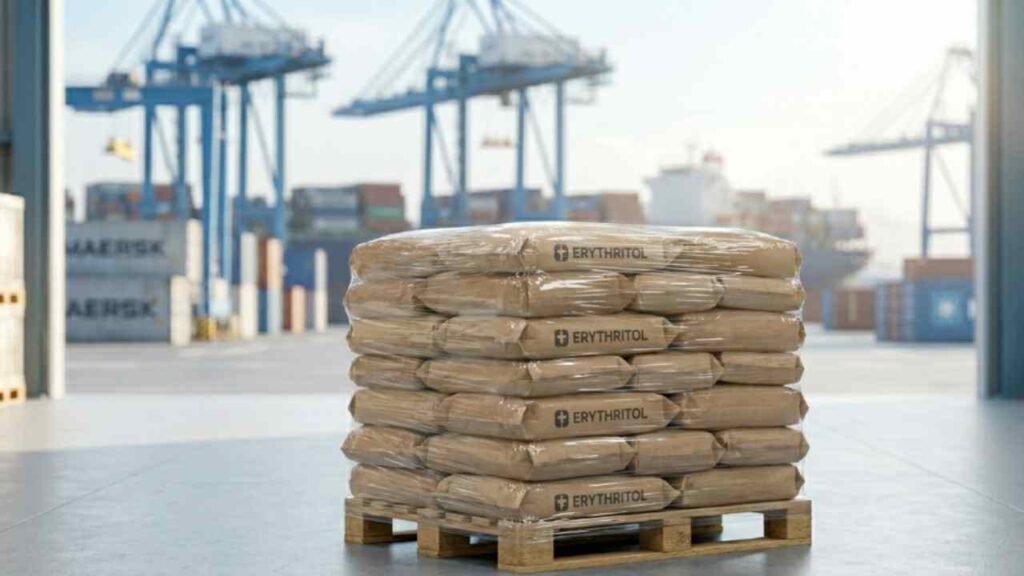
Late shipments and damaged cargo ruin your production schedule and waste money. This logistics chaos stops your growth. I manage the supply chain to ensure your Erythritol arrives safely and on time.
Main logistics challenges for Erythritol include moisture-induced caking, port congestion, and seasonal container shortages. Effective management requires using high-micron PE liners, moisture-absorbing desiccants, and booking shipments 3-4 weeks in advance to avoid delays at major Chinese ports like Qingdao or Tianjin.
I want to share my professional experience in handling international food additive logistics so you can avoid common mistakes. I oversee every step of the journey from the factory to your warehouse.
How to ensure timely delivery of Erythritol shipments?
Unreliable shipping dates leave your warehouse empty and your customers angry. This uncertainty kills your brand trust. I use proven scheduling tactics to keep your Erythritol moving without any stops.
Ensure timely delivery by booking cargo space 21 days before production finishes and choosing direct shipping routes. Using freight forwarders with blocked-space agreements and avoiding transshipment hubs reduces the risk of containers being "rolled" during peak seasons or holidays.
Forecasting and Strategic Scheduling
I see that many buyers wait until the product is ready to book a ship. This is a technical mistake. In China, the export market is very busy. If you wait, you will not find a container. I suggest a 21-day booking rule. We book the space while the Erythritol is still in the fermentation tank. This secures your spot on the vessel. I also check the factory production schedule every week. If there is a delay in the lab, I adjust the logistics immediately. This proactive management prevents your cargo from sitting at the port and paying extra storage fees.
I also focus on port selection. Most Erythritol comes from Shandong province. I usually choose the Port of Qingdao. It is a major hub with many direct lines to the Middle East and Europe. Direct lines are better than transshipment. Transshipment means your container moves to another ship in a place like Singapore. This increases the chance of your cargo being left behind. I prioritize carriers like Maersk or COSCO because they have high reliability. I also tell my clients to avoid shipping during the Chinese New Year. The whole country stops for two weeks. I help you plan your inventory so you have enough stock before the holiday starts. This planning is how I keep your supply chain1 silent and steady.
Lead Time Breakdown Table
| Stage | Duration | FINETECH's Action | Risk Factor |
|---|---|---|---|
| Production | 10 - 14 Days | Monitor fermentation | Raw material shortage |
| Booking | 3 - 5 Days | Secure vessel space | Space scarcity |
| Port Transit | 2 - 3 Days | Coordinate trucking | Trucking strikes |
| Customs | 1 - 2 Days | Prepare COA/Health Cert | Document errors |
| Sea Freight | 15 - 35 Days | Track vessel location | Bad weather / Piracy |
| Total | 31 - 59 Days | End-to-end oversight | Unplanned delays |
What risks occur during Erythritol transportation?
Forklift accidents or leaking containers can destroy your entire wholesale order. This loss of capital is a nightmare. I identify and block transport risks to protect your sweetener investment during the long journey.
Transportation risks for Erythritol include physical bag breakage, water damage from "container rain," and cross-contamination. Using reinforced pallets, corner protectors, and heavy-duty multi-layer bags minimizes these risks, ensuring the product remains food-grade and free-flowing upon arrival at your facility.
Physical Protection and Contamination Control
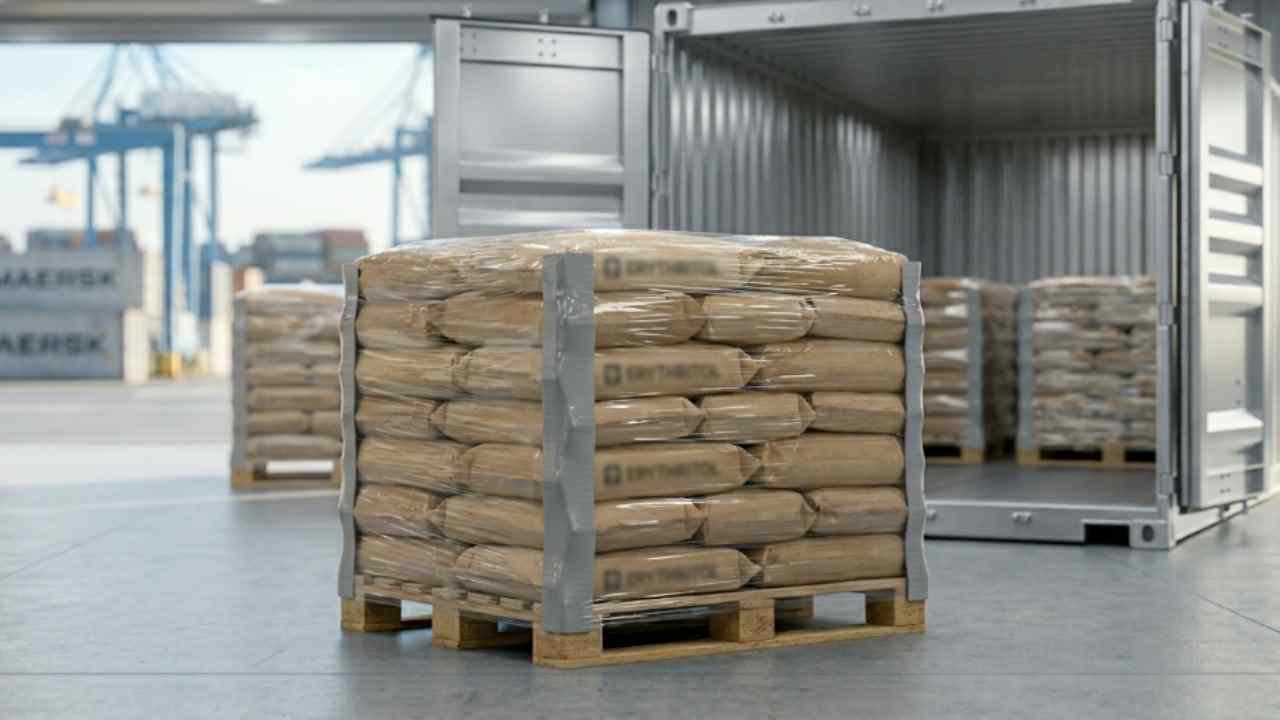
I see that the biggest physical risk is bag breakage. Erythritol is a heavy product. A 25kg bag can easily tear if handled roughly. I prevent this by using multi-layer kraft paper bags with a plastic coating. I also ensure the pallets are high quality. We use new wooden pallets that are heat-treated. I add cardboard corner protectors to the four sides of the pallet. Then we use thick shrink wrap to tie everything together. This makes the pallet a solid block. It will not lean or fall during the ship's movement. I visit the loading site to check these details before the container is sealed.
Contamination is another major risk in food additive logistics. Erythritol must be kept away from chemicals or strong-smelling goods. I ensure your container is "Food Grade Only." I do not allow our cargo to be mixed with industrial chemicals. I also check the container for holes. If light can get in, water can get in. I also look for "Container Rain." This happens when the container gets hot and then cold. Water drips from the ceiling. I use "Container Desiccants" to soak up this moisture. These are large bags of calcium chloride2 that hang inside the container. This technical step is essential for shipping to humid regions like Southeast Asia or the Middle East. I act as your quality gatekeeper to ensure the product stays pure.
Risk Mitigation Matrix
| Risk Type | Possible Outcome | FINETECH's Solution | Effectiveness |
|---|---|---|---|
| Physical Impact | Torn bags / Spillage | Reinforced pallets & wrap | Very High |
| Container Rain | Caking / Wet bags | High-capacity desiccants | High |
| Contamination | Off-smell / Toxic | Food-grade container only | Very High |
| Rough Handling | Crushed crystals | Double-walled bags | High |
| Theft / Loss | Missing cargo | Security seals & tracking | High |
| Sun Exposure | Plastic degradation | UV-protected outer bags | Moderate |
How do humidity and temperature affect Erythritol quality?
High humidity turns fine Erythritol crystals into a hard, useless block. This caking makes your manufacturing impossible. I use technical moisture barriers to keep your product free-flowing in any climate.
High humidity (above 70%) causes Erythritol to absorb moisture and "cake," while extreme temperature fluctuations lead to condensation inside containers. Protecting quality requires heat-sealed PE liners and container desiccants to maintain an internal relative humidity below 60% during long sea voyages.
Managing the Dew Point and Moisture
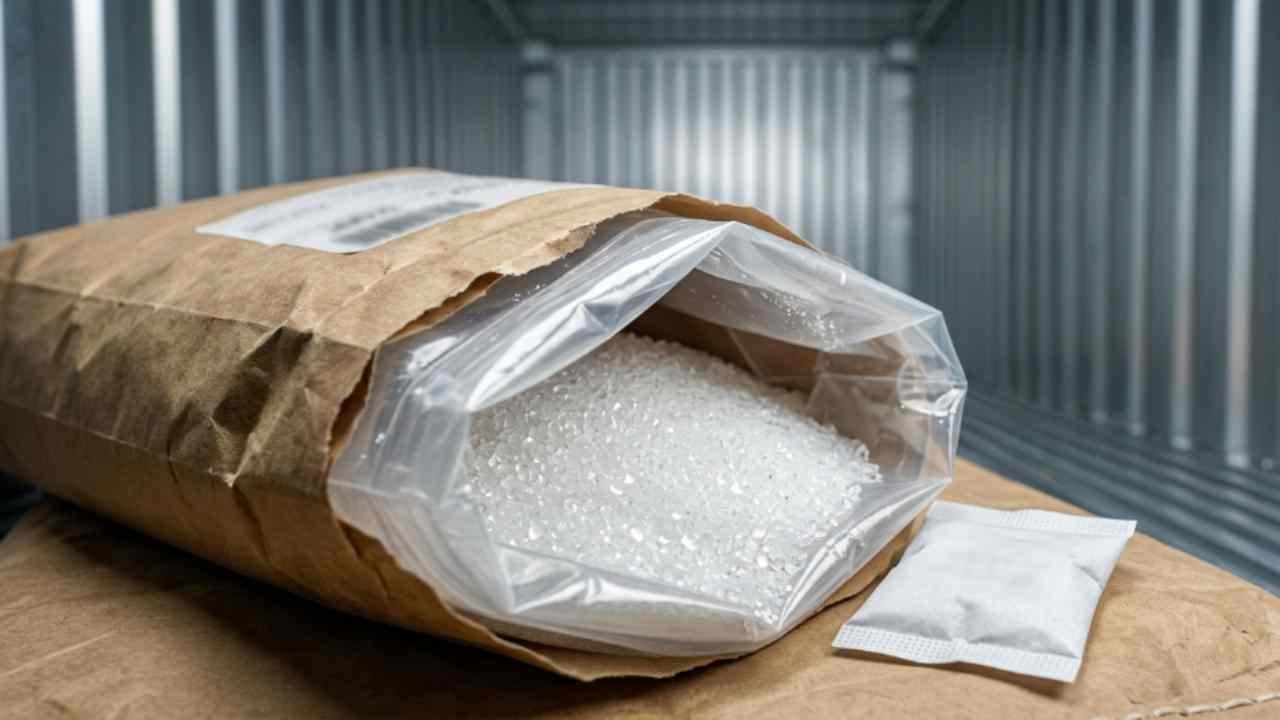
I want to explain a technical fact about Erythritol. It is a polyol, and it likes to grab water from the air. This is called being "hygroscopic3." If the humidity in your warehouse or the container is too high, the crystals will stick together. This is a major problem for B2B buyers who use automated machines. Caked Erythritol will clog your feeders. I solve this by using a double-layer PE inner liner. We heat-seal the liner so it is airtight. This keeps the dry air in and the wet air out. I also check the moisture level of the Erythritol at the factory lab. It must be below 0.20%.
Temperature also matters because of the "Dew Point." When the container travels from hot China to a cooler region, the air inside releases water. This is why you see sweat on the walls of the container. I use "Slip Sheets" on the floor to prevent the bottom bags from getting wet. I also suggest my buyers store the material below 25°C. If the Erythritol gets too hot, it becomes more sensitive to moisture. I manage these technical specs for my clients in the Middle East where it is very hot. I choose shipping routes that avoid long stops in tropical ports. By controlling the environment, I ensure your sweetener stays as a free-flowing powder. This is my commitment to your production efficiency.
Temperature & Humidity Standards Table
| Parameter | Optimal Level | Critical Limit | Impact if Failed |
|---|---|---|---|
| Relative Humidity | < 50% | > 70% | Product hardening (Caking) |
| Storage Temp | < 25°C | > 35°C | Increased moisture sensitivity |
| Moisture Content | < 0.15% | > 0.20% | Reduced shelf life |
| Direct Sunlight | Zero | Any exposure | Packaging damage |
| Ventilation | High | Low | Mold risk on pallets |
What are the best shipping methods for Erythritol?
Choosing the wrong shipping method wastes your budget and delays your sales. This inefficiency reduces your competitive edge. I select the best logistics paths to maximize your value and speed for every order.
The best shipping method for Erythritol is Full Container Load (FCL) sea freight in 20-foot containers to maximize weight capacity (20-22 tons). For urgent, smaller orders, Less than Container Load (LCL) or multimodal rail (China-Europe Express) provides faster delivery than traditional sea routes.
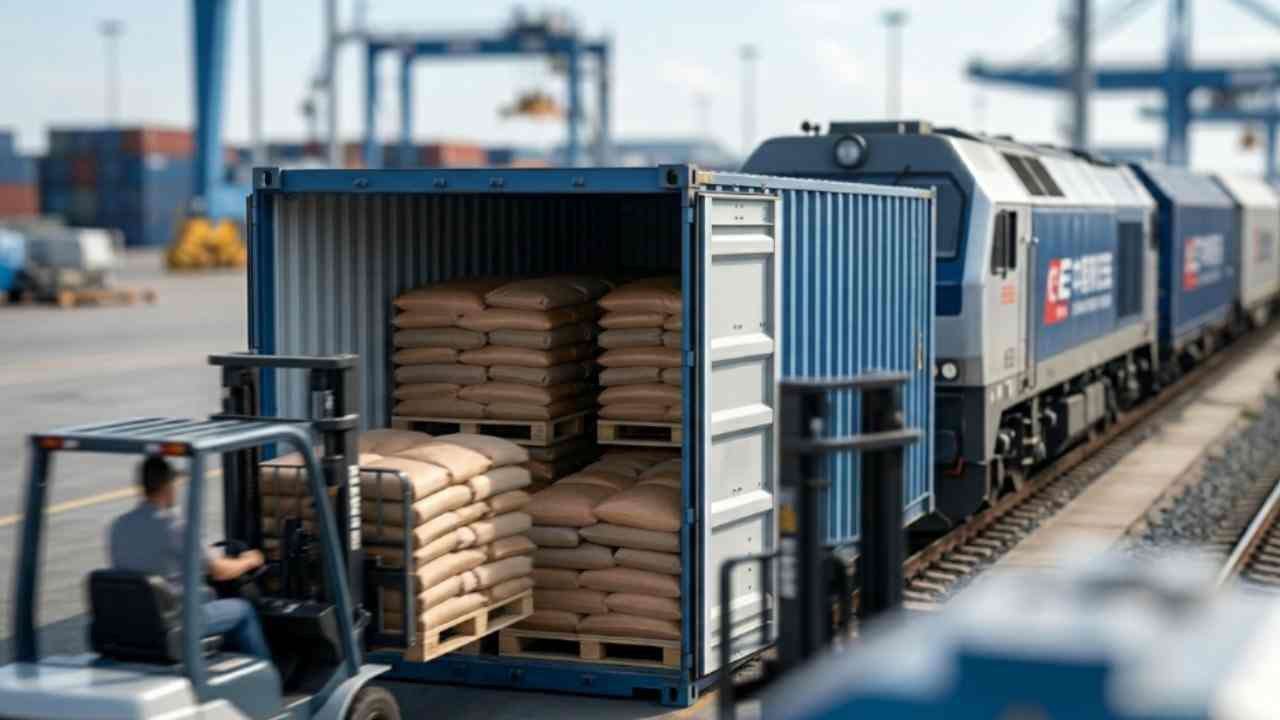
Maximizing Value with FCL and Rail
I see that most of my wholesale buyers choose 20-foot FCL. This is because Erythritol is a heavy and dense product. We can fit about 20 tons on pallets or 22 tons if we load by hand. Hand loading is cheaper for the freight, but it takes more time to unload. I help you choose based on your local labor costs. FCL is the safest method because the container is only for your goods. No one else touches your bags until they reach your warehouse. I oversee the loading pattern to ensure the weight is spread evenly. This prevents the container from tipping during crane movement.
For my clients in Russia and Europe, I also suggest the "China-Europe Railway Express4." This is a multimodal rail service. It is much faster than the sea. It takes about 15 to 20 days to reach Moscow or Warsaw. The price is higher than sea freight but much lower than air freight. This is perfect if you have an urgent production need. I manage the rail documents and the terminal handling. I also check the weather on the rail route. In winter, we must use insulated containers because the temperatures in Siberia are very low. For small trials, I use LCL (Less than Container Load). I ensure the other goods in the LCL container are not dangerous or smelly. I act as your logistics strategist to find the fastest and cheapest path.
Shipping Method Comparison Table
| Method | Speed | Cost | Max Capacity | Best For |
|---|---|---|---|---|
| FCL Sea (20ft) | Slow (30 days) | Lowest | 22 Tons | Bulk wholesale / Low cost |
| LCL Sea | Slow (40 days) | Moderate | 1 - 5 Tons | Trial orders / Low MOQ |
| Rail Express | Fast (18 days) | High | 20 Tons | Urgent stock for Europe |
| Trucking | Very Fast | Very High | 20 Tons | Nearby countries (SE Asia) |
| Air Freight | Fastest (5 days) | Extreme | 1 Ton | Urgent samples / Emergency |
How to reduce delays in Erythritol export logistics?
Administrative errors and port delays freeze your capital for weeks. This bottleneck stops your business flow. I streamline the documentation and loading process to get your Erythritol moving immediately without any legal trouble.
Reduce delays by preparing customs documents (COA, Health Cert, BL) early and using "Pre-clearance" services. Ensuring the factory is close to the port and choosing carriers with high schedule reliability prevents common bottlenecks in the Chinese export process.
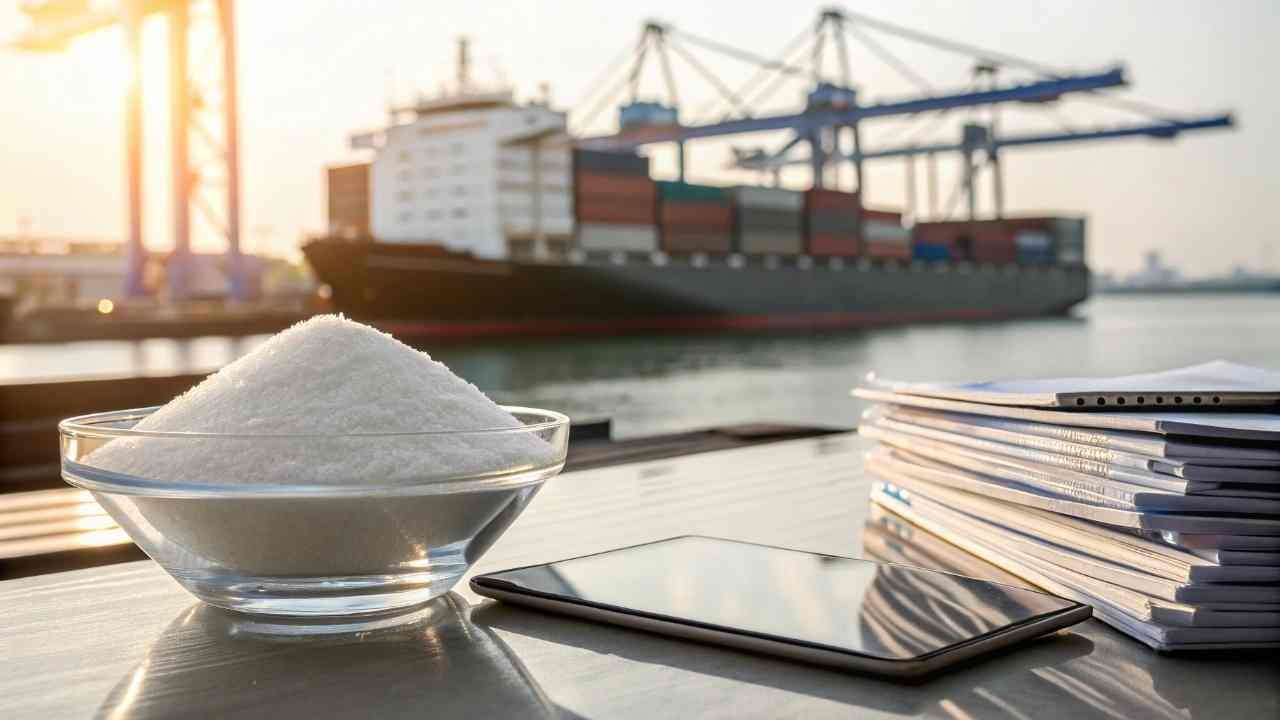
Streamlining the Administrative Chain
I see that "Paperwork" is where most delays happen. If one number on the Health Certificate is wrong, the container stays at the port. This costs you money every day. I manage this by checking all documents twice. I match the batch number on the COA with the labels on the bags and the Bill of Lading. I also use "Pre-clearance" where possible. This means we send the digital documents to your customs broker before the ship arrives. This allows them to start the process early. I also provide the "HS Code5" (2905499000) for Erythritol to ensure there is no tax confusion.
Another way I reduce delays is through factory selection. I choose factories that are near major logistics hubs in Shandong. If the factory is too far inland, trucking takes longer and costs more. I also work with "AEO" (Authorized Economic Operator) factories. These factories have a higher trust level with Chinese customs. This means their containers are checked less often, which speeds up the export process. I also book with shipping lines that have "Green Channels" at the destination port. This helps your cargo move through the port of Jebel Ali or Surabaya faster. I act as your administrative office in China. By getting the details right, I ensure your Erythritol is never stuck.
Delay Prevention Checklist
| Step | Technical Requirement | FINETECH's Verification | Benefit |
|---|---|---|---|
| Document Check | No typos in Batch ID | Triple-check all papers | Faster customs clearance |
| Port Choice | Near the factory hub | Select Qingdao / Tianjin | Lower inland trucking cost |
| Booking Time | 21 Days before ship | Verify space availability | No "Rolled" containers |
| HS Code | 2905499000 | Confirm on all docs | No tax disputes |
| Sample Test | PSI (SGS/Intertek) | Review lab results early | No quality rejections |
| Carrier Pick | High reliability rank | Use top 5 global lines | On-time delivery |
Conclusion
Logistics challenges like moisture and delays are manageable with the right expertise. I oversee every step at FINETECH to ensure your Erythritol arrives in top quality on time.
-
IBM Topics – Professional guide on modern supply chain management strategies and technology for global efficiency. ↩
-
ScienceDirect – Technical research on calcium chloride as a highly effective desiccant for moisture control in industrial environments. ↩
-
Food Quality and Safety – A study on the hygroscopic nature of polyols and how moisture absorption affects the stability of food ingredients. ↩
-
World Bank – Authoritative brief on the economic impact and logistical importance of the China-Europe rail link in the Belt and Road Initiative. ↩
-
WTO – International standards for the Harmonized System (HS) used globally to classify goods for customs and regulatory transparency. ↩