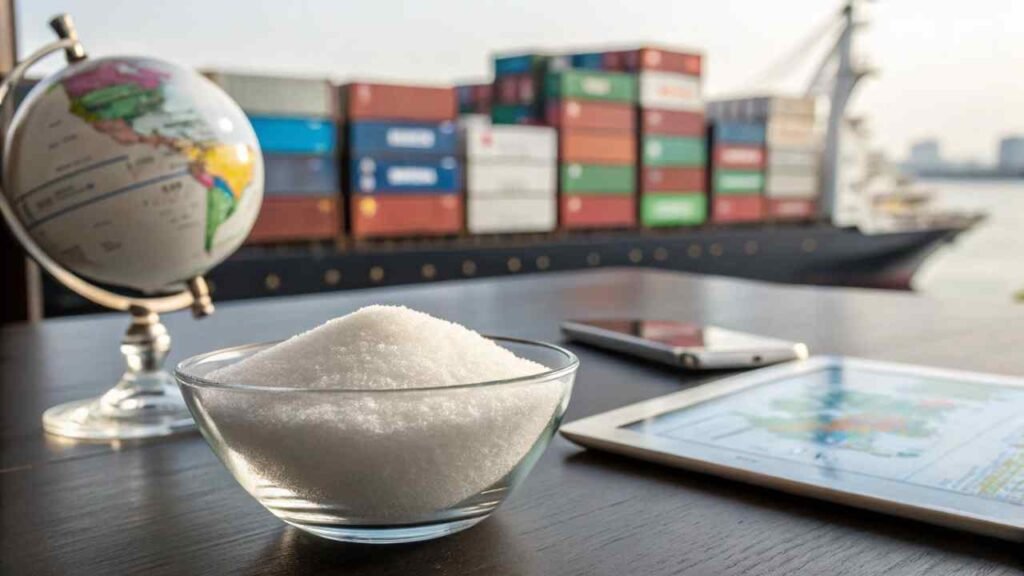
Sourcing Erythritol blindly leads to high costs and compliance issues. This mistake ruins your profit. I identify key markets to help you secure a stable and profitable supply chain.
The primary export markets for Erythritol are North America, Europe, and the Asia-Pacific region. North America leads in consumption for sugar-free beverages, while Europe demands high-purity grades for food and pharma. Asia, specifically China, dominates global production and exports due to its massive fermentation infrastructure.
I manage factory selection for my B2B clients in China. I want to share the technical facts about these markets so you can optimize your global procurement strategy and find the best value.
Which regions import the most Erythritol?
Ignorance of global demand trends causes inventory waste. This failure hurts your cash flow. I explain which regions drive the most imports to help you plan your procurement.
North America, led by the United States, is the largest importer for the beverage and tabletop sweetener industries. Europe ranks second for high-end confectionery and clinical nutrition. The Asia-Pacific region is growing fast, driven by sugar taxes and health trends in Southeast Asia.
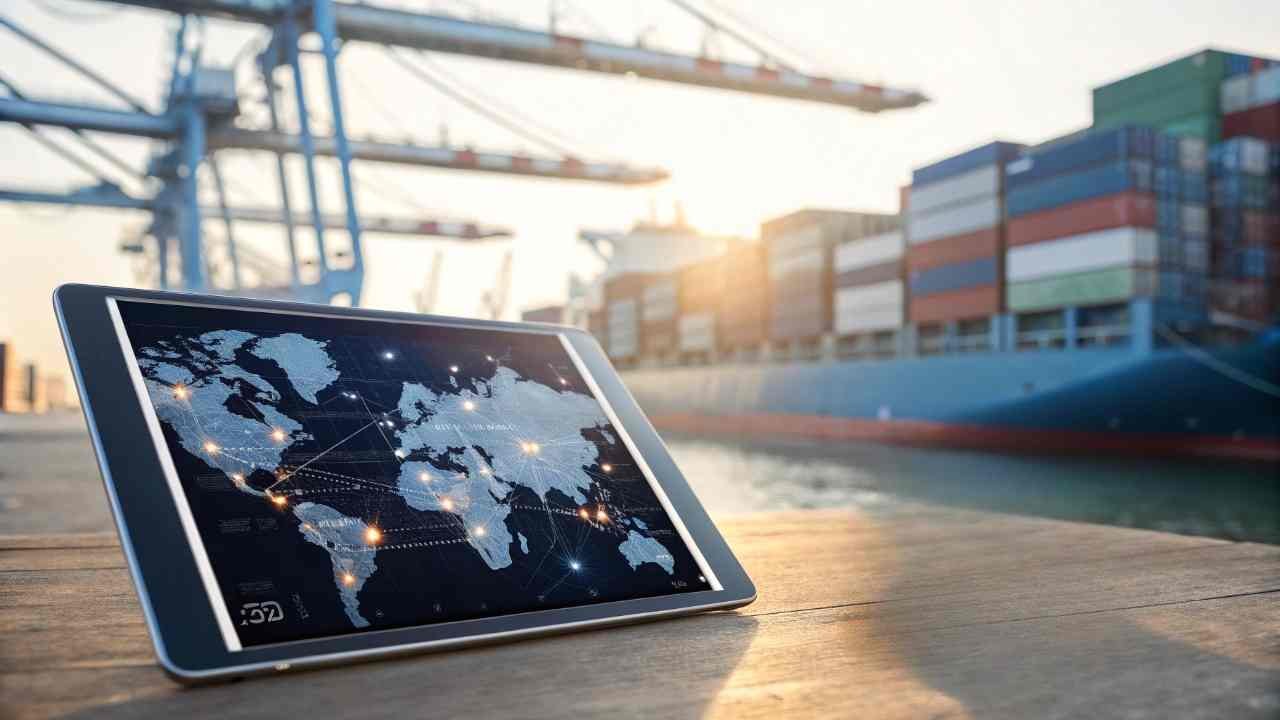
Regional Import Dynamics
I see that global demand is not the same in every region. North America takes a giant share of the market. This is because the beverage industry1 in the US is moving away from sugar very quickly. Most zero-sugar sodas and energy drinks use Erythritol as a bulk sweetener. I ship many containers to this region. The buyers there want high-purity crystals that dissolve fast. They also require very strict documentation for food safety. I check every COA to ensure it meets their local laws.
Europe is the second major importer. The demand there comes from the chocolate and bakery industries. European consumers want high-quality snacks with no sugar. This is a technical requirement for many brands I work with in Germany and Greece. I see that these buyers prioritize "Clean Label" products. They want Erythritol that is non-GMO and highly purified. The Asia-Pacific region is also rising. Countries like Indonesia and Vietnam are adding sugar taxes. This forces local drink makers to switch to Erythritol. I monitor these tax changes to help my clients in Southeast Asia prepare their stock. The Middle East is another growing market. Markets like Saudi Arabia and the UAE are importing more for their local food production. I prioritize these regions because their demand for quality is rising every year.
Major Import Market Comparison
| Region | Main Application | Key Requirement | Demand Level |
|---|---|---|---|
| North America | Beverages / Keto Food | USP Grade / Non-GMO | Very High |
| Europe | Chocolate / Bakery | BRC / E968 Compliance | High |
| Southeast Asia | Soft Drinks / Tea | Competitive Price / Halal | Fast Growing |
| Middle East | Confectionery / Drinks | Halal / SFDA Approval | Moderate |
| Russia | General Food / Feed | Bulk volume / Stable price | High |
Why is North America a major Erythritol market?
Entering the US market without the right grade leads to rejection. This risk stops your expansion. I identify why North America is critical for your sales strategy.
North America is the top market due to high consumer demand for low-calorie beverages and keto-friendly foods. Strict FDA standards and a large diabetic population drive the massive import of high-purity, non-GMO Erythritol for industrial food manufacturing and private-label retail.
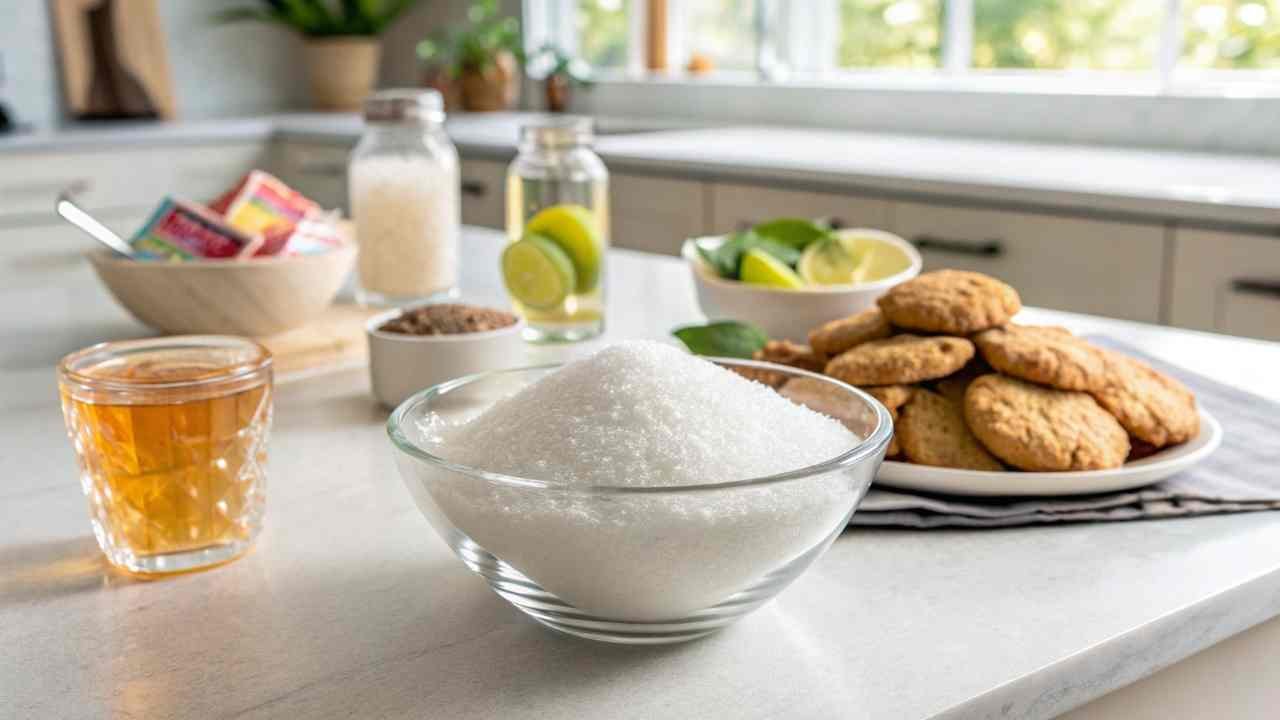
Drivers of North American Demand
I observe that the "Keto" diet changed the market in North America. People want high-fat and zero-sugar foods. Erythritol is the perfect match for this. It has zero calories and a zero glycemic index2. This means it does not raise blood sugar. I see a lot of demand from small and medium brands on Amazon. They buy Erythritol to make their own blends with Stevia3 or Monk Fruit. I provide them with the technical data to support their health claims. This market is very competitive. You must have the right price to win here.
The beverage sector is also a giant driver. Most "Natural" zero-calorie drinks in the US use Erythritol. It provides the "Body" or "Mouthfeel" that sugar usually gives. I supply high-purity crystals for these liquid products. They must be free from any off-smell. If the Erythritol has a strange scent, the whole batch of soda is ruined. I visit the factories in China to ensure the fermentation is perfect. I also check the particle size. For drinks, we usually use 18-60 mesh. This size is easy to handle and dissolves well. North American buyers also demand Non-GMO Project Verified certificates. I manage this paperwork for my clients to ensure their goods pass customs easily.
US Market Technical Requirements
| Technical Spec | Requirement | Importance |
|---|---|---|
| Purity (Assay) | > 99.5% | Standard for FCC / USP |
| GMO Status | Non-GMO | Consumer preference / Labeling |
| Mesh Size | 18-60 or 100 mesh | Solubility in drinks / baking |
| Heavy Metals | Lead < 0.1 ppm | FDA safety compliance |
| Microbial | TPC < 1000 cfu/g | Shelf life and safety |
How does Asia lead Erythritol production?
Relying on a single production hub is risky. One factory shutdown stops your cargo. I show how Asian dominance in production impacts your global supply and pricing.
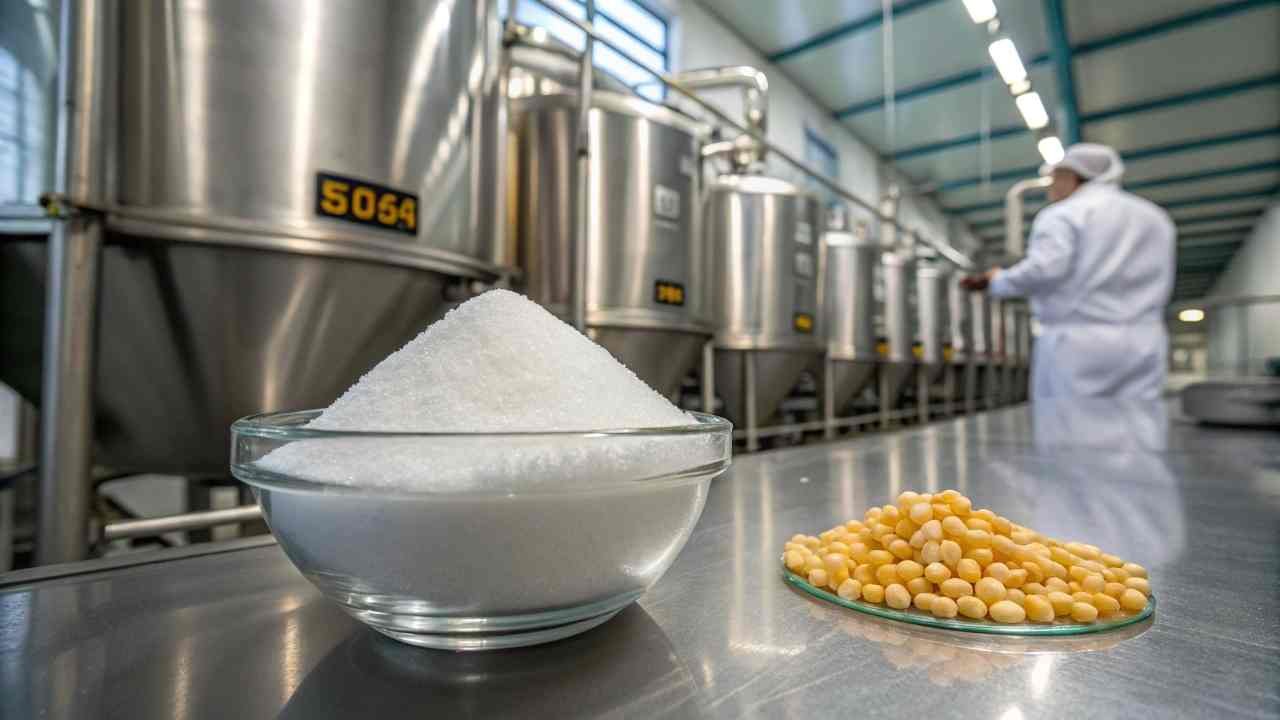
Asia, primarily China, leads production by controlling over 80% of global capacity. Massive fermentation tanks, access to cheap corn starch, and advanced purification technology allow Chinese factories to offer the most competitive wholesale prices and stable volumes for international trade.
The Industrial Advantage of China
I see that China has a unique advantage in the Erythritol industry. The production starts with corn. China is a top producer of corn starch. This is the main food for the yeast in the fermentation tanks. Most big factories are in Shandong province. This region has a complete supply chain. I visit these plants to check their technology. They use giant bioreactors4. Some tanks hold 200,000 liters. This scale lowers the cost of production. It is why I can secure competitive prices for my clients. A small factory in Europe cannot compete with this volume.
Technology is the other part of the lead. Chinese factories now use MVR (Mechanical Vapor Recompression). This saves a lot of energy during the evaporation step. It also lowers the carbon footprint. I prioritize these high-tech factories for my buyers. Also, the logistics in China are very efficient. Factories are near the Port of Qingdao. This means we can truck the goods to the ship in a few hours. I manage the loading to ensure the bags are safe. This vertical integration from corn to port is very strong. I act as your office in China to navigate this hub. I pick the best producers so you get stable quality every time.
Why China Dominates the Supply Chain
| Factor | Technical Detail | Business Benefit |
|---|---|---|
| Raw Materials | Huge corn starch supply | Low production costs |
| Scale | Massive 200kL tanks | Stable bulk volume |
| Energy | MVR technology | Reduced utility costs |
| Labor | Skilled biotech workers | High batch consistency |
| Logistics | Proximity to major ports | Fast export delivery |
What regulations affect Erythritol exports to Europe?
Ignoring European rules leads to massive fines and blocked containers. This failure ruins your profit. I identify the mandatory certificates to keep your European shipments safe.
Exports to Europe are governed by EFSA (E968) and require strict purity testing. Mandatory certifications include ISO 22000 or BRC for food safety. Additionally, recent anti-dumping duties on Chinese Erythritol significantly impact pricing and require careful factory selection for compliance.
Compliance and Trade Barriers in the EU
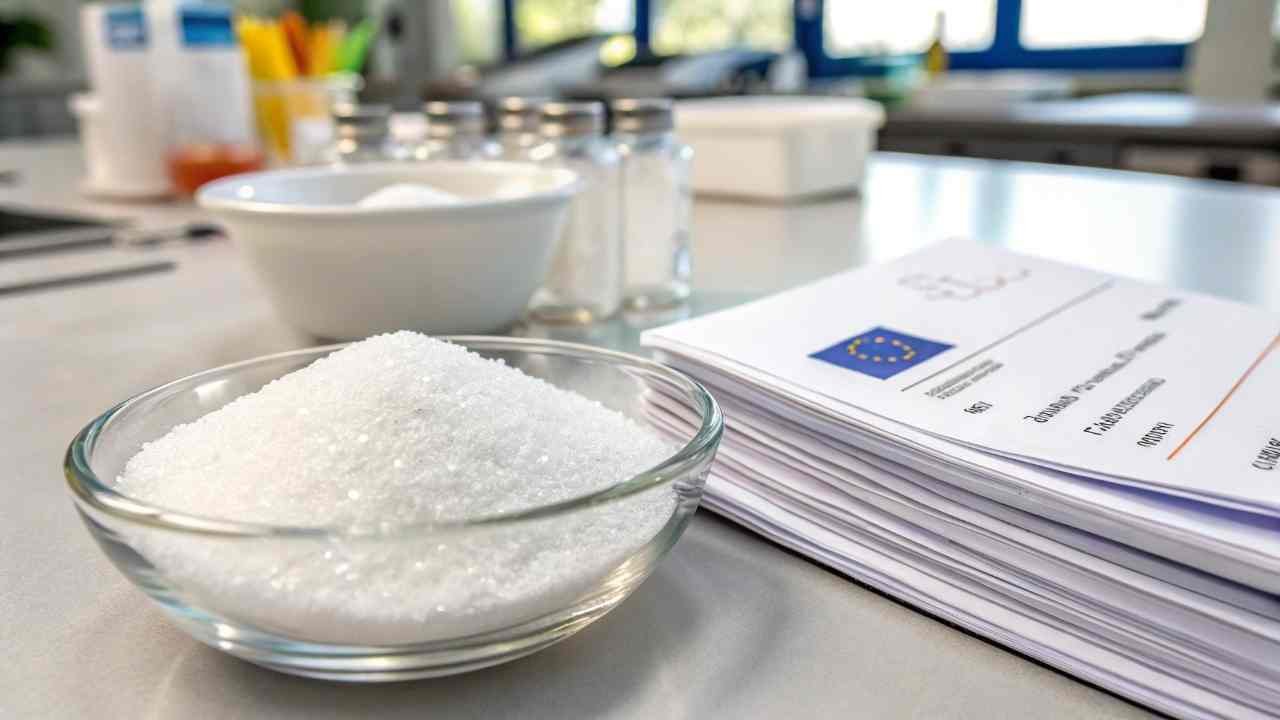
I see that Europe is a very strict market. You must follow the E968 purity standard. This is a technical rule for the European Union. It limits the amount of heavy metals5 and other sugars. I check the lab reports for every batch going to Europe. If the lead is too high, the container will be rejected at the port. I also manage the "Anti-Dumping" issue. The EU has put extra taxes on Erythritol from China. This makes the landed cost higher. I help my buyers find factories that have a lower tax rate. Some factories cooperate with the EU and get a better deal. I act as your strategic partner to save you money on these taxes.
Certificates are also a requirement. You need BRC or FSSC 22000 for the food industry. These show that the factory follows "Global Food Safety" rules. I audit these certificates every month to make sure they are valid. European buyers also want to know about the environment. They ask for the carbon footprint. I provide the data on energy use from the factories. We use paper bags instead of plastic to meet their "Green" goals. I also manage the Non-GMO statements. Most European food brands do not allow GMO ingredients. I trace the corn starch back to the farm to prove the origin. This level of detail is necessary to stay safe in the European market.
EU Regulatory Checklist
| Requirement | Standard | FINETECH's Verification |
|---|---|---|
| Purity Spec | E968 / FCC | HPLC lab test review |
| Food Safety | BRC / ISO 22000 | Audit valid certificates |
| Trade Tax | Anti-Dumping Duty | Check specific factory rate |
| GMO Status | Non-GMO | Verify IP starch origin |
| Packaging | Recyclable Paper | Inspect bag materials |
How to expand into emerging Erythritol markets?
Missing out on new markets gives your competitors the advantage. This lost opportunity hurts your growth. I share strategies to enter emerging markets in the Middle East and Southeast Asia.
Expand into emerging markets by providing local certifications like Halal and offering flexible MOQs. Regions like the Middle East and Southeast Asia are growing due to new sugar taxes and a rising middle class demanding healthier food and beverages.
Growth Strategies for New Territories
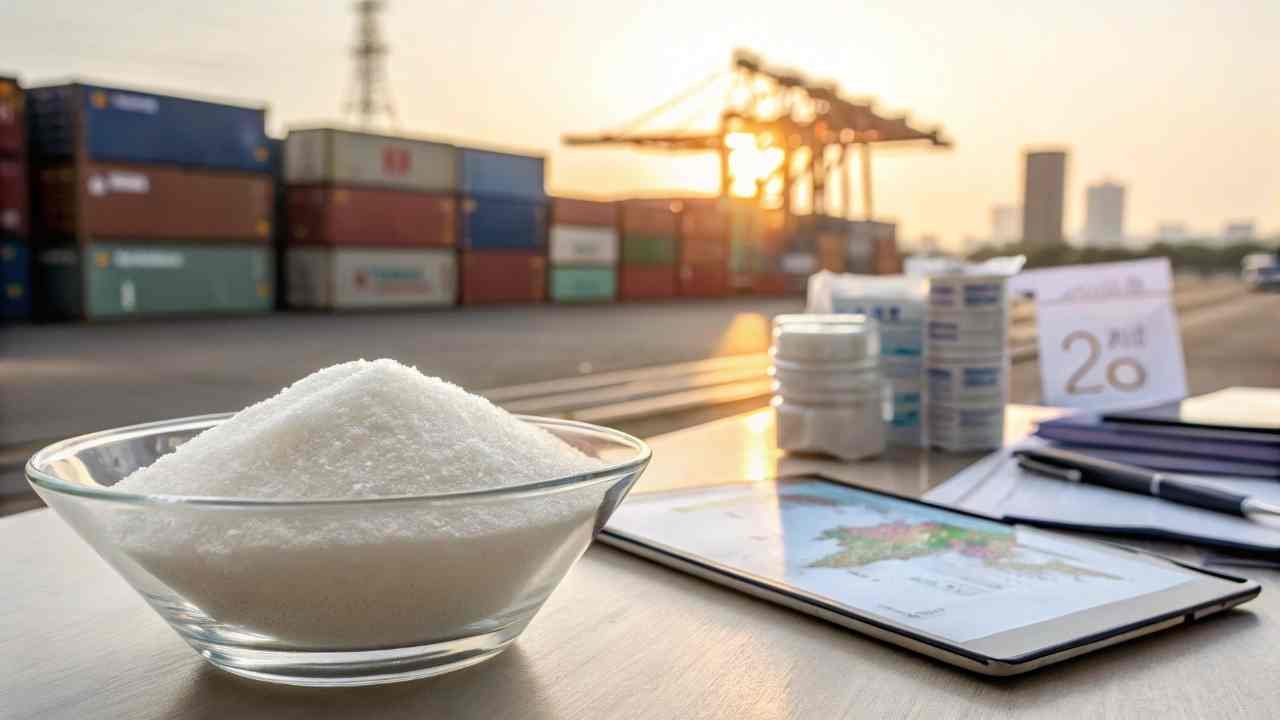
I see a lot of growth in Southeast Asia. Countries like Indonesia and Vietnam have young populations. They are starting to buy more zero-sugar snacks. But they have specific needs. For example, Halal certification6 is a must. If your Erythritol is not Halal, you cannot sell it in these countries. I manage the Halal audits for my factories. We ensure no animal products are used in the fermentation. I also offer low MOQ (Minimum Order Quantity). Many buyers in these markets want to start with 1 ton or 5 tons. I help them by shipping mixed containers. You can buy Erythritol and Stevia together. This lowers your risk.
The Middle East is also a hot market. Saudi Arabia and the UAE have new sugar taxes on drinks. This is a technical driver for Erythritol demand. I work with wholesalers in Dubai to supply their local bakeries. They need high-quality 100 mesh powder. I ensure the powder is very fine so it mixes well in traditional sweets. I also manage the logistics for these regions. Shipping to Jebel Ali or Jeddah needs special care. The weather is very hot. I use double-layer PE liners and desiccants to prevent caking. I act as your eyes in the port to ensure the goods arrive in perfect shape. Emerging markets are the future of the food additive business. My goal is to help you enter them safely.
Opportunities in Emerging Markets
| Market | Growth Driver | Key Product Form | FINETECH's Advice |
|---|---|---|---|
| Saudi Arabia | Sugar Tax / Health | 100 Mesh Powder | Secure Halal & SFDA |
| Indonesia | Large population | 18-60 Mesh (Drinks) | Focus on low MOQ |
| Vietnam | Tea Culture | Bulk Crystals | Offer competitive T/T |
| UAE | Retail / Confectionery | OEM Small Bags | Use private label |
| Brazil | Fitness Trend | Supplements | Provide Non-GMO cert |
Conclusion
Global Erythritol trade is driven by North American demand and Chinese production lead. I manage the quality and logistics at FINETECH to ensure your business stays competitive in these key markets.
-
Beverage Daily – News and analysis site covering the global beverage industry, including market shifts and sugar reduction trends. ↩
-
Glycemic Index Foundation – An educational resource explaining how the glycemic index works and the health benefits of low-GI ingredients. ↩
-
International Stevia Council – A global trade association representative that provides scientific and regulatory information on Stevia and high-intensity sweeteners. ↩
-
BioProcess International – A leading technical publication for the bioprocessing industry, covering fermentation equipment and scale-up technologies. ↩
-
U.S. FDA – Official regulatory guidance regarding lead and other heavy metal limits in food and dietary supplement ingredients. ↩
-
Halal Certification Guide – An explanation of the principles of Halal, its application in food manufacturing, and its importance in global commerce. ↩