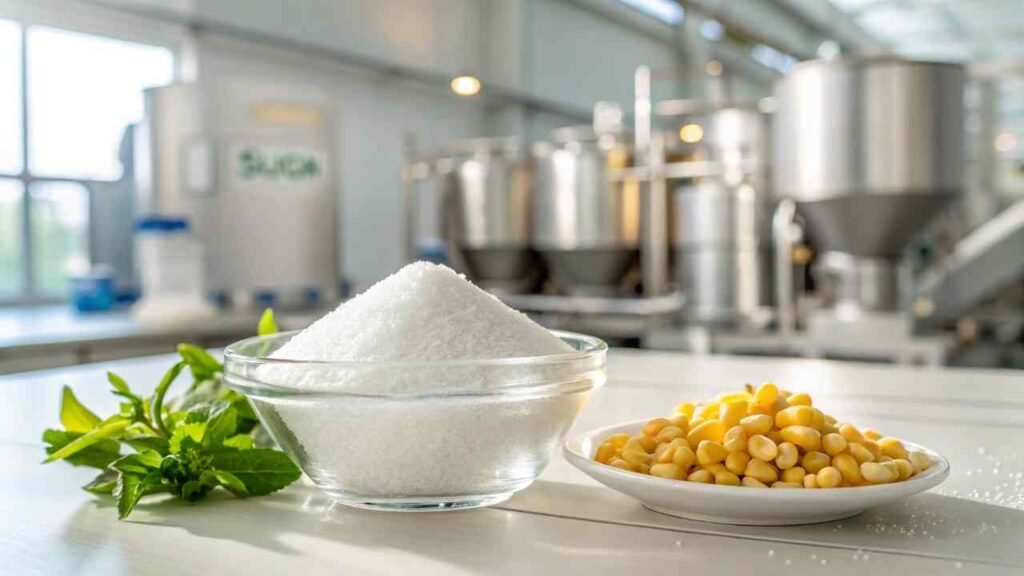
Environmental regulations cause sudden factory shutdowns and supply gaps. This instability ruins your production plans. I focus on green sourcing to keep your Erythritol supply chain safe and steady.
Sustainability in the Erythritol industry involves using non-GMO corn, energy-saving MVR fermentation, and closed-loop water recycling. These methods reduce waste and lower carbon emissions. Buyers now prioritize sustainable producers to meet global regulations and ensure long-term, ethical procurement of high-purity sweeteners.
I manage the factory selection and quality oversight for my B2B clients in China. I see how green technology changes the market every day. Let me explain the technical facts about sustainable Erythritol sourcing.
What are eco-friendly production methods for Erythritol?
High-pollution factories face heavy fines and permanent closures. These shutdowns leave your warehouse empty and stop your sales. I choose factories using biological fermentation to ensure a clean supply.
Eco-friendly Erythritol production uses microbial fermentation with renewable glucose from corn. Modern plants use Mechanical Vapor Recompression (MVR) to recycle heat and closed-loop systems to reuse water. These technologies significantly reduce energy use and eliminate toxic waste compared to traditional chemical synthesis.
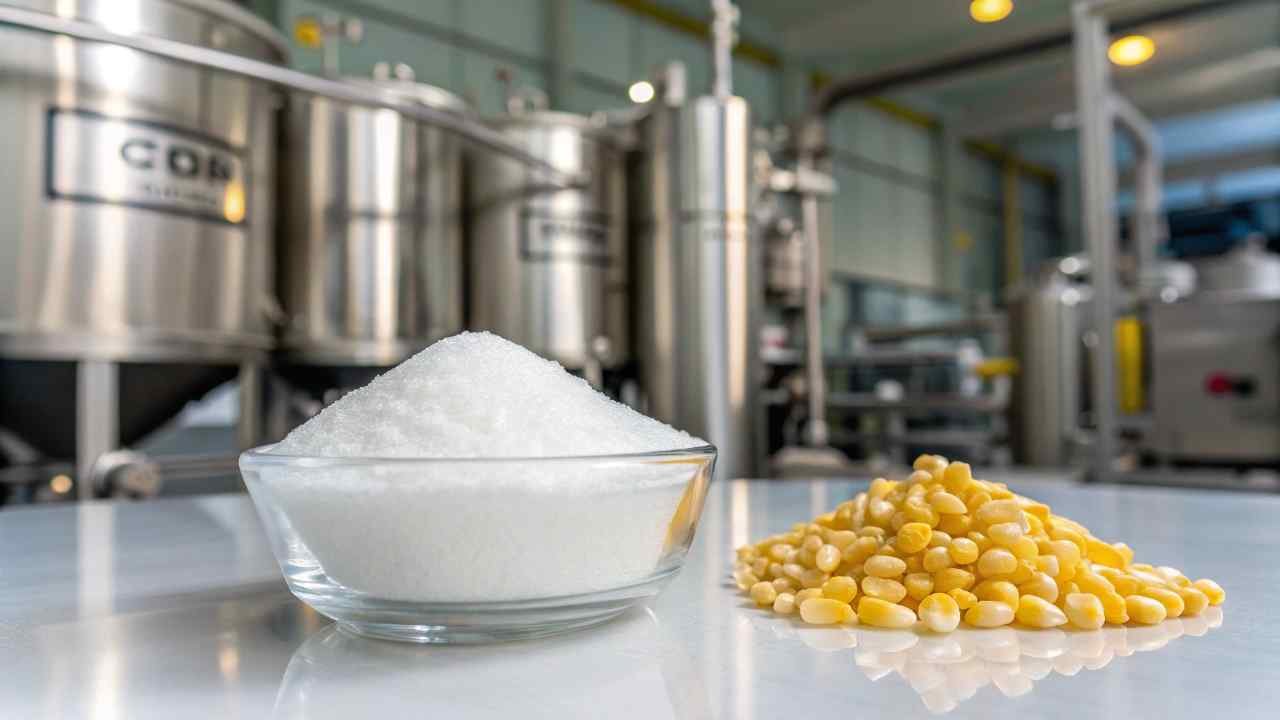
The Technology of Green Fermentation
I see that fermentation is the most natural way to make Erythritol. We do not use harsh chemicals to build the molecule. Instead, we use yeast strains. These yeast strains eat glucose from corn. This is a renewable raw material. This biological process is safe for the environment. I visit the plants in China to audit their "Nutrient Broth" sourcing. Efficient factories use organic nitrogen sources. This reduces the chemical load in the waste water. I prioritize these producers because they are less likely to be closed by environmental inspectors.
Energy efficiency is a major technical fact in the industry now. Traditional evaporation uses a lot of coal to make steam. This creates a large carbon footprint. Now, I select factories that use MVR (Mechanical Vapor Recompression) technology. MVR uses electricity to compress the vapor and reuse the heat. This saves up to 50% on energy costs. It also makes the production more stable during winter when coal is restricted. I also check the water treatment systems. Advanced plants use "Zero Liquid Discharge" (ZLD) technology. They filter and reuse every drop of water in the fermentation tanks. This technical setup ensures the factory can run year-round without polluting local rivers. I act as your technical partner to verify these green systems are working.
Traditional vs. Sustainable Production Comparison
| Feature | Traditional Method | Sustainable Method (MVR) | Impact on Buyer |
|---|---|---|---|
| Energy Source | Coal-fired steam | Electricity / Recycled Heat | Stable supply / Low CO2 |
| Water Usage | High (Once-through) | Low (Closed-loop) | Lower environmental risk |
| Waste Output | High chemical waste | Organic sludge (Fertilizer) | Reduced regulatory risk |
| Raw Material | Any Glucose | Non-GMO / Traceable Corn | Higher market value |
| Technology | Manual Control | Automated DCS / MVR | Consistent batch quality |
How does sustainable packaging affect Erythritol trade?
Excessive plastic waste raises your disposal costs and hurts your brand reputation. This inefficiency reduces your profit. I suggest lighter, recyclable packaging to lower your environmental footprint and logistics costs.
Sustainable packaging for Erythritol utilizes recyclable kraft paper bags and biodegradable PE liners. This reduces single-use plastic and lowers the total weight of the shipment. Lighter packaging decreases the fuel needed for sea freight, effectively reducing the carbon footprint of every ton shipped.
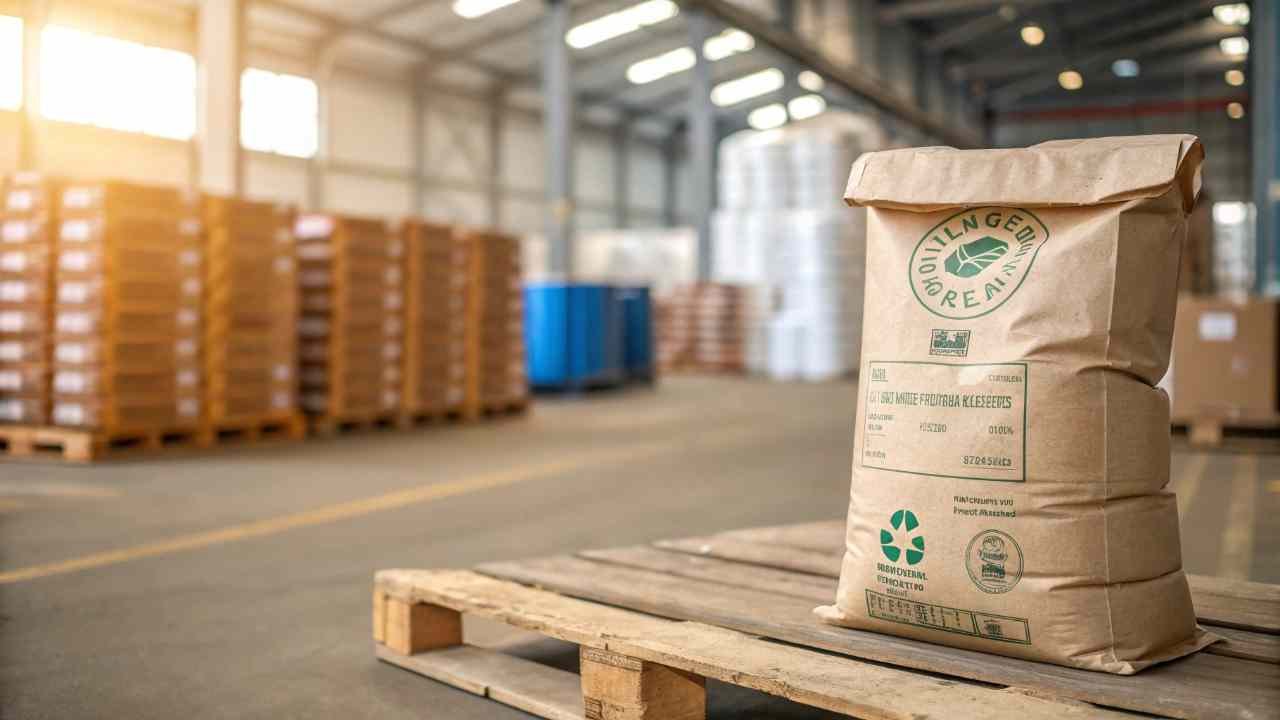
Material Innovation and Logistics Benefits
I see that packaging is a big part of your total sustainability score. For many years, the industry used heavy plastic drums or thick woven bags. These are hard to recycle. Now, I suggest my clients use multi-layer kraft paper bags. These bags are made from renewable wood pulp. They are very strong but also easy to recycle. I check the strength of these bags at the factory. They must pass a 1.5-meter drop test. This ensures the paper is strong enough for sea transit. Inside the paper, we use a thin PE liner. I am now looking for factories that use "Green PE" made from sugar cane. This removes fossil fuels from the packaging.
Packaging also affects the weight of your cargo. Fiber drums are great for protection, but they are heavy. If we use paper bags on high-quality pallets, we reduce the "Dead Weight" of the shipment. This means you pay for more Erythritol and less packaging. It also means the ship uses less fuel to carry your container. This is a technical fact that lowers your CO2 per kg. I also manage the palletization process. We use heat-treated wooden pallets from sustainable forests. We wrap the pallets in recyclable stretch film. I act as your logistics office to ensure the packaging is safe for the product and kind to the planet. Sustainable packaging is a requirement for many European and North American buyers now.
Packaging Sustainability Metrics
| Packaging Component | Standard Choice | Sustainable Choice | Business Benefit |
|---|---|---|---|
| Outer Bag | Plastic Woven Bag | Kraft Paper Bag | Recyclability / Brand image |
| Inner Liner | Virgin LDPE | Recycled or Bio-PE | Lower plastic tax (in EU) |
| Pallet | Plastic Pallet | FSC Wooden Pallet | Renewable material |
| Weight | Heavier | Lighter Design | Lower freight / CO2 |
| Disposal | Landfill | Compostable / Recyclable | Lower waste management costs |
Why is traceability important in Erythritol sourcing?
Vague sourcing hides quality defects and ethical problems in the supply chain. This uncertainty ruins your brand trust. I offer full batch traceability to prove the origin and safety of your sweetener.
Traceability ensures that the corn starch used in Erythritol is non-GMO and ethically sourced. It allows for rapid batch recalls if a quality issue occurs. Modern digital logs help buyers track the product from the fermentation tank in China to their local warehouse.
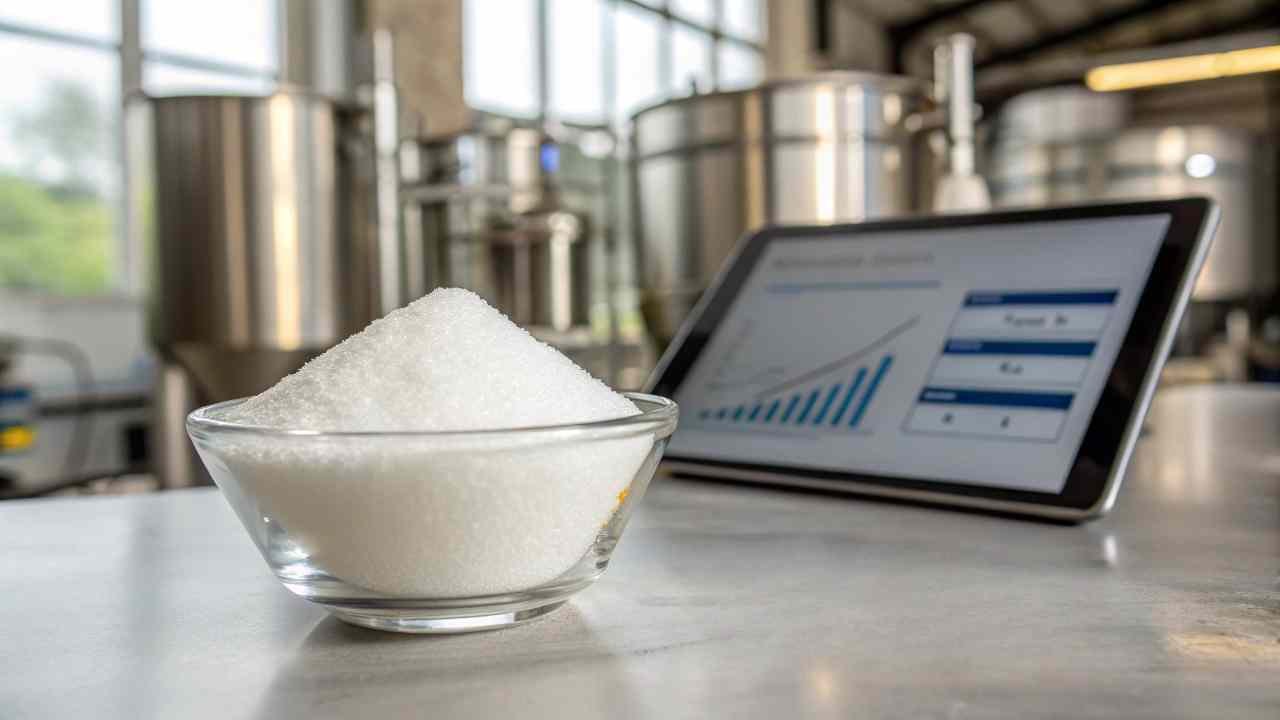
The Technical Chain of Trust
I see that "Transparency" is the new standard for food additives. You cannot just buy a white powder and hope for the best. You need to know the "Seed to Sweetener" story. I manage this by checking the raw material logs at the factory. I ensure the corn comes from farms that do not use GMO seeds. This is a technical requirement for many of my clients in Russia and the UAE. We use digital ERP systems1 to link the corn batch to the glucose batch and then to your final Erythritol bags. If a lab test shows a problem, we can find the exact time of production in minutes. This speed protects your business from large recalls.
Traceability2 also covers ethical standards. I audit the labor practices at the factories. My buyers want to know that no forced labor was used. I check the social insurance records and safety logs of the workers. This is a technical part of the "Social Sustainability" audit. I also verify the religious certificates like Halal and Kosher. These certificates need a clear paper trail to be valid. I ensure the batch number on your invoice matches the batch number on the Halal paper. This level of detail is why wholesalers trust me with their orders. I act as your strategic partner in China to keep these records perfect. Traceability is your best defense against market scandals and quality failures.
Traceability Data Points for Buyers
| Data Point | Technical Source | Importance |
|---|---|---|
| Raw Material Lot | Corn Starch Invoice | Confirms Non-GMO status |
| Fermentation Log | DCS Computer Records | Proves batch consistency |
| Lab Batch ID | HPLC Test Report | Guarantees 99.5% purity |
| Packing Date | Clean Room Log | Ensures product freshness |
| Shipping Seal | Port Loading Report | Prevents cargo tampering |
| Social Audit | SEDEX / EcoVadis | Proves ethical production |
How does carbon footprint impact Erythritol decisions?
High carbon emissions lead to future carbon taxes and loss of market share. This cost burden kills your profits. I optimize logistics and energy sourcing to minimize the CO2 impact of your Erythritol.
Carbon footprint impacts decisions by forcing a shift toward energy-efficient factories and shorter logistics routes. Buyers now calculate the "Total Carbon Cost" per ton. Sourcing from plants near major ports like Qingdao reduces inland trucking emissions and lowers the overall carbon footprint.
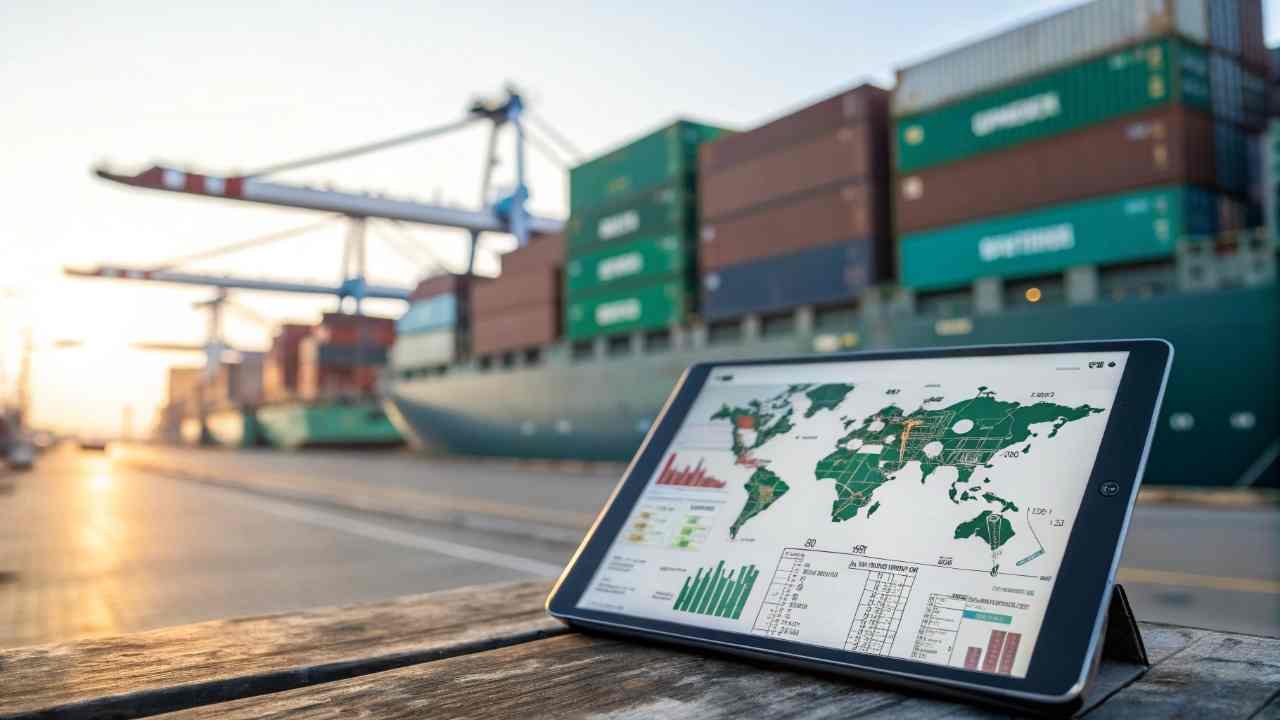
Logistics and Energy Mapping
I want to explain how geography affects your carbon footprint3. In China, some factories are deep inland. To get the cargo to a port, the truck must drive 1,000 kilometers. This creates a lot of CO2. I prioritize factories in Shandong province because they are very close to the Port of Qingdao. This shorter truck journey lowers the emissions of your order. I also look for shipping lines that use newer, fuel-efficient vessels. Some ships now use LNG (Liquefied Natural Gas) instead of heavy oil. This is a technical choice that lowers your "Scope 3" emissions. I act as your logistics strategist to pick these green paths.
The energy mix at the factory is the other part of the footprint. Some factories in China are now installing solar panels on their warehouse roofs. They use this green power for their offices and labs. While fermentation still needs a lot of power, every bit of renewable energy helps. I check the energy mix of the factories during my audits. I prefer plants that buy "Green Power Certificates." This proves they support wind or solar energy. As carbon taxes become more common in Europe and the US, this data will be essential. If you buy low-carbon Erythritol now, you protect your business from future taxes. I help you find these "Low-Carbon Leaders" in the Chinese market.
| Carbon Factor | Impact Level | FINETECH's Optimization Method |
|---|---|---|
| Inland Trucking | Moderate | Select factories near Qingdao port |
| Factory Fuel | High | Prioritize MVR and Gas over Coal |
| Ocean Freight | High | Choose carriers with eco-vessels |
| Packaging | Low | Shift from plastic to paper bags |
| Yield Efficiency | Moderate | Use high-yield fermentation tech |
What certifications support sustainable Erythritol?
Vague "Green" claims lead to legal trouble and customer distrust. You need verified proof to show your buyers. I verify environmental certifications to guarantee your compliance with global sustainability standards.
Key certifications include ISO 14001 for environmental management and EcoVadis for social responsibility. Non-GMO Project Verified and BRCGS also support sustainable claims. These certificates provide documented proof that the Erythritol meets international ecological and ethical standards.
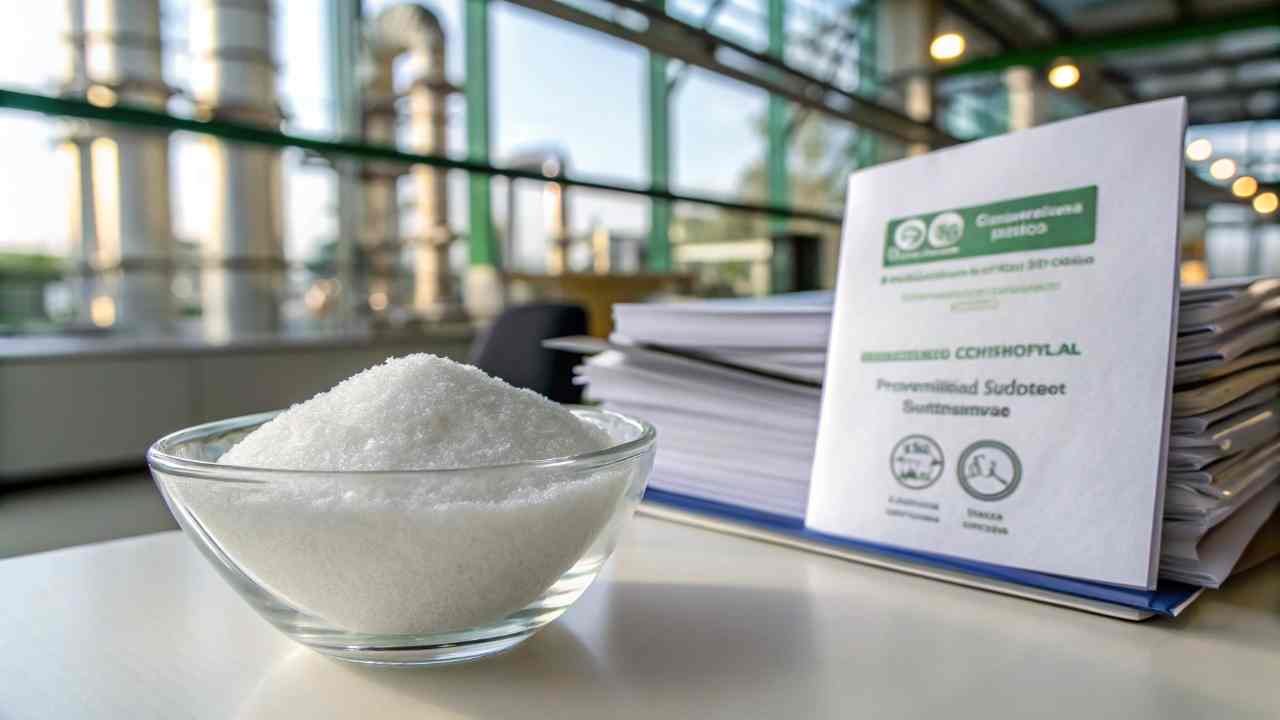
Verifying the Environmental Credentials
I see that a certificate is only as good as the audit behind it. I don't just take a PDF from a factory. I check the certificate number in the official databases. ISO 140014 is the technical baseline. It proves the factory has a plan to reduce waste and energy. I also look for the "Green Factory" award from the Chinese government. This is a very high honor. It means the factory is a leader in clean production. I visit these plants to see their water treatment sensors and energy meters. This physical check is how I ensure the certificates are real. For my buyers in the food industry, BRCGS is also a must. It covers both safety and sustainability.
Social certifications are also becoming a technical requirement. I look for EcoVadis5 or SEDEX (SMETA) audits. These check the working conditions and the fair pay of the staff. Sustainable business is not just about trees; it is about people. I manage these audit reports for my clients. If a factory has a high EcoVadis score, it means they are a safe partner for the long term. I also verify the Halal and Kosher papers. These religious standards also have rules about cleanliness and ethics. I act as your technical office in China to collect and check all these papers. By having the right certificates, you can sell your Erythritol at a premium price to health-conscious brands.
| Certification | Focus Area | Business Value |
|---|---|---|
| ISO 14001 | Environmental Mgmt | Proves waste/energy control |
| EcoVadis | CSR / Sustainability | Global benchmark for ethics |
| Non-GMO Project | Raw Material Origin | Critical for "Natural" labels |
| BRCGS | Food Safety & Ethics | Entry ticket for big retailers |
| SEDEX (SMETA) | Labor & Safety | Protects against social scandals |
| Green Permit | Chinese Law | Guarantees factory stays open |
Conclusion
Sustainability in Erythritol involves green fermentation, low-carbon logistics, and verified traceability. I manage these technical factors at FINETECH to ensure your procurement is safe, ethical, and profitable for your business.
-
SAP – An overview of Enterprise Resource Planning (ERP) systems and their role in integrating business processes for better management. ↩
-
GS1 – International standards for supply chain traceability to improve transparency, safety, and business efficiency. ↩
-
The Nature Conservancy – Educational resources for calculating and understanding the environmental impact of individual and corporate carbon footprints. ↩
-
ISO Official – Standards for environmental management systems that help organizations improve environmental performance through more efficient use of resources. ↩
-
EcoVadis – A sustainability rating provider assessing corporate social responsibility (CSR) performance across global supply chains. ↩