

Unstable MSG prices drain your profit margins. Budgeting becomes a guessing game. I track global trends to help you secure competitive pricing and protect your business bottom line.
MSG prices change due to fluctuations in corn starch costs, energy prices, and ocean freight rates. Supply-demand shifts in China, environmental policies, and trade duties also impact global rates. Currently, prices are influenced by global logistics stability and regional raw material harvests in northern China.
I manage factory selection and oversee production for my B2B clients at FINETECH. I want to share the technical facts about price movements so you can make better procurement decisions for your business.
What drives MSG price changes?
Sudden market shifts leave you with overpriced stock. Competitors with better timing win your customers. I analyze the main drivers to help you stay ahead of price hikes.
The main drivers of MSG price changes are raw material costs, specifically corn and sugar, and energy expenses like coal. Additionally, government environmental audits in China and seasonal demand from the food processing industry significantly impact wholesale pricing and supply availability.
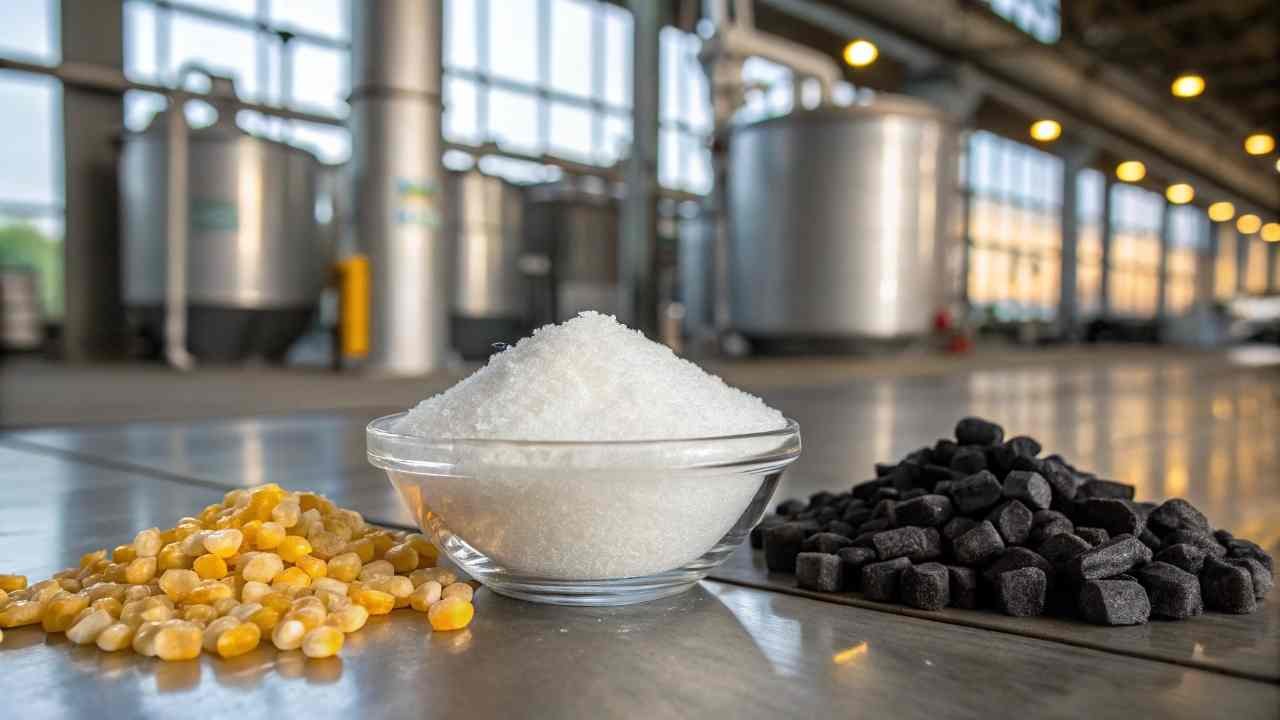
Understanding Market Drivers and Policy
I see that China is the heart of the global MSG1 market. This means Chinese policies directly affect your wallet. One major factor is the "Blue Sky" policy. The Chinese government audits factories to reduce pollution. These audits often happen in winter. When a factory fails an audit, it must stop production. This reduces the total supply in the market. I monitor these government announcements. I want my clients to know when a supply drop is coming. If the supply is low, the price always goes up. I help you buy before the audit season starts.
Demand cycles also move the price. The food industry has peak seasons. For example, food makers buy more MSG before the Chinese New Year or major global holidays. They need it for sauces, snacks, and seasonings. When everyone buys at the same time, the factories raise their prices. I track these demand spikes. I suggest my buyers in the Middle East and Southeast Asia book their orders during the "Off-Peak" months. This strategy avoids the high prices of the busy season. Also, trade duties are a factor. Some countries put extra taxes on MSG. I check these trade rules to find the most cost-effective path for your cargo.
Market Driver Impact Table
| Factor | Technical Detail | Impact Level | Duration |
|---|---|---|---|
| Environmental Audit | Factory shutdowns | High | 1 - 3 Months |
| Energy Costs | Coal / Power rates | Moderate | Continuous |
| Seasonal Demand | Holiday production | High | 2 Months |
| Trade Policy | Anti-dumping duties | Very High | Long-term |
| Currency Shift | USD to CNY rates | Moderate | Daily |
How do raw materials affect MSG pricing?
Rising corn prices force your costs up without warning. This margin squeeze ruins your profit. I monitor the grain market to help you time your purchases perfectly.
Raw materials affect MSG pricing because corn starch and sugarcane molasses provide the glucose for fermentation. Corn represents up to 70% of production costs. When corn prices rise due to poor harvests or policy changes, MSG manufacturers immediately raise their wholesale rates.
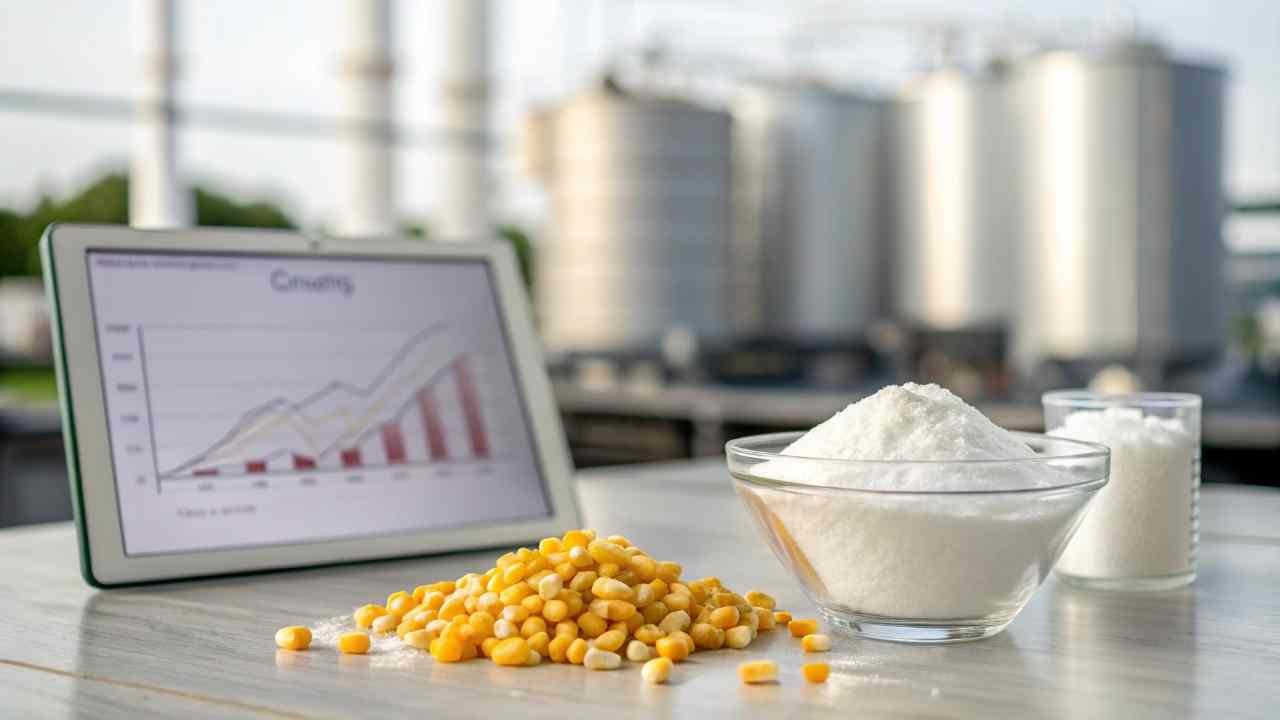
The Link Between Grain and Sweetener
I see that MSG is basically "fermented2 corn." The production process starts with corn starch. Factories turn this starch into glucose. Then, bacteria eat the glucose to make glutamic acid. This means the price of MSG is tied to the price of corn. I watch the harvest reports in Shandong and Inner Mongolia. These are the main corn regions in China. If the harvest is good, the glucose price stays low. This is the best time for you to buy. If the harvest is bad, the price of MSG will rise in a few weeks. I act as your eyes in the field to catch these trends.
Secondary materials also play a role. To turn glutamic acid into Monosodium Glutamate, factories use soda ash. While soda ash is cheaper than corn, its price can still shift. I track the chemical market in China. If the soda ash supply is tight, it adds a few dollars to every ton of MSG. I also check the "Yield Rate" of the factories. A high-tech factory gets more MSG from the same amount of corn. I prioritize these efficient plants for my B2B clients. This efficiency is a technical way to keep your prices lower than your competitors. By understanding the raw material cost, we can predict the price of the final product.
Raw Material Cost Breakdown
| Component | Share of Cost | Source | volatility |
|---|---|---|---|
| Corn Starch | 60% - 70% | Northern China | High (Harvest) |
| Energy (Coal) | 15% - 20% | Local Utilities | Moderate (Seasonal) |
| Soda Ash | 5% - 10% | Chemical Plants | Low |
| Labor / Overhead | 5% | Factory Staff | Stable |
| Packaging | 2% | Paper/Plastic Mills | Low |
Why do freight costs influence MSG prices?
High sea freight turns a good deal into a loss. You cannot control the ocean, but you can plan for it. I manage logistics to reduce shipping impacts on your landed cost.
Freight costs influence MSG prices because MSG is a heavy bulk commodity. Since most MSG is exported from China, fluctuations in container rates and port congestion add significant "landed costs," often making up 10% to 20% of the final delivered price for wholesalers.

Managing the Weight-to-Value Ratio
I see that MSG is a "Price-Sensitive" product. It is heavy and it has a relatively low value per ton compared to vitamins. This means freight is a huge part of your cost. If the freight rate3 goes up by $500 per container, your price per ton goes up significantly. I help you manage this by picking the right ports. I choose factories near the Port of Qingdao or Tianjin. This reduces the cost of inland trucking. I also look for "Direct Routes" for my buyers in the Middle East and Southeast Asia. Fewer stops mean lower costs and less damage to the bags.
Container availability is another technical factor. During peak shipping seasons, like before Christmas, containers are hard to find. The shipping lines raise the rates. I suggest my clients use "Annual Freight Contracts." This locks in a rate for the whole year. It protects you from sudden spikes in the spot market. I also look at the "Palletization" strategy. If we pack more bags into a container without breaking them, we lower the freight cost per ton. I oversee the loading process to ensure the space is used perfectly. This technical oversight is how I help you maintain a competitive edge in your local market.
Logistics Cost Factors
| Cost Item | Technical Impact | FINETECH's Optimization |
|---|---|---|
| Inland Trucking | Distance to port | Select near-port factories |
| Ocean Freight | Weight / Space | Use annual fixed-rate contracts |
| Port Fees | Loading / THC | Optimize port selection |
| Insurance | Risk of loss | Secure comprehensive B2B coverage |
| Demurrage | Port delay fees | Ensure fast document turnaround |
When is the best time to buy MSG in bulk?
Buying during a peak period burns your cash. You pay top dollar for the same product. I show you the seasonal windows to save on every ton of your MSG procurement.
The best time to buy MSG in bulk is usually during the post-harvest season in autumn or after the Chinese New Year. Buying during these low-demand windows or before winter environmental audits helps secure lower prices and ensures stable delivery before peak food production seasons.

Mastering the Buying Calendar
I see that timing is the difference between profit and loss. In China, the market follows a very clear calendar. I tell my clients to avoid buying right before the Chinese New Year. During this time, every factory is rushing to finish orders. Logistics are a mess and prices are at their highest. The best window is usually right after the holiday. The factories want to fill their production lines again. They are often willing to give a small discount to start the year. I manage this timing for my buyers in Europe and Russia. We plan our shipments in February or March to get the best value.
Another good window is October and November. This is the corn harvest season. When the new corn hits the market, the price of starch often drops. If we book your order then, we lock in that low price for your winter supply. I also look at the "Maintenance Seasons." Factories usually stop for 10 days in the summer for repairs. If you buy right before they stop, you might face a delay. I suggest buying 30 days before the maintenance starts. This ensures your cargo is on the water while the factory is closed. I act as your strategic partner to navigate these dates. Proper planning is the best way to get a top-quality product at the lowest possible price.
Annual Buying Cycle Guide
| Period | Market Status | FINETECH's Recommendation |
|---|---|---|
| Q1 (Jan-Feb) | CNY Peak / Low Stock | Buy early in Dec or wait for March |
| Q2 (Mar-May) | Stable / Post-CNY | Good time for bulk contracts |
| Q3 (Jun-Aug) | Summer Maintenance | Buy in June to avoid July gaps |
| Q4 (Sep-Nov) | Corn Harvest | Best window for price negotiation |
| Q4 (Dec) | Winter Audits | Final stock-up before CNY |
How can buyers manage MSG cost risks?
Market volatility makes your business vulnerable. A sudden price jump can freeze your growth. I provide strategic tools to lock in costs and protect your supply chain from sudden shocks.
Buyers manage MSG cost risks by using long-term volume contracts and fixed-price agreements. Diversifying suppliers across different regions and maintaining a safety stock buffer also protects against localized price spikes and sudden supply disruptions in the global market.

Hedging Against Volatility
I see that "Spot Buying" is a gamble. If you only buy when you need it, you are at the mercy of the market. I suggest my B2B clients use "Long-Term Contracts." We can agree on a volume for 6 or 12 months. This gives the factory a stable order, and in return, they give you a stable price. This is a technical way to lock in your profit. I manage these contracts for you. I ensure the factory keeps the quality high for every shipment. If the market price goes up, your contract protects you. This is how large companies stay successful in the food additive industry4.
I also suggest "Multi-Regional Sourcing." Do not put all your eggs in one basket. I work with factories in both the North and the South of China. If one region has a power cut or an environmental audit, the other can still ship. This geographic diversity is a technical shield for your supply chain. I also help you use trade insurance like Sinosure5. This allows you to have more flexible payment terms. You can keep your cash in your pocket longer and use it to grow your business. I act as your technical partner to manage all these risks. My goal is to make your procurement silent and steady.
Risk Management Strategy Checklist
| Strategy | Technical Action | Goal |
|---|---|---|
| Fixed Price Contract | Sign 6-12 month deal | Protect against price spikes |
| Safety Stock | Keep 60-day buffer | Avoid stockouts during audits |
| Dual Sourcing | Use two different provinces | Neutralize regional shutdowns |
| Sinosure | Use credit insurance | Improve cash flow and trust |
| Regular Audits | Verify factory technology | Ensure yield and price stability |
Conclusion
MSG prices change based on corn harvests, energy costs, and freight stability. I manage these technical factors at FINETECH to keep your procurement safe, steady, and profitable.
-
Healthline – A medical and nutritional overview of Monosodium Glutamate, discussing its safety, chemical properties, and role in food. ↩
-
ScienceDirect – An academic resource explaining the principles of industrial fermentation used to produce amino acids like glutamate. ↩
-
Drewry – A global shipping consultancy providing container freight rate indices and maritime market analysis. ↩
-
Food Ingredients First – A leading news platform for the global food ingredients and additive sector, covering market trends and innovation. ↩
-
Sinosure Official – The China Export & Credit Insurance Corporation’s portal for export credit insurance and trade finance tools. ↩