
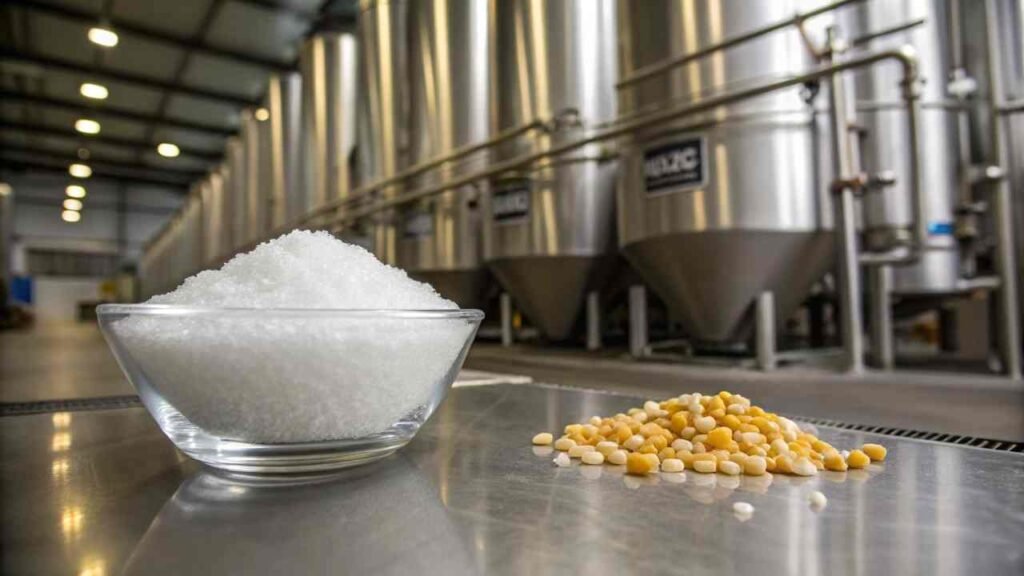
Unstable MSG production leads to supply shortages and sudden price hikes. This uncertainty ruins your budgeting and delivery plans. I explain how production factors control the MSG market for you.
MSG production affects supply and price through fermentation efficiency and raw material costs. High-scale fermentation ensures a steady volume, while corn or sugar prices dictate the final cost. Technological advancements in yeast strains and energy use are key factors that lower wholesale prices for global buyers.
I manage factory selection and oversee production for my B2B clients at FINETECH. I want to share the technical facts about MSG production so you can understand why your procurement costs change.
How is MSG produced at industrial scale?
Relying on small-scale producers leads to inconsistent quality and high costs. Your business needs the stability of industrial-scale fermentation. I show you how mass production secures your supply.
MSG is produced through large-scale microbial fermentation. Specialized bacteria convert glucose from starch into glutamic acid. This acid is then neutralized with sodium to form Monosodium Glutamate crystals. This industrial process allows for high purity, consistent crystal sizes, and competitive mass-market pricing.
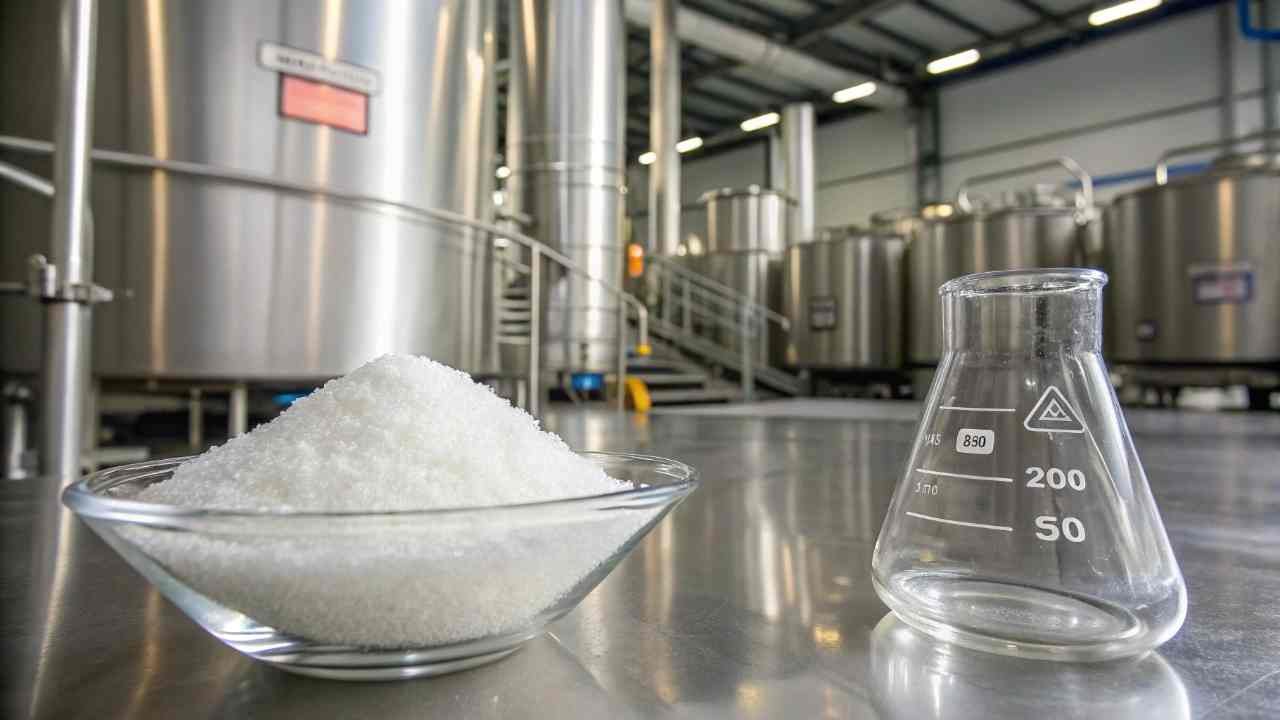
The Technical Stages of MSG Manufacturing
I see that industrial MSG production is a very precise biological process. It starts in the laboratory where we select the best bacteria strains. We usually use Corynebacterium glutamicum1. This bacteria is the "engine" of the factory. In the "Seed Stage," we grow these bacteria in small tanks with nutrients. When the population is large enough, we move them to giant fermentation tanks. These tanks can hold over 200,000 liters. I visit these plants in China to check their tank maintenance. Large tanks are essential for a stable supply because they produce more tons per batch. This scale lowers the unit cost for my wholesale clients.
The fermentation stage lasts for about 30 to 40 hours. The bacteria eat glucose and release glutamic acid. I monitor the "Conversion Rate" at the factories. A high-quality factory can turn nearly 50% of the glucose into glutamic acid. After fermentation, we must extract the acid. We use "Isoelectric Point2" technology. We adjust the pH level to make the glutamic acid drop out of the liquid as crystals. Then, we add sodium hydroxide or soda ash to neutralize the acid. This turns it into Monosodium Glutamate. The final steps are decolorization with active carbon and drying. I check the drying logs to ensure the moisture is below 0.5%. This technical rigor is why I can guarantee top quality for your food factory.
MSG Production Process Steps
| Stage | Action | Technical Requirement | FINETECH's Quality Check |
|---|---|---|---|
| Cultivation | Seed bacteria growth | 100% Sterile environment | Audit lab protocols |
| Fermentation | Bacteria eats glucose | pH and Temp control | Review DCS sensor logs |
| Extraction | Acid precipitation | Precise pH adjustment | Check purity of acid |
| Neutralization | Add Sodium (NaOH) | Correct molar ratio | Test for residual acid |
| Refining | Carbon filtration | Remove all pigments | Use whiteness meter |
| Crystallization | Vacuum cooling | Uniform crystal growth | Mesh size analysis |
What raw materials are used in MSG production?
Rising raw material costs squeeze your profit margins without warning. This market volatility is a constant threat. I identify the essential materials so you can predict price movements better.
The primary raw materials for MSG are carbon sources like corn starch, cassava, or sugarcane molasses. Other inputs include nitrogen sources (ammonia), soda ash for neutralization, and process water. In China, corn starch is the most common material affecting global MSG price trends.
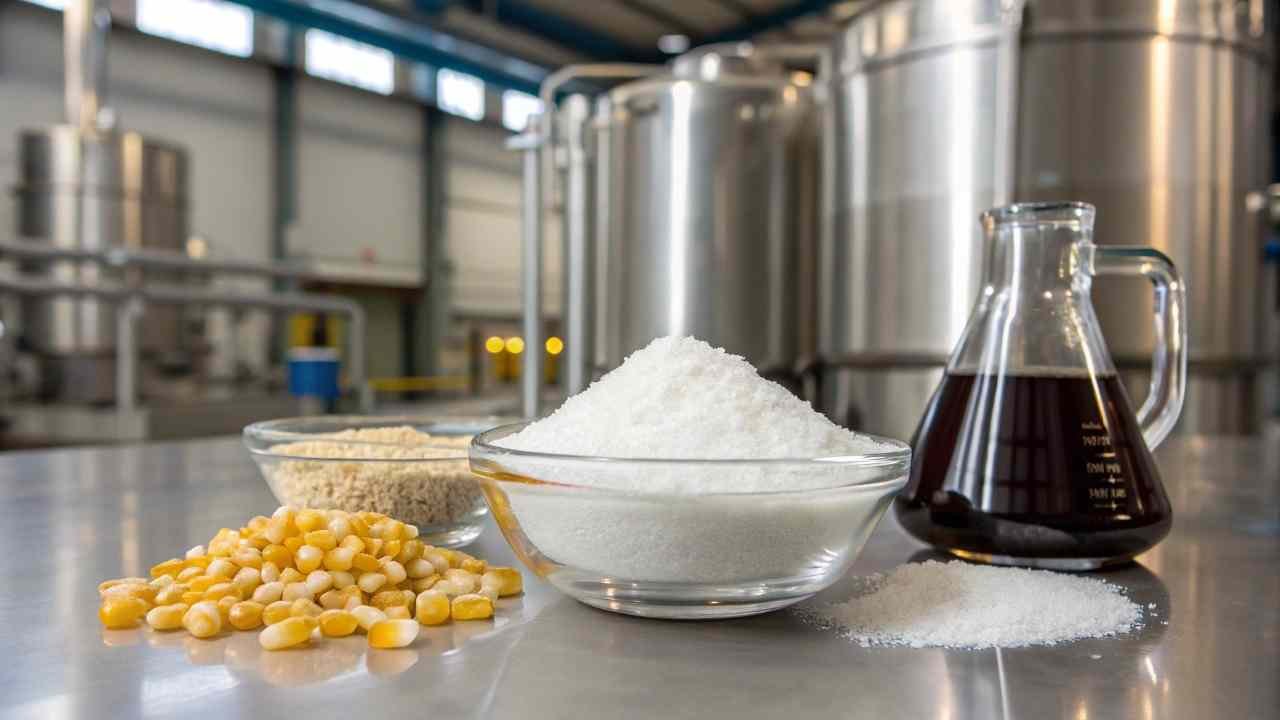
Comparing Carbon Sources and Global Impact
I see that the choice of raw material depends on where the factory is located. In China, corn is the king. Factories use corn starch because it is cheap and available in the north. When you see corn prices rise in the news, you can expect MSG prices to follow. I track the corn harvest in Shandong province for my B2B buyers. If the harvest is bad, I suggest my clients buy their stock early. This foresight saves them thousands of dollars. In Southeast Asia, factories often use sugarcane molasses or cassava. These materials give the same result, but the extraction process is slightly different.
Nitrogen is the second most important input. Bacteria need nitrogen to build the glutamic acid molecule. Factories usually use liquid ammonia or urea. These are chemical products. If the chemical industry faces energy cuts, the price of ammonia goes up. I also look at the "Auxiliary Materials." Soda ash is used to turn the acid into the salt (MSG). Active carbon is used to make the crystals clear. I audit the suppliers of these materials at the factory level. If a factory uses cheap, low-grade carbon, the MSG will look yellow. I act as your strategic partner to ensure the factory only uses high-purity inputs. This technical oversight prevents quality claims and ensures your food brand stays safe.
Raw Material Cost Breakdown
| Material | Industry Role | Cost Impact | FINETECH's Risk Strategy |
|---|---|---|---|
| Corn Starch | Main carbon food | 60% - 70% | Monitor grain reserves |
| Ammonia | Nitrogen source | 10% - 15% | Track urea market |
| Soda Ash | Neutralizing agent | 5% - 8% | Check chemical supply |
| Active Carbon | Decolorization | 2% - 3% | Audit filter quality |
| Process Water | Liquid medium | < 1% | Check deionization |
| Enzymes | Hydrolysis aid | 2% | Verify enzyme activity |
Why does production technology matter for MSG cost?
Outdated production technology wastes energy and raises your unit price. You pay for the factory's inefficiency. I explain how modern tech keeps our prices competitive in the global market.
Production technology lowers MSG costs by improving the conversion rate of glucose to glutamate. Advanced automated systems (DCS) reduce labor costs, while heat recovery systems and MVR evaporation reduce energy consumption. High-yield bacterial strains ensure more output from the same amount of raw material.

Automation and Energy Recycling
I see that energy is the second biggest cost after raw materials. To get MSG crystals, we must evaporate a lot of water. Old factories use a lot of coal to make steam for this. This is very expensive and bad for the environment. I prioritize factories that use MVR (Mechanical Vapor Recompression). MVR uses electricity to recycle the heat from the steam. It can save up to 50% on energy costs. This saving is passed on to you in the form of a lower price. I visit the utility rooms of our partner plants to verify their energy equipment. This technical audit is how I find the most cost-effective suppliers in China.
Automation is also a key factor. Modern plants use DCS (Distributed Control Systems)3. This means computers control the temperature, pH, and oxygen in the tanks. In an old factory, a human worker turns a valve. Humans make mistakes. A computer does not. This technology ensures "Batch Consistency." If the batch is consistent, the yield is always high. This reduces waste. I also look for "Strain Optimization." Top factories use genetic engineering to make bacteria that eat less glucose but produce more acid. This is the ultimate way to lower costs. I act as your technical gatekeeper to ensure you are buying from a modern plant. Efficiency is the secret to competitive wholesale pricing in the food additive industry.
Impact of Technology on Unit Price
| Technology | Old Method | Modern Innovation | Unit Cost Change |
|---|---|---|---|
| Evaporation | Multi-effect steam | MVR Technology | - 15% |
| Control System | Manual labor | Full DCS Automation | - 5% |
| Yeast Strain | Natural bacteria | Optimized strains | - 10% |
| Waste Treatment | High-cost disposal | Circular fertilizer | - 3% |
| Extraction | Direct cooling | Membrane filtration | - 7% |
How does fermentation capacity affect MSG supply?
Low factory capacity causes long lead times and missed delivery dates. This delay stops your sales. I help you find high-capacity partners to ensure your inventory stays full year-round.
Fermentation capacity determines the maximum market supply of MSG. Large factories with 200,000-liter tanks can fulfill bulk orders faster and more reliably. Total regional capacity in China is the main driver of global availability and wholesale price stability for B2B buyers.
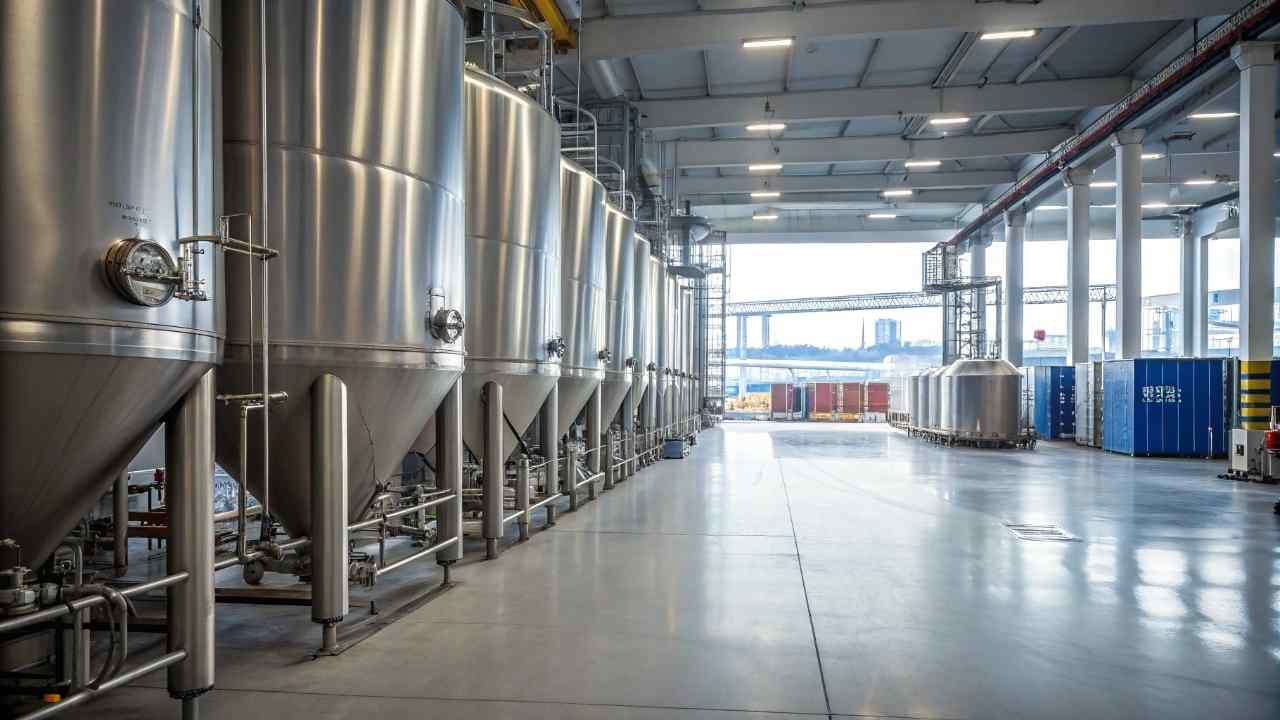
Economies of Scale and Supply Security
I see that "Scale" is a technical advantage in the MSG trade. MSG is a commodity. This means you need to produce a lot of it to make a profit. I only work with top-tier factories in China that have an annual capacity of over 100,000 tons. These giant plants have dozens of fermentation tanks running at the same time. If one tank has a problem, they still have 20 more running. This ensures a "Continuous Supply." For my clients in the Middle East and Southeast Asia, this stability is critical. They cannot wait for a factory to fix a broken machine. I audit the factory's "Effective Capacity" to make sure they can meet your peak season demand.
Scale also affects the price. A large factory buys corn starch in huge volumes. They get a better price on their raw materials. They also have lower overhead costs per ton. I negotiate with these large-scale producers to get the best wholesale rates for you. Also, a high-capacity factory is more likely to invest in new technology like MVR. A small factory cannot afford the million-dollar machines. By choosing a high-capacity partner, you get both price and quality security. I act as your strategic office in China to manage these large-scale relationships. I make sure your order is prioritized in the production queue. This is how we guarantee fast delivery even when the global market is tight.
Capacity and Market Stability
| Capacity Tier | Annual Volume (Tons) | Supplier Type | Lead Time Risk |
|---|---|---|---|
| Tier 1 | > 300,000 | Global Leaders | Very Low |
| Tier 2 | 100,000 - 300,000 | Reliable Partners | Low |
| Tier 3 | 30,000 - 100,000 | Small Mills | Moderate |
| Tier 4 | < 30,000 | Local Traders | High |
What production risks can impact MSG output?
Environmental audits and energy cuts can shut down factories overnight. These sudden stops leave you without stock. I identify these production risks so you can build a safer supply chain.
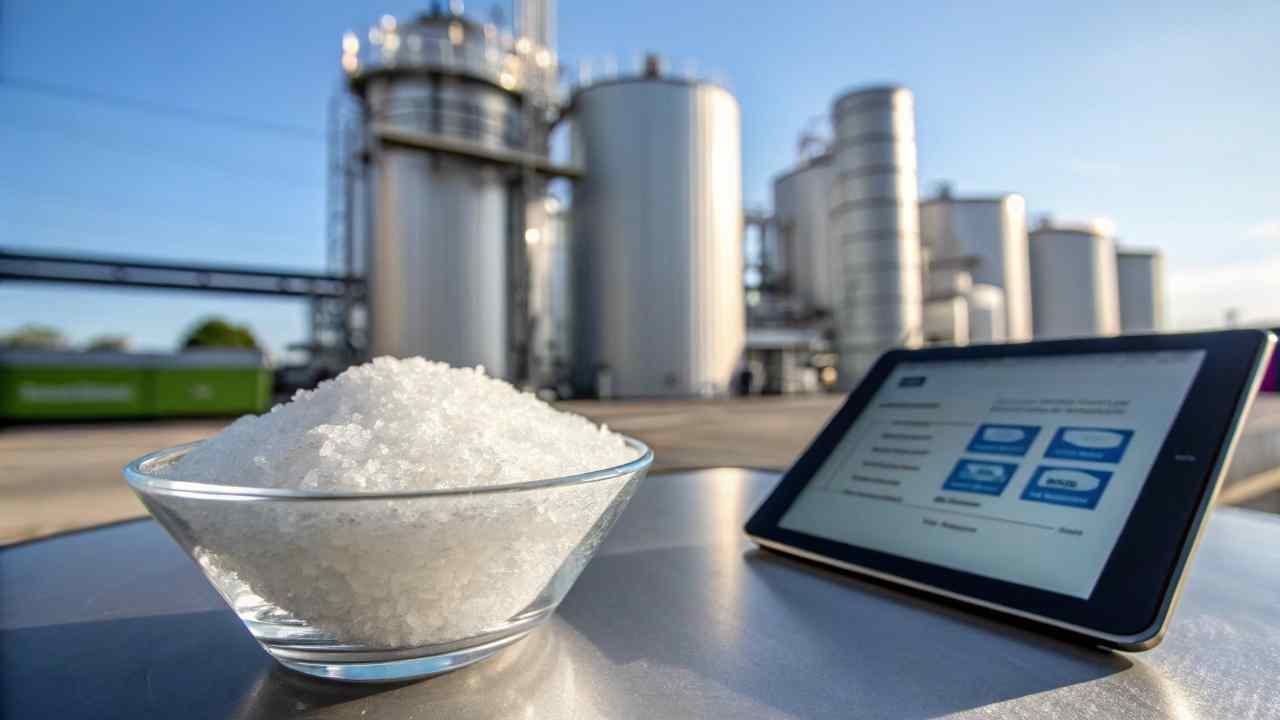
MSG output is affected by environmental "Blue Sky" policies, energy shortages, and raw material harvest failures. Microbial contamination in fermentation tanks also poses a risk of batch loss. Managing these risks requires choosing factories with advanced pollution controls and diversified raw material stocks.
Managing Regulatory and Biological Risks
I see that "Policy Risk" is a major factor in China. The government uses "Blue Sky" policies to reduce pollution during winter. In some provinces, factories must stop their boilers if the air quality is bad. MSG plants use a lot of energy, so they are the first to be audited. I prioritize factories that have invested in green technology. If a factory has low emissions, the government allows them to keep running. I check the factory's "Environmental Permit" during my site visits. This protects you from sudden supply gaps. I act as your risk manager to ensure your supplier is compliant with all local laws.
Biological risk is the second hurdle. Fermentation is done by living bacteria. If a "Phage4" (a virus that eats bacteria) enters the tank, the whole batch is ruined. This can stop production for days while they clean the pipes. I check the factory's "Cleaning in Place (CIP)5" systems. They must have a strict sterilization protocol. I also look at their raw material storage. If the corn starch is stored in a damp place, it can grow mold. This mold kills the fermentation bacteria. I only work with plants that have a clean track record and strict lab controls. This technical oversight is how I ensure your MSG arrives on time and in perfect condition. We don't just find a factory; we find a safe production environment.
Production Risk Mitigation Table
| Risk Factor | Possible Consequence | FINETECH's Preventive Action |
|---|---|---|
| "Blue Sky" Policy | Sudden plant closure | Audit pollution control tech |
| Phage Infection | Batch loss / Delay | Verify CIP sterilization logs |
| Power Rationing | Reduced output | Source from dual-power zones |
| Corn Price Spike | High unit price | Sign long-term volume contracts |
| Water Scarcity | Production stop | Check water recycling rates |
| Equipment Aging | Quality variance | Audit maintenance schedules |
Conclusion
MSG production efficiency and raw material stability determine global supply and pricing. I manage these technical factors at FINETECH to keep your procurement reliable, steady, and highly profitable.
-
MicrobeWiki – Educational profile on the biology and industrial applications of Corynebacterium glutamicum in amino acid production. ↩
-
ScienceDirect – Technical definition and application of the isoelectric point in the purification and crystallization of organic acids. ↩
-
Yokogawa – A professional overview of how Distributed Control Systems (DCS) enhance reliability and precision in large-scale manufacturing. ↩
-
Frontiers in Microbiology – Scientific analysis of bacteriophage risks in industrial biotechnology and the importance of biosafety protocols. ↩
-
Food Safety Magazine – An industrial guide to implementing robust Cleaning-in-Place (CIP) systems to prevent biological contamination in production lines. ↩