
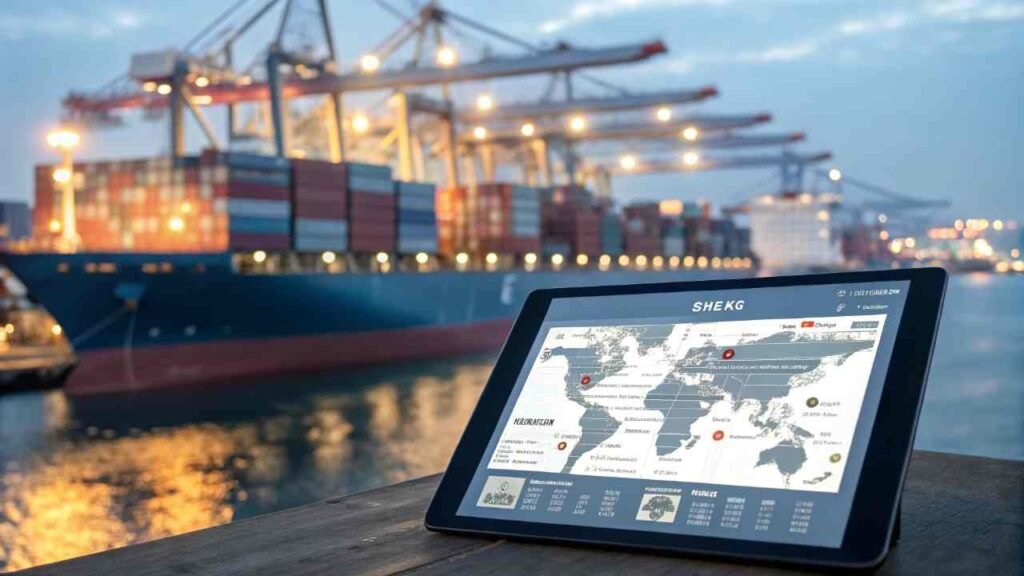
Port congestion and shipping delays drain your cash and stop your production lines. This uncertainty ruins your reputation. I manage the logistics to ensure your MSG arrives exactly when needed.
Logistics challenges in shipping MSG include port congestion, seasonal container shortages, and moisture damage during sea transit. Reliable shipping requires booking early, using moisture-proof PE liners, choosing direct shipping routes, and partnering with experienced exporters who monitor real-time vessel schedules and port conditions.
I manage factory selection and oversee production for my B2B clients at FINETECH. I want to share the technical facts about shipping challenges so you can build a more resilient supply chain for your business.
How can MSG shipments arrive on time?
Late arrivals leave your warehouse empty and your customers angry. This failure kills your sales growth. I use strategic booking and port selection to guarantee your MSG arrives on time.
MSG shipments arrive on time through early vessel booking, typically 2-3 weeks before production ends. Choosing direct shipping routes from ports like Qingdao or Tianjin and avoiding transshipment hubs reduces delays. Maintaining a 30-day buffer in your procurement schedule also helps manage unexpected port congestion.
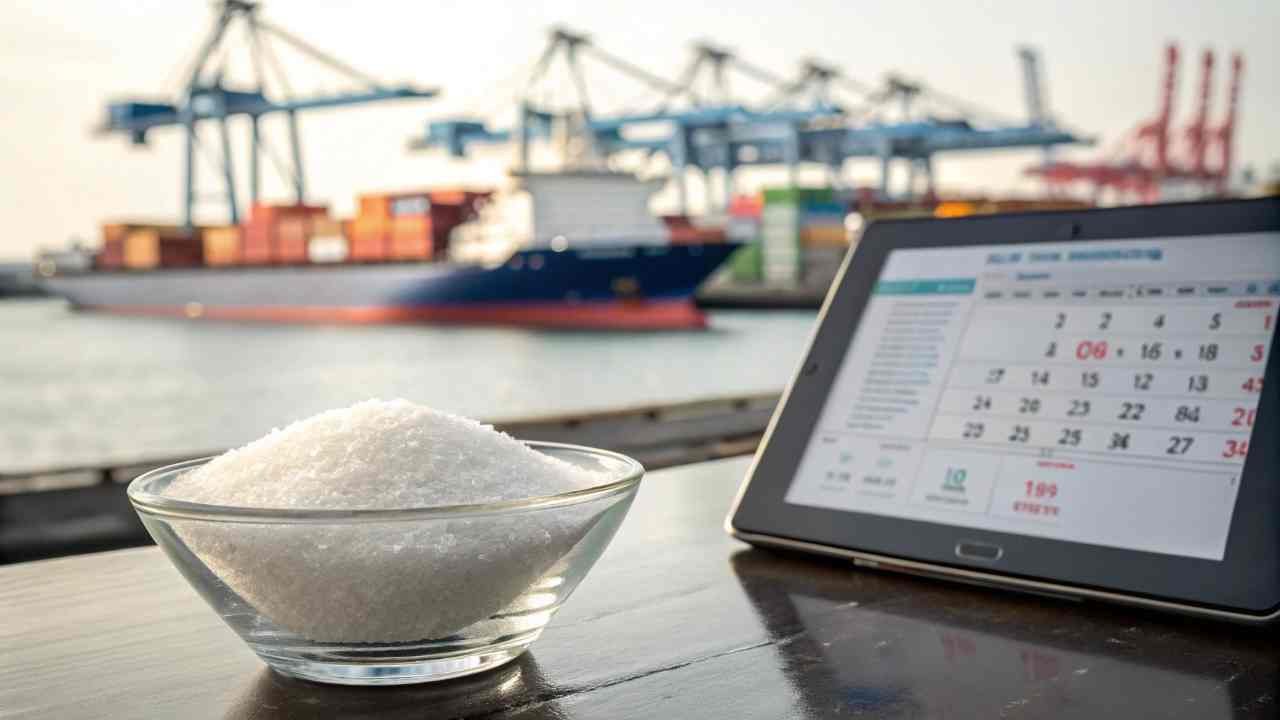
Strategic Booking and Route Management
I see that timing is the most critical part of international trade1. Most delays happen because the booking is made too late. I suggest booking your vessel space at least 14 days before the factory finishes the MSG. This ensures the cargo moves from the warehouse to the port immediately. I visit the ports in China to check which shipping lines have the best on-time records. For my clients in the Middle East and Southeast Asia, I prioritize direct vessels. Transshipment at ports like Singapore or Colombo adds 7 to 10 days of risk. If a ship is full, your container might wait for the next one. A direct route removes this danger.
Proximity to the port is another technical advantage. I select factories located near major export hubs like Qingdao or Tianjin. This reduces the inland trucking time to just a few hours. If a factory is deep inland, a truck delay or bad weather can cause the cargo to miss the boat. Missing a boat often means waiting another week for the next departure. I also monitor the "Closing Date" of the vessel. We aim to have the container at the port 2 days before the cutoff. This gives us a buffer for customs inspections2. By managing these small steps, I keep your lead times stable and predictable.
Arrival Success Factors
| Logistics Factor | Target Action | Impact on Delay | FINETECH's Role |
|---|---|---|---|
| Booking Lead Time | 14 - 21 Days early | High reduction | Manage freight forwarder |
| Route Selection | Direct Port-to-Port | Saves 7 - 10 Days | Filter shipping lines |
| Port Proximity | < 200km from plant | Reduces inland risk | Select coastal factories |
| Customs Filing | 3 days before loading | Prevents port holds | Oversee document prep |
| Container Type | 20ft FCL | Faster handling | Optimize load density |
| Buffer Stock | 30-day inventory | Neutralizes shocks | Coordinate reorder points |
What transport risks affect MSG quality?
Rough handling and bag tears turn your shipment into a dusty, unsellable mess. This waste destroys your margins. I implement strict loading protocols to protect your MSG quality during transport.
Transport risks affecting MSG quality include bag punctures, pallet collapses, and contamination from other cargo. Using high-strength multi-layer bags, palletizing with shrink wrap, and inspecting containers for holes or odors before loading are critical steps to prevent physical damage and ensure food-grade safety.
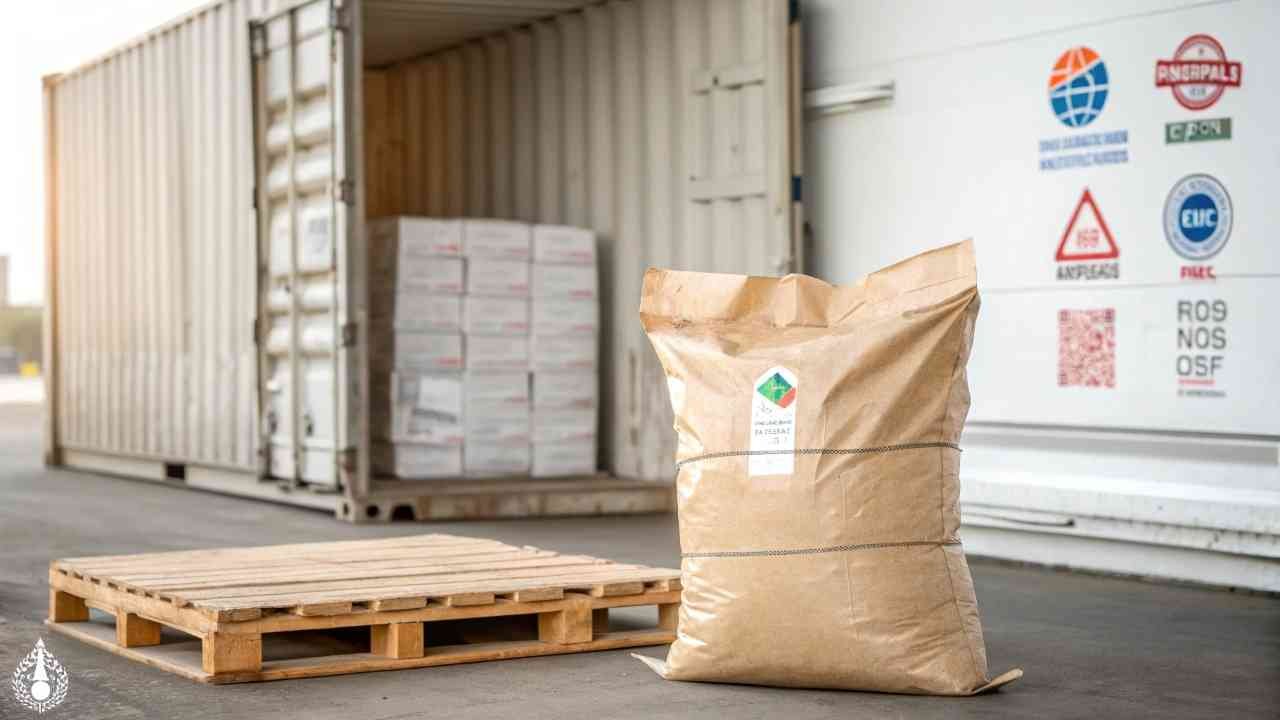
Physical Protection and Container Integrity
I see that a 20-ton container of MSG faces a lot of stress during a 30-day sea journey. The bags at the bottom of the stack carry a lot of weight. If the bags are weak, they will burst. This creates dust and waste. I only source MSG in multi-layer kraft paper bags or heavy-duty PP woven bags with PE liners. I also insist on palletization3 for my B2B clients. Pallets allow for mechanical loading with forklifts. This is much safer than manual labor. We use "Corner Protectors" and multiple layers of stretch film to keep the stack stable. This prevents the "Pallet Collapse" that happens when a ship hits rough waves.
The container itself is a technical risk. Before we load the MSG, I require a "Container Inspection." We look for holes in the roof. Even a tiny hole lets in rain or sea spray. We also check for "Residual Odors." Since MSG is a food additive4, it can absorb smells from previous cargo like chemicals or fish. If the container smells, we reject it. I also check the floor for protruding nails. A single nail can tear 10 bags during the journey. I act as your quality office in China to ensure the "Home" for your MSG is clean, dry, and safe. This physical oversight is how I maintain the top quality of every ton I ship.
Risk Mitigation Strategies
| Risk Type | Technical Cause | Mitigation Step | FINETECH's Verification |
|---|---|---|---|
| Bag Bursting | Static pressure | Multi-layer kraft bags | Audit bag specs |
| Pallet Shifting | Ship movement | Heavy-duty stretch wrap | Inspect palletizing |
| Water Damage | Container leaks | Roof light-test | Mandatory pre-load check |
| Contamination | Lingering odors | Cleaning and aeration | Odor-check before loading |
| Punctures | Sharp nails/wood | Floor lining / Cardboard | Inspect container floor |
| Tearing | Rough handling | Use of forklifts only | Supervise port loading |
How do moisture and humidity impact MSG during shipping?
Damp sea air turns free-flowing MSG into hard, useless bricks. This caking ruins your food formulas. I use moisture-proof packaging and desiccants to keep your MSG perfectly dry and ready.
Moisture and humidity cause MSG to cake, clump, and potentially grow mold during long sea journeys. Humidity impacts quality by dissolving crystal edges and hardening the product. Using double PE liners and placing desiccants in containers are the best technical solutions to block moisture and preserve flow.
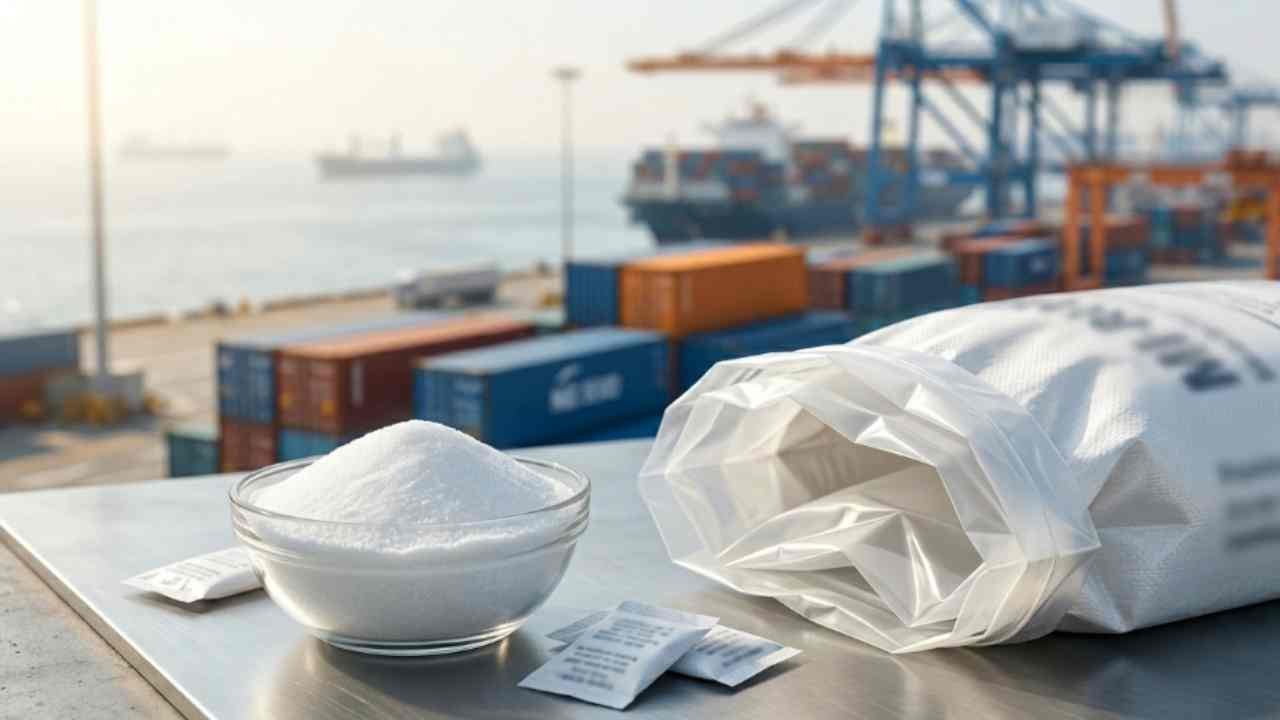
The Science of Caking and Humidity Barriers
I see that MSG is very sensitive to the environment. It is "Hygroscopic," which means it naturally pulls moisture from the air. When the humidity is high, the surface of the crystals gets sticky. When the temperature changes at night, the moisture evaporates and leaves the crystals stuck together. This is "Caking." For my clients in tropical regions like Indonesia or the Middle East, this is a major challenge. I solve this by using high-purity PE (Polyethylene) liners inside the bags. These liners are heat-sealed to create a moisture-proof barrier. I check the thickness of these liners to ensure they meet international export standards.
Another technical issue is "Container Rain5" This happens when moisture inside the container evaporates during the day and drips from the ceiling at night. To prevent this, I use "Desiccant Poles" or "Silica Gel" bags inside the container. These tools suck the moisture out of the air before it reaches the MSG bags. I also suggest "Floor Cardboard" and "Side Lining." This adds an extra layer between the bags and the cold metal walls of the container. By controlling the micro-climate inside the box, I ensure your MSG remains free-flowing. You can pour it directly into your production lines without having to break up hard lumps.
Moisture Control Benchmarks
| Metric | Target Level | Why it Matters | FINETECH's Control |
|---|---|---|---|
| MSG Moisture | < 0.2% | Baseline for storage | Verify factory lab COA |
| PE Liner Thickness | > 0.05mm | Barrier strength | Audit packaging source |
| Container Humidity | < 60% | Prevents caking | Use desiccant poles |
| Liner Seal | 100% Heat-sealed | Air-tightness | Check bag closing line |
| Ambient Temp | < 30°C | Reduces condensation | Monitor ship storage |
| Storage Height | Max 10 layers | Prevents pressure caking | Oversee loading plan |
What is the best shipping method for MSG?
High freight costs and slow transit times make your procurement inefficient. You lose your market edge. I pick the most cost-effective shipping methods to maximize your profit and speed.
The best shipping method for MSG is full container load (FCL) via 20ft sea containers. FCL reduces handling risks and lowers costs per ton compared to LCL. For urgent needs, multimodal transport or trucking to neighboring regions like Russia or Southeast Asia provides a faster but more expensive alternative.
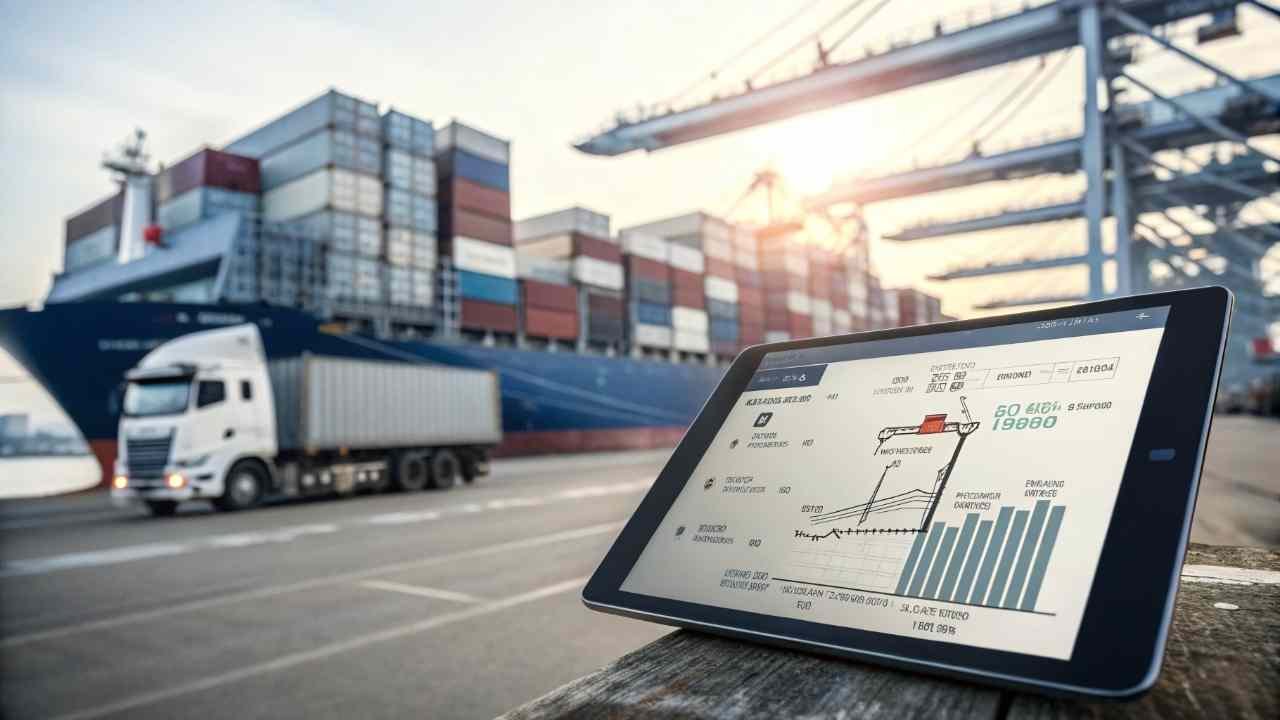
FCL vs. LCL and Multimodal Logistics
I see that for wholesale trade, FCL (Full Container Load) is the only professional choice. MSG is a heavy bulk product. In a 20ft container, we can fit 20 to 25 tons. If you use LCL (Less than Container Load), your bags are mixed with other cargo. This increases the risk of damage and contamination. It also costs more per ton because of the handling fees at the CFS (Container Freight Station). I suggest my clients always buy in full container units. It protects the food-grade status of the MSG and keeps the "Landed Cost" as low as possible. I calculate the weight limits for each destination country to ensure we maximize every shipment.
For my clients in Russia or Central Asia, I often use "Rail Freight" or "Trucking." These are multimodal options. Rail is faster than the sea and cheaper than the air. It is very stable for bulk sweeteners. For Southeast Asia, trucking from southern China is becoming popular for urgent orders. It can save 10 days compared to the sea. However, the cost is about 30% higher. I act as your logistics strategist to compare these costs. I help you choose the method that balances speed and budget. My goal is to find the "Sweet Spot" where you get your MSG fast without overpaying for freight.
Shipping Method Comparison
| Method | Typical Lead Time | Cost Level | Security Level | Best Use Case |
|---|---|---|---|---|
| FCL (Sea) | 20 - 45 Days | Lowest | High | Standard wholesale |
| LCL (Sea) | 30 - 55 Days | Moderate | Low | Small trial orders |
| Rail (China-EU) | 15 - 20 Days | High | Very High | Urgent inland stock |
| Trucking (Cross-border) | 5 - 10 Days | Very High | Moderate | Emergency SEA orders |
| Air Freight | 3 - 5 Days | Extreme | Very High | Samples / Pharma-grade |
How can buyers reduce MSG delivery delays?
Administrative errors and customs red tape freeze your shipments at the port. This delay adds huge demurrage fees. I manage all paperwork and scheduling to ensure your MSG clears customs instantly.
Buyers reduce delays by providing accurate import documents 7 days before arrival and booking shipments outside of peak seasons like Chinese New Year. Working with managed exporters like FINETECH ensures that production cycles align perfectly with vessel departures to eliminate waiting time at the warehouse.
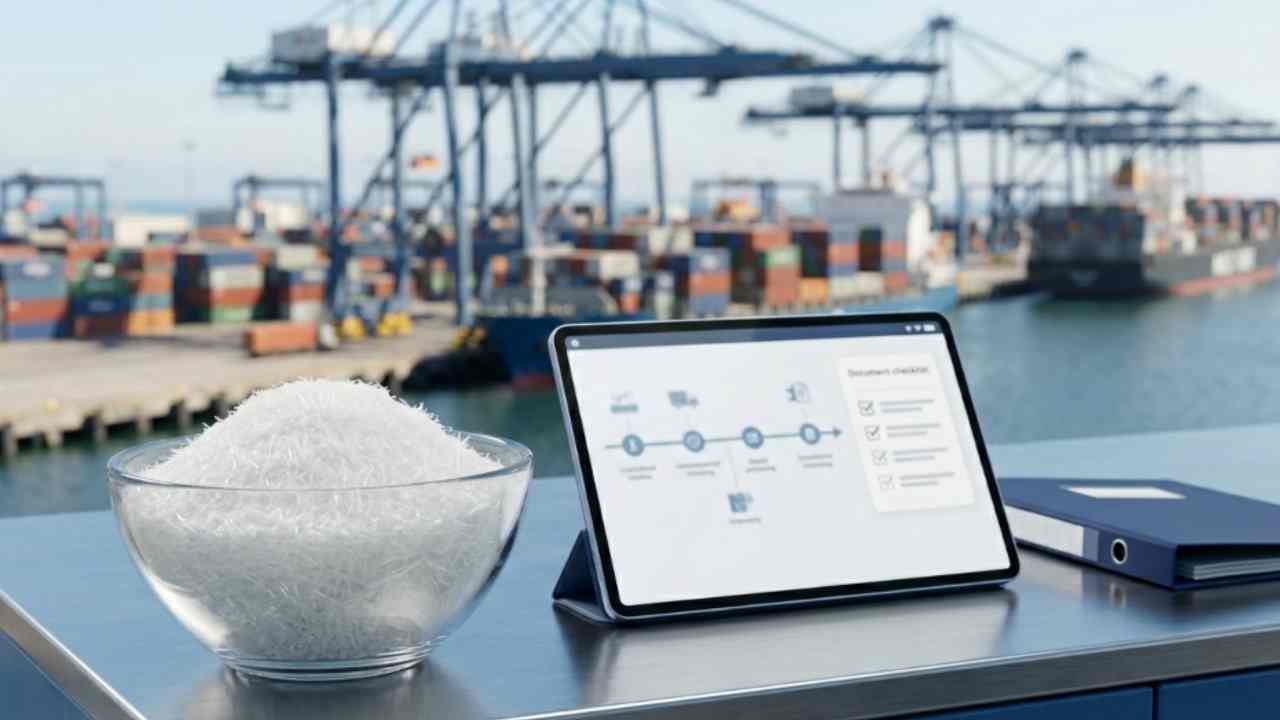
Paperwork Accuracy and Seasonal Planning
I see that many delays happen on the desk, not on the ship. If the HS code is wrong or the Health Certificate has a typo, the container stays at the port. This costs you "Demurrage" fees every day. I manage the document flow with high precision. I send you digital copies of the BL (Bill of Lading), COA (Certificate of Analysis), and Invoice for approval before the ship even leaves China. This gives you time to check with your local customs agent. By the time the ship arrives in Saudi Arabia or Malaysia, the paperwork is already done. This "Early Filing" is a technical requirement for a fast supply chain.
Seasonal planning is the other key to speed. I warn my clients about the "Peak Season" risks. Before the Chinese New Year or the October Golden Week, ships are full and ports are slow. I suggest my clients buy their "Safety Stock" in November or May. This avoids the holiday rush. I also monitor the "Port Congestion Index." If the port of Qingdao is busy, I move the cargo to Tianjin or Shanghai. This flexibility is only possible because I work with multiple logistics partners. I act as your strategic office in China to bypass these bottlenecks. Your business stays moving while your competitors are stuck in the queue.
Delay Reduction Checklist
| Action Item | Target Deadline | Technical Reason | FINETECH's Role |
|---|---|---|---|
| Order Placement | 45 days before stockout | Covers production/shipping | Coordinate factory |
| Document Approval | 3 days after departure | Enables early customs entry | Prep COA / Packing list |
| Vessel Booking | 2 weeks before cargo | Secures equipment/space | Manage forwarder |
| HS Code Audit | At time of PO | Prevents tax / legal errors | Verify local customs rules |
| Holiday Planning | 60 days before CNY | Avoids total market stop | Provide market alerts |
| Demurrage Check | 7 days before arrival | Avoids extra storage fees | Track vessel ETA |
Conclusion
Shipping MSG requires careful moisture control, early vessel booking, and perfect paperwork. I manage every logistics step at FINETECH to keep your supply chain safe, steady, and profitable.
-
ICC (International Chamber of Commerce) – Official rules and Incoterms standards that govern responsibilities in international trade contracts. ↩
-
Flexport – A professional logistics guide explaining the customs clearance process and how to avoid delays during inspections. ↩
-
MHL News – Expert advice on the importance of proper palletization to ensure structural integrity and safety during transit. ↩
-
WHO – World Health Organization fact sheet regarding the safety, evaluation, and international standards for food additives. ↩
-
Container Handbook – A comprehensive logistical resource detailing the physics of moisture formation (container rain) and prevention strategies. ↩