
Sudden Phosphoric Acid shortages disrupt your production lines and inflate your costs. This instability threatens your profit margins and client trust. I explain the market facts to help you secure supply.
The Phosphoric Acid supply market is currently volatile due to phosphate rock scarcity and concentrated production in China and Morocco. Stability depends on energy costs, environmental regulations, and shipping logistics. Buyers can ensure stability by diversifying suppliers and monitoring raw material price trends in major exporting hubs.
I manage factory selection and oversee production for my B2B clients at FINETECH. I want to share the technical facts about Phosphoric Acid supply so you can build a more resilient procurement strategy.
What factors affect the Phosphoric Acid supply chain?
Sudden logistics bottlenecks and raw material spikes leave your orders stuck at the port. This uncertainty makes your budgeting impossible. I analyze the key factors that drive the Phosphoric Acid supply chain today.
Key factors affecting the Phosphoric Acid supply chain include the cost of phosphate rock, sulfur prices for wet-process acid, and energy costs for thermal-process production. Additionally, environmental policies in China and global shipping availability significantly influence lead times and wholesale pricing for international buyers.
Energy Costs and Production Methods
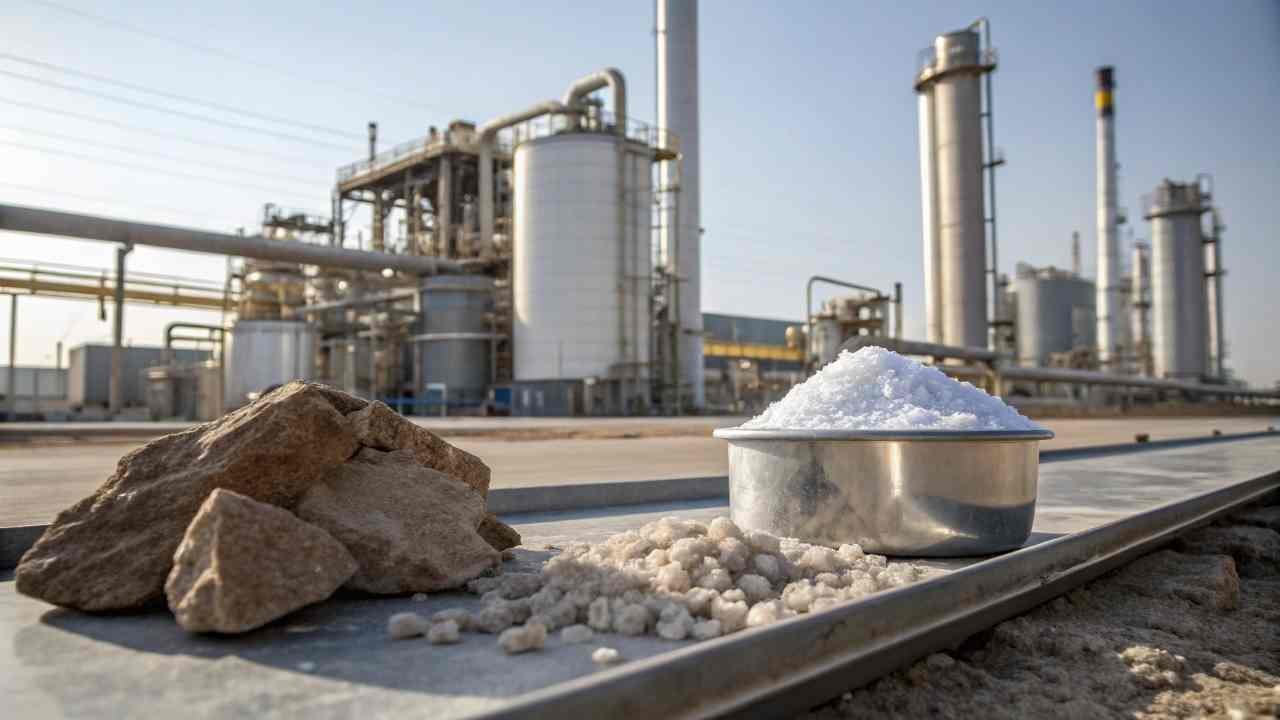
I see that the production method is the first technical factor in the supply chain. There are two main ways to make Phosphoric Acid1: the Thermal Process and the Wet Process. Thermal process acid is very pure. It is often used for food-grade products. However, it uses a lot of electricity to burn yellow phosphorus. If energy prices in China rise, the price of thermal acid goes up instantly. I monitor the electricity quotas in Yunnan and Guizhou provinces for my clients. These regions produce most of China’s phosphorus. When the government cuts power to factories, the supply drops and prices spike.
The Wet Process is more common for industrial and fertilizer use. This method uses sulfuric acid2 to treat phosphate rock. This means the price of sulfur is a major factor. Sulfur is a byproduct of oil refining. If the oil market is unstable, sulfur prices change. This affects the cost of the acid. I also look at the "Environmental Audit" factor. Phosphoric acid production creates a lot of waste like phosphogypsum. If a factory does not have good waste management, the government will shut it down. I visit the factories to check their environmental permits. This ensures your supply is not stopped by a sudden legal audit. I act as your technical gatekeeper to manage these complex risks.
Key Supply Chain Drivers
| Factor | Impact on Supply | Technical Reason | FINETECH's Risk Strategy |
|---|---|---|---|
| Phosphate Rock | Very High | Main raw material | Track mining output |
| Electricity Price | High (Thermal) | Required for yellow phosphorus | Monitor regional power |
| Sulfur Price | High (Wet Process) | Required for extraction | Track oil industry trends |
| Env. Regulation | Moderate to High | Waste management rules | Audit factory permits |
| Logistics | Moderate | Tanker availability | Book shipments 3 weeks early |
| Export Quotas | High | Government trade limits | Diversify supplier regions |
Which countries dominate Phosphoric Acid production?
Depending on a single source makes your business vulnerable to regional policy changes. One local strike can stop your inventory. I identify the global leaders in Phosphoric Acid production to help you diversify.
China and Morocco dominate the global Phosphoric Acid market. China is the leading producer of both food and industrial grades, while Morocco holds the largest phosphate rock reserves. Other significant players include the USA, Russia, and Jordan, which support regional agricultural and industrial demands.

The Role of China and Morocco
I see that China is the most important supplier for my B2B clients in the Middle East and Europe. China has a massive integrated supply chain. This means the factories often own their own mines and power plants. This integration keeps the price competitive. I prioritize factories in the southwestern part of China. These plants have high capacity and use the latest purification technology. For food-grade Phosphoric Acid (85%), China is the global hub. I act as your strategic office in China to navigate the export policies of these giant producers.
Morocco is the other giant. The state-owned OCP Group controls the largest phosphate reserves in the world. They focus mostly on the Wet Process for fertilizers. However, they are increasing their capacity for purified acid. If you buy in huge bulk volumes for industrial use, Morocco is a key player. The USA and Russia also produce a lot. But they use most of it for their own internal markets. Russia is a major player for the European market because of its proximity. I help my clients compare the "Landed Cost" from these different regions. Choosing the right country of origin is a technical decision. It depends on your purity needs and your local import taxes.
Global Production Leaders
| Country | Production Focus | Grade Specialty | Market Strength |
|---|---|---|---|
| China | Integrated Supply | Food & Industrial | Export volume / Tech |
| Morocco | Bulk Extraction | Fertilizer / Industrial | Raw material reserves |
| USA | Domestic Use | Industrial / Food | High quality standards |
| Russia | Regional Supply | Industrial | Proximity to Europe |
| Jordan | Export / Mining | Industrial | Competitive ME pricing |
| Vietnam | Yellow Phosphorus | Industrial | Emerging capacity |
How does phosphate rock availability impact Phosphoric Acid supply?
Decreasing phosphate rock quality leads to lower production yields and higher prices. This resource depletion puts your long-term supply at risk. I explain the link between mining and your final product.
Phosphate rock availability is the primary constraint on Phosphoric Acid supply. Since it is a non-renewable resource, mining output directly dictates production capacity. Fluctuations in rock grade and extraction costs in Morocco and China are the main drivers of global acid pricing and availability for wholesalers.
Mining Grades and Yield Efficiency
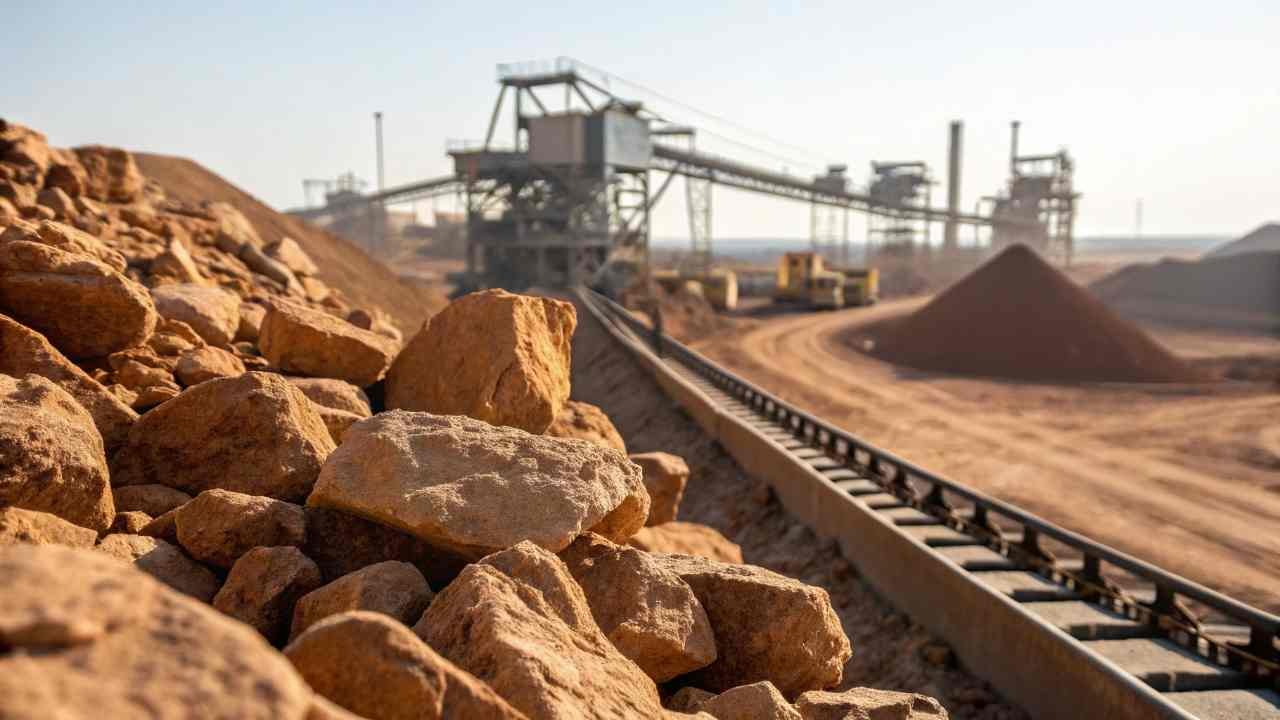
I see that phosphate rock3 is the "Foundation" of the entire industry. Not all rock is the same. The "P2O5 Content" tells us the quality. If the rock grade is low, the factory must use more chemicals and more energy to extract the acid. This increases the cost per ton. I visit the integrated plants in China to check their rock supply. Some factories have high-grade mines that give them a 10% cost advantage. This saving is passed on to you. If a factory buys low-grade rock from the open market, their quality can vary. This is a technical risk for your production.
Mining is also affected by geography and logistics. In Morocco, the mines are close to the ports. In China, the mines are deep inland. This means trucking costs to the factory are a factor. I also monitor "Mining Quotas." Governments often limit mining to protect the environment. This reduces the total supply of rock available for acid production. This scarcity is a permanent trend. I suggest my clients sign long-term volume agreements with integrated producers. These producers have their own mines, so they are the last ones to run out of material. I act as your strategic partner to secure these high-yield sources. This technical foresight ensures you always have stock, even when others are empty.
Phosphate Rock Impact Factors
| Factor | Technical Impact | Cost Impact | FINETECH's Role |
|---|---|---|---|
| P2O5 Content | Higher yield per ton | Lowers unit price | Verify rock grade at plant |
| Mining Depth | Increases energy use | Raises base cost | Audit factory energy logs |
| Extraction Tech | Reduces chemical waste | Lowers total cost | Check purification method |
| Mine Location | High trucking fees | Increases CIF price | Select coastal-linked plants |
| Reserve Life | Long-term stability | Protects supply | Audit factory mine assets |
| Env. Cleanup | Compliance costs | Adds to overhead | Verify pollution tech |
Why is supply concentration a risk for Phosphoric Acid buyers?
When a few countries control the market, they control your prices. Trade wars or export bans can cut you off instantly. I reveal why supply concentration is your biggest procurement threat in the food additive industry.
Supply concentration is a risk because it exposes buyers to geopolitical tensions, export quotas, and regional environmental shutdowns. If production in China or Morocco drops, global prices spike immediately due to the lack of alternative high-volume sources for food-grade Phosphoric Acid.

Geopolitics and Policy Shocks
I see that the concentration of Phosphoric Acid in China and Morocco creates a "Bottleneck." For example, China often uses export quotas4 to ensure their own farmers have enough fertilizer. When these quotas are tight, the supply of food-grade Phosphoric Acid also drops. I have seen prices double in just two weeks because of a policy change in Beijing. If you only have one supplier in one region, you are in danger. This is why I help my clients build a "Diversified Supplier Map." We find factories in different provinces of China. If Yunnan has a power cut, we move the order to a factory in Sichuan.
Regional environmental crackdowns are another major risk. In China, the government often sends "Inspection Teams" to specific provinces. These teams can shut down every factory in the region for a month. If all your suppliers are in that province, your business stops. I manage this by spreading your orders across multiple vetted partners. This technical diversification is your insurance policy. I also monitor the "Trade Relations" between countries. If there are new anti-dumping duties, I warn my clients early. Supply concentration is a fact of the market, but it does not have to be a disaster for you. I act as your strategic office to bypass these regional shocks.
Risks of Market Concentration
| Risk Type | Market Impact | Duration | Mitigation Step |
|---|---|---|---|
| Export Quotas | Severe supply shortage | 3 - 6 Months | Contract with VIP producers |
| Regional Power Cuts | Immediate price spike | 1 - 2 Months | Source from multiple provinces |
| Env. Shutdowns | Factory closures | 2 - 4 Weeks | Audit green tech compliance |
| Currency Shift | Fluctuating CIF prices | Ongoing | Fix prices in long-term contracts |
| Port Congestion | Logistics delays | 2 - 4 Weeks | Buffer stock in destination |
| Trade Barriers | Higher import taxes | Long-term | Use alternative origin ports |
How can importers secure stable Phosphoric Acid supply?
Emergency buying during a shortage forces you to pay peak prices. This destroys your yearly budget. I show you the technical steps to build a safe and reliable supply chain for your B2B business.
Importers can secure stable supply by signing long-term volume contracts, maintaining a 30-day safety stock, and auditing factory production capacities. Partnering with a managed exporter like FINETECH ensures you navigate local policy changes and receive consistent quality through pre-shipment inspections.

Strategic Planning and Inventory Management
I see that "Planning" is the best way to beat market volatility. I suggest my clients maintain a 30-day safety stock5 in their local warehouse. This accounts for the 30-day shipping time from China. If there is a delay at the port, you still have stock for your customers. I also manage the "Production Schedule." I book factory space for my clients 4 to 6 weeks in advance. This ensures your order is prioritized during the peak season. High-volume buyers should always use "Long-term Contracts." These contracts fix your volume and your price. This makes your budget predictable and keeps your margins safe.
Quality control is the other part of supply stability. If you receive a container of 75% acid when you ordered 85%, your production stops. This is a supply disaster. I prevent this by using Pre-Shipment Inspection (PSI). I hire firms like SGS to test the purity, heavy metals, and clarity of the acid before it is loaded. I also supervise the loading of the IBC tanks or drums. I check for leaks and ensure the packaging is food-grade. I also manage the "Document Flow." I send you the COA and Health Certificates early so you can clear customs fast. By managing every technical step, I keep your supply chain running like a machine. I act as your eyes and ears in China to prevent surprises.
Supply Stability Checklist
| Action Item | Technical Goal | Frequency | FINETECH's Role |
|---|---|---|---|
| Volume Contract | Reserve factory capacity | Annual | Negotiate VIP terms |
| Safety Stock | 30-day buffer | Ongoing | Coordinate reorder points |
| Factory Audit | Verify integrated supply | Every 12 months | On-site production check |
| Lab Testing | Verify 85% purity (PPA) | Every batch | Oversee SGS/Third-party lab |
| Packaging Check | Prevent leaks/contamination | Before loading | Inspect IBC/Drum integrity |
| Logistics Booking | Secure vessel space | 21 days early | Manage freight forwarder |
Conclusion
Phosphoric Acid stability depends on monitoring raw material trends and managing regional production risks. I manage these technical factors at FINETECH to keep your supply chain steady, safe, and profitable.
-
PubChem – Comprehensive chemical database providing properties, safety profiles, and molecular data for Phosphoric Acid. ↩
-
ScienceDirect – Engineering and chemical overview of sulfuric acid's role in industrial leaching and chemical processing. ↩
-
USGS – Official mineral information and statistics regarding the global distribution and mining of phosphate rock. ↩
-
Investopedia – An educational overview of economic quotas and how export/import restrictions impact global commodity prices. ↩
-
NetSuite – A business guide on how to calculate safety stock to mitigate supply chain disruptions and lead-time variability. ↩