
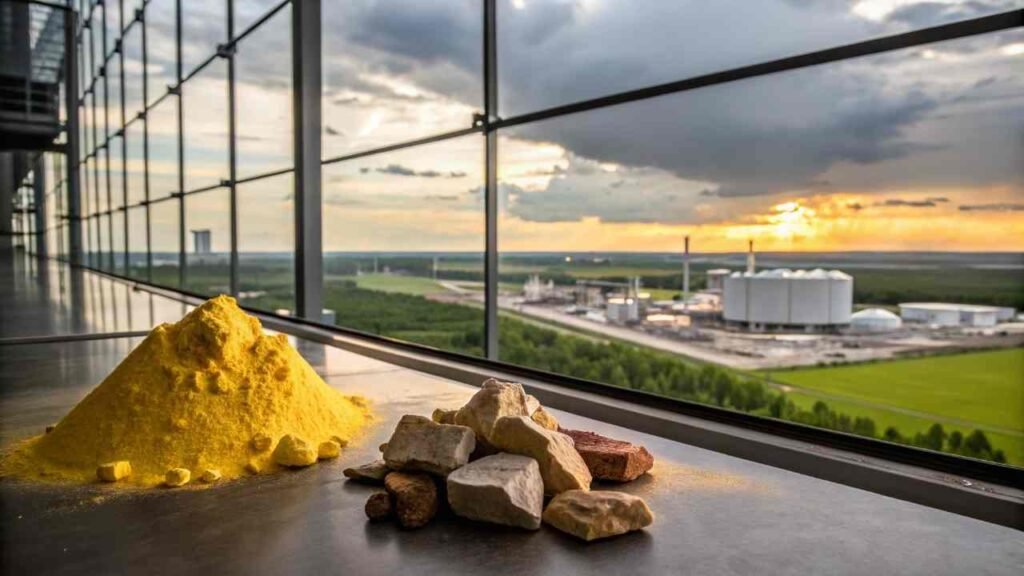
Unexpected Phosphoric Acid price hikes ruin your yearly budget. This volatility causes financial stress and inventory gaps. I analyze these market trends to keep your procurement stable and profitable.
Phosphoric Acid prices are changing due to fluctuations in raw material costs, specifically phosphate rock and sulfur. Energy prices in China also play a huge role. Seasonal demand from the fertilizer industry and global shipping constraints further drive current market volatility and wholesale price shifts.
I manage factory selection and oversee production for my B2B clients at FINETECH. I want to share the technical facts about price movements so you can make smarter buying decisions for your business.
What drives Phosphoric Acid price fluctuations?
Losing money on a bad trade because of a sudden price jump is painful. This uncertainty makes it hard to quote your own customers. I track the main drivers of these swings.
Phosphoric Acid price fluctuations are driven by the supply-demand balance in the global fertilizer market. Since the majority of acid goes into fertilizers, any surge in DAP or MAP demand raises prices. Chinese export quotas and environmental policies also create sudden supply shortages and price spikes.
The Link Between Agriculture and Food Grade Acid
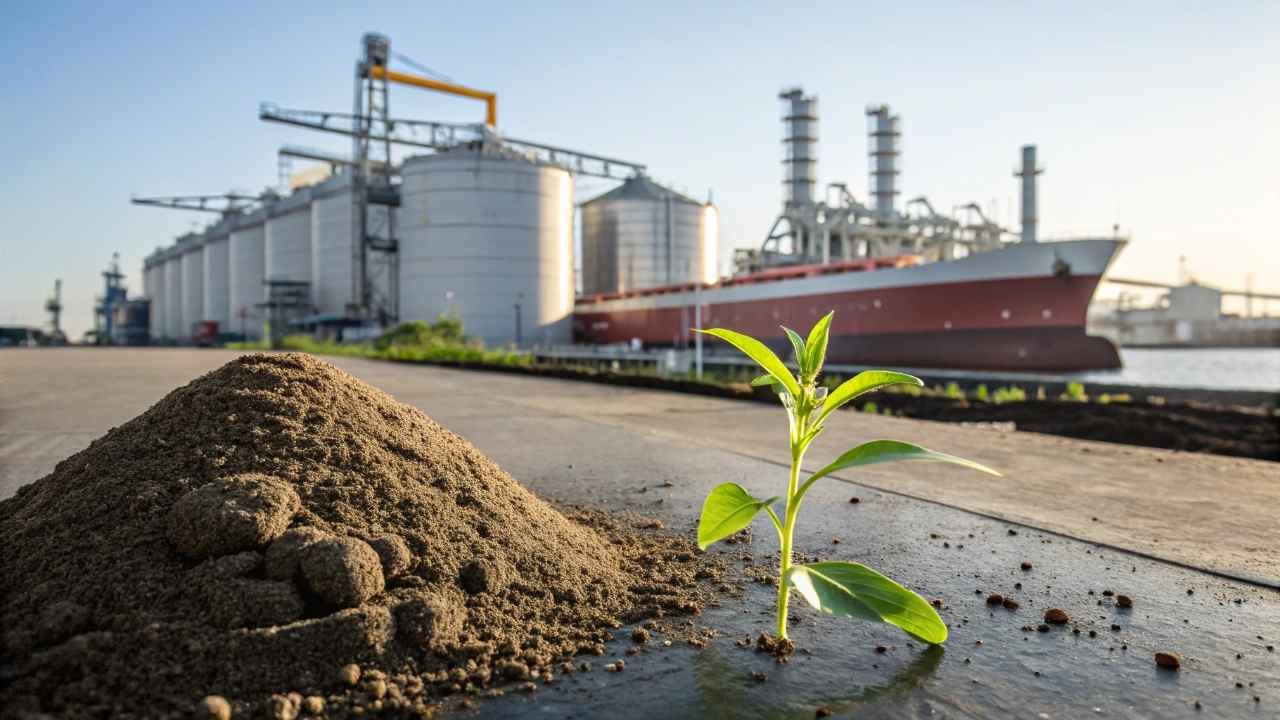
I see that the biggest driver of Phosphoric Acid price is the agriculture sector. About 80% of the world's phosphate goes into fertilizers like Diammonium Phosphate (DAP)1. When the planting season starts in Brazil or India, the demand for phosphate rock reaches its peak. This causes the price of raw materials to climb. Even if you only buy food-grade acid, you are competing for the same raw rock. I monitor these agricultural cycles for my clients. If fertilizer demand is high, I suggest my clients buy their food-grade stock early. This foresight saves them from paying the "Fertilizer Premium."
Policy changes in China are the second technical driver. China is a top exporter of Phosphoric Acid. The Chinese government often uses export quotas2 to protect domestic fertilizer supply. If the government restricts exports, the global supply drops instantly. This leads to a rapid price increase in the international market. I also watch environmental inspections. Many factories in Yunnan or Guizhou must stop production for audits. These "Blue Sky" policies reduce total output. I act as your strategic partner to monitor these government notices. This helps us avoid the panic buying that happens when supply suddenly tightens.
Global Market Drivers Table
| Driver Type | Market Impact | Duration | FINETECH's Strategy |
|---|---|---|---|
| Fertilizer Demand | Very High | Seasonal (3-4 months) | Buy during off-season |
| China Export Quota | Extreme | 6 - 12 Months | Maintain 30-day safety stock |
| Env. Inspections | High | 2 - 4 Weeks | Audit multiple factory zones |
| Mining Output | Moderate | Long-term | Select integrated producers |
| Inventory Levels | Moderate | 1 - 2 Months | Monitor port stock data |
| Global Trade Wars | High | Unpredictable | Use alternative origin ports |
How do raw material costs affect Phosphoric Acid pricing?
Upstream cost increases squeeze your profit margins every day. You cannot control the mines, but you can understand their impact. I explain how raw materials dictate your final invoice.
Raw material costs, mainly phosphate rock and sulfur, account for over 60% of Phosphoric Acid pricing. Rising mining costs and sulfur price volatility in the oil industry directly raise production expenses. Buyers see these costs reflected in higher wholesale prices for both industrial and food grades.
Understanding Rock and Sulfur Pricing
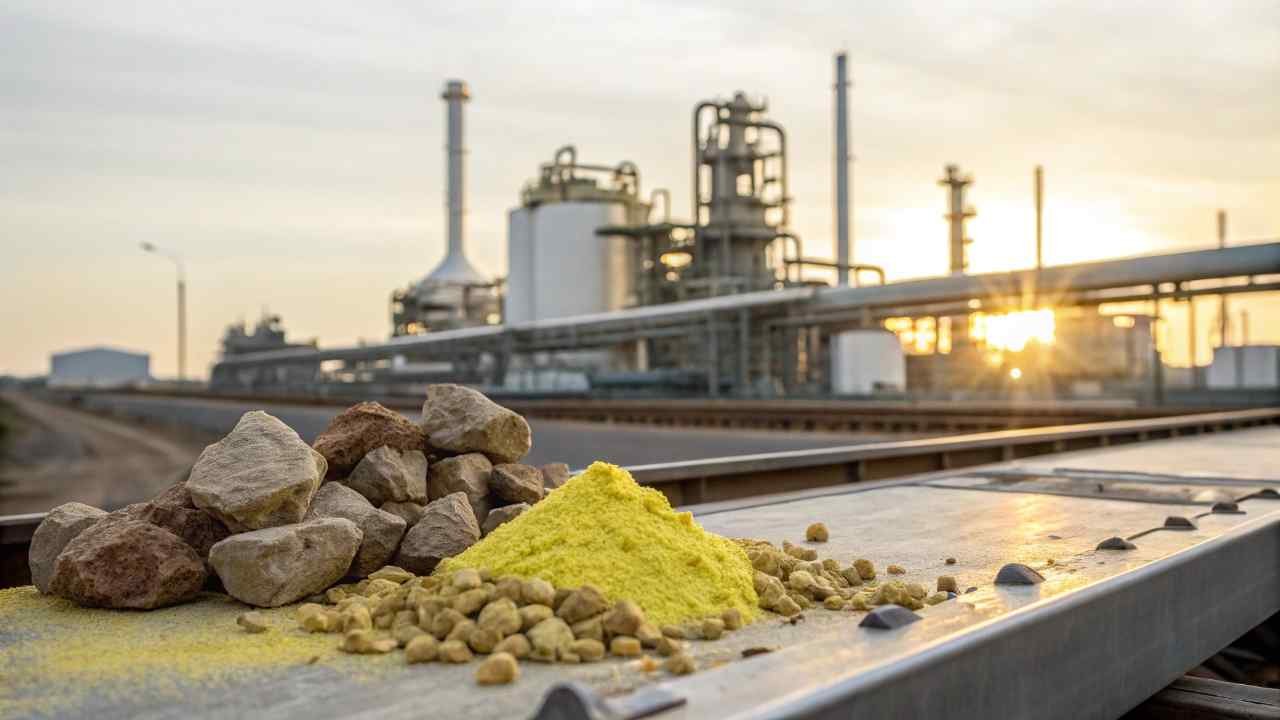
I see that phosphate rock is the most important part of the cost structure. The price of rock depends on the "P2O5" grade. High-grade rock is getting harder to find. This means mines must spend more money on extraction. I visit the integrated plants in China that own their own mines. These factories have a more stable cost structure. If a factory must buy rock from the open market, their price will change every week. This is why I prioritize sourcing from factories with their own resource base. It protects you from the volatility of the mining market.
Sulfur is the second key material for the "Wet Process." Most Phosphoric Acid is made by reacting rock with sulfuric acid3. Sulfur is a byproduct of oil and gas refining. Because of this, sulfur prices are linked to global energy markets. If oil production drops, sulfur prices usually go up. I track the sulfur market in the Middle East and China. When sulfur goes up by $50 per ton, the price of Phosphoric Acid follows quickly. I also check the price of "Yellow Phosphorus" for the thermal process. This is a different technical path, but it still relies on rock prices. I act as your technical gatekeeper to explain which raw material is causing your price to change.
Raw Material Cost Breakdown
| Input Material | Cost Contribution | Market Link | Technical Role |
|---|---|---|---|
| Phosphate Rock | 40% - 50% | Mining Industry | Main source of Phosphorus |
| Sulfur | 15% - 20% | Oil & Gas | Used to make sulfuric acid |
| Yellow Phosphorus | 60% (Thermal) | Power / Rock | Intermediate for pure acid |
| Process Water | < 2% | Local Utility | Medium for reaction |
| Chemical Aids | 3% - 5% | Chemical MFG | Purification and filtering |
| Packaging (IBC) | 2% - 5% | Plastic Market | Storage and safety |
Why do energy and processing costs impact Phosphoric Acid prices?
Rising electricity bills in China lead to higher prices on your desk. These hidden costs can surprise you during the peak season. I show you how energy consumption changes the value of your acid.
Energy costs impact Phosphoric Acid prices because the thermal production process requires massive amounts of electricity for electric furnaces. Processing costs, including multi-stage purification for food-grade quality, add a technical premium. Power rationing in Chinese production hubs often leads to sudden price hikes and supply drops.
The Cost of Thermal Purity
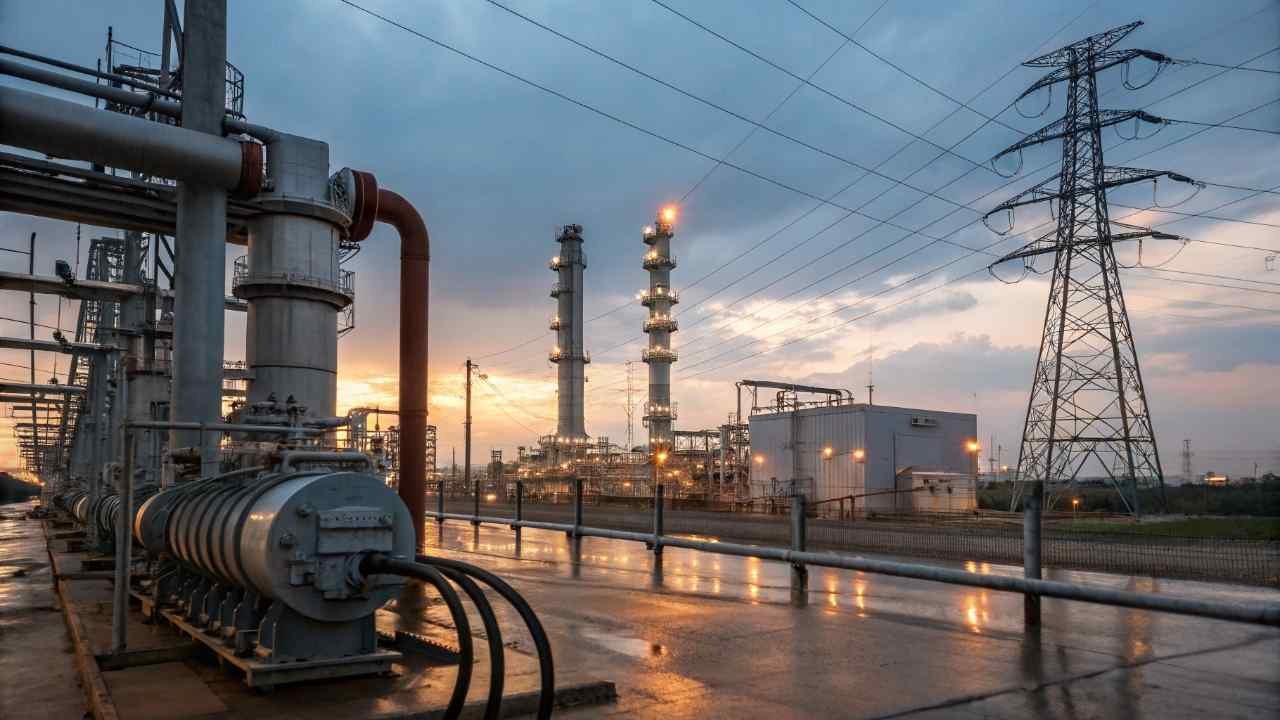
I see that food-grade Phosphoric Acid (85%) often uses the "Thermal Process." This method is more expensive than the wet process. It starts by making yellow phosphorus in an electric furnace. These furnaces eat a huge amount of electricity. In provinces like Yunnan and Guizhou, the government often rations power during the summer or winter. When power is limited, factories must stop their furnaces. This creates a "Double Hit." The supply goes down and the energy cost per ton goes up. I monitor the provincial power grid reports in China. This helps me warn my B2B buyers about coming price jumps.
Processing for "Electronic Grade4" or "Food Grade" adds more cost. To reach 85% or 99% purity, the acid must go through multiple filtration and decolorization steps. This requires specialized chemicals and more labor. I visit the refining sections of our partner factories. I want to see the efficiency of their "Purification Towers." If a factory uses old technology, they waste more energy. Modern factories use heat recovery systems. This lowers the energy cost per ton. I act as your strategic office to find these efficient producers. By choosing a low-energy factory, we get a better price even when power rates are high. Technical efficiency is the only way to stay competitive in a high-cost market.
Processing Cost Factors
| Acid Grade | Production Method | Energy Intensity | Cost Premium |
|---|---|---|---|
| Industrial 75% | Wet Process | Low | Base Price |
| Food Grade 85% | Thermal / Purified | High | + 15% - 25% |
| Electronic Grade | Ultra-Purified | Very High | + 50% - 100% |
| Agriculture Grade | Crude Wet Process | Very Low | - 10% (from Ind.) |
| Specialty Salts | Reaction / Drying | Moderate | Depends on additive |
How do freight rates influence Phosphoric Acid trade?
High shipping costs can double the price of your Phosphoric Acid. This weight-to-value ratio is a major logistics challenge. I manage the shipping details to minimize the impact of freight on your bottom line.
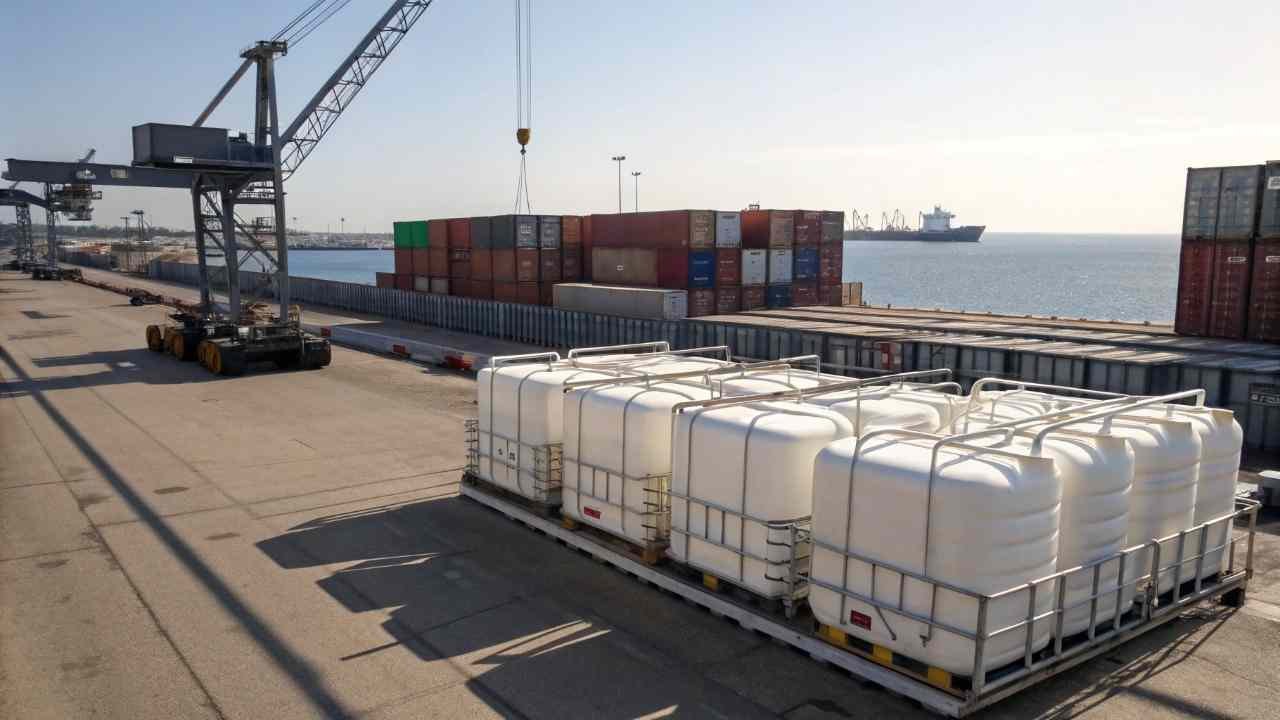
Freight rates influence Phosphoric Acid trade because the product is a heavy liquid, often shipped in 35kg drums or 1.6-ton IBC tanks. High weight limits the total volume per container. Rising ocean freight or container shortages significantly increase the "landed cost" for buyers in the Middle East and Europe.
Liquid Logistics and Weight Constraints
I see that Phosphoric Acid is a "Heavy Cargo" in the shipping world. A standard 20ft container can hold about 20 to 25 tons. Because the product is so heavy, we hit the weight limit before we fill the space. This means the freight cost per ton is higher than for light products. I always suggest my clients use IBC tanks. One IBC tank holds 1.6 tons of acid. This is the most efficient way to load a container. If you use 35kg drums, the loading takes longer and the pallet weight adds up. I optimize the loading plan for every shipment. This is how I lower the freight impact for my wholesale clients.
Port congestion and seasonal surcharges also play a role. During the "Peak Season" before Christmas or Chinese New Year, shipping lines raise their rates. Because Phosphoric Acid is a low-margin commodity, a $500 jump in freight can kill your profit. I book vessel space 3 weeks in advance. This locks in a better rate. I also monitor the "Fuel Surcharge" (BAF). Since acid is heavy, any increase in fuel costs hits us harder. I also check the port fees in destination countries like Saudi Arabia or Russia. I act as your logistics office in China to manage these costs. We find the most direct routes to reduce the time and money spent on the water.
Logistics Cost Impact Table
| Logistics Factor | Cost Impact | Why it Matters | FINETECH's Role |
|---|---|---|---|
| Ocean Freight | High | Heavy liquid cargo | Negotiate with carriers |
| Packaging Type | Moderate | IBC is more efficient | Recommend best loading |
| Port Congestion | Moderate | Adds storage fees | Monitor ETA and port health |
| Weight Limits | High | Max 25 tons per 20ft | Optimize container weight |
| Fuel Surcharge | Moderate | Linked to oil prices | Track BAF trends |
| Customs Fees | Low | Administrative cost | Prep perfect documents |
How can buyers manage Phosphoric Acid price risks?
Sudden price drops can leave you with expensive inventory. Spikes can stop your sales. I show you the technical strategies to protect your business from these dangerous price risks.
Buyers manage Phosphoric Acid price risks by signing long-term volume contracts, diversifying supplier origins, and maintaining a 30-day safety stock. Monitoring upstream raw material trends and partnering with an experienced exporter like FINETECH provides the market intelligence needed to time purchases effectively.
Strategic Timing and Contract Management
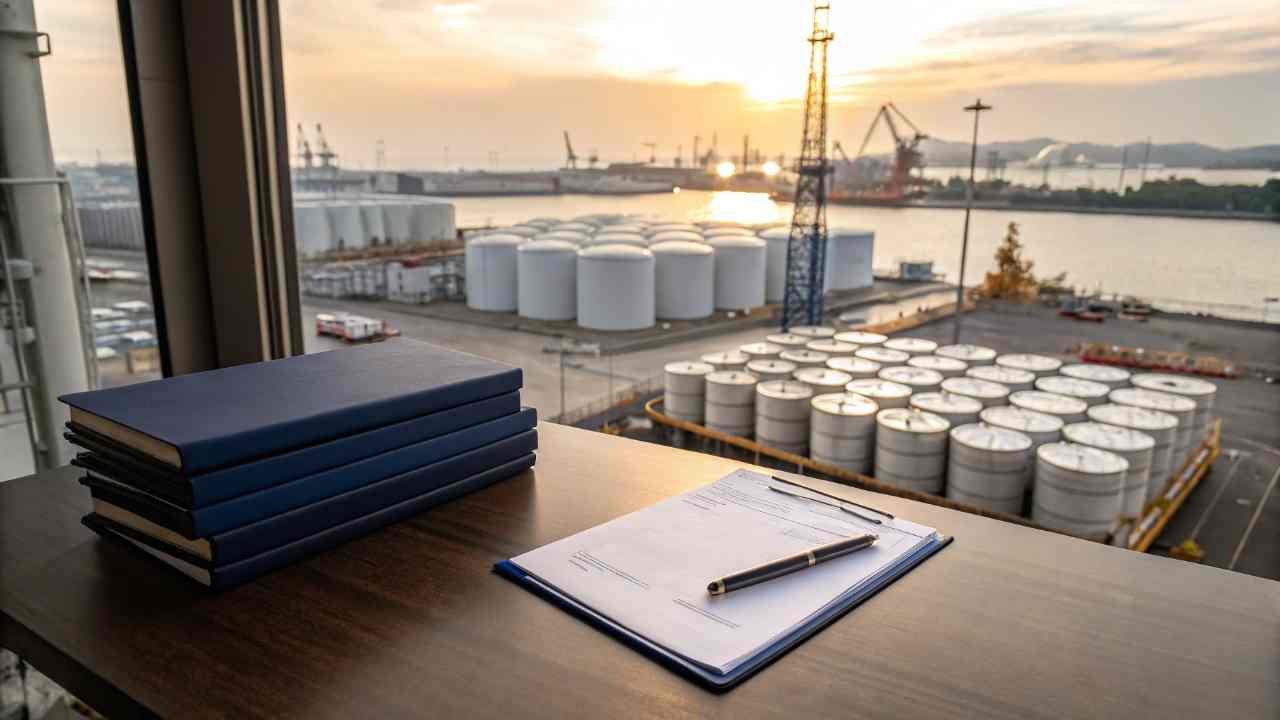
I see that "Timing" is the best way to manage risk. You should not buy all your stock when the price is at the peak. I suggest my clients use "Staggered Buying." This means you buy a portion of your needs every month. This averages your cost over the year. I also help my long-term partners sign "Annual Contracts." We fix the volume and the price for 6 or 12 months. This is only possible because I have strong relationships with the top factories in China. A contract protects you from the sudden 20% jumps in the spot market. I act as your strategic partner to manage these complex negotiations.
Diversification is the other key. Do not buy from only one factory. I work with multiple producers in different provinces. If a factory in Yunnan raises prices, I check the prices in Sichuan. This creates internal competition and gives us better leverage. I also look at "Supply Chain Visibility5." I tell my clients when the sulfur or rock markets are moving. If I see a raw material spike coming, I suggest you stock up immediately. This "Early Warning" is a technical service I provide to all my B2B buyers. By managing the timing, the volume, and the source, we turn market volatility into a competitive advantage for your company.
Price Risk Mitigation Checklist
| Action Item | Technical Goal | Frequency | FINETECH's Role |
|---|---|---|---|
| Fixed-Price Contract | Lock in procurement cost | Annual / Bi-annual | Negotiate with plant |
| Safety Stock | Avoid panic buying | Constant (30 days) | Coordinate reorders |
| Market Monitoring | Track sulfur/rock trends | Weekly | Send market alerts |
| Supplier Split | Avoid regional power risk | Every order | Diversify factory zones |
| Logistics Booking | Secure freight rates | 3 weeks early | Manage forwarder |
| Quality Audit | Prevent batch rejection | Every batch | Oversee PSI / Lab tests |
Conclusion
Phosphoric Acid prices are driven by phosphate rock, sulfur, and energy costs in China. I monitor these factors at FINETECH to provide you with competitive pricing and stable supply.
-
PubChem – Provides a comprehensive chemical profile, molecular structure, and safety data for Diammonium Phosphate used in industrial and agricultural sectors. ↩
-
Investopedia – Explains the economic theory and practical application of export and import quotas in global trade markets. ↩
-
ScienceDirect – Offers a technical breakdown of the production and chemical properties of sulfuric acid as an industrial reagent. ↩
-
SEMI – The global industry association that sets purity and manufacturing standards for electronic-grade materials used in high-tech manufacturing. ↩
-
IBM Supply Chain – An educational resource exploring how digital visibility across the supply chain helps companies mitigate risk and respond to market volatility. ↩