
Missing out on high-growth regions limits your sales and growth potential. This narrow focus puts your business at risk in a shifting economy. I analyze global markets to help you find the best opportunities.
The key export markets for Phosphoric Acid are Asia-Pacific, the Middle East, and Europe. India and Brazil lead agricultural demand. Countries like Saudi Arabia, the UAE, Indonesia, and Russia dominate food-grade imports for their expanding beverage, meat processing, and food additive wholesale sectors.
I manage factory selection and oversee production for my B2B clients at FINETECH. I want to share the technical facts about global demand so you can build a more stable and profitable procurement strategy.
Which regions import the most Phosphoric Acid?
Relying on a single market makes your revenue unstable and risky. Local downturns can crush your profits and leave you with excess stock. I identify the top regions with consistent, high-volume demand.
Asia-Pacific is the largest importer, driven by the massive fertilizer needs of India. For food-grade 85% acid, the Middle East (Saudi Arabia, UAE) and Southeast Asia (Indonesia, Vietnam) are the most active markets. Europe also maintains high import volumes for industrial and food-grade applications.
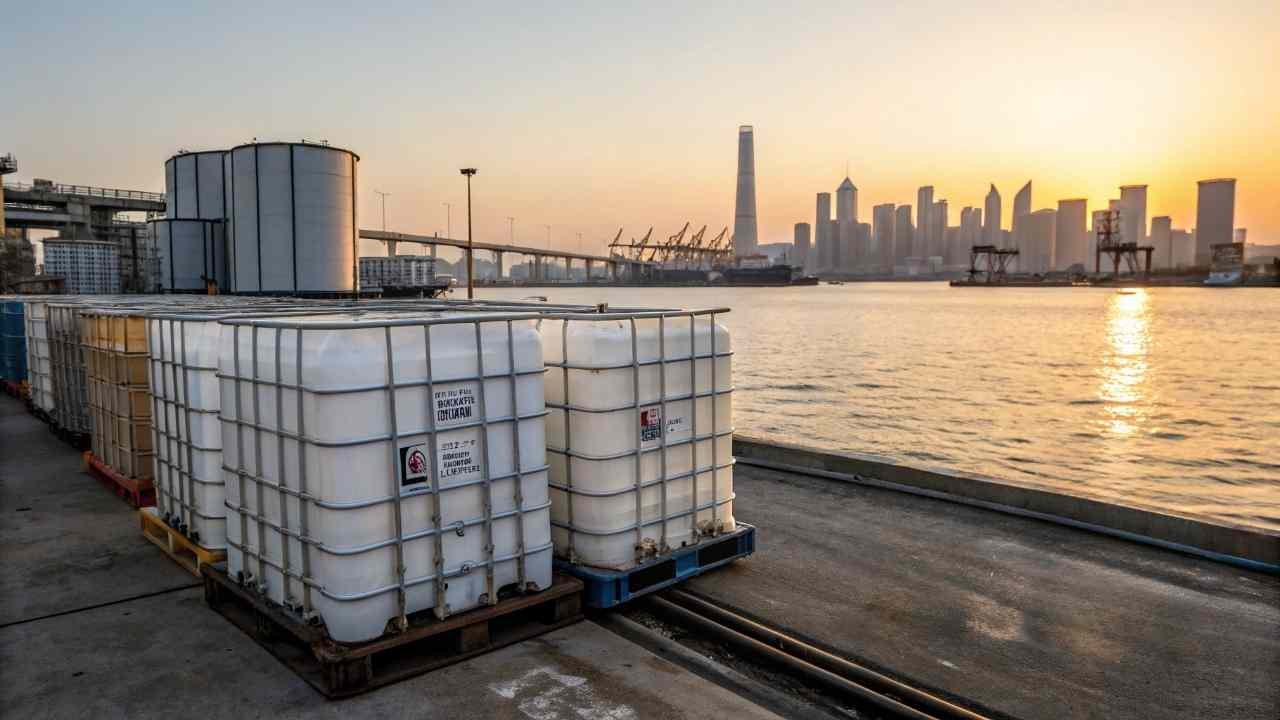
Analyzing Regional Demand Drivers
I see that the Middle East is a very stable market for food-grade Phosphoric Acid. Countries like Saudi Arabia and the UAE have growing beverage industries. They need high-purity acid for cola production and water treatment. My clients in these regions prioritize 85% concentration with ultra-low heavy metals. I visit our partner factories in China to ensure we meet these specific technical needs. The Middle East also uses acid for desalination1 plants. This creates a "Double Demand" that keeps the market active year-round. I act as your strategic partner to navigate these regional requirements.
Southeast Asia is the second pillar of global imports. Indonesia and Vietnam have massive food processing sectors. They use Phosphoric Acid as a preservative in jams, sauces, and meat products. In these markets, price and speed of delivery are the most important factors. I manage the logistics from China to ports like Jakarta and Ho Chi Minh City to keep costs low. Europe is a different story. Markets like Russia and Germany have very strict safety rules. They require full REACH2 compliance and detailed lab reports. I provide these technical documents for every shipment to ensure a smooth path through customs. By understanding these regional differences, I help my clients avoid the "One Size Fits All" mistake in procurement.
Global Import Volume by Region
| Region | Primary Grade | Key Industries | FINETECH's Strategy |
|---|---|---|---|
| Middle East | Food Grade 85% | Beverages / Desalination | Focus on Halal & Purity |
| Southeast Asia | Food / Industrial | Food Additives / Palm Oil | Competitive Pricing / Fast Ship |
| Europe | Food / Tech Grade | Meat Processing / Pharma | Focus on REACH & COA |
| India | Industrial / Bulk | Fertilizers / Agrochemicals | Bulk Weight Optimization |
| Russia | Food Grade 85% | Beverage / Preservation | Ensure 100% Document Match |
| South America | Industrial Grade | Large Scale Agriculture | Seasonal Buying Cycles |
Why is Asia important in Phosphoric Acid production?
High production costs in Western countries kill your competitiveness. Sourcing from expensive regions drains your budget and limits your margins. I explain why Asia is the world's most critical supply hub for your wholesale needs.
Asia is important because China holds massive phosphate rock reserves and highly efficient production infrastructure. Chinese factories offer the best combination of competitive pricing, high-volume capacity, and integrated supply chains. This makes Asia the primary source for food-grade and industrial Phosphoric Acid globally.
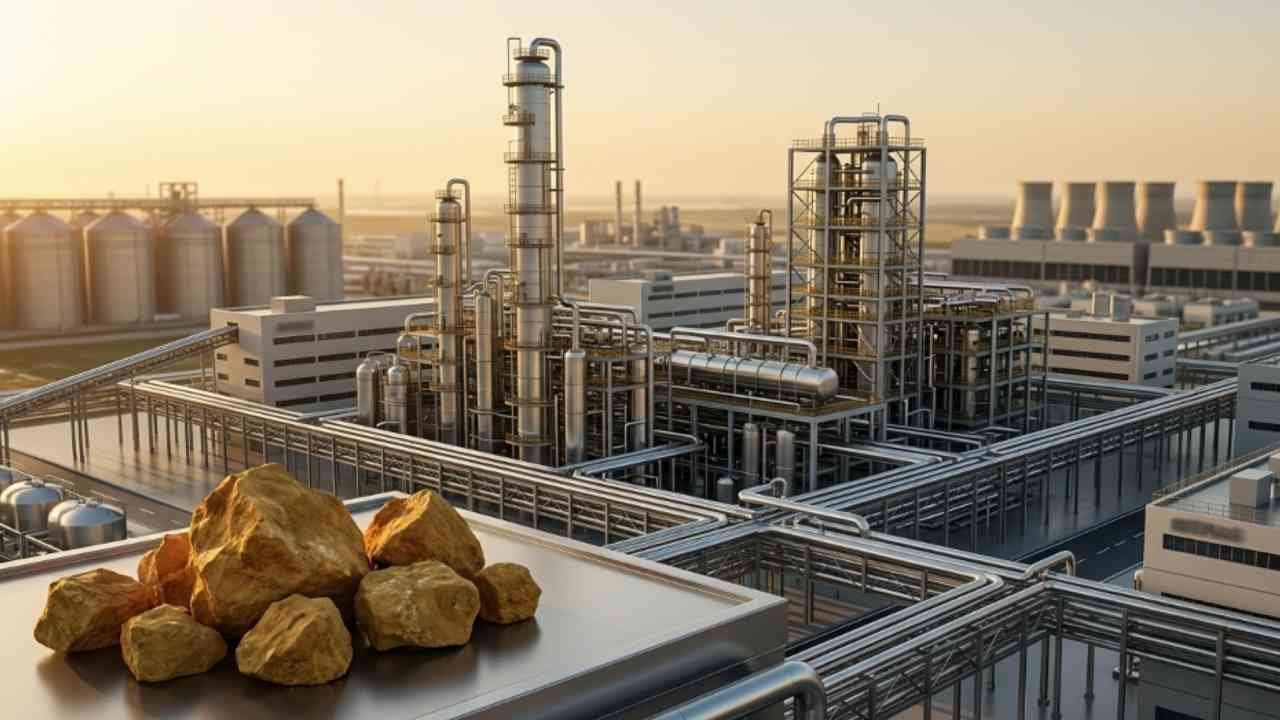
The Dominance of Chinese Manufacturing
I see that China is the heart of the global Phosphoric Acid supply. Provinces like Yunnan, Guizhou, and Sichuan have the largest phosphate mines. This "Mine Integration" is a major technical advantage. It means the factory does not need to buy rock from outside. This keeps the cost stable even when global prices spike. I visit these industrial hubs to audit the production lines. Most Chinese factories use the "Thermal Process3" for food-grade acid. This method creates much higher purity than the "Wet Process." I prioritize these integrated plants for my B2B clients to ensure they get the best value for their money.
Energy efficiency is another reason why Asia leads the market. Modern Chinese plants use automated DCS systems to control the furnaces. This lowers the electricity cost per ton of acid. They also have excellent logistics connections to major ports like Shanghai and Qinzhou. I manage the relationship with these plants to secure "Priority Production Slots" for my clients. This is especially important during the peak fertilizer season. While Western plants are closing due to high energy costs, Asian plants continue to scale up. I act as your technical gatekeeper in China to find the most reliable and cost-efficient producers. This geographic advantage is the secret to a stable supply chain.
Asian Production Hubs Comparison
| Production Zone | Technical Strength | Export Focus | FINETECH's Role |
|---|---|---|---|
| Yunnan, China | Massive rock reserves | Global Food Grade | On-site quality audits |
| Sichuan, China | High-tech purification | Electronic Grade | Technical spec verification |
| Guizhou, China | Low energy costs | Industrial Bulk | Price negotiation |
| Vietnam | Growing capacity | Southeast Asia | Logistics coordination |
| Hubei, China | Logistics hub | Domestic & Export | Port health monitoring |
| Kazakhstan | Central Asian rock | Industrial exports | Monitor rail logistics |
How does demand vary across Phosphoric Acid markets?
Using the same product for every market leads to missed sales and technical failures. Each region and industry has different purity needs. I show you how to tailor your supply to local industry requirements.
Demand varies by industry sector: India and Brazil require bulk industrial-grade acid for fertilizers. The Middle East and Southeast Asia demand food-grade 85% for beverage and meat production. Europe and Korea require high-purity or electronic-grade acid for technical and pharmaceutical applications.
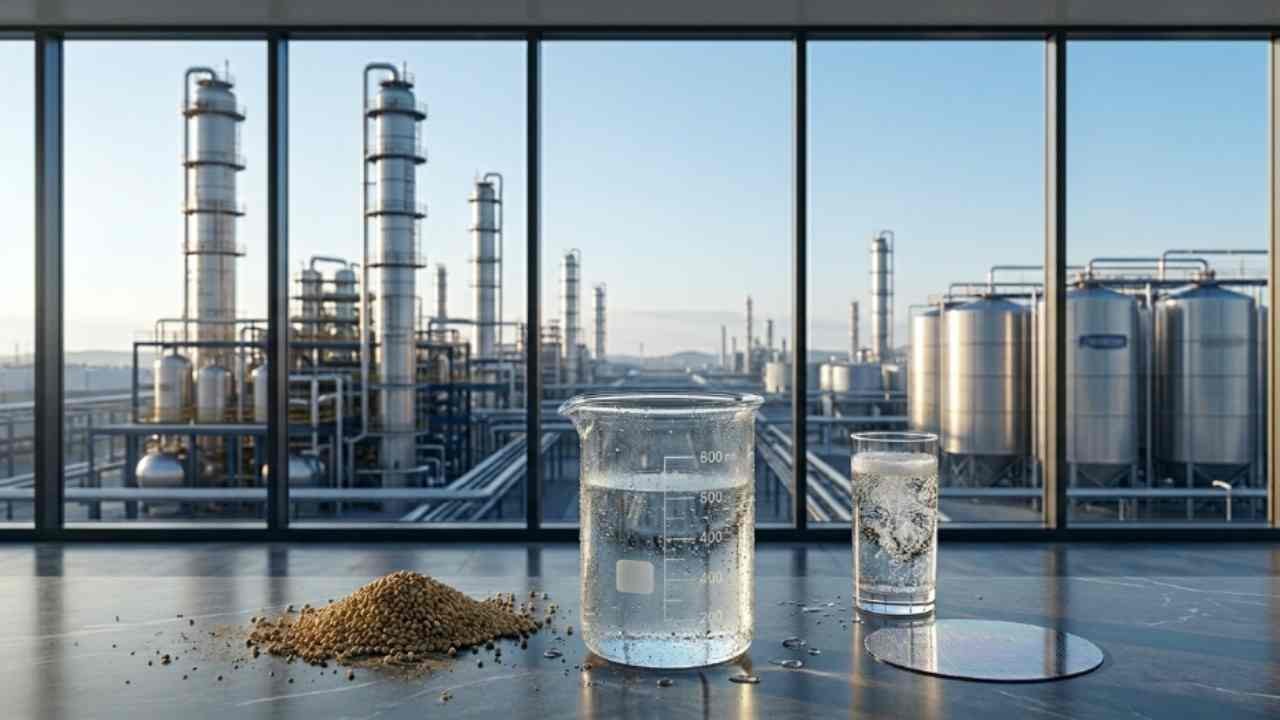
Segmenting the Global Demand
I see that "Market Segmentation" is the only way to win in the chemical trade. In the Middle East, the beverage industry is the main driver. They need acid that is 100% odorless and colorless. If the acid has a slight yellow tint, the soda brand is ruined. I ensure our 85% food-grade acid goes through an extra filtration step for these clients. In Southeast Asia, the palm oil industry uses Phosphoric Acid for degumming. This requires a high concentration but can tolerate slightly more trace minerals. I help my clients choose the right grade so they do not overpay for purity they do not need.
Europe has a very strong demand for "Preservation Grade" acid. They use it in large-scale meat processing to keep products fresh during long transport. They focus on the "Heavy Metal" profile. Lead and Arsenic must be below 0.5 ppm. I act as your strategic partner to analyze the lab reports from the factories. I compare the results to the local laws in Russia or Germany. If a market needs 75% concentration for rust-proofing, I find the most cost-effective industrial source. By matching the grade to the application, we optimize your procurement budget. This technical alignment is how you build a professional reputation in your local market.
| Industry | Primary Grade | Key Requirement | FINETECH's Technical Tip |
|---|---|---|---|
| Soft Drinks | Food Grade 85% | No odor / No color | Use Thermal Process acid |
| Fertilizer | Industrial Grade | P2O5 content | Focus on bulk pricing |
| Meat Packing | Food Grade 85% | Low Heavy Metals | Check Pb/As limits |
| Electronics | Electronic Grade | Ultra-high purity | Monitor particle counts |
| Palm Oil | Industrial / Food | Degumming efficiency | Balance price and assay |
| Rust Proofing | Industrial 75% | Surface reaction | Use Low MOQ options |
What regulations affect Phosphoric Acid exports?
Non-compliant labels or missing certificates cause port rejections and cargo seizures. These legal errors lead to heavy fines and lost time. I outline the technical regulations you must follow for safe and legal global trade.
Exports are governed by the IMDG Code for maritime safety (Class 8 Corrosive). Food-grade exports must comply with FCC or E338 standards. Key markets like Europe require REACH registration, while the Middle East and Southeast Asia mandate Health Certificates, Halal, and Kosher certifications for all food additives.
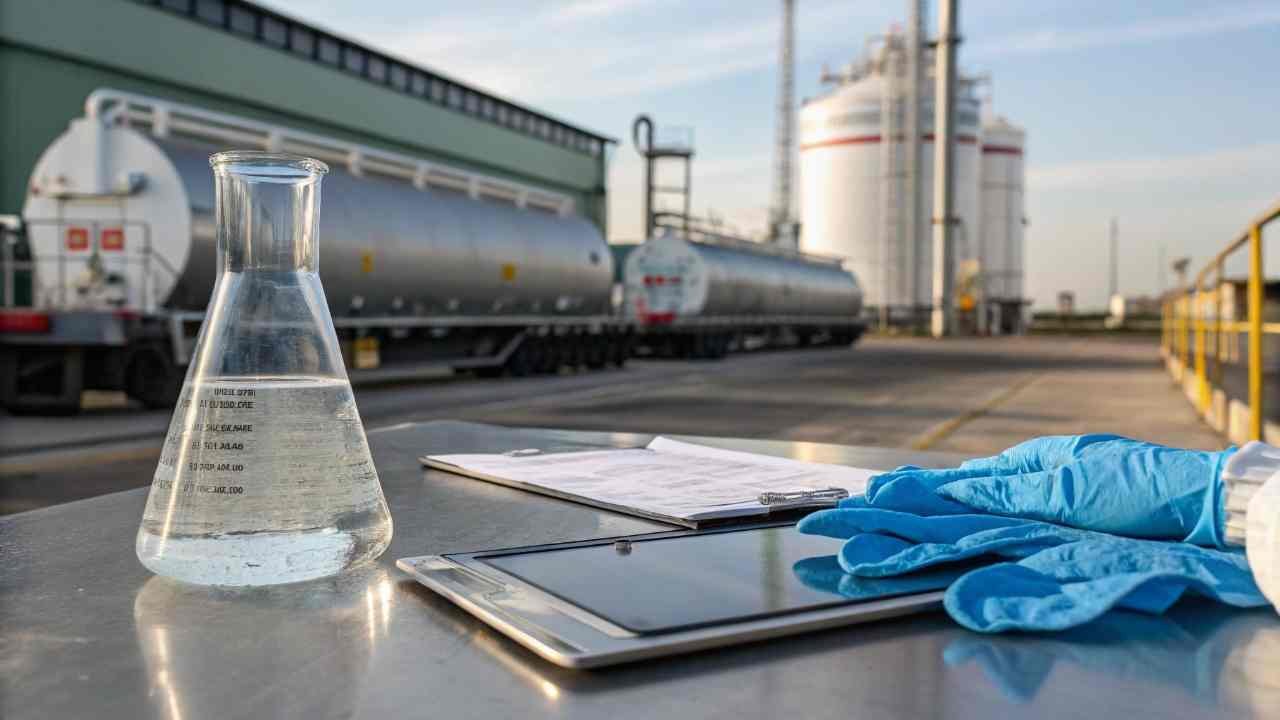
Navigating the Technical Legal Landscape
I see that regulations are the "Entry Barrier" to every market. For all ocean shipments, the IMDG Code4 is the law. Phosphoric Acid is classified as UN1805. This means you must use UN-approved IBC tanks or drums. I check the "UN Mark" on every tank at the factory. If the mark is missing, the shipping line will reject the cargo. I also manage the GHS (Globally Harmonized System) labeling. The labels must show the "Corrosive" symbol and the correct safety phrases in the right language. I act as your regulatory office in China to ensure every sticker is perfect before the container is sealed.
For food-grade orders, the paperwork is even more complex. My clients in Saudi Arabia and the UAE need a "Health Certificate" from the Chinese government (CIQ). This paper proves the acid is safe for human consumption. I also manage Halal5 and Kosher audits. Many factories have these certs, but they must be from a body recognized in your country. For Europe, I ensure our producers have a REACH "Representative." This is a technical requirement for any chemical entering the EU. I act as your strategic partner to verify these documents. This oversight prevents your goods from being stuck in a warehouse for weeks while you wait for a missing paper.
Mandatory Compliance Checklist
| Requirement | Technical Standard | Purpose | FINETECH's Verification |
|---|---|---|---|
| Shipping Code | IMDG / UN1805 | Safe sea transport | Check UN-approved tanks |
| Safety Data | GHS / 16-section SDS | Handling safety | Provide multi-lang SDS |
| Food Safety | FCC / E338 / USP | Human consumption | Verify batch-specific COA |
| Religious | Halal / Kosher | Market access | Audit recognized certs |
| EU Market | REACH Registration | Chemical safety law | Verify Rep. status |
| Export Permit | China Export License | Legal export from CN | Check gov. registration |
How can suppliers expand into new Phosphoric Acid markets?
Stagnant sales in old markets limit your business potential and growth. Entering new regions without a plan is risky and expensive. I provide the technical steps to grow your global export footprint successfully and safely.
Suppliers expand by securing local quality certifications and optimizing logistics for heavy liquid cargo. Building partnerships in emerging hubs like the UAE and Russia helps bridge supply gaps. Offering low MOQs and providing comprehensive technical documentation are essential strategies to attract large company buyers in new territories.

Technical Steps for Market Entry
I see that entering a new market requires a "Technical Bridge." You cannot just send a price list. You must first provide a "Gold Sample." I manage this sampling process for my clients. I ensure the sample matches the bulk order perfectly. This builds trust with large company buyers. The second step is "Logistics Optimization." Phosphoric Acid is heavy. To enter a far market like Russia or Greece, you must find the most efficient shipping route. I work with freight forwarders to secure "Heavy Cargo" spots on ships. This lowers the landed cost per ton and makes your price more competitive in the new market.
Trade finance is the final tool for expansion. I use Sinosure credit insurance to offer better payment terms to new clients. If a buyer in the UAE has a good credit rating, I can offer them 30 or 60 days credit. This helps them manage their cash flow. It makes them more likely to switch from their current supplier to us. I also focus on "Low MOQ" orders for the first shipment. This allows the buyer to test our quality without taking a huge risk. I act as your strategic partner to manage these details. By lowering the "Risk Barrier," we make it easy for new customers to say yes. Expansion is about solving the buyer's problems, not just selling a chemical.
| Growth Strategy | Technical Execution | Objective | FINETECH's Role |
|---|---|---|---|
| Sample Approval | Send 500g lab sample | Quality verification | Manage courier & lab |
| Logistics Audit | Use IBC for max weight | Lower landed cost | Optimize container load |
| Finance Tool | Use Sinosure credit | Offer flexible terms | Apply for credit limits |
| Doc Support | Local language labels | Faster customs clear | Manage translation |
| MOQ Strategy | Start with 1 FCL | Low-risk entry | Coordinate small batches |
| Audit Service | Provide video factory tour | Build supplier trust | Conduct on-site video |
Conclusion
The key export markets for Phosphoric Acid are evolving across Asia, the Middle East, and Europe. I manage these technical and regulatory challenges at FINETECH to ensure your business grows safely in every region.
-
USGS Water Science School – Scientific explanation of desalination processes and their importance in global water security and industrial use. ↩
-
ECHA – Official guide to the European Union's REACH regulation, governing the registration, evaluation, and authorization of chemical substances. ↩
-
ScienceDirect – Technical overview of thermal processing in chemical engineering, essential for producing high-purity phosphoric acid. ↩
-
IMO – Information on the International Maritime Dangerous Goods (IMDG) Code, which regulates the safe sea transport of hazardous chemicals. ↩
-
Halal Certification Services – Comprehensive guide explaining the standards and requirements for Halal certification in the food and chemical industry. ↩