
High sugar content drives up taxes and health concerns. This ruins your product appeal and profit margins. I show you how Stevia provides a natural, zero-calorie solution for your industrial recipes.
Stevia is highly suitable for beverage and dairy applications. It is heat-stable and acid-stable, making it perfect for pasteurization and carbonated drinks. It replaces sugar effectively while maintaining a natural label for health-conscious consumers in Middle Eastern, Southeast Asian, and European markets.
I manage factory selection and oversee production for my B2B clients at FINETECH. I want to share the technical facts about Stevia performance so you can protect your brand and your production quality.
Why is Stevia widely used in both beverage and dairy product formulations?
Consumers hate artificial sweeteners and sugar taxes. This trend threatens your sales and growth. I explain why Stevia is the preferred choice for natural sugar reduction in these food sectors.
Stevia is used because it is plant-based and non-fermentable. It provides 200 to 300 times the sweetness of sugar. Its zero-calorie profile allows manufacturers to avoid sugar taxes and meet the rising demand for clean-label and healthy beverage and dairy products.
Natural Appeal and Technical Stability
I see that "Clean Label" is the biggest driver in global trade. Buyers in Europe and the Middle East want natural ingredients. Stevia comes from a leaf, so it is not a "chemical" sweetener like aspartame. This natural origin helps you market your products to health-conscious parents and young people. I act as your strategic partner to ensure the Stevia we source is non-GMO1 and high purity. This matches the quality standards of large dairy and beverage brands.
Non-fermentation is a huge technical benefit. In dairy products like yogurt, sugar can feed unwanted yeast or bacteria. This causes spoilage and shortens shelf life. Stevia does not ferment2. This keeps your yogurt and milk drinks stable for longer. I also see its value in carbonated drinks. These drinks are often very acidic with a low pH. Stevia is very stable in acid. It does not break down or lose sweetness over time. I visit our partner factories in China to check their stability test reports. This ensures the Stevia powder you buy will perform perfectly in your factory.
Benefits of Stevia in Different Food Systems
| Benefit | Beverage Application | Dairy Application | FINETECH's Technical View |
|---|---|---|---|
| Stability | High acid (low pH) stability | UHT/Pasteurization stable | Best for long shelf life |
| Fermentation | No CO2 production | No yeast growth in yogurt | Prevents container bloating |
| Solubility | Dissolves fast in water | Mixes well with milk fat | Ideal for cold-fill lines |
| Labeling | Natural Sweetener label | Clean Label friendly | Increases retail price |
| Taxation | Avoids Sugar Taxes | Fits "Healthy" tax status | Lowers total cost |
| Storage | Small volume, low weight | No clumping in humidity | Reduces warehouse fees |
How does Stevia perform differently in carbonated drinks versus dairy systems?
Using the wrong sweetener in a complex system causes flavor failure. This variability confuses your production team and slows your work. I analyze how Stevia interacts with bubbles and proteins differently.
In carbonated drinks, Stevia survives low pH environments without losing sweetness or changing color. In dairy systems, Stevia interacts with proteins and fats. It must remain stable during high-temperature pasteurization while maintaining a balanced mouthfeel without masking the natural creamy notes of the milk.
System-Specific Interactions
I see that bubbles and acid change how we taste sweetness. In carbonated drinks, the CO2 adds a "sharp" feel. This can make the bitter aftertaste of low-grade Stevia more obvious. I suggest using high-purity Reb A for sodas to keep the taste clean. The acid in sodas also helps preserve the Stevia molecule. I manage the sourcing for many beverage traders who need 85% Phosphoric Acid3 and Stevia. These two work well together to create a crisp, refreshing drink profile. I ensure the Stevia has a fine mesh size so it mixes instantly in large tanks.
Dairy systems are much more complex. Milk has proteins, fats, and minerals. These components can "bind" with the Stevia molecules. This sometimes causes a "delayed sweetness." You drink the milk, but the sweetness comes a second later. I visit the labs at our Chinese factories to see how they solve this. They often suggest using Stevia blends to fill that sweetness gap. Dairy also involves high heat. UHT (Ultra-High Temperature)4 processing can reach 140 degrees. Stevia is very stable at these temperatures. It does not caramelize like sugar. This keeps the color of your milk or cream consistent. I act as your technical gatekeeper to verify these heat-stability logs before we ship.
Performance Comparison Matrix
| Performance Metric | Carbonated Drinks | Dairy Products | FINETECH's Technical Tip |
|---|---|---|---|
| pH Environment | Acidic (2.5 - 4.0) | Neutral (6.5 - 7.0) | Stevia is stable in both |
| Processing Heat | Low (Cold fill) | High (UHT / Past.) | Stevia survives high heat |
| Mouthfeel | Thin (needs bubbles) | Creamy (fat interaction) | Dairy hides bitterness better |
| Sweetness Onset | Immediate | Slightly Delayed | Blending is key for dairy |
| Color Impact | None | None | No browning reactions |
| Solubility | Very High | High | Easier to mix in liquid |
Which Stevia grades are most suitable for beverages and milk-based products?
Choosing a low-purity grade causes a bitter aftertaste in your drinks. This quality gap turns customers away and hurts your brand. I guide you toward the technical grades that ensure the best results for your specific product.
For beverages, Rebaudioside A (Reb A) 97% or 98% is the industrial standard for clean taste. For premium dairy products, Rebaudioside M (Reb M) is preferred. Reb M has a cleaner, sugar-like taste and lacks the bitterness often found in lower-purity Stevia extracts.
Selecting the Right Glycoside Grade
I see that purity is the most important factor in the B2B Stevia market. For most carbonated sodas and juices, Reb A5 is the workhorse. It is cost-effective and provides a strong sweetness. I usually suggest Reb A 95% or 97% for my wholesale clients in Southeast Asia. This grade balances price and quality. If you use a lower grade, like Reb A 60%, your soda will have a licorice aftertaste. I act as your auditor in China to check the HPLC reports. These reports prove the exact percentage of Reb A in the drum. This prevents you from buying a "fake" high-purity product.
For dairy, I often suggest Reb M. Rebaudioside M is a newer, premium grade. It is much more expensive than Reb A, but it tastes almost exactly like sugar. Dairy products like ice cream or flavored milk have a delicate flavor. You cannot have any bitterness. Reb M is the best solution for 100% sugar replacement. I help my clients in Europe and the Middle East source Reb M made through enzymatic conversion. This technology makes Reb M more affordable for large-scale use. I visit the factories to ensure they use food-grade enzymes and clean purification steps. This technical oversight ensures your milk product stays premium and delicious.
| Stevia Grade | Best Application | Purity Level | FINETECH's Recommendation |
|---|---|---|---|
| Reb A 97% | Sodas / Sports Drinks | Very High | Best value for beverages |
| Reb A 98% | Energy Drinks / Tea | Ultra High | Use for low-calorie tea |
| Reb M 95% | Yogurt / Ice Cream | Premium | Best for dairy flavor |
| Reb D 95% | Specialty Beverages | High | Good for blending |
| Enzymatic Stevia | General Food / Dairy | Modified | Removes bitter notes |
| Stevia SG95 | Budget Drinks | Standard | Use with sugar blends |
What formulation challenges occur when using Stevia in drinks and dairy products?
Removing sugar changes the weight and texture of your food. This loss of "body" makes your product feel thin and watery. I identify the technical hurdles in low-calorie formulation so you can fix them.
The main challenges are the bitter aftertaste and the loss of mouthfeel or bulk. Stevia does not provide the volume of sugar. In dairy, Stevia can also have a delayed sweetness onset. This affects the overall sensory perception and requires the use of bulking agents or texture stabilizers.
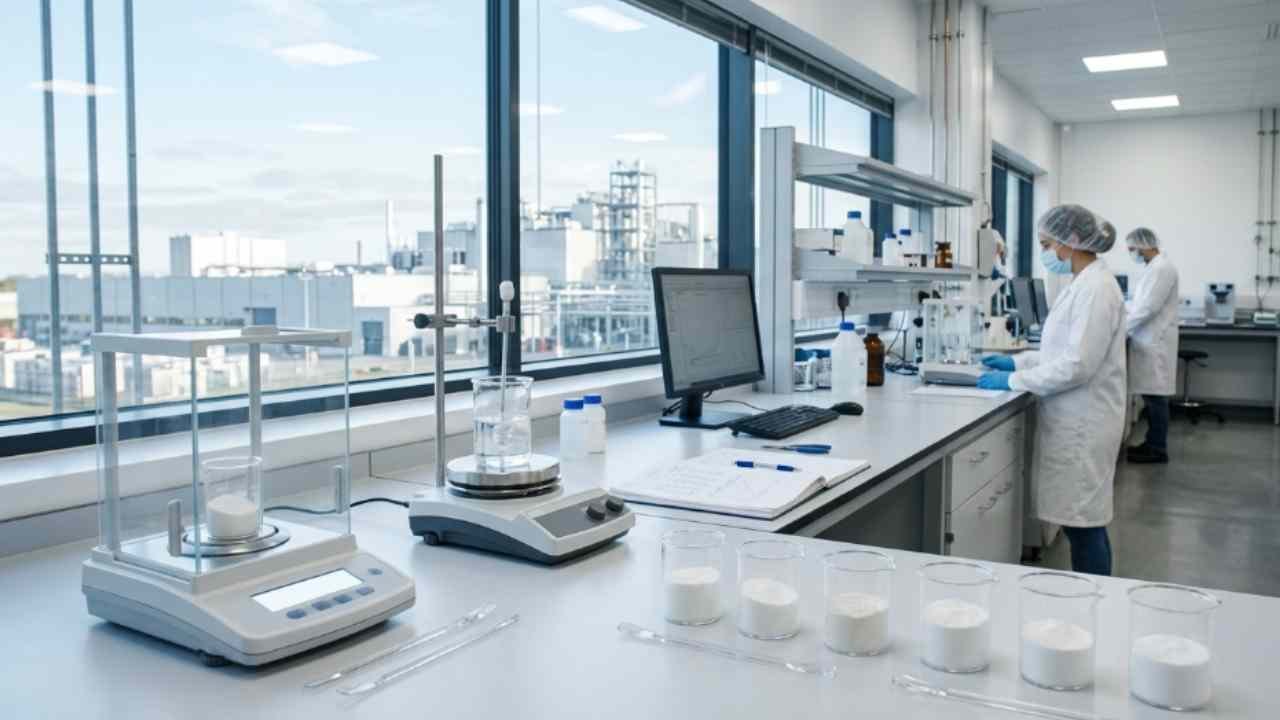
Managing Texture and Flavor Gaps
I see that sugar does two jobs. It adds sweetness and it adds "Bulk." When you take out 200 grams of sugar and add 1 gram of Stevia, the product loses weight. In a drink, this makes the liquid feel like water instead of a syrup. In dairy, it can make ice cream feel "icy" instead of "creamy." I help my B2B clients choose the right bulking agents. We often use Erythritol or Polydextrose along with Stevia. These ingredients add the weight back without adding calories. I act as your strategic office to source these extra additives from reliable Chinese plants.
The "Sweetness Profile" is the second challenge. Stevia sweetness lasts a long time in the mouth. This is called a "lingering" taste. In a soda, you want the sweetness to vanish quickly so the customer takes another sip. In dairy, the fat in the milk can slow down the sweetness even more. I suggest using "masking agents" or natural flavors to round out the taste. I check the technical data sheets of our suppliers to see which grades have the fastest "onset." I also visit the labs to see how our Stevia performs in trial batches of yogurt. My goal is to help you create a formula that tastes so good that nobody knows it is sugar-free.
| Challenge | Impact on Product | Technical Solution | FINETECH's Role |
|---|---|---|---|
| Loss of Bulk | Thin mouthfeel | Add Erythritol/Fiber | Source high-purity bulks |
| Bitterness | Poor consumer rating | Use Reb M or Reb A 98% | Verify HPLC purity |
| Lingering Taste | Unpleasant finish | Add flavor maskers | Suggest clean-label maskers |
| Delayed Sweetness | Weak first impression | Blend with other sweeteners | Design sweetener blends |
| Solubility | Clumping in cold milk | Use granulated Stevia | Audit factory grinding |
| Acid Stability | Sweetness loss (rare) | Monitor pH levels | Track stability logs |
How can manufacturers improve taste balance and reduce aftertaste when using Stevia?
A lingering bitter finish ruins the drinking experience. This flaw stops repeat purchases and kills your brand. I share technical blending strategies to help you achieve a perfect, sugar-like flavor profile.
Manufacturers improve taste by blending Stevia with erythritol or other sweeteners to create a synergistic effect. Using flavor maskers or natural flavors also helps. Choosing higher purity grades like Reb M or using enzymatically treated Stevia significantly reduces the lingering bitter aftertaste in final products.

Blending and Advanced Treatment Strategies
I see that "Sweetener Synergy" is the best way to save money and improve taste. When you mix Stevia with a small amount of sugar or another sweetener, they work together. The combination often tastes better than either one alone. This allows you to reduce the total amount of sweetener you use. I manage the supply of Erythritol and Xylitol for my clients who want to build these blends. I act as your technical advisor to find the right ratio. For a cola, a 70/30 blend of Stevia and sugar can often remove all bitterness while saving on sugar taxes.
Enzymatic treatment is another powerful tool. Some factories in China use enzymes to change the structure of the Stevia molecule. This is called "Glucosylated Steviol Glycosides" (GSG). This process removes the bitter "licorice" notes. It makes the Stevia taste much closer to sucrose. I visit these high-tech plants to audit their enzyme sources and purification quality. These GSG products are great for dairy because they blend well with milk proteins. I also suggest using "Natural Flavor" maskers. These are small amounts of plant extracts that block the bitter receptors on the tongue. By using these technical tools, we make your low-calorie product a market leader.
Taste Improvement Techniques
| Strategy | Technical Action | Flavor Result | FINETECH's Strategy |
|---|---|---|---|
| Blending | Mix with Erythritol | Rounds out sweetness | Source multi-additive loads |
| Purity Increase | Switch to Reb M | Sugar-like taste | Secure Reb M supply |
| Enzymatic Mod | Use GSG Stevia | Removes licorice note | Audit enzymatic plants |
| Masking Agents | Add botanical extracts | Blocks bitterness | Suggest clean-label maskers |
| Acid Balancing | Adjust Citric/Phos acid | Crisp finish | Provide acidulants |
| Salt Addition | Trace amounts of NaCl | Enhances sweetness | Verify mineral specs |
Conclusion
Stevia is a versatile and stable sweetener for beverage and dairy manufacturing. I manage high-purity supply at FINETECH to ensure your low-calorie formulations meet global quality and taste standards.
-
Non-GMO Project – Detailed information on the standards and importance of non-GMO verification in the global food supply chain. ↩
-
Britannica – A scientific breakdown of the fermentation process and why certain ingredients do or do not react with microbes. ↩
-
PubChem – Comprehensive chemical properties and safety data for Phosphoric Acid as used in beverage manufacturing and industrial applications. ↩
-
Tetra Pak – Technical explanation of UHT (Ultra-High Temperature) processing and its role in maintaining dairy shelf life and safety. ↩
-
ScienceDirect – Academic resource on the chemical properties, extraction methods, and applications of Rebaudioside A. ↩