
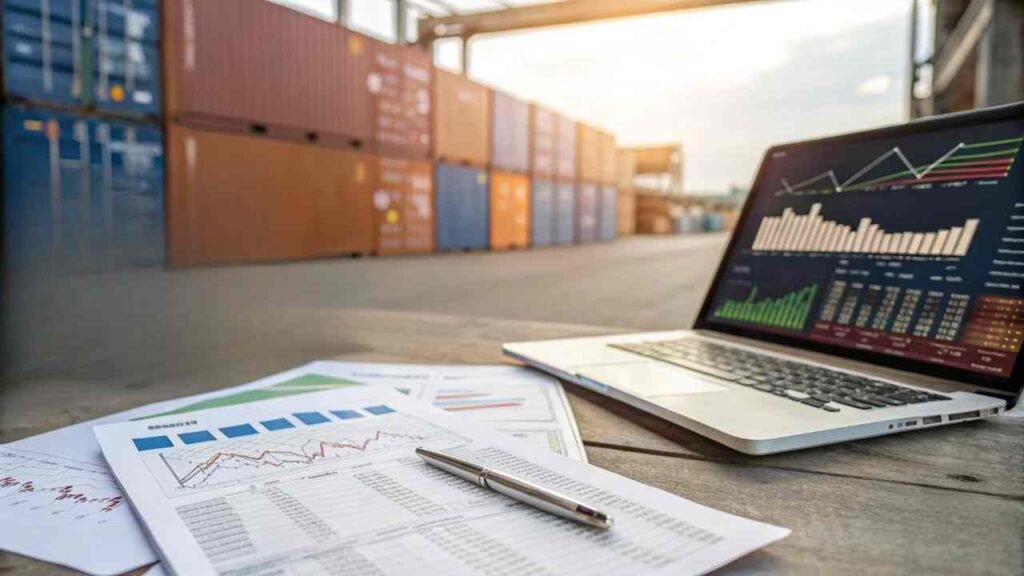
Unstable Inositol prices threaten your profit margins. Buying at the wrong time wastes your procurement budget. I show you how price trends dictate smart bulk purchasing strategies for your business.
Inositol prices fluctuate based on raw material costs, energy policies, and global demand. Buyers use these trends to time bulk orders and secure lower rates before seasonal peaks. Monitoring these shifts allows for better contract negotiation and ensures stable supply for food and pharma manufacturing.
I manage factory selection and oversee production for my B2B clients at FINETECH. I see these market shifts every day in China. I want to share the technical facts about Inositol pricing so you can plan your procurement with total confidence.
What causes fluctuations in Inositol market prices?
Sudden price hikes disrupt your financial planning. This volatility makes budget forecasting almost impossible. I analyze the core drivers behind Inositol market shifts to help you stay ahead.
Fluctuations are caused by changes in corn steep liquor availability, Chinese environmental regulations, and energy costs. Seasonal demand in the beverage and animal feed sectors also impacts supply. Policy shifts in manufacturing provinces often lead to immediate price changes for international buyers.
Market Drivers and Industrial Policy
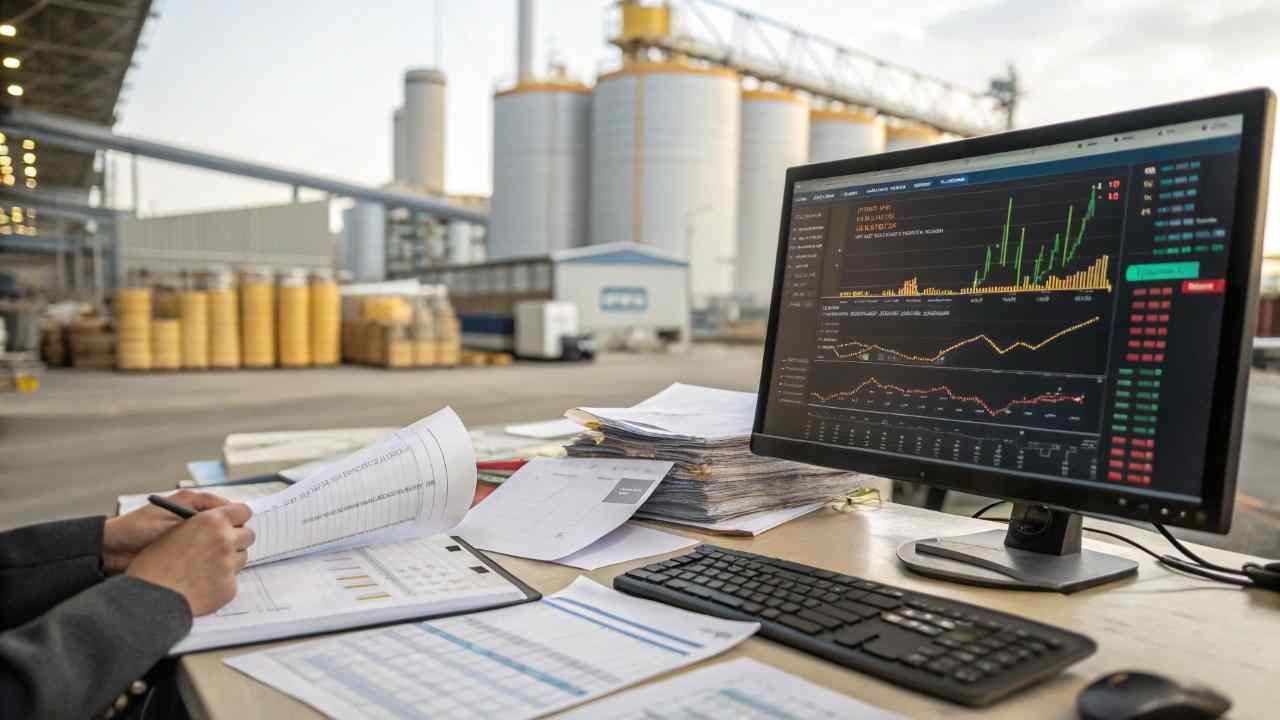
I see that environmental inspections in China are a major price driver. Most Inositol factories are in provinces like Heilongjiang and Shandong. These areas have very strict air quality rules, especially in winter. If the government starts an inspection, factories must slow down or stop. This reduces the total supply in the market. I visit these plants to check their compliance status. A factory with good environmental equipment is more stable. I prioritize these suppliers for my clients. This oversight prevents sudden stockouts when the government tightens rules.
Energy costs also play a big role. Inositol production uses a lot of steam and electricity. When coal or gas prices rise, the factory cost goes up. I track the energy prices in China to predict these shifts. If energy costs are rising, I suggest my clients buy their stock early. Demand cycles are another factor. In the summer, the demand for energy drinks1 is high. These drinks use a lot of Inositol. This seasonal rush can push prices up. I act as your strategic partner to monitor these cycles. We buy during the low season to save your budget.
Analysis of Price Drivers
| Factor | Price Impact | Frequency | FINETECH's Technical View |
|---|---|---|---|
| Environmental Policy | High | Seasonal | Causes sudden supply gaps |
| Energy Prices | Moderate | Continuous | Sets the base production cost |
| Global Demand | Moderate | Seasonal | Driven by beverage production |
| Export Logistics | Low | Irregular | Affects the final landed cost |
| Exchange Rate | Moderate | Daily | Impacts the USD quote |
| Factory Inventory | High | Monthly | Low stock levels trigger hikes |
How do raw material costs affect Inositol pricing?
High raw material costs drive up your purchase price. This hidden factor eats your profit without warning. I explain the technical link between phytin and Inositol pricing to protect your margins.
Raw material costs, specifically phytin from corn steep liquor, account for a large portion of Inositol pricing. If corn processing slows or corn prices rise, Inositol production costs increase. This direct correlation makes agricultural trends a leading indicator for future Inositol market prices.
The Link to the Corn Starch Industry
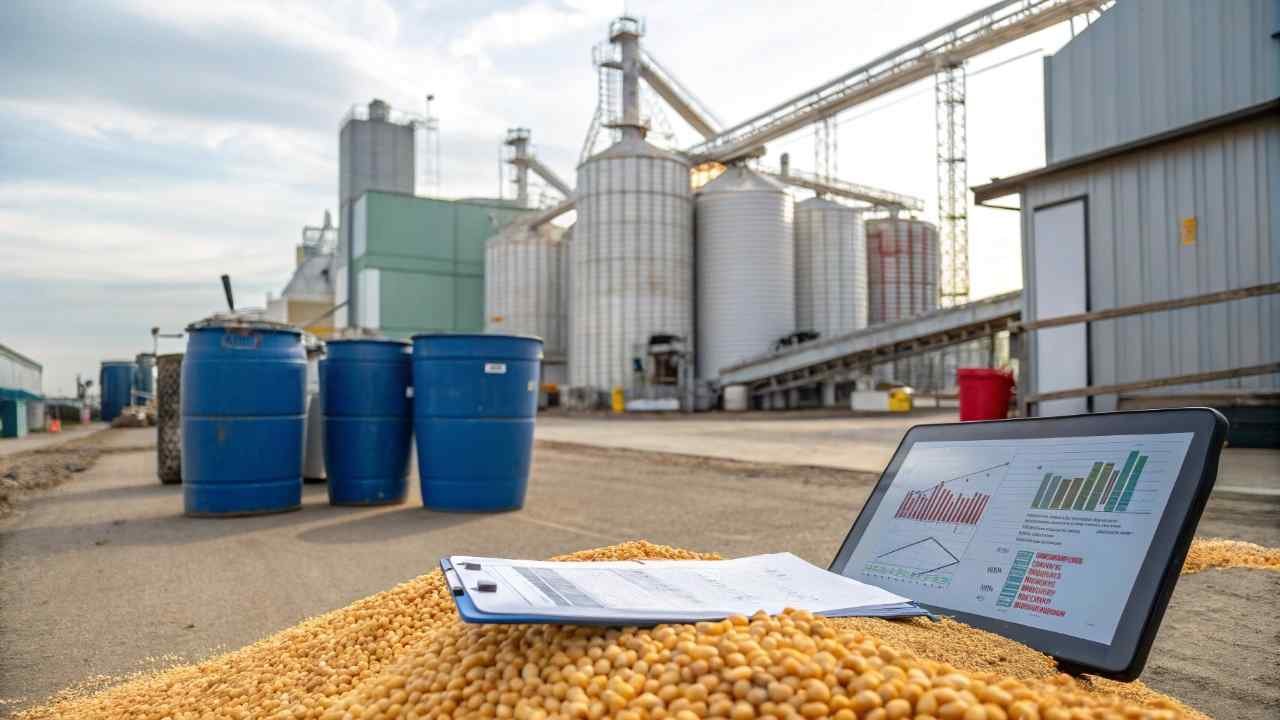
I see that Inositol is not a standalone product. It is a byproduct of the corn starch industry. Factories extract phytin from corn steep liquor2 to make Inositol. This means if the demand for corn starch is low, the supply of phytin drops. This makes the raw material more expensive. I visit the corn processing hubs in North China to monitor these trends. I look at the harvest quality and the starch demand. If the corn starch market is weak, I know Inositol prices will likely rise. I provide this market intelligence to my B2B clients so they can plan ahead.
Technical efficiency also matters. Some factories have better tech to extract more phytin from the same amount of corn. I select factories that use advanced hydrolysis methods3. This higher yield helps keep the final price competitive. But even with good tech, the base price of corn is the foundation. I track the corn harvest reports in Heilongjiang every year. If the harvest is bad, I suggest locking in your annual volume immediately. I act as your strategic office to bridge the gap between agricultural facts and your procurement needs. This ensures you never get surprised by a raw material price jump.
Raw Material Correlation Table
| Component | Role in Production | Cost Weight | FINETECH's Observation |
|---|---|---|---|
| Corn Steep Liquor | Source of phytin | High | Most critical raw material |
| Phytin | Direct precursor | Very High | Directly dictates the price |
| Sulfuric Acid | Extraction chemical | Low | Minor impact on total cost |
| Water / Steam | Hydrolysis process | Moderate | Linked to local energy price |
| Active Carbon | Purification step | Low | Affects purity and color |
| Corn Starch Demand | Indirect driver | Moderate | Affects phytin availability |
Why do food-grade and pharmaceutical-grade Inositol prices differ?
Paying for the wrong grade wastes your money. Using low-grade powder in high-end products ruins your quality and safety. I clarify why purity levels change the price so you can choose wisely.
Pharmaceutical-grade Inositol costs more due to higher purity requirements, stricter refining processes, and rigorous testing standards like USP or EP. Food-grade Inositol has slightly lower purity benchmarks. The extra cost for pharma-grade covers the technical compliance and safety certifications needed for medicine.
Purity and Technical Compliance
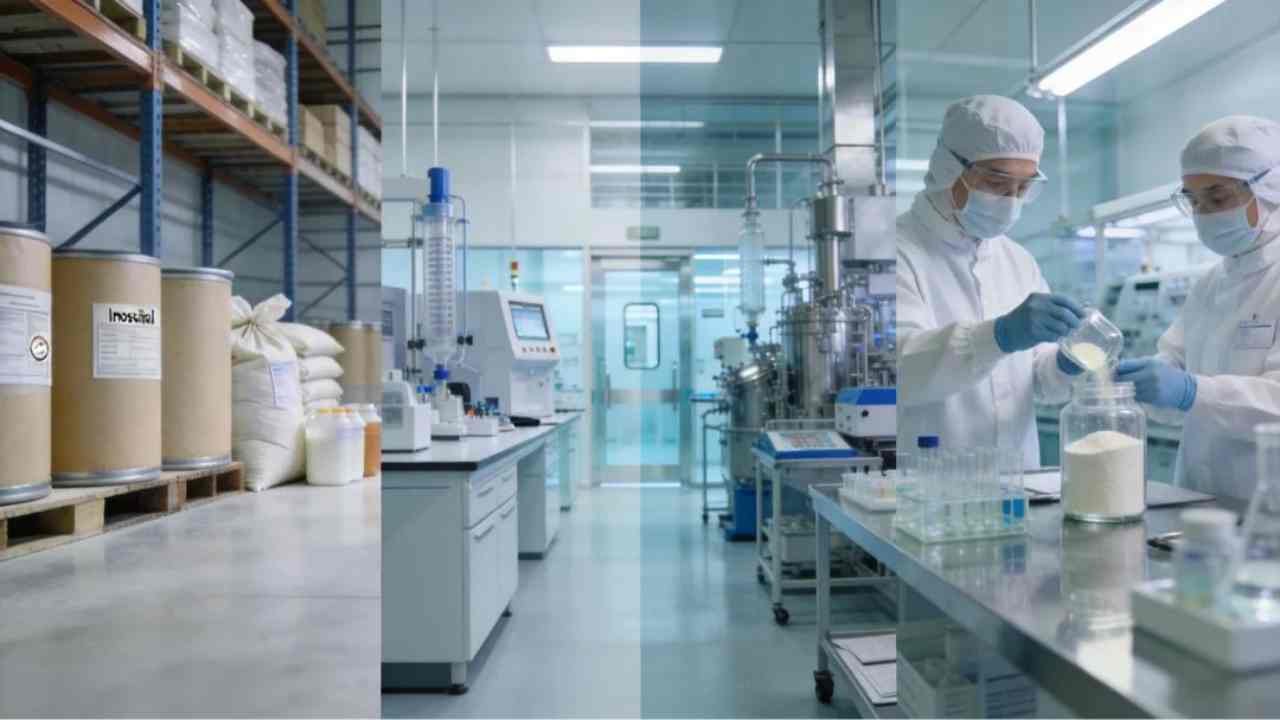
I see that "Grade" is about more than just a name. It is about the level of refining. Food-grade Inositol usually has a purity of 98%. It is perfect for energy drinks and animal feed. But pharmaceutical-grade Inositol must be 99% pure or higher. The factory must use extra filtration and recrystallization steps. This takes more time and uses more energy. I visit the quality labs to see these processes. I check the HPLC (High-Performance Liquid Chromatography) results for every batch. Pharma-grade requires very low heavy metal limits. The lead and arsenic levels must be extremely low to meet USP (United States Pharmacopeia)4 standards.
Certification also adds to the cost. A factory making pharma-grade Inositol must have a GMP (Good Manufacturing Practice)5 license. They undergo many audits from government agencies and large buyers. This overhead cost is built into the price. I act as your technical gatekeeper to ensure you get the grade you pay for. I verify the COA (Certificate of Analysis) for every shipment. If you are making baby formula or medicine, you must use the higher grade. If you are making standard supplements, the food grade is the better value. I help you analyze your application so you don't overspend on unnecessary purity levels.
Grade Specification Comparison
| Specification | Food Grade Inositol | Pharma Grade (USP/EP) | FINETECH's Technical Tip |
|---|---|---|---|
| Assay (Purity) | 98.0% - 101.0% | 99.0% - 100.5% | Pharma has tighter limits |
| Heavy Metals | < 10 ppm | < 5 ppm | Pharma is much safer |
| Lead (Pb) | < 2 ppm | < 0.5 ppm | Critical for baby food |
| Appearance | White Crystalline | Fine White Crystalline | Pharma is more uniform |
| Testing Standard | FCC / National | USP / EP / BP | Pharma follows global pharmacopeia |
| Price Factor | 1.0 (Base) | 1.2 - 1.5 (Higher) | Based on refining steps |
How can buyers negotiate stable Inositol contract prices?
Spot market prices are a gamble for your business. One bad deal can ruin your entire year. I provide the technical steps to lock in stable contract pricing and protect your supply chain.
Buyers negotiate stable prices by signing annual volume contracts and monitoring seasonal market lows. Establishing long-term relationships with a reliable Chinese supplier allows for fixed-price agreements. This strategy protects against sudden market spikes and ensures a guaranteed stock allocation for large-scale production.

Strategies for Long-Term Price Locking
I see that many buyers make the mistake of only buying when they are out of stock. This is the most expensive way to buy. I suggest my B2B clients sign annual contracts. We agree on a total volume for the year. This gives the factory the confidence to buy raw materials in advance. I negotiate these deals with the top management of the plants. I act as your strategic office in China to ensure the factory honors the price even if the market rises. This "Fixed Price" model is the best way to handle your annual budget. You know your cost on day one, and it stays the same until day 365.
Consistency is another benefit of a contract. When you are a regular buyer, the factory reserves their best batches for you. I visit the warehouses to check these reserved stocks. I ensure they are stored in a cool, dry place on pallets. I also manage the "Sinosure" credit insurance for our long-term partners. This allows for flexible payment terms like OA 30 or 60 days. This financial trust is part of the negotiation. By being a stable partner, you get the best price and the best service. I oversee the whole relationship to ensure both sides follow the agreement. This reduces your stress and keeps your production lines moving without interruption.
Contract Negotiation Factors
| Factor | Benefit to Buyer | FINETECH's Strategy |
|---|---|---|
| Annual Volume | Lowers the unit price | Group orders for better leverage |
| Payment Terms | Improves cash flow | Use credit history for OA terms |
| Shipment Schedule | Reduces warehouse costs | Plan monthly staggered loads |
| Price Type | Predictable costs | Use Fixed-Price for long terms |
| Lead Time | Stable supply | Pre-book 4 weeks in advance |
| Documentation | Customs efficiency | Standardize all COA/Health certs |
Which market trends are shaping global Inositol pricing?
Ignoring global trends leaves you behind your competitors. You will overpay while others save money. I highlight the current trends that change Inositol prices so you can make informed decisions.
Global pricing is shaped by the rise of functional beverages, the expansion of animal nutrition, and a shift toward sustainable manufacturing in China. Increased demand in emerging markets like Southeast Asia and the Middle East also drives competition, pushing manufacturers to improve efficiency and stabilize prices.

Emerging Demand and Technology
I see that the energy drink market is booming in Southeast Asia and the Middle East. Countries like Indonesia and Saudi Arabia are buying huge amounts of Inositol. This increased demand is keeping the market busy. But at the same time, Chinese factories are getting more efficient. They are upgrading their machines to save energy. I visit these plants to see the new technology. This efficiency helps keep the global price stable even when raw material costs rise. I act as your strategic partner to find the factories that are leading in technology. They are the ones who will offer the best prices in the future.
Sustainability is another big trend. Many large companies in Europe now require "Green" production. They want to know the carbon footprint of their Inositol. I audit the factories to see if they use renewable energy. Factories that follow these trends often get more orders. This allows them to run their machines 24/7, which lowers the cost. I also see growth in the animal feed sector. Inositol is used to improve the health of fish and poultry. This keeps the market volume high all year. I monitor these trends to help you time your bulk orders. By knowing where the demand is going, we can predict when the price will be at its lowest point.
Emerging Market Trends Table
| Trend | Market Impact | FINETECH's Outlook |
|---|---|---|
| Functional Drinks | High demand in SE Asia | Keeps price floors stable |
| Eco-Manufacturing | Better tech / Lower waste | Leads to long-term cost drops |
| Baby Formula | High purity demand | Keeps pharma grade price firm |
| Animal Nutrition | Bulk volume growth | Stabilizes factory output |
| Sugar Reduction | Synergistic use | Expands total Inositol market |
| Logistics Tech | Faster port turnaround | Reduces total landed cost |
Conclusion
Inositol price trends are driven by raw material costs, purity grades, and global demand shifts. I manage these complexities at FINETECH to ensure your business secures top-quality supply at competitive, stable prices.
-
Grand View Research – Market analysis report detailing the global demand and growth trends for energy drinks, a primary application for Inositol. ↩
-
ScienceDirect – Academic overview of corn steep liquor as a nutrient-rich byproduct and its industrial role as a precursor for Inositol. ↩
-
Biology Online – Scientific explanation of hydrolysis, the chemical process used to break down phytin into Inositol. ↩
-
USP – Official website of the United States Pharmacopeia, defining the quality and purity standards for pharmaceutical ingredients globally. ↩
-
ISPE – Professional guide to Good Manufacturing Practices (GMP) which ensures consistent quality and regulatory compliance in production. ↩