Worried about Inositol purity? Bad suppliers lead to recalls and lost profits. I show you how to vet Inositol factories to ensure your business stays safe and profitable.
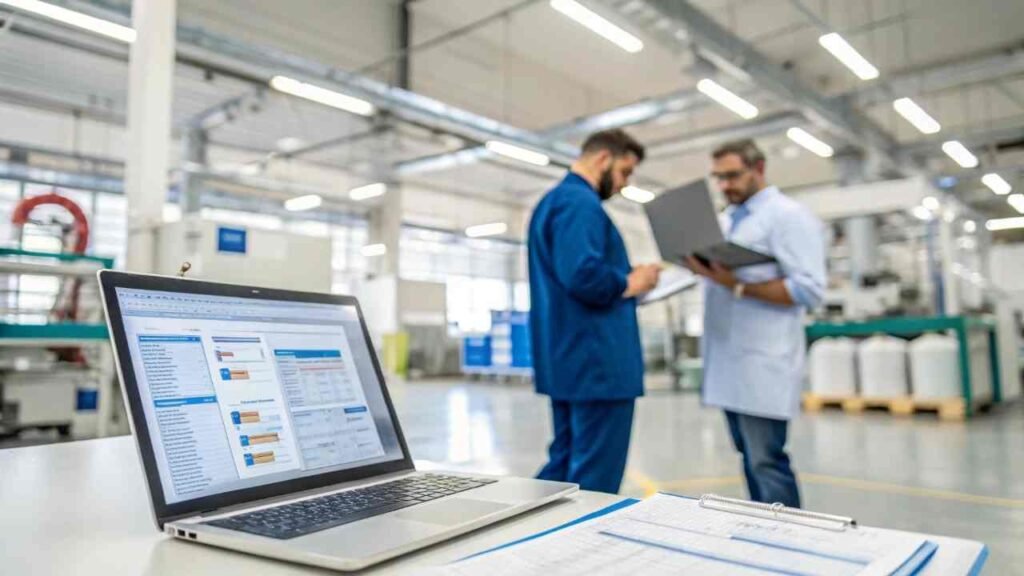
A reliable Inositol supplier must have GMP or ISO certifications, high-purity production technology, and transparent batch traceability. Buyers should verify their in-house HPLC testing capabilities, annual production capacity, and historical export data to markets like the Middle East or Southeast Asia.
I act as your technical partner in China. I want to save you time and money. Use my experience to avoid the common traps of the food additive market and secure your supply.
What qualifications should a professional Inositol manufacturer have?
Choosing an amateur factory causes batch inconsistencies. This ruins your food formula. I list the technical qualifications that prove a manufacturer can handle your professional B2B wholesale needs.
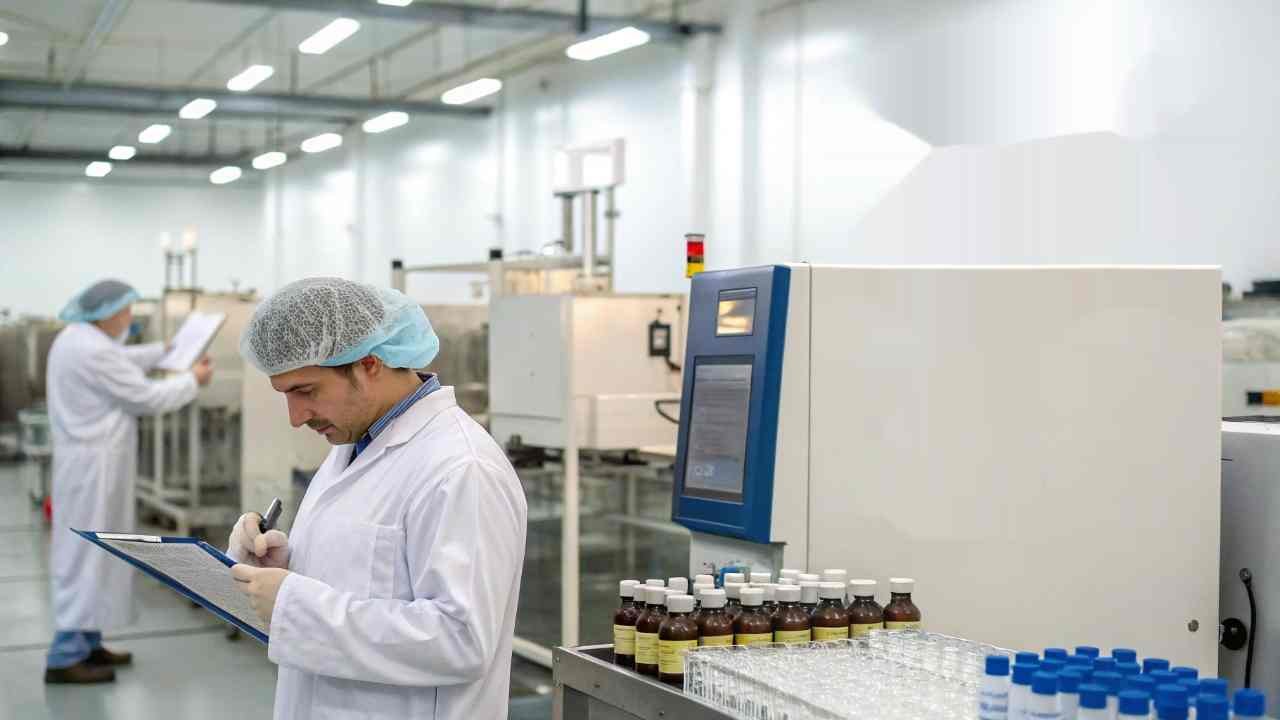
Professional manufacturers must have a stable phytin supply chain, advanced hydrolysis technology, and a dedicated quality control team. They should possess a valid production license and specialized facilities for refining food or pharmaceutical-grade Inositol to international standards like USP or NF.
Technical Infrastructure and Raw Material Control
I see that raw material control is the first sign of a pro factory. Inositol comes from phytin1. Phytin comes from corn. China has the largest corn industry in the world. A top manufacturer usually sits near corn processing hubs. I visit these plants to check their phytin storage. A factory with its own phytin source is more stable. They do not suffer from price jumps as much as others. I act as your strategic office to find these integrated plants. This ensures your price stays competitive and your supply never stops.
I also check the refining technology. Modern plants use automated hydrolysis tanks. These tanks control temperature and pressure perfectly. This leads to a higher assay and fewer impurities. I look for factories that have a "Clean Room" for the final packing stage. This prevents dust and bacteria from entering your drums. I prioritize factories that use advanced membrane filtration2. This technology removes the small plant residues that cause yellow color. I want you to receive white, sweet, and pure powder every time. My goal is to verify these technical details so you can focus on your sales.
Manufacturer Qualification Comparison
| Qualification Indicator | Professional Factory | Amateur Workshop | FINETECH's Technical View |
|---|---|---|---|
| Raw Material Source | Direct phytin supply | Buys from open market | Direct source is more stable |
| Refining Tech | Automated hydrolysis | Manual batch tanks | Automation reduces batch drift |
| QC Equipment | In-house HPLC/ICP-MS | Only basic tools | In-house labs ensure safety |
| Environment | ISO Clean Room | Standard warehouse | Clean rooms prevent mold |
| Production License | Valid and specific | General or expired | Specific licenses are mandatory |
| Export Record | Global trade history | Local sales only | Export experience avoids port delays |
Which certifications indicate reliable Inositol production standards?
Fake or expired certificates put your import business at legal risk. I explain which certifications are mandatory for proving safety and quality in the global Inositol market.
Key certifications include FSSC 22000, ISO 22000, and HACCP for food safety. Pharmaceutical-grade buyers must look for GMP certificates. For regional market access, Halal and Kosher certifications are also critical indicators of high manufacturing standards.

Verifying Safety and Compliance Documents
I see that certifications are the "passport" for your cargo. For my clients in Europe and the USA, FSSC 22000 is the gold standard. This certificate shows the factory has a total safety management system. I check these documents in the official databases. I make sure they are current and not edited. I act as your technical gatekeeper to verify these papers. A factory with FSSC 22000 is much less likely to have a contamination problem. This protects your brand from expensive legal lawsuits.
For the Middle East market, Halal certification3 is the most important. I manage the supply for many buyers in Saudi Arabia and the UAE. They need Halal papers from bodies like MUI or JAKIM. I visit the factories to see if they keep the Inositol lines separate from non-Halal materials. This technical oversight is vital for your religious compliance. I also look for Kosher certificates for my clients in the USA. These certificates prove the factory follows very clean production rules. I prioritize plants that have all these documents. It shows they are serious about global trade and meet the highest safety rules in the world.
Mandatory Certifications for Inositol Trade
| Certification | Target Industry | Market Requirement | FINETECH's Observation |
|---|---|---|---|
| FSSC 22000 | Food & Beverage | Global Standard | Most trusted for large corps |
| GMP | Pharmaceuticals | Global / Medical | Mandatory for pharma grade |
| HACCP | Food Safety | Standard Requirement | Prevents production hazards |
| Halal | Food & Feed | Middle East / SE Asia | Essential for Muslim markets |
| Kosher | Food & Pharma | USA / Israel | High standard of cleanliness |
| ISO 9001 | Management | General Global | Ensures consistent process |
How can buyers evaluate an Inositol supplier’s production capacity?
Sudden shortages can kill your production schedule. You need to know if your supplier can deliver your bulk order on time. I show you how to verify a factory's actual output limits.
Evaluate capacity by reviewing annual output reports and warehouse inventory levels. A reliable supplier should produce at least 2,000 tons annually. Check their factory size, number of hydrolysis tanks, and ability to fulfill large FCL orders consistently.
Measuring Industrial Scale and Stock Levels
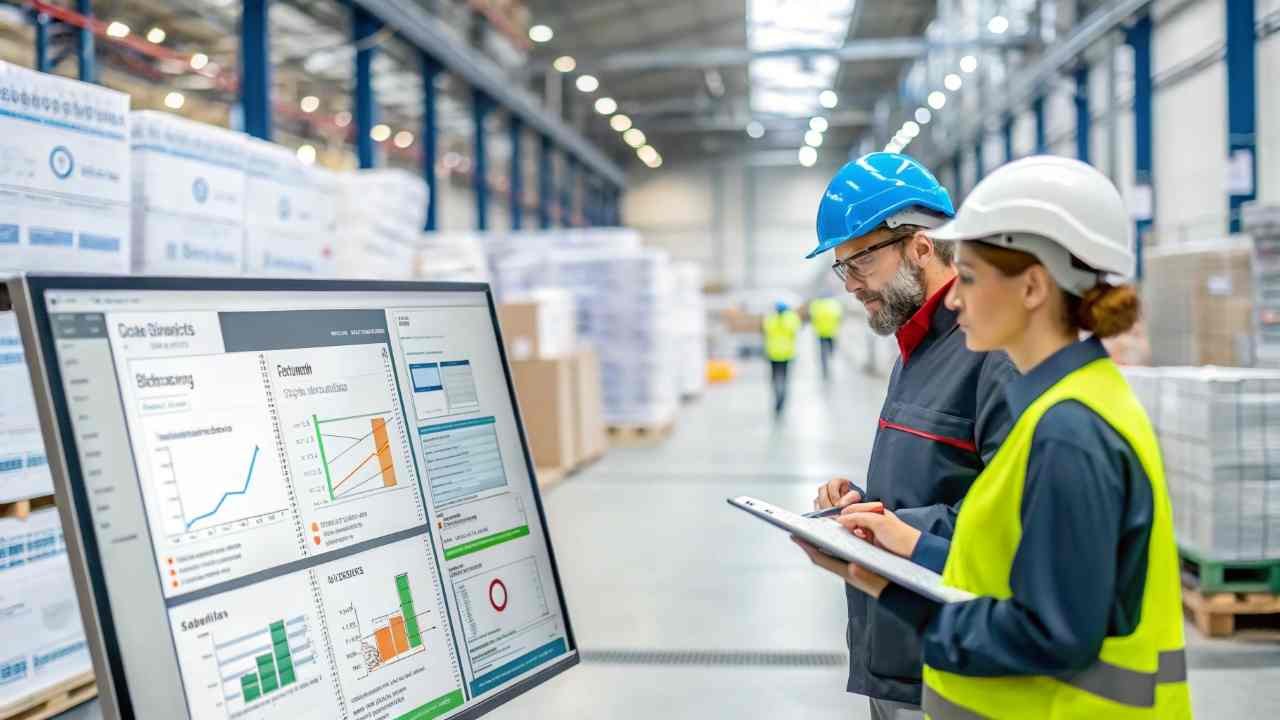
I see that "Annual Capacity" is a number factories love to exaggerate. I look at the physical size of the plant to find the truth. A pro factory should have several large hydrolysis tanks. Each tank can produce a specific amount per day. I act as your strategic office to audit these production logs. I want to see that they can handle a 20-ton order without stopping other clients. If a factory is too small, they will delay your shipment if a bigger buyer comes. This "Allocation Risk" is something I help you avoid by picking the right scale of partner.
Warehouse stock is another indicator. A healthy factory keeps a "Safety Stock" of at least 50 to 100 tons. I visit the warehouses to check the drum labels. I check the production dates to see if the stock is fresh. If the warehouse is empty, the factory is struggling with cash flow or raw materials. This is a red flag. I also look at their "Packing Speed." A professional plant should be able to pack a 20ft container in two days. I oversee these logistics details so you get your cargo fast. My goal is to ensure you have a "Pipeline" of Inositol that never runs dry.
| Capacity Indicator | High-Level Supplier | Small-Scale Producer | FINETECH's Strategy |
|---|---|---|---|
| Annual Output | > 2,000 Tons | < 200 Tons | Large output ensures low price |
| Tank Number | 10+ Large Tanks | 2-3 Small Tanks | More tanks mean better schedule |
| Warehouse Stock | Consistent 50-100 Tons | Zero or trace stock | Stock prevents urgent delays |
| Lead Time | 7 - 14 Days | 30+ Days | Fast lead time proves health |
| Staffing | 100+ Workers | < 20 Workers | More staff means better QC |
| Export Volume | 50+ Containers/Month | 2-3 Containers/Month | High volume means lower freight |
What questions should buyers ask before ordering Inositol products?
One wrong assumption leads to a 20-ton mistake. Asking the right technical questions protects your capital and your quality. I provide a checklist of questions for every professional buyer.
Buyers should ask about the assay level (98% vs 99%), heavy metal limits (Pb/As), mesh size for solubility, and the shelf life of the current batch. Always confirm the HS code (290613) and the availability of a recent Certificate of Analysis (COA).
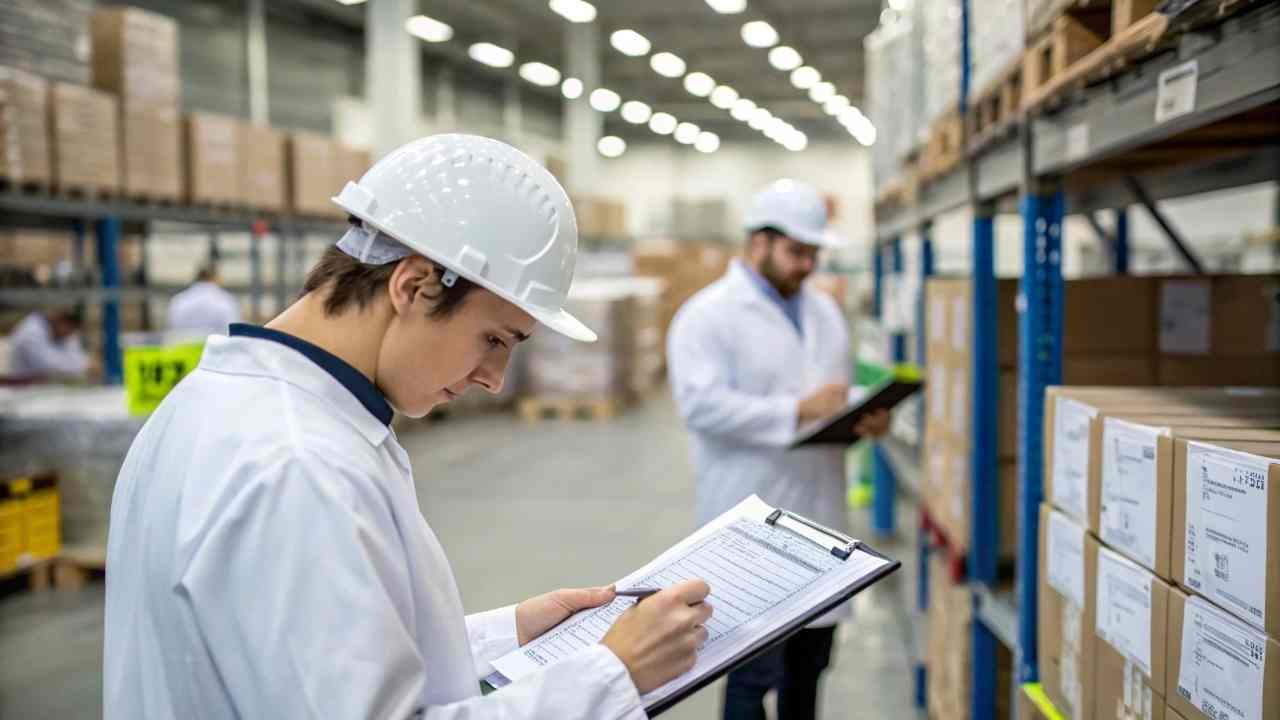
Critical Technical and Logistics Questions
I see that "Assay" is the most common point of confusion. Food grade is usually 98% but some buyers need 99% for infant formula4. You must ask this first. I act as your technical advisor to match the grade to your recipe. I also suggest you ask about the "Mesh Size." If you are making a drink, you need a fine powder that dissolves fast. If you are making tablets, you might need a granular form. I check these specs with the factory engineers before we place the order. This prevents you from receiving a product that does not work in your machines.
Logistics questions are just as vital. I always ask about the "Batch Consistency." You want Batch A and Batch B to be the same. I ask for the last five COAs to compare them. I also ask about "Lead Time." You need to know if the 14-day promise includes the lab testing time. I act as your strategic partner to verify these answers. Many traders say "Yes" to everything, but I look for the truth in the factory logs. I also confirm the "Packing Standards." For long sea trips, we need double PE liners. Asking these questions early prevents expensive surprises later.
| Question to Ask | Expected Pro Answer | Why it Matters |
|---|---|---|
| What is the Assay? | 98.0% or 99.0% (NF/USP) | Determines the grade quality |
| What is the Lead limit? | < 0.5 ppm or < 1 ppm | Critical for baby food safety |
| What is the Mesh? | 40-80 mesh or Fine | Affects dissolution speed |
| Is it Non-GMO? | Yes, with certificate | Required for European markets |
| What is the HS Code? | 2906130000 | Essential for customs tax |
| Can we do SGS? | Yes, we welcome it | Independent quality proof |
Why is after-sales service important in Inositol business cooperation?
Problems happen at the port or in the lab. Silence from your supplier at that moment is a disaster. I explain why technical support is vital for long-term B2B trade.
After-sales service ensures help with customs clearance, technical formulation support, and handling cargo damage claims. A reliable partner manages documentation updates and provides root-cause analysis for quality complaints to keep your supply chain running smoothly without financial losses.

Problem Solving and Technical Partnership
I see that the deal is not over when the ship leaves China. The real work starts when the cargo arrives at your port. Sometimes customs asks for a new document. Sometimes a drum is damaged by a forklift. I act as your strategic partner to solve these issues. I talk to the factory immediately to get new papers or file an insurance claim. A bad supplier will stop answering your emails once they have the money. I stay with you until the Inositol is in your warehouse and your production team is happy. This is how we build a long-term partnership.
Technical support is another part of after-sales care. If your new batch of energy drinks tastes different, you need to know why. I work with the factory lab to do a "Root Cause Analysis5." We check the mineral levels and the particle size. We help your R&D team adjust the formula. I also provide "Market Intelligence." I tell you when the price of phytin is going up so you can buy more stock before the hike. This proactive service saves you money and reduces your stress. I visit the plants to ensure they have a dedicated "After-Sales Team." This ensures that any problem has a professional solution.
| Service Type | Supplier Action | Benefit for Buyer |
|---|---|---|
| Doc Support | Fast Health/Halal certs | Smooth customs clearance |
| Quality Claims | Refund or Replacement | Zero financial loss |
| Tech Support | Formulation advice | Better final food product |
| Market Info | Price/Harvest trends | Smarter inventory planning |
| Logistics Help | Tracking/Insurance | Reduced shipping stress |
| Feedback Loop | Annual quality review | Improved batch consistency |
Conclusion
Identifying a reliable Inositol supplier requires checking certifications, production scale, and technical support. I handle these audits at FINETECH to keep your global supply chain secure and profitable.
-
PubChem – Detailed chemical profile of Phytic acid (Phytin), the essential precursor for industrial Inositol synthesis. ↩
-
ScienceDirect – Engineering overview of membrane filtration technologies used for liquid separation and purification in chemical manufacturing. ↩
-
IFANCA – Resource explaining the standards for Halal certification and its significance in global food ingredient supply chains. ↩
-
U.S. FDA – Regulatory information regarding the strict safety and nutritional requirements for ingredients used in infant formula products. ↩
-
ASQ (American Society for Quality) – Guide to Root Cause Analysis (RCA) techniques used for troubleshooting quality deviations and improving processes. ↩