
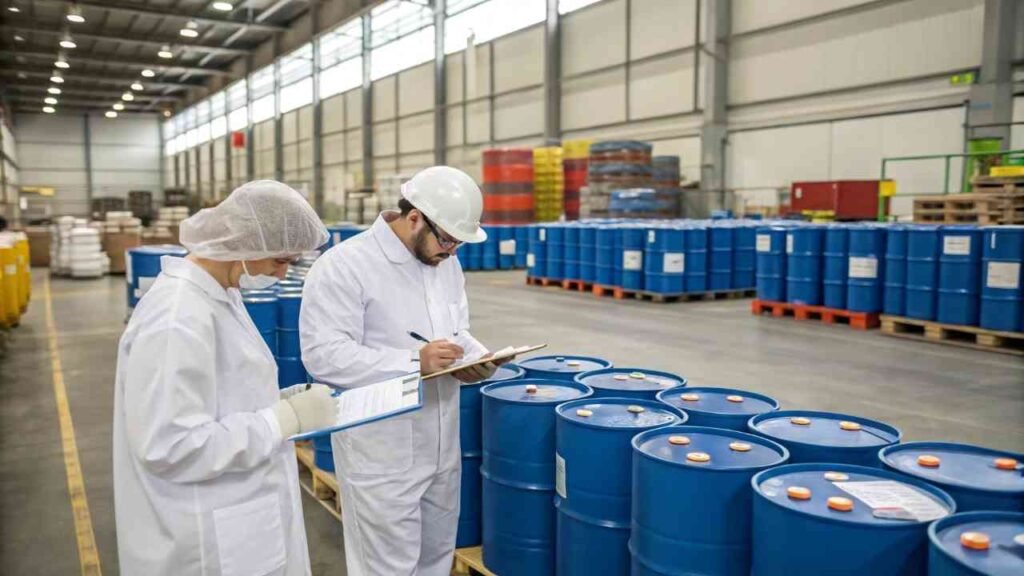
Supply chain risks cause batch failures and lost revenue. These hidden dangers destroy your market reputation overnight. I show you how to identify and avoid these critical trade pitfalls today.
Buyers face quality risks like contamination, logistics delays, and regulatory non-compliance. Other risks include physical damage during sea transit and miscommunication regarding technical specifications. Manufacturers must ensure strict lab testing, proper palletization, and clear documentation to mitigate these global trade hazards for Inositol shipments.
I manage factory selection and oversee production for my B2B clients at FINETECH. I visit Chinese plants to audit their technical processes because your brand safety depends on facts. I want to share the technical risks of Inositol trade so you can secure your supply chain.
What quality risks commonly occur in Inositol international trade?
Impure Inositol ruins your formula and leads to product recalls. These quality gaps kill your brand trust and customer loyalty. I explain the most common purity risks in manufacturing.
Quality risks include heavy metal contamination like Lead or Arsenic, and low assay purity below 98%. Microbial issues like mold or E. coli are also common. Other risks involve "caking" due to high moisture or "color drift" where white crystals turn yellow because of poor refining.

Dive Deeper into Quality Hazards
I see that "Quality" is the most dangerous risk in my industry. If the Inositol is not pure, your final product fails. I focus on the "Assay" level first. Many factories claim 99% purity but only deliver 97%. This 2% difference changes how your vitamins work. I visit Chinese labs to check the HPLC1 (High-Performance Liquid Chromatography) results myself. This machine finds hidden impurities that a simple test might miss. I also look for "Heavy Metals." Lead and Arsenic are major risks in food additives. I prioritize factories that use ICP-MS technology. This machine is very sensitive. It finds trace amounts of toxic metals.
Microbial safety is another critical technical point. I audit the packing rooms to ensure they are sterile. If bacteria like E. coli or Salmonella enter the drum, your whole container is a total loss. I check the lab logs for every batch I oversee. I also look for "Physical Impurities." This means dust or hair that might fall into the drum during packing. I act as your technical eyes in the factory to stop these issues before they leave China. "Caking" is also a common problem. If the powder has too much moisture, it becomes a hard block. You cannot mix a hard block into your recipe. I ensure the "Loss on Drying" test is always below 0.5%. This protects the performance of the Inositol in your machines.
| Quality Risk Factor | Technical Indicator | Impact on Buyer | FINETECH's Quality Check |
|---|---|---|---|
| Low Assay | < 98% Purity | Reduced potency | Verify HPLC peak data |
| Heavy Metals | > 10 ppm Total | Safety law violations | Check ICP-MS reports |
| Microbial Load | Yeast / Mold presence | Product spoilage | Audit 5-day growth logs |
| High Moisture | > 0.5% LOD | Powder caking | Test via vacuum drying |
| Color Drift | Yellowish tint | Brand image damage | Visual inspection (10% sol) |
| Ash Content | High residue | Inorganic impurities | Check ignition test logs |
How can logistics delays disrupt Inositol supply chains?
Late shipments stop your production lines and empty your warehouse. These gaps result in lost sales and angry customers. I show you how to manage shipping time risks effectively.
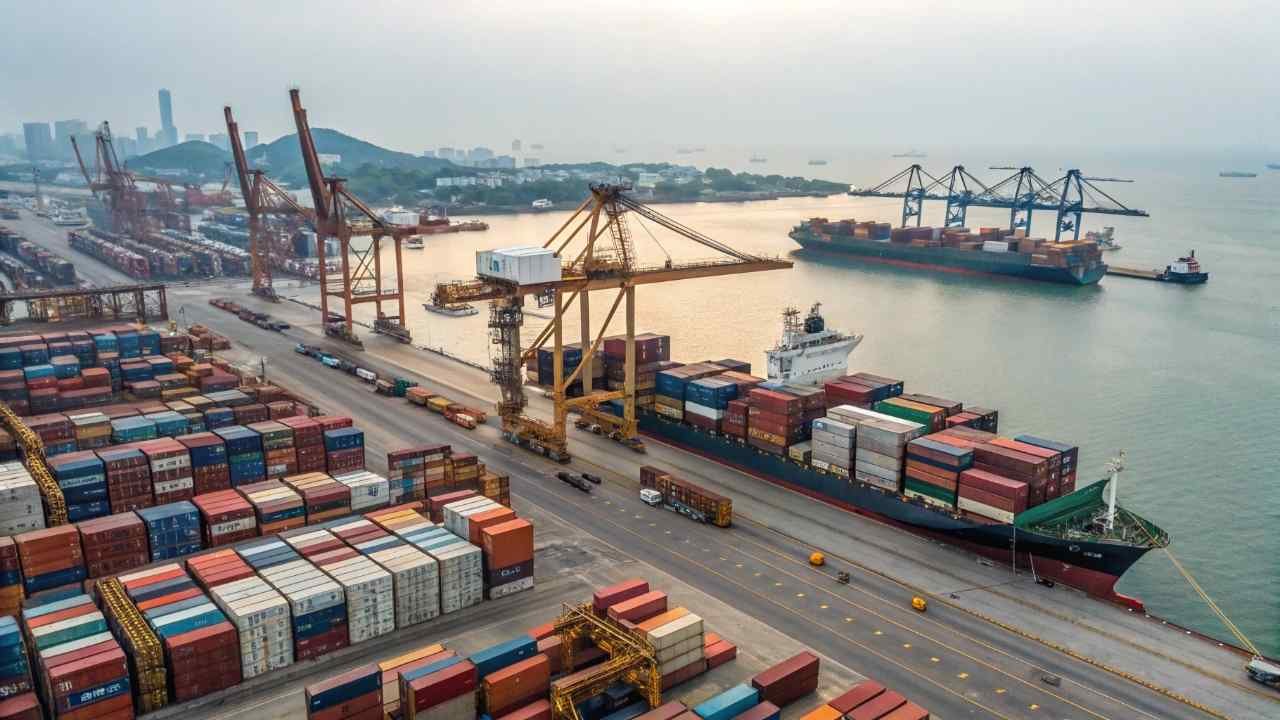
Logistics delays happen due to port congestion, vessel shortages, or customs inspections. These disruptions increase lead times from 15 to over 45 days. Buyers must use "Safety Stock" and track vessel schedules to prevent empty production lines and financial losses.
Dive Deeper into Logistics Management
I see that "Timing" is just as important as quality. If your Inositol is stuck at the port, your factory stops. This is a very expensive risk. Port congestion is a major problem in global trade. Sometimes ships wait for two weeks just to dock. I act as your strategic office to monitor these vessel schedules. I suggest ordering 30 days earlier than you think you need. This "Safety Buffer" protects you from surprises. I also track the "Container Shortage" risk. During peak seasons, it is hard to find a 20ft container in China. I use my network to secure space for my wholesale clients before the market gets tight.
Customs delays are another technical hurdle. If the documents are wrong, the port will hold your cargo. I oversee the preparation of the Bill of Lading2, Invoice, and Packing List. I check every word to match your local import rules. I visit the shipping agents to speed up the process. We also look at "Transshipment Risks." This is when your cargo moves from one ship to another in a third country. This often causes delays. I try to book "Direct Ships" for my clients in Southeast Asia and the Middle East. It costs a little more but it is much safer. I also look at "Seasonal Risks." For example, the Chinese New Year holiday stops all exports for two weeks. I help you plan your inventory to avoid these predictable gaps.
| Delay Factor | Likely Duration | Root Cause | FINETECH's Solution |
|---|---|---|---|
| Port Congestion | 7 - 14 Days | High cargo volume | Track real-time port data |
| Document Error | 5 - 10 Days | Typing mistakes | Double-check every doc |
| Vessel Shortage | 10 - 20 Days | Low ship capacity | Book 3 weeks in advance |
| Customs Audit | 3 - 7 Days | Random inspection | Prepare clear compliance files |
| Transshipment | 7 - 15 Days | Port hopping | Prioritize direct sea routes |
| Holiday Gaps | 14 - 20 Days | National festivals | Plan stock 2 months early |
What transportation risks may affect Inositol product quality?
Rough handling and damp sea air destroy your premium Inositol. Damaged drums lead to contamination and wasted inventory. I show you how to protect your cargo during the long trip.
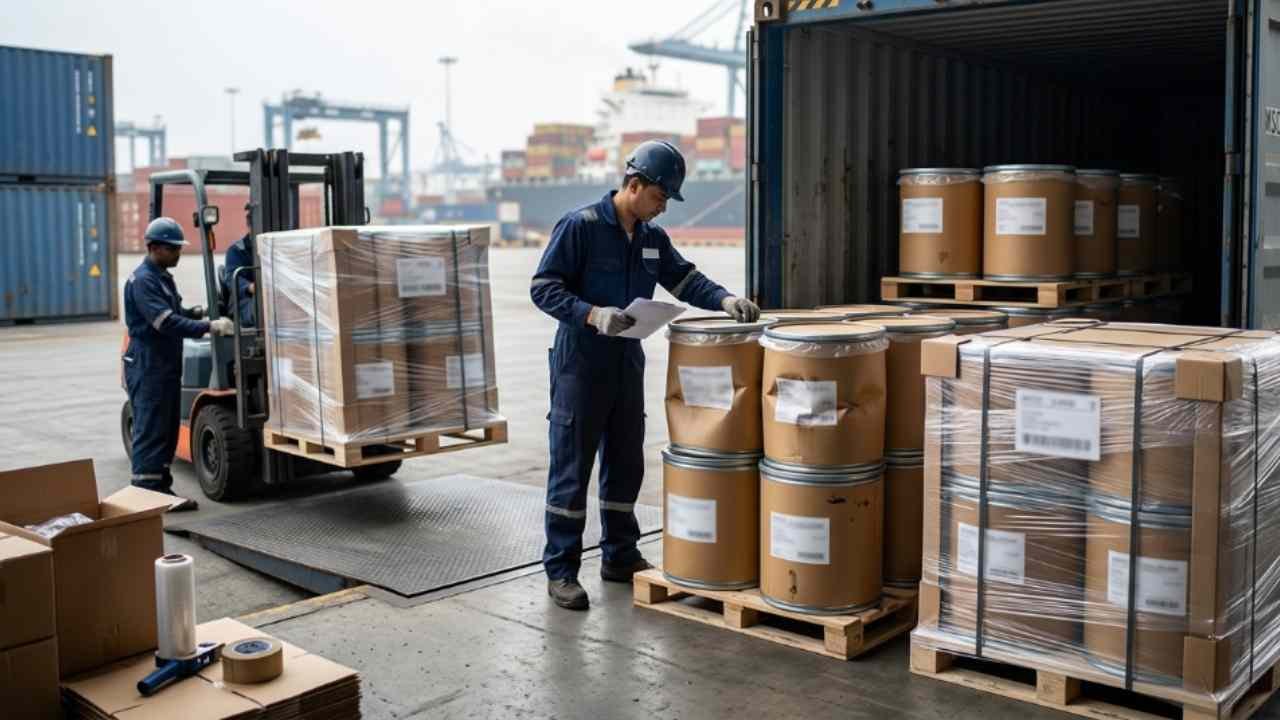
Transportation risks include moisture ingress due to damaged liners and physical drum damage from poor palletization. High temperatures inside containers during sea transit can also cause caking. Proper double-PE liners and shrink-wrapped pallets are essential technical defenses against transit hazards.
Dive Deeper into Transit Protection
I see that the "Environment" inside a sea container is very harsh. It can get very hot and humid. This is a big risk for Inositol crystals. If the temperature goes above 35 degrees Celsius, the powder might start to stick together. I act as your technical partner to ensure we use "Double PE Liners." These plastic bags are a barrier against the damp sea air. I visit the loading area to check the drum seals. If the seal is loose, the Inositol will absorb moisture. This leads to caking. Once it cakes, it is hard to dissolve. This ruins your formula for energy drinks or supplements.
Physical damage is the second risk. Drums move around when the ship hits big waves. If the drums are not "Palletized" correctly, they will crash and break. I oversee the palletization process personally. I ensure we use strong wooden or plastic pallets. We use "Shrink Wrap" to tie the drums together into one solid block. I also look at the "Container Quality." I check for holes in the roof. If rain enters the container, the fiber drums will rot. I act as your quality gatekeeper at the port. I also check the "Container Floor." It must be dry and clean. If the floor is oily, it can smell. The Inositol might absorb this smell through the liners. I use these technical checks to make sure your product arrives in "Top Quality" condition.
| Transit Risk | Impact on Inositol | Technical Solution | FINETECH's Oversight |
|---|---|---|---|
| High Humidity | Powder caking | Double-layer PE liners | Audit liner thickness |
| Rough Loading | Broken drums | Heavy-duty shrink wrap | Monitor pallet loading |
| Container Heat | Assay degradation | Ventilated storage | Select newer containers |
| Water Leak | Mold growth | Roof inspection | Check container integrity |
| Contamination | Odor absorption | Clean pallet base | Audit storage environment |
| Theft / Loss | Missing inventory | Security door seals | Record seal numbers |
How do regulatory differences impact Inositol import compliance?
Ignoring local health laws leads to heavy fines and government bans. These regulatory errors stop your market entry. I explain how to navigate the complex world of import compliance.
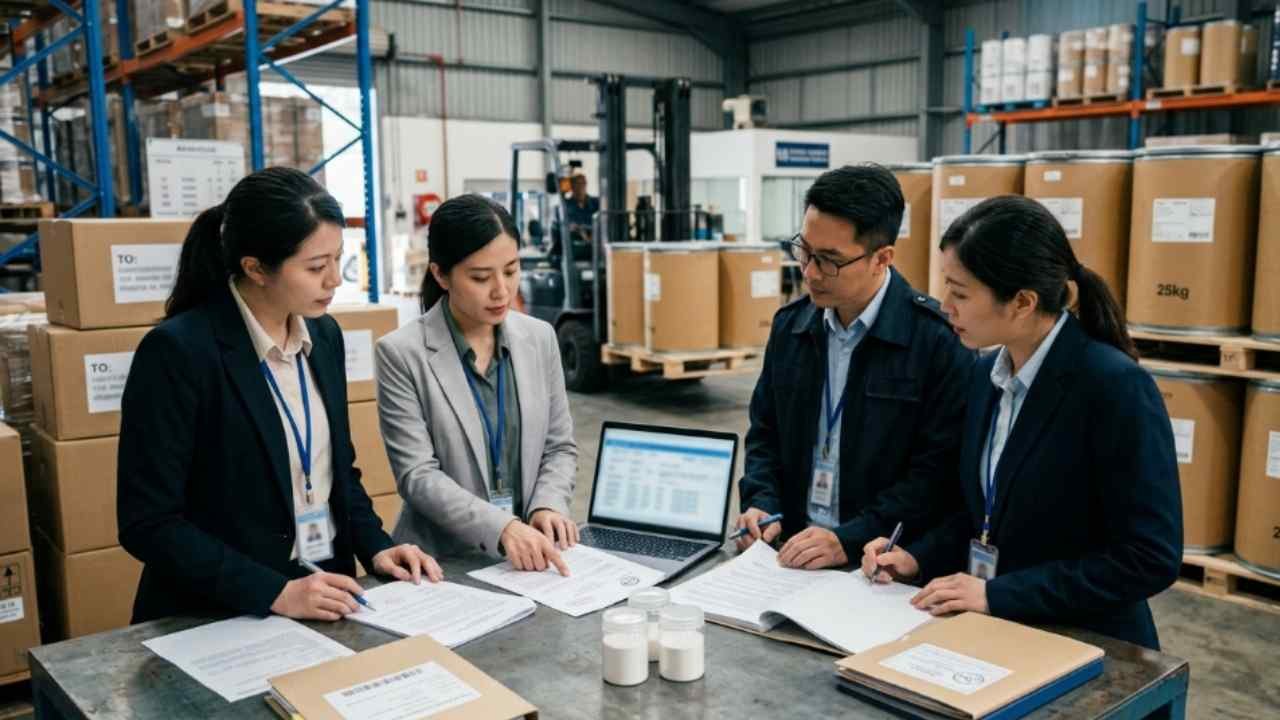
Regulatory differences affect Inositol through varied "Maximum Residue Limits" (MRLs) and labeling requirements. Countries in the Middle East require Halal certification, while the EU has strict rules on pesticides. Importers must verify that COAs match local standards to avoid customs rejections.
Dive Deeper into Regulatory Standards
I see that every country has its own "Rule Book" for food additives. What is legal in China might be restricted in the Middle East or Europe. This is a major risk for global traders. I act as your strategic office to study these laws. For example, some countries have very low limits for lead in baby food. If your Inositol is for infant formula, we must use "Ultra-Purity" grades. I visit the factories to ensure they understand these specific limits. I also look at "Certification Risks." Many buyers in Saudi Arabia or the UAE need a "Halal Certificate3." Without this paper, you cannot sell the product. I oversee the certification process with the local authorities to keep your supply chain legal.
Labeling is another technical hurdle. Every country wants information in their own language or format. Some want the "Production Date" to be day/month/year. Others want month/day/year. If the label is wrong, customs will hold the container. I check these details before the printer starts. I also look at "Additive Laws." Some regions do not allow certain anti-caking agents in Inositol. I ensure the Inositol I source is 100% pure with zero hidden ingredients. I visit the labs to verify this "Clean Label" status. This technical rigor protects you from government audits. I also track the "HS Code4" accuracy. Using the wrong code leads to tax problems. I use my experience to ensure all documents are perfect for your specific port.
| Compliance Area | Regional Focus | Key Document | FINETECH's Value |
|---|---|---|---|
| Halal Rules | Middle East / SEA | Halal Certificate | Verify MUI/JAKIM status |
| Lead Limits | EU / North America | Heavy Metal Analysis | Match USP/FCC specs |
| Labeling | Global | Product Label Proof | Check local language |
| Pesticides | EU Market | Residue Report | Audit farm-to-factory |
| Taxes / Duty | Global | HS Code 2906130000 | Ensure correct coding |
| Safety Data | Global | MSDS / SDS | Provide up-to-date files |
Why is communication important in global Inositol transactions?
Poor communication causes wrong orders and expensive shipping mistakes. This confusion wastes your time and ruins your profit. I show you why clear technical talk is the key to success.
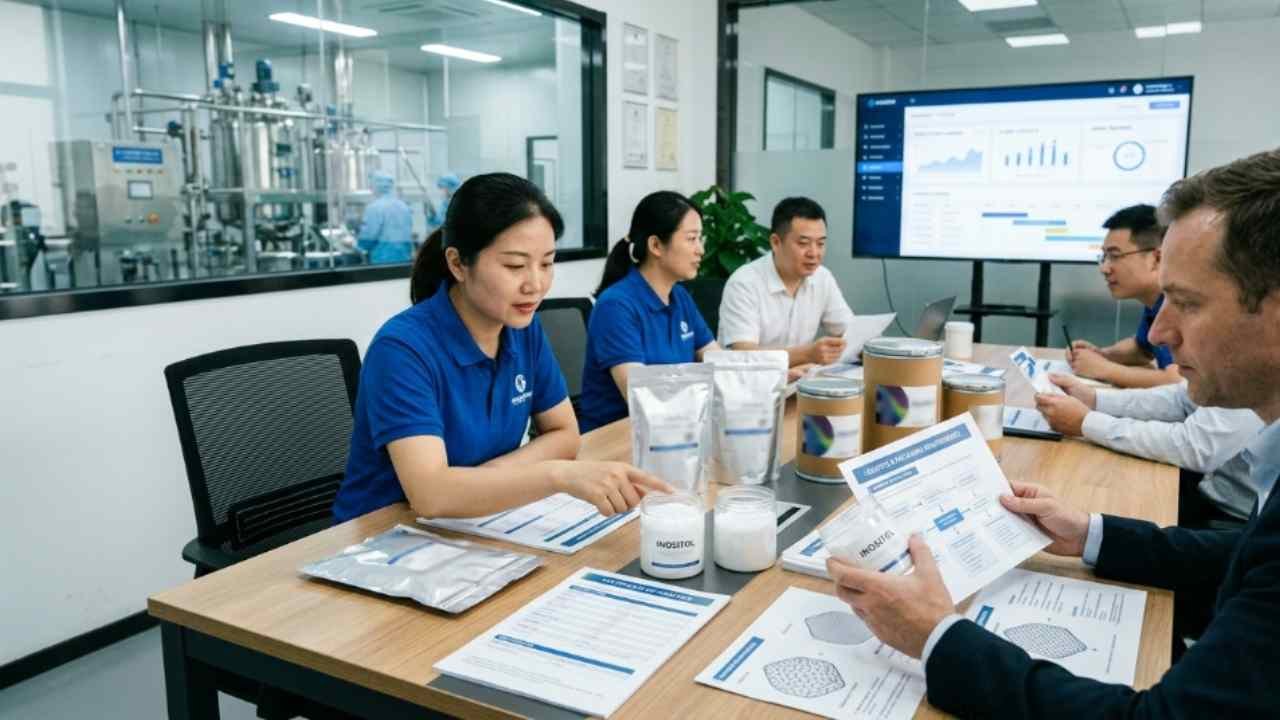
Communication is vital to ensure the factory understands the exact "Mesh Size" and "Assay Grade" needed. It prevents errors in packaging, logistics, and payment terms. Clear, direct communication minimizes the "Information Gap" between Chinese manufacturers and international B2B buyers.
Dive Deeper into Trade Communication
I see that many trade problems come from simple "Misunderstandings." Inositol comes in different forms. For example, "Fine Powder" is different from "Crystalline Granules." If you do not specify the "Mesh Size5," the factory might send the wrong texture. This will ruin your tableting process. I act as your technical liaison to clarify these specs. I talk to the factory engineers in their own language. I ensure they know exactly what you need for your recipe. This "Technical Alignment" is the foundation of a safe deal. I also oversee the "Lead Time" communication. Some factories say "10 days" when they really mean "30 days." I visit the production floor to see the real progress.
Payment terms also require clear talk. If there is a "Currency Shift," we need to discuss how it affects the price. I act as your strategic office to manage these negotiations. I also look at "Emergency Communication." If there is a problem at the port, we need to talk fast. I offer 24/7 access to my clients. I use simple, direct English to avoid confusion. I also use "Visual Proof." I send photos of the batch, the labels, and the container loading. This "Photo Evidence" is better than a thousand words. It proves the factory is doing the job right. I visit the factories to take these photos myself. This level of detail removes the "Risk of the Unknown." It builds a professional relationship based on facts, not guesses.
| Communication Link | Common Failure | FINETECH's Solution | Technical Goal |
|---|---|---|---|
| Product Spec | Wrong mesh size | Technical Data Sheet | Match your recipe |
| Order Status | Unknown delay | Weekly progress report | Manage lead times |
| Shipping Info | Missing documents | Real-time tracking | Smooth port entry |
| Payment terms | Bank detail error | Phone verification | Secure capital transfer |
| Quality Issues | Slow response | 24/7 technical help | Fast problem solving |
| Local Laws | Non-compliance | Compliance research | Avoid legal fines |
Conclusion
Buyers must manage quality, logistics, and regulatory risks through strict oversight. I provide these technical checks at FINETECH to ensure your Inositol imports are safe, legal, and profitable.
-
Amrita Virtual Lab – Educational resource explaining the principles of High-Performance Liquid Chromatography for chemical analysis and purity verification. ↩
-
Investopedia – Detailed breakdown of the legal and logistical functions of a Bill of Lading as a primary document in international trade and ocean freight. ↩
-
IFANCA – Professional resource explaining Halal standards and the certification requirements for global food and pharmaceutical ingredients. ↩
-
World Customs Organization – Official introduction to the Harmonized System (HS) used globally for product classification and customs compliance. ↩
-
Reade Technical Resources – A technical conversion guide for understanding particle size and mesh measurements in powder manufacturing and processing. ↩