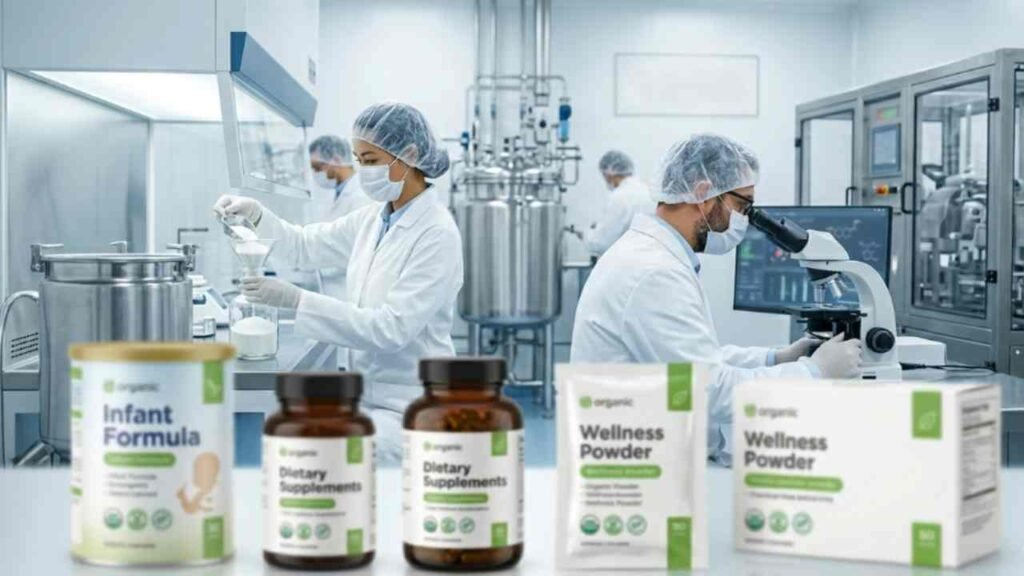
Consumers fear pesticide residues in their supplements and demand clean labels. Missing the organic trend leads to lost shelf space and lower margins. I show you how organic Inositol solves this.
Organic Inositol is popular because it meets the global demand for "Clean Label" products. It uses non-GMO raw materials and chemical-free extraction. High-end buyers in Europe and the USA prefer it to ensure safety, avoid synthetic residues, and satisfy strict environmental regulations for premium nutraceuticals and infant formula.
I manage factory selection and oversee production for my B2B clients at FINETECH. I audit Chinese plants to ensure they meet international standards because your brand safety depends on technical facts. I want to share why organic Inositol is a strategic choice for your supply chain.
What certifications are required for organic Inositol exports?
Uncertified products get stuck at customs and lead to heavy fines. You cannot claim "Organic" without the right paperwork. I explain the mandatory certifications for global Inositol trade.
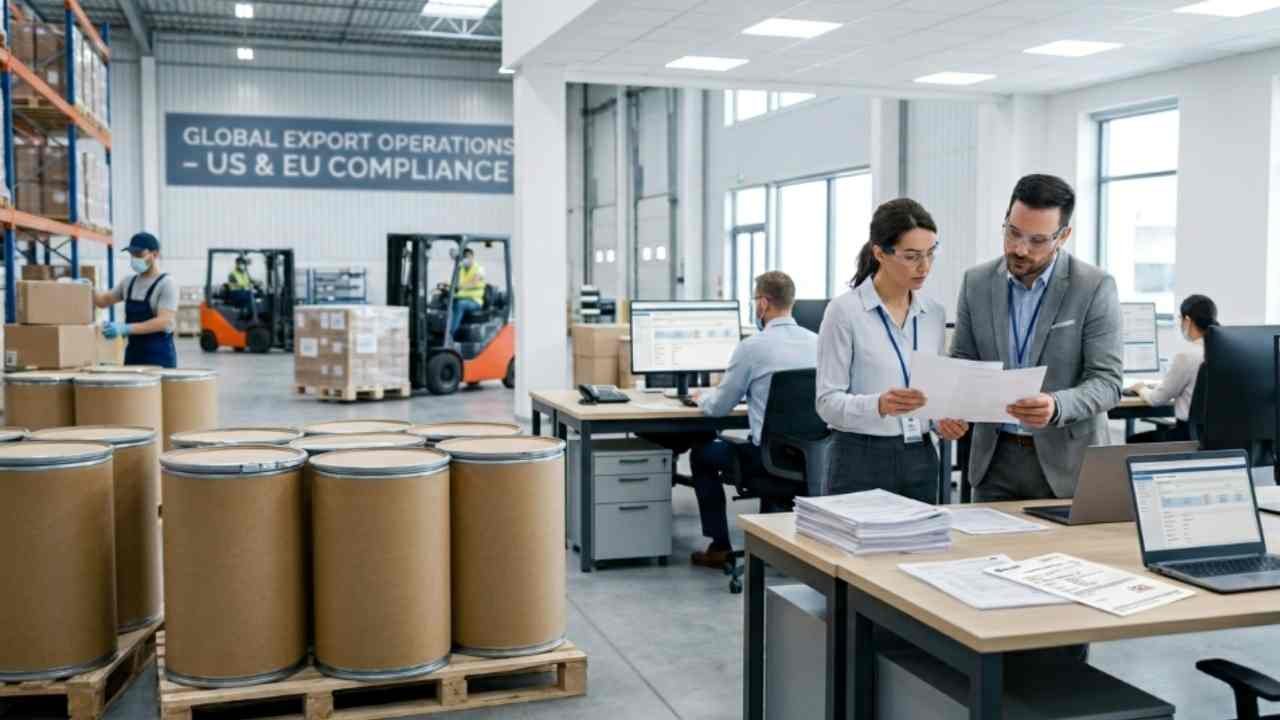
Organic Inositol exports require USDA Organic (NOP) for the US market and EU Organic certification for Europe. Factories must also have a valid Transaction Certificate (TC) for every batch. These documents prove the entire supply chain follows organic farming and processing standards from farm to drum.
Dive Deeper into Certification Standards
I see that "Organic" is a legal promise, not just a marketing word. If you sell in the USA, you must have the NOP (National Organic Program)1 seal. For Europe, the "Euro-leaf" logo is mandatory. I act as your technical gatekeeper to verify these certificates. Many factories claim they are organic but only have local Chinese certificates. These do not work for international export. I visit the factories to check their annual audit reports from bodies like Ecocert or Kiwa. These auditors check the soil, the water, and even the seeds. This technical rigor ensures you are buying a legitimate product.
The Transaction Certificate (TC) is the most important document for your shipment. It links your specific invoice to the organic status of the batch. Without a TC, your local customs office will strip the "Organic" label from your goods. I oversee the application for these TCs to ensure they are issued on time. I also check for "Side Certifications" like Non-GMO Project Verified2. While organic implies non-GMO, some buyers in Southeast Asia and Europe want both. I prioritize factories that maintain a clean digital record of all audits. This transparency is vital for your brand trust and legal safety.
Global Organic Standards for Inositol
| Certificate Type | Target Region | Audit Focus | Verification |
|---|---|---|---|
| USDA Organic | USA / North America | Non-GMO seeds and soil | Verify NOP database status |
| EU Organic | Europe / UK | No synthetic pesticides | Check Ecocert/Kiwa logs |
| EOS | Japan / Korea | Strict chemical limits | Match local residue tests |
| Transaction Cert | Per Shipment | Linkage to specific batch | Confirm TC matches invoice |
| Non-GMO Project | USA / Canada | Genetic purity of corn | Review PCR test reports |
| ISO 22000 | Global | Food safety management | Audit facility clean rooms |
How is organic Inositol produced differently from conventional Inositol?
Conventional extraction uses harsh chemicals that leave tiny residues in your powder. These toxins ruin your "Clean Label" goals. I describe the technical steps of organic Inositol manufacturing.
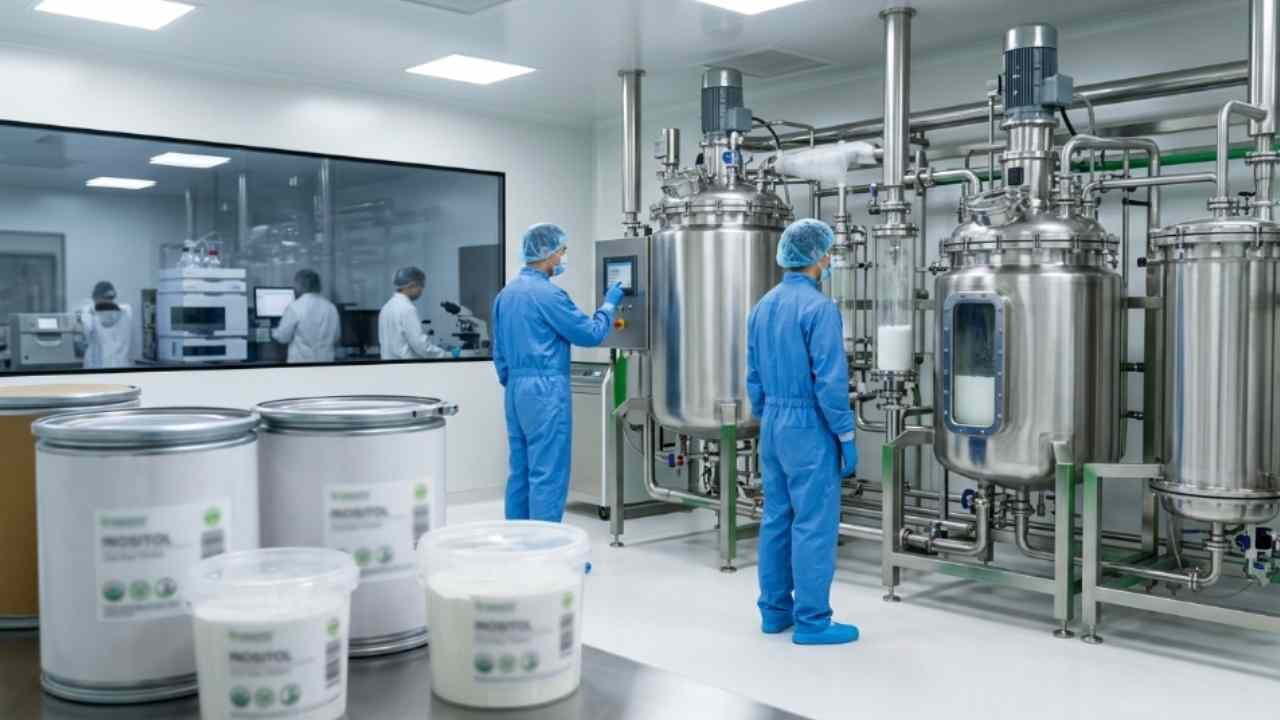
Organic Inositol production starts with non-GMO corn or rice phytin grown without synthetic fertilizers. The extraction process uses only water or organic-certified solvents. No chemical bleaching agents or synthetic anti-caking additives are used during refining, ensuring a 100% natural and clean final product.
Dive Deeper into Organic Manufacturing
I see that the production line is where the quality is decided. Conventional Inositol uses phytin from corn grown with synthetic nitrogen and pesticides. Organic Inositol uses phytin from certified organic farms. I visit these farms in China to check the records. The factory must keep this raw material separate from conventional stock. This is called "Identity Preservation." I act as your technical eyes to ensure no cross-contamination happens. The machines must be cleaned for 24 hours before an organic run starts. This "Wash-Out" period is a mandatory technical step in our industry.
The extraction step is also different. Conventional plants might use chemical acids to break down the phytin. Organic plants use water-based hydrolysis3 or certified enzyme-based methods. This keeps the process "Green." I audit the filtration logs to ensure no chemical bleaching agents are used. To make the powder white, organic plants use physical filtration and multiple crystallization steps. This is harder and takes more time. Also, we do not add any synthetic flow agents to the final powder. I check the moisture levels very carefully. Because there are no anti-caking chemicals, the moisture must be below 0.5% to prevent clumping. I prioritize factories that use automated vacuum drying to achieve this.
Production Comparison: Conventional vs. Organic
| Process Step | Conventional Inositol | Organic Inositol | Why It Matters |
|---|---|---|---|
| Raw Material | Standard Non-GMO corn | Certified Organic corn | No pesticide residues |
| Hydrolysis | Strong acids/bases | Water or organic enzymes | Keeps product "Clean" |
| Bleaching | Chemical agents | Active carbon/Physical | Avoids synthetic toxins |
| Filtration | Standard membranes | High-purity membranes | Removes all impurities |
| Drying | Hot air drying | Vacuum low-temp drying | Protects crystal integrity |
| Flow Agents | Silica (sometimes) | None allowed | Ensures 100% purity |
Which countries have the highest demand for organic Inositol?
Exporting to a low-demand market wastes your marketing budget. You need to focus on regions where buyers pay a premium for quality. I identify the global hotspots for organic Inositol.
The highest demand for organic Inositol comes from Germany, France, and the USA. These markets have large segments of health-conscious consumers and strict "Organic" food regulations. Growing demand is also seen in South Korea and Australia for high-end beauty and infant nutrition products.

Dive Deeper into Regional Market Trends
I see that Germany is the leader in Europe. German buyers have zero tolerance for pesticide residues in their supplements. They often request "Lab Reports" that check for 500 different chemicals. I act as your strategic partner to find Chinese factories that can meet these German standards. The demand here is driven by the "Bio" food movement. In the USA, the trend is "Functional Wellness." American buyers use organic Inositol in prenatal vitamins4 and PCOS supplements. They want the USDA seal because it builds trust with female consumers. I oversee the sourcing for several US brands to ensure their supply chain is 100% compliant.
South Korea is a fast-growing market for organic Inositol in the beauty sector. They use it in "Inner Beauty" drinks and skin health powders. Korean consumers are very savvy. They read the labels and check the source of the ingredients. I also see rising interest in the Middle East, specifically in the UAE and Saudi Arabia. Wealthy consumers there are moving toward "Natural" and "Premium" health products. I ensure our Inositol has Halal and Organic certificates for these regions. By knowing these trends, I help you buy the right grade for your specific market. Europe remains the most difficult market to enter due to strict laws. But if you have the right quality, the profit margins are very high.
| Region | Primary Driver | Technical Requirement | Market View |
|---|---|---|---|
| Germany / France | "Bio" lifestyle trend | 500+ pesticide screening | Highest price premium |
| USA | Female wellness (PCOS) | USDA NOP Certification | High volume wholesale |
| South Korea | "Inner Beauty" products | High solubility / Clarity | Focus on fine mesh size |
| Australia | Infant Formula | Ultra-low heavy metals | Critical for baby safety |
| Middle East | Premium wellness shots | Halal + Organic certs | Growing luxury segment |
| Russia | Premium supplements | Direct rail/sea logistics | Focus on batch stability |
Why is organic Inositol more expensive than standard Inositol?
Price shocks can ruin your procurement budget if you do not understand the costs. Organic Inositol often costs 50% to 100% more than conventional. I explain the technical reasons behind this price gap.
Organic Inositol is more expensive because of high organic farming costs and lower yields. The certification process involves expensive annual audits and transaction fees. Factories must also run smaller, dedicated batches, which increases energy consumption and labor costs compared to mass-produced conventional Inositol.

Dive Deeper into Cost Components
I see that "Yield" is the biggest cost driver. Organic corn farming does not use synthetic fertilizers to boost the crop. This means the farmer gets less phytin from every acre of land. I act as your strategic office to negotiate the best price despite these factors. The raw material cost for organic phytin is usually double the price of conventional phytin. Also, the factory must pay for "Segmented Production." They cannot run organic and conventional Inositol on the same line at the same time. This means they lose time cleaning the machines. I visit the factories to ensure they do not take shortcuts to save money.
Certification fees are the second cost. Auditors from Europe or the USA must travel to China every year. The factory pays for their flights, hotels, and the audit time. Then there is the cost of Transaction Certificates (TCs) for every shipment. These fees add up. I also oversee the "Low Yield" extraction. Because we do not use strong chemicals, we cannot squeeze every last molecule out of the phytin. The efficiency is about 15% lower than conventional methods. I explain these facts to my B2B clients so they understand they are paying for "Purity" and "Compliance." I help you find a balance between top quality and a competitive price by selecting the right production season.
| Cost Factor | Conventional | Organic | Impact on Final Price |
|---|---|---|---|
| Raw Material | $1.0x (Base) | $1.8x - 2.2x | Most significant increase |
| Audits / TCs | Low cost | High annual fees | Fixed cost per shipment |
| Labor | Standard | High (Cleaning/Logs) | Higher per-ton cost |
| Extraction Yield | High (95%+) | Moderate (80% - 85%) | Increases waste cost |
| MOQ | Low (25kg) | High (500kg+) | Higher initial investment |
| Logistics | Standard | Specialized (Segregated) | Small handling fee |
How do suppliers ensure traceability for organic Inositol products?
One unverified batch can destroy your "Organic" brand status and lead to lawsuits. You need proof that your powder is real and clean. I show you how we track organic Inositol from the corn field to your warehouse.
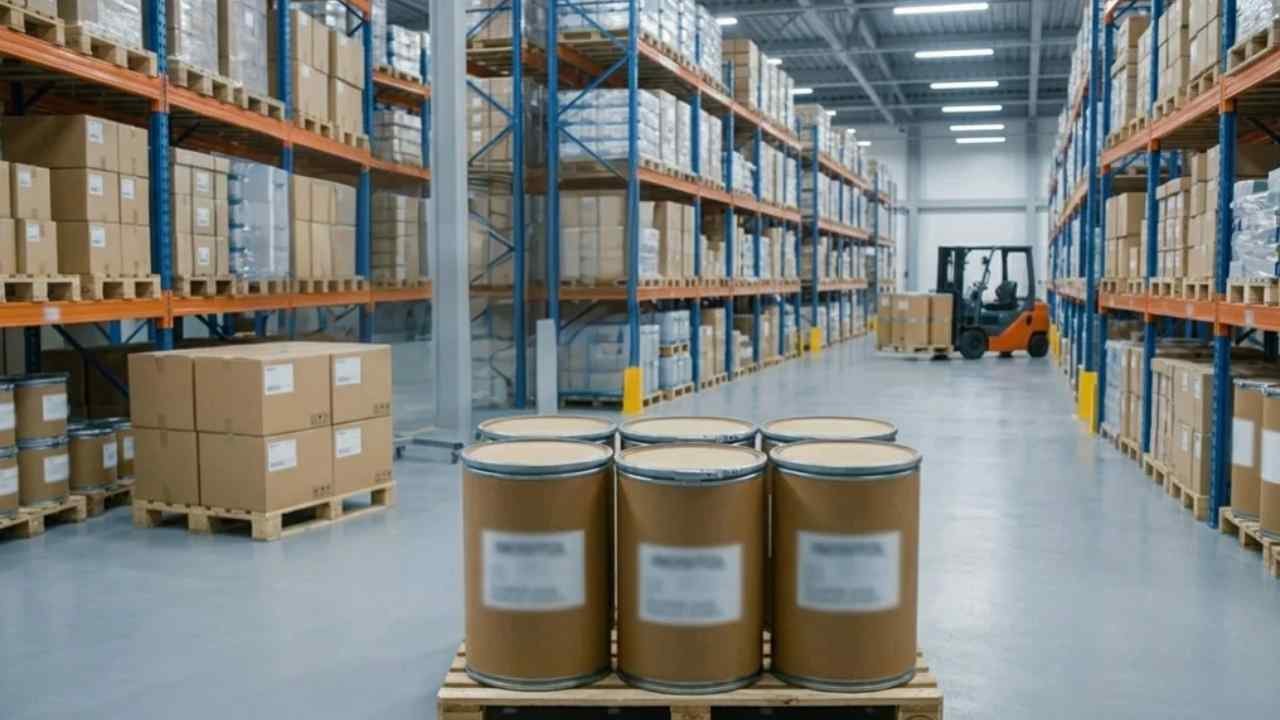
Traceability is ensured through a paper trail of Transaction Certificates (TCs) and batch-specific "Lot Numbers." Every drum is labeled with a code that links to the harvest date and farm ID. Digital logs and QR codes are used to provide real-time verification of the organic supply chain.
Dive Deeper into Traceability Systems
I see that "Transparency" is the core of the organic business. If you cannot trace it, it is not organic. I visit the factories to check their "Inward Goods" logs. Every bag of organic phytin that enters the plant has a unique code. When the Inositol is finished, it gets a new "Batch Number." This number is the key. It allows me to look back and see exactly which farm the corn came from. I act as your technical partner to verify these logs. This level of detail is essential for my wholesale clients in Europe and the USA who must follow strict food safety laws.
Digital traceability5 is the new trend I am pushing. Many of my partner factories now use QR codes on every drum. I can scan a code with my phone and see the lab report and the organic status instantly. This reduces the risk of human error or fake paperwork. I also oversee the "Retention Sample" system. The factory must keep a sample of every organic batch for two years. If there is a quality complaint later, we can test the original sample. This professional approach protects your brand from scams. I prioritize factories that use a "Mass Balance" system. This means they cannot sell more organic Inositol than the amount of organic raw material they bought. This prevents "Fraudulent Mixing" and ensures you get what you pay for.
| Traceability Tool | Information Provided | Quality Role |
|---|---|---|
| Lot Number | Production date/time | Link to specific lab test |
| Farm ID | Origin of the corn | Verify organic farm status |
| TC (Shipment) | Legal organic proof | Match with invoice/BOL |
| Cleaning Logs | Machine wash status | Ensure no cross-contamination |
| QR Codes | Instant digital data | Verify data authenticity |
| Mass Balance | Volume verification | Prevent mixing with standard |
Conclusion
Organic Inositol demand is rising as global consumers prioritize clean labels and safety. I manage certifications, production audits, and traceability at FINETECH to ensure your premium brand maintains its integrity and market value.
-
USDA Agricultural Marketing Service – Official page for the NOP, detailing the regulations and enforcement of organic standards in the United States. ↩
-
Non-GMO Project – Official site explaining the verification standards for products produced without genetic engineering to ensure transparency in the food supply. ↩
-
Britannica – Scientific overview of hydrolysis, the chemical process of decomposition involving the splitting of a bond and the addition of water. ↩
-
Mayo Clinic – Medical guide to prenatal vitamins, explaining their nutritional role, benefits, and importance for maternal health during pregnancy. ↩
-
FAO of the United Nations – Technical document defining the importance and standardized requirements of food traceability in global supply chains. ↩