
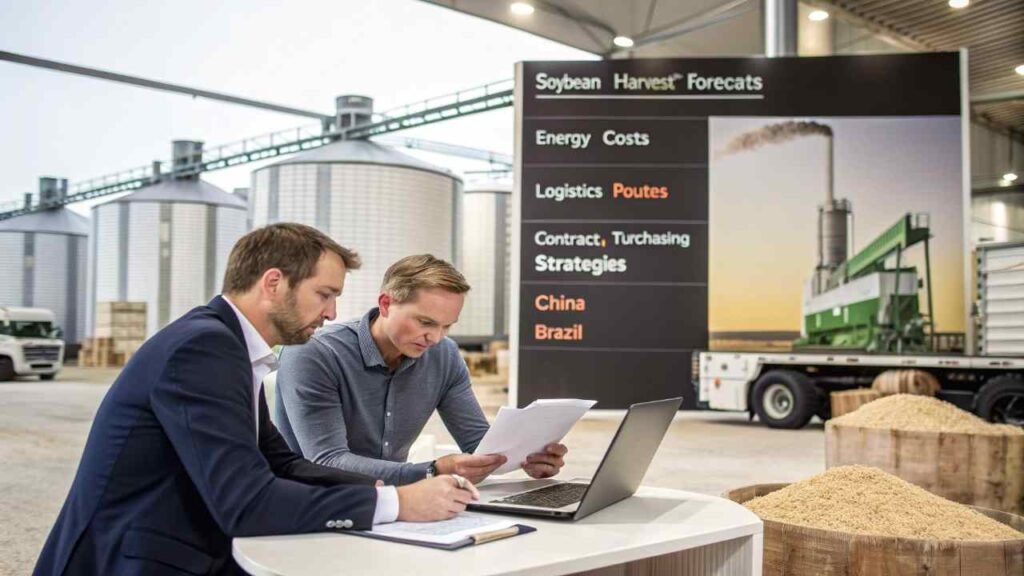
Unstable soy protein prices destroy your profit margins and disrupt your production. Missing the right buy time leads to massive financial loss. I show you how to master price trends today.
Isolated soy protein prices are influenced by raw soybean costs, energy prices, and logistics. Buyers use these trends to time bulk purchases, shifting between spot buying and fixed-rate contracts. Monitoring energy caps and crop yields in China and Brazil is essential for securing competitive pricing and stable supply.
I manage factory selection and oversee production for my B2B clients at FINETECH. I visit Chinese plants to audit their production lines because your brand safety depends on technical facts. I want to share the technical reality of Isolated soy protein prices so you can secure your supply chain.
What causes fluctuations in Isolated soy protein prices?
Sudden price spikes leave you with empty warehouses or expensive stock. These market shifts happen without warning and hurt your budget. I identify the technical causes behind these price swings.
Fluctuations are caused by the cost of steam and electricity for spray drying, global sea freight rates, and supply-demand imbalances. In China, environmental policies and energy consumption caps often lead to sudden production halts, which reduces supply and pushes market prices higher for international buyers.
Dive Deeper into Production Cost Variables
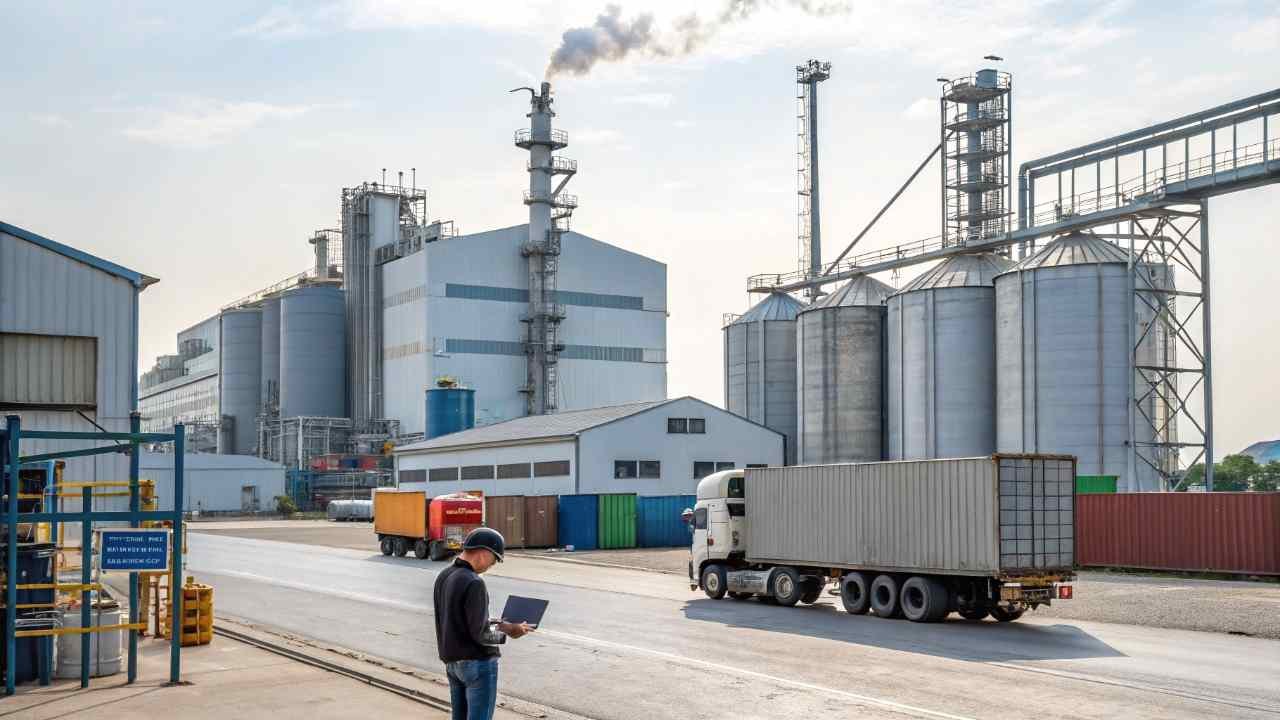
I see that production costs are the main driver of ISP prices. Isolated soy protein requires a lot of heat. Factories use coal or natural gas to run their spray-drying1 towers. When energy prices go up in China, the factory must raise the price of the protein. I visit these factories to monitor their energy sources. I act as your technical advisor to check the local energy market. This helps you understand why your quote changed from last month. Environmental rules are also a big factor. The Chinese government sometimes limits factory hours to reduce pollution. This lowers the total supply in the market. I prioritize factories with high-end waste treatment. These plants can run longer during environmental inspections. This ensures your supply is not cut off suddenly.
Freight is another technical cost. ISP is a bulky product. A small change in container rates adds a lot of cost to every ton. I track the shipping lines to find the best window for your export. I also watch the global meat processing demand. When more people buy ham or sausages, the demand for ISP grows. This competition for stock leads to higher prices. I monitor these market waves for my clients in the Middle East and Southeast Asia. I also check the "Operating Rate" of the big plants. If factories only run at 50% capacity, the unit cost goes up. I help you pick the right time to buy by watching these technical signals.
Primary Drivers of Market Fluctuations
| Cost Driver | Technical Impact | Risk Level | FINETECH's Monitoring Strategy |
|---|---|---|---|
| Energy Price | Spray drying fuel costs | High | Monitor China natural gas rates |
| Freight Rates | Landed cost per ton | High | Track SCFI shipping index daily |
| Env. Policy | Production shutdowns | Moderate | Audit factory emission compliance |
| Processing Demand | Stock availability | Moderate | Track global meat industry news |
| Operating Rate | Manufacturing efficiency | Low | Visit plants to check active lines |
| Chemical Costs | Extraction solvent prices | Low | Monitor acid and alkali markets |
How do soybean costs impact Isolated soy protein pricing?
High raw material costs force your protein prices up. You cannot control the weather in Brazil, but it affects your budget. I explain the link between beans and isolate.
Soybean meal makes up over 60% of ISP production costs. Prices are tied to CBOT (Chicago Board of Trade) soybean futures. Droughts or low yields in Brazil and the USA reduce meal availability, directly increasing the factory's raw material costs and final export prices for isolate.
Dive Deeper into Raw Material Linkage
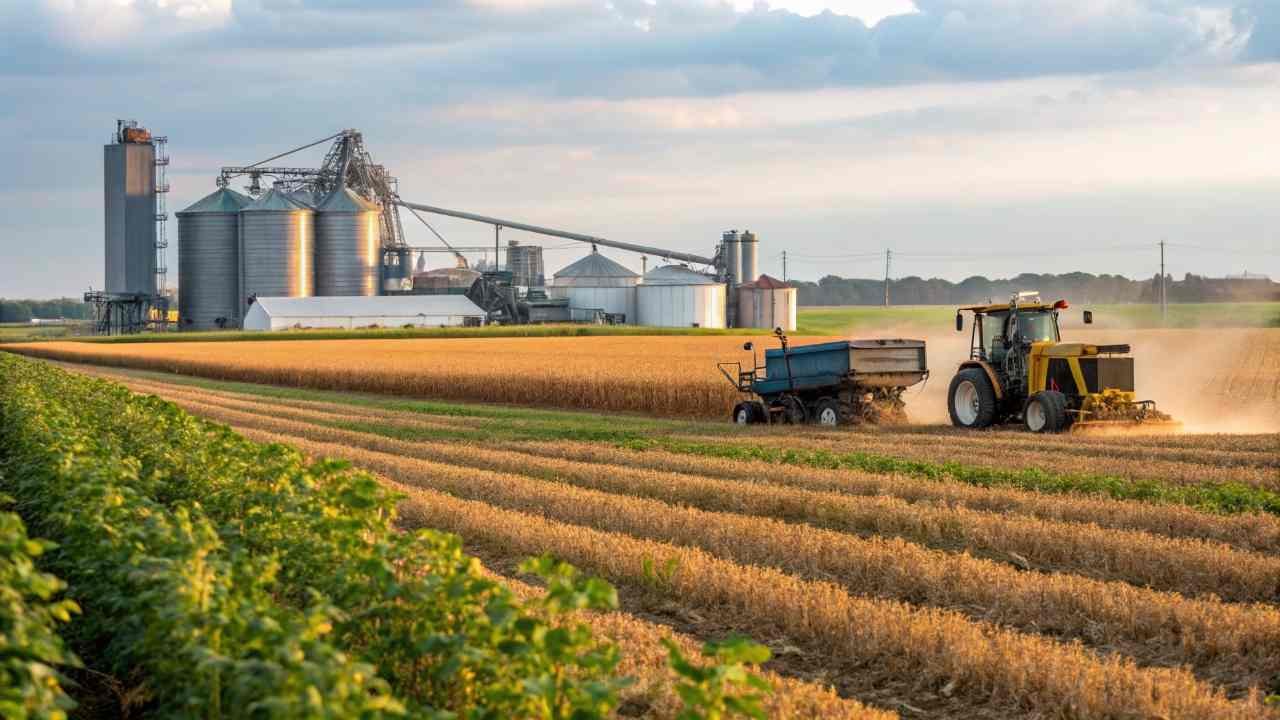
I see that ISP is a downstream product of the soybean crush. Factories buy soy meal and extract the protein. If the bean price goes up, the meal price follows. I track the USDA crop reports2 for my clients. These reports show the health of the soy crops in South America and the USA. I act as your strategic office to predict price hikes before they happen. If the harvest in Brazil is small, I suggest buying your stock early. I also watch the "Crush Margin3." This is the profit a factory makes from beans. If the margin is low, factories stop production to avoid losses. This lowers the market supply.
I visit the crushing plants to see their stock levels. I want to know how much meal they have in the silos. This technical data is vital for your planning. I also monitor the animal feed market. Soy meal is a main ingredient for pig and chicken feed. If meat prices are high, farmers buy more meal. This leaves less for the protein factories. I pick factories that have their own crushing lines. This vertical integration keeps their raw material supply stable and their prices competitive. Plus, I check the protein content of the raw beans. If the beans have low protein, the factory needs more beans to make the same ton of isolate. This pushes the price even higher. I use these technical details to give you a clear price forecast.
Soybean Market Influence on ISP
| Factor | Technical Detail | Impact on ISP Price | FINETECH's Value |
|---|---|---|---|
| CBOT Futures | Global bean price index | Immediate | Alert clients to price spikes |
| Soy Meal Yield | Protein % in the bean | Moderate | Audit factory raw material specs |
| Feed Demand | Soy meal competition | Moderate | Track livestock industry trends |
| Harvest Cycles | Brazil vs USA timing | Seasonal | Suggest bulk buy windows |
| Crush Margin | Factory profitability | High | Predict production halts early |
| IP Logistics | Identity Preservation cost | Low | Manage Non-GMO bean sourcing |
Why do non-GMO and organic Isolated soy protein products cost more?
Using the wrong soy grade leads to legal fines in Europe. Buying low-quality "Non-GMO" often leads to contamination risks. I show you why premium grades require a higher budget.
Non-GMO and organic ISP cost 20% to 50% more due to identity preservation (IP) costs and lower crop yields. These products require dedicated production lines, strict lab testing to prevent cross-contamination, and expensive annual certifications like USDA Organic or Non-GMO Project Verified to meet global standards.
Dive Deeper into Premium Grade Costs
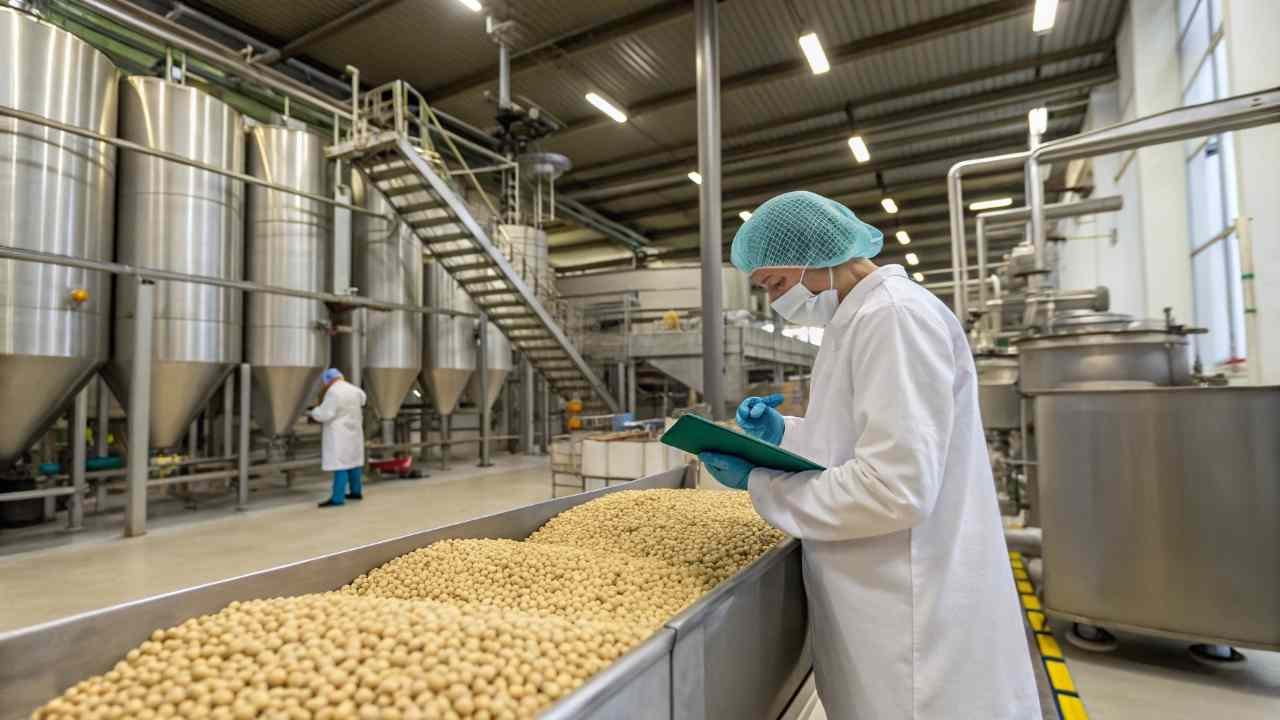
I see that "Traceability" is what you pay for in premium grades. Non-GMO soybeans must be grown away from GMO fields. This requires "Buffer Zones." Farmers get lower yields from these crops. I act as your quality gatekeeper to audit these farm sources. Factories must also run these batches separately. This is a technical challenge. The machines must be cleaned for 24 hours between GMO and Non-GMO runs. This "Wash-out" time is expensive. I visit the factories to verify these cleaning logs. I also check the PCR (Polymerase Chain Reaction)4 tests. This is a lab test that finds GMO DNA. If the test is positive, the product is useless for the EU market.
I prioritize factories that have dedicated "Non-GMO Only" production lines. This removes the risk of mixing. Organic ISP is even more technical. It uses zero chemical solvents during extraction. The factory must use physical or water-based methods. These methods are less efficient. This means the factory gets less protein from every ton of meal. I oversee these refining steps to ensure the product matches your "Clean Label" needs. The certification fees for Organic and Non-GMO status also add to the cost. Auditors from the USA or Europe must visit the plant in China every year. I ensure all certificates are up to date before you pay. I also check the "Mesh Size." Premium grades often require finer milling. This takes more time and energy. All these technical steps build the final higher price.
Cost Differences for Premium Grades
| Cost Factor | Conventional ISP | Non-GMO / Organic | FINETECH's Technical View |
|---|---|---|---|
| Raw Material | Mass market beans | Certified IP beans | Higher farm premium cost |
| Line Cleaning | Minimal | 24-hour deep clean | Increases labor and downtime |
| Testing | Standard assay | PCR DNA testing | Prevents regulatory rejection |
| Extraction | Chemical solvent | Water / Enzyme based | Lower yield increases price |
| Certification | Basic ISO/GMP | USDA / EU Organic | High annual audit fees |
| Storage | Standard silos | Segregated storage | Prevents cross-contamination |
How can buyers negotiate stable Isolated soy protein contract pricing?
Last-minute buying puts you at the mercy of the market. High spot prices drain your cash flow and slow your growth. I share the negotiation strategies for stable costs.
Buyers negotiate stable pricing by using annual volume commitments and fixed-price contracts for 3-6 months. Direct partnerships with Chinese manufacturers, facilitated by strategic partners like FINETECH, allow for "cost-plus" pricing models. This reduces exposure to spot market spikes and ensures a guaranteed production slot.

Dive Deeper into Contract Negotiation
I see that "Commitment" is the key to price stability. If you buy drum by drum, the price will always move. I suggest my B2B clients use "Framework Agreements." We do not fix the price for the whole year. We fix the "Volume" and the "Pricing Formula." This formula links the ISP price to the soybean meal market. I act as your negotiator to get these terms from the big factories. I visit the factory owners to secure these deals. They like stable buyers who order every month. In exchange, they give you a better rate.
I also suggest "Forward Contracts." You can buy your 6-month stock when the bean price is low. The factory stores the goods and ships them as you need them. I oversee the storage conditions to ensure the protein stays fresh. I also use "Tiered Pricing." If your volume grows, the price goes down. This helps your cash flow as you scale up. I also manage the "Currency Risk." I negotiate prices in USD to avoid CNY fluctuations. This makes your budgeting much easier. I provide my clients with a "Price Forecast" every month. This helps you decide when to sign a long-term deal and when to wait. I also check the "Force Majeure5" clauses. I ensure the contract protects you if there is a shipping crisis. This professional oversight keeps your supply chain safe and affordable.
| Strategy | Technical Detail | Result for Buyer | FINETECH's Role |
|---|---|---|---|
| Fixed-Rate | Fix price for 3 months | Stable production cost | Secure price at market low |
| Volume Rebate | Discount for ton tiers | Higher profit margin | Negotiate better bulk rates |
| Cost-Plus | Price = Raw + Margin | Transparent pricing | Audit factory cost data |
| Forward Buy | Buy stock in advance | Avoid future hikes | Inspect reserved inventory |
| Currency Lock | Use fixed USD rate | No exchange losses | Manage financial risk |
| Logistics Fix | Fixed freight contract | Stable landed price | Coordinate with ship lines |
Which global market trends are shaping Isolated soy protein prices?
Ignoring global shifts leaves you behind your competitors. New regulations or diet trends change the market overnight. I highlight the trends that will impact your future costs.
Trends like the "Clean Label" movement and the rise of plant-based meats in Southeast Asia are increasing demand. Simultaneously, new EU deforestation regulations (EUDR) are changing how soy is sourced. These factors drive the demand for certified, traceable ISP, leading to a long-term upward trend in premium grade pricing.
Dive Deeper into Market Trends
I see a big shift toward "Functional" protein. Buyers in the Middle East and Russia are moving away from basic ISP. They want ISP that has high "Gelling" or "Emulsion" properties. These specialty proteins require more refining time. This adds to the technical cost. I visit the labs to check these "Functionality Logs." I ensure the factory uses the right enzymes for your specific meat or beverage recipe. Another trend is the "ESG6" (Environmental, Social, and Governance) movement. Large buyers now want to know the carbon footprint of their protein. Factories are investing in solar power and green energy. This investment will increase the base price of ISP in the coming years.
I act as your strategic office to find these "Green" factories early. I also watch the "Alternative Protein" market. Pea and rice proteins are competing with soy. If pea protein gets cheap, the demand for soy might drop. I monitor these price gaps to help you switch ingredients if it saves you money. I also track the "Export Policies" in China. Sometimes the government adds taxes to exports to keep food cheap inside the country. I stay close to the customs agents to get this news fast. Plus, I monitor the "Infant Formula" market. This sector needs ultra-high purity ISP. When this market grows, the supply of pharma-grade isolate gets tight. By understanding these trends, I help you stay ahead of the price curve. I provide the technical data you need to make smart, long-term buy decisions.
| Global Trend | Technical Impact | Price Effect | FINETECH's Strategy |
|---|---|---|---|
| Clean Label | No chemicals used | Long-term increase | Source organic early |
| EUDR Law | Traceable soy sources | Higher premium | Audit farm GPS coordinates |
| Plant-Based | High demand in SEA | Upward pressure | Reserve capacity in Q1 |
| Green Energy | Solar/Wind factory use | Slight increase | Pick eco-friendly plants |
| Functional ISP | Specialized enzymes | Higher unit price | Match grade to recipe |
| Pea Protein | Sourcing competition | Market price ceiling | Compare rice/pea prices |
Conclusion
Mastering Isolated soy protein price trends requires monitoring energy, soybean crops, and global regulations. I manage these technical factors at FINETECH to ensure your bulk purchasing is stable, safe, and profitable.
-
ScienceDirect – Engineering and food science overview of spray-drying, the primary method for producing soy protein isolate powder. ↩
-
USDA NASS – Official agricultural publications tracking global crop health and yields, essential for protein price forecasting. ↩
-
Investopedia – Business definition of the crush margin/spread, which dictates the profitability of processing soybeans into meal and isolate. ↩
-
NHGRI (NIH) – Technical overview of PCR testing, used in food labs to verify the non-GMO status of raw soy materials. ↩
-
Investopedia – Legal overview of Force Majeure clauses that manage liability in the event of unforeseen international trade disruptions. ↩
-
CFA Institute – Professional guide to the principles of ESG investing and corporate sustainability, which are increasingly impacting global food supply chains. ↩