

Inconsistent soy protein ruins your meat emulsion and clogs your machines. One bad batch leads to production downtime and massive financial losses. I show you how to audit quality effectively.
Buyers must check protein content (min 90%), moisture (max 7%), and functional properties like gelling or emulsification. Verification of ISO/GMP certificates, Non-GMO status, and correct export documentation like Health Certificates is essential for a safe, compliant, and cost-effective bulk soy protein import from China.
I manage factory selection and oversee production for my B2B clients at FINETECH. I visit Chinese plants to audit their labs because your brand safety depends on technical accuracy. I want to share the technical facts about Isolated Soy Protein (ISP) so you can secure your supply chain and protect your profit margins.
What specifications are commonly required for Isolated soy protein imports?
Choosing the wrong protein grade leads to weak textures in your food products. This technical mistake destroys your brand quality. I explain the critical specifications you need to monitor.
Common specifications for Isolated Soy Protein include a protein content of ≥90.0% (dry basis), moisture levels ≤7.0%, and ash content ≤6.0%. Buyers must also specify the particle size (mesh), and functional traits like high-gel or low-viscosity depending on the final food application.

Dive Deeper into Technical Specifications
I see that "90% Protein" is the industry standard, but the details matter more. We use the Nitrogen-to-Protein factor1 of 6.25 to calculate the assay. If the factory uses a different factor, your results will be wrong. I act as your technical eyes to verify these lab tests. Moisture is also a big risk. If the moisture is above 7%, the powder will clump in your warehouse. This makes it hard for your machines to mix it into your recipe. I ensure the factory uses vacuum drying technology to keep the moisture low and the powder free-flowing.
Functional properties are the second part of the spec. Isolated Soy Protein is not just one product. It is a family of products. "High-Gel" ISP is for sausages and hams. It creates a firm texture when you heat it. "Injection" grade ISP has a very low viscosity. You use it to inject brine into chicken or beef. I visit the factories to check their "Gel Strength" tests. We use a machine called a texture analyzer. I also check the "Emulsification" power. This tells us how well the protein holds water and oil together. If the emulsification is weak, your fat will separate from the meat. I use these technical markers to pick the best factories for my wholesale clients in Southeast Asia and the Middle East.
Standard ISP Specification Benchmarks
| Parameter | Standard Food Grade | FINETECH's Quality Target | Why It Matters |
|---|---|---|---|
| Protein (Dry Basis) | ≥ 90.0% | 90.5% - 92.0% | Confirms chemical potency |
| Moisture | ≤ 7.0% | 5.5% - 6.5% | Prevents clumping in storage |
| Ash Content | ≤ 6.0% | ≤ 5.0% | Measures mineral impurities |
| Fat Content | ≤ 1.0% | ≤ 0.8% | Affects shelf life and odor |
| pH Value | 6.5 - 7.5 | 7.0 (Neutral) | Ensures performance in meat |
| Particle Size | 100 Mesh | 100 - 120 Mesh | Affects dissolution speed |
Which export documents are necessary for Isolated soy protein shipments?
Missing paperwork results in port storage fees and customs seizures. These delays eat your profits and frustrate your logistics team. I identify the mandatory documents for every shipment.
Essential export documents for Isolated Soy Protein include the Bill of Lading, Commercial Invoice, Packing List, Certificate of Analysis (COA), and Health Certificate. Depending on the destination, you may also need a Certificate of Origin (Form E or P) and Non-GMO certification.

Dive Deeper into Mandatory Documentation
I see that "Document Accuracy" is the core of a smooth import. For my clients in Saudi Arabia and the UAE, the Health Certificate is the most important paper. It proves the product is safe for humans. I act as your strategic office to verify these papers with the Chinese authorities. I also oversee the "Certificate of Origin." For my buyers in Southeast Asia, like Indonesia or Vietnam, we use "Form E." This document helps you get lower import taxes under trade agreements. If the stamp is wrong, you pay the full tax rate. I check every letter on the form before the ship leaves the port.
Non-GMO certification is another technical requirement. Many markets in Europe and Korea do not allow GMO soy. I look for factories that have "IP" (Identity Preservation) certificates. This proves the soy was grown from non-modified seeds. I also check the "Halal" and "Kosher" certificates. For the Middle East, a Halal certificate from a recognized body is mandatory. I visit the factories to ensure they follow these religious rules in their production. I also ensure the batch number on the COA matches the batch number on the bags. If these do not match, customs will block your cargo. I provide my own oversight to ensure all documents are perfect for your specific port.
| Document Name | Technical Purpose | FINETECH's Role |
|---|---|---|
| Bill of Lading (BOL) | Title to the goods | Verify shipping dates |
| Commercial Invoice | Tax and payment proof | Check HS codes and prices |
| Certificate of Analysis | Proves purity specs | Match with physical batch |
| Health Certificate | Safety verification | Verify with CIQ authority |
| Non-GMO Certificate | Seed source proof | Check PCR lab test results |
| Form E / Form P | Tax reduction | Verify trade agreement use |
How can buyers verify the authenticity of Isolated soy protein products?
Adulterated protein with cheap fillers like starch ruins your nutritional claims. This fraud causes legal trouble and health risks. I show you how to verify pure soy protein isolate.
Buyers verify authenticity through independent third-party lab tests (SGS or Intertek) checking the Nitrogen-to-Protein ratio. Verifying the factory's ISO/GMP certifications and scanning batch-specific QR codes on packaging provides further proof of origin and high refining standards in the supply chain.

Dive Deeper into Authenticity Verification
I see that "Protein Adulteration" is a risk when prices are high. Some bad suppliers might add nitrogen-rich chemicals or cheap starches to the powder. I act as your technical partner to prevent this fraud. I prioritize factories that use the "Kjeldahl method2" for protein testing. This is the gold standard in the lab. I also suggest doing a "Starch Test." If you add iodine to a sample and it turns blue, there is starch inside. Pure ISP should not turn blue. I visit the labs in China to see these tests in action. This ensures you get the 90% protein you paid for.
Physical traits are also a good way to check. Pure Isolated Soy Protein is a light yellow or cream-colored powder. It should have a very mild soy smell. If the smell is too strong or "beany," the refining was poor. If the powder is too white, it might be bleached with chemicals. I oversee the sensory profile of every batch. I also suggest using third-party inspectors like SGS. They go to the factory and pick samples at random. They do not let the factory choose the best bag. I act as your coordinator to manage these inspections. This unbiased proof keeps your supply chain honest and your brand safe from scandals.
| Verification Step | Technical Method | FINETECH's Observation |
|---|---|---|
| Protein Assay | Kjeldahl N x 6.25 | Verify in ISO certified lab |
| Starch Check | Iodine solution test | Confirms zero fillers added |
| Amino Acid Profile | Chromatography | Matches soy protein profile |
| Color and Odor | Sensory evaluation | No beany smell or bleaching |
| Microbial Safety | Plating and incubation | No salmonella or e.coli |
| Factory Audit | On-site inspection | Check GMP and ISO logs |
What packaging standards should exported Isolated soy protein meet?
Torn bags and moisture ingress lead to mold growth in your protein. These damaged goods are useless for production. I list the technical packaging rules that protect your cargo.
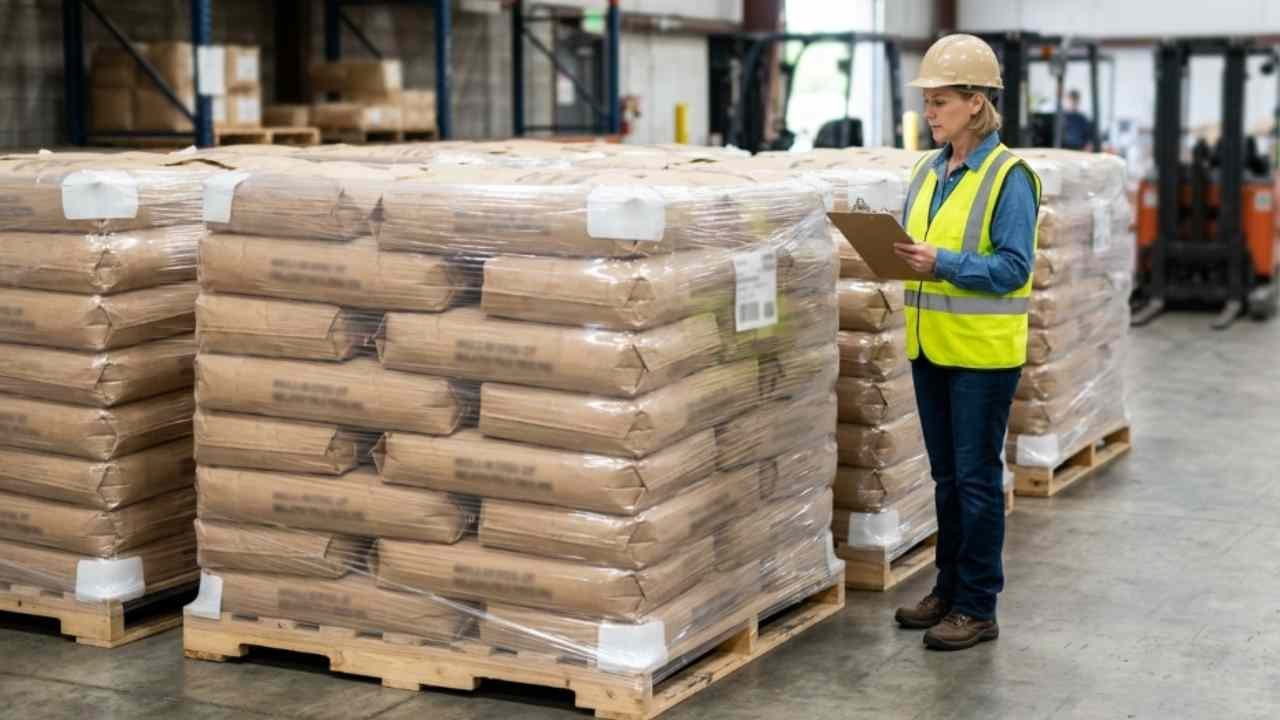
Exported Isolated Soy Protein must be packed in multi-wall kraft paper bags with an inner PE (polyethylene) liner, typically in 20kg or 25kg sizes. Pallets should be heat-treated (IPPC), shrink-wrapped, and secured with corner protectors to prevent physical damage and moisture during transit.
Dive Deeper into Packaging Standards
I see that "Packaging Integrity" is the last line of defense for your product. Soy protein is "hygroscopic3." This means it likes to absorb water from the air. I visit the packing lines to check the inner PE liner thickness. It should be at least 0.05mm thick. I also check the sealing method. We use heat-sealing or high-strength sewing. If the seal is weak, the powder will leak out and moisture will enter. I act as your strategic office to ensure the outer bag is multi-wall kraft paper. This material is strong and resists tearing when workers handle it at the port.
Palletization is another technical detail. For shipments to Russia or Europe, the pallets must have the IPPC4 stamp. This proves they were heat-treated to kill bugs. I oversee the "Shrink Wrapping" process. We use multiple layers of plastic film to tie the bags to the pallet. I also suggest using "Corner Protectors." These are hard cardboard pieces that protect the bags from being crushed by the straps. I visit the loading area to check the container hygiene. The container must be dry and have no odors. If the container was used to carry chemicals before, your soy protein will absorb the smell. I use these checks to ensure your ISP arrives in "Top Quality" condition every time.
| Packaging Component | Standard Requirement | FINETECH's Quality Check |
|---|---|---|
| Inner Liner | Food-grade PE bag | Check thickness (microns) |
| Outer Bag | 3-layer Kraft Paper | Audit burst strength |
| Bag Weight | 20kg or 25kg | Check weighing machine logs |
| Pallet Type | Plastic or Heat-Treated | Look for the IPPC stamp |
| Protection | Shrink wrap + Corners | Monitor palletizing line |
| Sealing | Heat seal or Sewing | Verify seal strength |
How can importers avoid customs clearance issues with Isolated soy protein?
Wrong HS codes or incorrect labeling trigger heavy fines from customs agents. These legal blocks stop your supply chain. I show you how to clear customs without any stress.
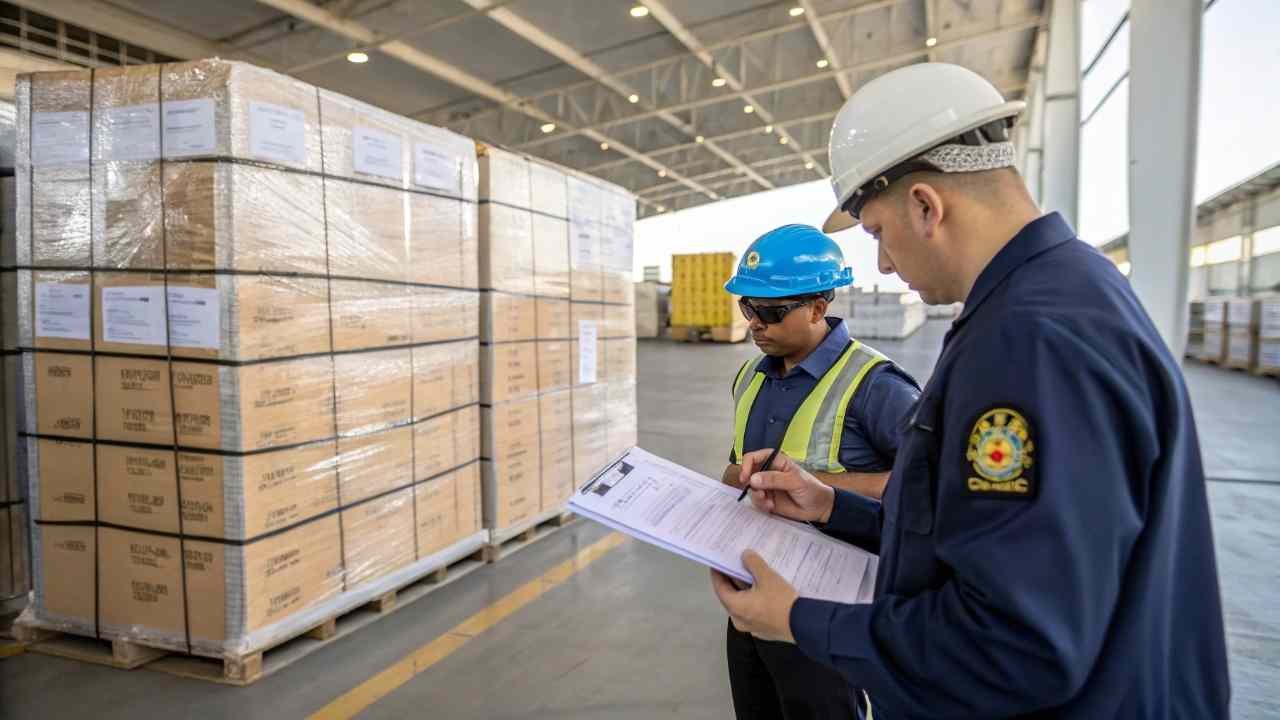
Importers avoid customs issues by using the correct HS Code (3504.00.90), ensuring labels include manufacturing and expiry dates in the correct format, and pre-verifying certificates with local health authorities. Providing a clear Non-GMO statement and matching the COA to the physical batch is critical.
Dive Deeper into Customs Compliance
I see that "HS Code5" is the most important number in trade. For Isolated Soy Protein, we usually use 3504.00.90. This code identifies the product as a protein isolate. If you use a code for a "Food Preparation," your tax might be different. I act as your technical coordinator to ensure the code on the invoice matches the code in your country's system. I also watch the "Labeling Laws." For my clients in the Middle East, labels must have Arabic text. For Europe, the label must list the "Nutritional Facts" and the allergens. I check these labels before the factory prints them. One small error can lead to a total shipment rejection.
Matching the batch is the second secret to fast clearance. Customs officers often check one bag from your container. They look at the batch number on the bag and then look at your COA. If these numbers are different, they will think you are hiding something. I oversee the "Batch Matching" at the factory warehouse. I also help you with "Pre-Clearance." I suggest sending a digital copy of all documents to your customs broker before the ship arrives. They can find problems early while the ship is still at sea. This proactive approach saves you time and port fees. I visit the logistics offices to ensure the "Document Package" is complete. This technical rigor ensures your soy protein enters your country without any legal delays.
| Compliance Step | Technical Requirement | FINETECH's Value |
|---|---|---|
| HS Code Check | 3504.00.90 (Isolate) | Advise on regional taxes |
| Labeling Audit | Local language / Allergens | Check for Arabic/EU compliance |
| Batch Matching | Bag No. = COA No. | Physical warehouse check |
| Date Format | Prod / Exp Date format | Match your local customs rule |
| Cert Verification | Halal / Non-GMO status | Check cert validity dates |
| Broker Liaison | Pre-clearance review | Send docs 2 weeks early |
Conclusion
Bulk Isolated Soy Protein imports require strict checks on specifications, documentation, and packaging. I manage these technical steps at FINETECH to ensure your supply chain is safe, compliant, and cost-effective.
-
FAO – Technical report on food energy and protein methods, explaining why the 6.25 conversion factor is the international standard for most food proteins. ↩
-
Amrita Virtual Lab – Educational guide on the Kjeldahl method, the standard laboratory procedure for determining the nitrogen content in organic substances. ↩
-
ThoughtCo – Scientific definition of hygroscopy, explaining how materials attract and hold water molecules from the surrounding environment. ↩
-
IPPC (International Plant Protection Convention) – Official standards for wood packaging materials (ISPM 15) to prevent the global spread of timber pests. ↩
-
World Customs Organization – Introduction to the Harmonized System, the universal language for classifying traded goods to ensure correct customs tariffs. ↩