
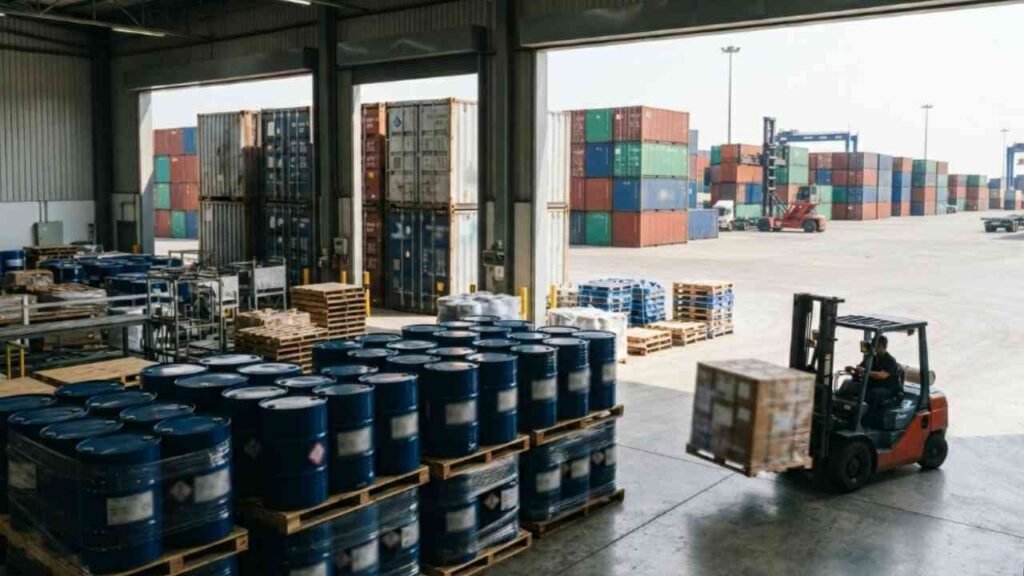
Unstable price spikes in the Vitamin B market disrupt corporate purchasing budgets and squeeze product margins. Sourcing blindly during market rallies creates extreme cost risks. Analyzing current price trends resolves this uncertainty.
The latest price trends for the Vitamin B series show a broad-based market rally in 2026. Driven by shipping freight increases, raw material shortages, and manufacturer supply tightening, prices for core vitamins like B5 and B12 are climbing rapidly from previous historical lows.
Corporate procurement operations rely on precise market timing and objective financial data. Navigating sudden pricing shifts requires a deep understanding of upstream costs. Sourcing partners like FINETECH support B2B buyers by tracking manufacturing outputs, helping clients secure optimal contract terms. This analysis details the critical price trends currently shaping the global Vitamin B series market.
Why Do Vitamin B Series Prices Fluctuate?
Unexpected price fluctuations make long-term contract planning highly risky for industrial buyers. Paying spot market premiums drains operating capital. Examining the underlying causes of volatility secures your procurement plans.
Vitamin B series prices fluctuate primarily due to high supplier concentration, sudden production shutdowns, geopolitical conflicts, and shipping freight volatility. With global supply centered in a few manufacturing hubs, any local disruption quickly triggers panic-buying and market-wide price spikes.

Dive Deeper into Market Volatility Drivers
The global Vitamin B market experiences periodic cycles of extreme price volatility1. This unstable behavior is a direct result of the high concentration of production facilities. Because a small group of chemical giants in China and Europe controls the vast majority of global output, the market remains highly sensitive to any operational changes. When a major manufacturer plans annual plant maintenance or experiences an unexpected technical breakdown, global supply drops instantly. This sudden contraction prompts downstream distributors and traders to hoard stock, which drives prices up through artificial scarcity.
Geopolitical tensions and transportation bottlenecks also play a major role in price swings. In early 2026, shipping route disruptions and rising maritime freight rates2 significantly inflated the landed costs of exported vitamins. For instance, higher trans-Pacific freight rates pushed up Vitamin B12 prices in North America, even though factory output remained relatively stable. When freight rates climb, exporters often adjust their offers to offset the added transportation costs. Sourcing managers must track these supply chain variables to avoid buying at the peak of speculative market rallies. Developing a diversified vendor network provides a critical safety net against regional price spikes.
| Volatility Trigger | Market Consequence | Severity Level | Strategic Sourcing Action |
|---|---|---|---|
| Manufacturer Concentrated Outages | Sudden global volume drops | High | Diversify across multiple certified factories |
| Ocean Freight Hikes | Elevates import landed costs | Medium to High | Negotiate favorable CFR/CIF trade terms |
| Trader Speculation | Rapid short-term price spikes | Medium | Monitor distributor inventory levels |
| Routine Plant Maintenance | Tightens supply for 4-8 weeks | Low to Medium | Purchase buffer stock 2 months in advance |
How Do Raw Material Costs Affect Vitamin B Series Prices?
Rising precursor chemical costs force vitamin factories to increase their export pricing, squeezing your margins. Unmonitored chemical shortages cause sudden pricing surprises. Analyzing raw material pathways stabilizes your purchasing budgets.
Raw material costs establish the baseline price floor for the Vitamin B series. Shortages in critical synthesis precursors, such as picoline for Vitamin B3 or specific cobalt salts for Vitamin B12, directly reduce manufacturer operating rates and push market prices upward.

Dive Deeper into Upstream Chemical Precursor Impacts
The synthesis of B-complex vitamins is a highly technical process that relies on a steady supply of upstream chemical intermediates. If the raw materials needed for synthesis become scarce or expensive, vitamin manufacturers cannot maintain low export prices. For example, Vitamin B3 (niacinamide) production is heavily dependent on picoline. When global picoline supplies are tight, Vitamin B3 prices naturally face upward pressure, even if consumer demand is soft. This dynamic establishes a clear price floor below which manufacturers will refuse to sell to protect their operating margins.
Similarly, biological fermentation of Vitamin B12 requires a stable supply of cobalt salts3 and specialized nutrient media. In early 2026, feedstock constraints and rising raw material costs in China drove up domestic Vitamin B12 prices by over five percent. When precursor costs rise, manufacturers often choose to scale back their operating rates rather than operate at a financial loss. This strategic reduction in production quickly tightens global spot availability. Sourcing teams like FINETECH monitor these precursor chemical markets. This continuous surveillance allows B2B buyers to anticipate price adjustments and secure raw materials before factory cost increases affect the final wholesale market.
| Vitamin Product | Key Upstream Raw Material | Sourcing Risk Level | Market Price Influence |
|---|---|---|---|
| Vitamin B1 | Acrylonitrile / Amidine | Medium | Tightness directly raises export base prices |
| Vitamin B3 | 3-Methylpyridine (Picoline) | High | Establishes the absolute price floor |
| Vitamin B12 | Cobalt salts / Sucrose | Medium to High | Limits fermentation yield and drives hikes |
| Vitamin B5 | Isobutyraldehyde | High | Surges in cost trigger dramatic price rallies |
How Do Energy and Manufacturing Costs Impact Vitamin B Series Pricing?
Exploding utility bills can force chemical synthesis and fermentation plants to cut production or declare force majeure. Rising utility rates inflate final product pricing. Evaluating manufacturing energy costs prevents budget shocks.
Energy and manufacturing costs significantly impact Vitamin B series pricing. The bio-fermentation processes used to produce Vitamins B2 and B12 are highly energy-intensive, meaning utility price hikes in China and Europe directly raise operating expenses and final wholesale prices.
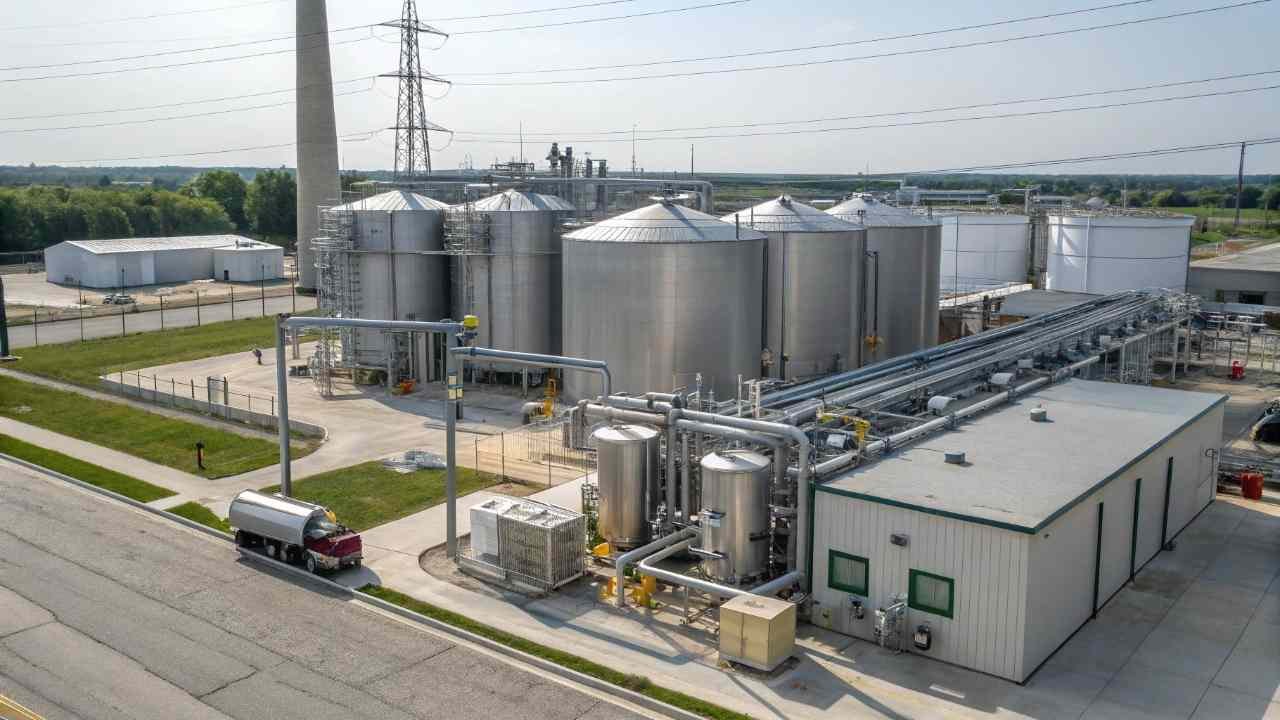
Dive Deeper into Energy-Intensive Production Dynamics
The manufacturing processes for the Vitamin B series are classified into chemical organic synthesis and microbial fermentation. Both methods consume massive amounts of industrial energy. Fermentation processes, which are used to cultivate the bacterial strains for Vitamin B2 and B12, require continuous aeration, precise temperature controls, and high-pressure steam. These requirements translate into substantial electricity and natural gas bills for manufacturing plants. When national or regional energy costs rise, these expenses are passed directly to international buyers.
This energy vulnerability is especially visible in the European market. High natural gas prices4 in Europe have historically forced local manufacturers to introduce energy surcharges or reduce production volumes. This reduction in European output often shifts global demand toward Chinese producers, which can tighten the Asian market. In China, government policies regarding coal and industrial electricity rates also heavily influence manufacturing costs. Sourcing teams like FINETECH analyze these utility trends across different production hubs. This analytical approach helps buyers determine whether to purchase from energy-stable regions, securing competitive pricing and protecting their production pipelines from regional utility crises.
| Production Method | Key Energy Driver | Heavily Affected Vitamins | Sourcing Mitigation Strategy |
|---|---|---|---|
| Microbial Fermentation | Industrial electricity | Vitamin B2, Vitamin B12 | Sourced from regions with stable power grids |
| Chemical Synthesis | Natural gas and steam | Vitamin B1, B3, B5, B6 | Track local coal and gas utility indexes |
| Purification & Drying | Thermal energy | All powder vitamin grades | Optimize order volume to consolidate shipping |
Which Market Factors Influence Vitamin B Series Prices Most?
Unanticipated changes in global tariffs and trade policies can suddenly block competitive supply routes and drive up your costs. Ignoring trade updates leaves buyers vulnerable. Identifying key market influencers secures inventory.
The market factors that influence Vitamin B series prices most are import tariffs, trade regulations, livestock feed demand, and regional environmental audits. Changes in US or EU trade tariffs directly alter the cost competitiveness of imported Chinese vitamins.

Dive Deeper into Global Regulatory and Demand Influences
Beyond manufacturing costs, global trade policies heavily dictate the final price of Vitamin B raw materials. Import tariffs are currently a major driver of regional price differences. For example, US tariffs on Chinese chemical imports have pushed up the landed costs of Vitamin B1 and B12 in North America compared to other global regions. This trade barrier forces importers to pay premium duties, creating a separate price index for the US market. Meanwhile, European buyers must monitor EU safety evaluations and REACH registrations5, which can restrict the entry of uncertified brands.
Industrial demand from the global animal feed sector is another dominant price driver. Because a massive volume of B-vitamins is consumed in intensive poultry and swine agriculture, any shifts in livestock populations directly impact market demand. If animal feed consumption drops due to livestock disease outbreaks, vitamin prices usually soften. Conversely, when the livestock sector enters an aggressive restocking phase, as seen with Vitamin B12 feed-grade in early 2026, spot prices can jump sharply by over twenty percent. Sourcing partners like FINETECH help B2B buyers navigate these trade regulations and demand cycles, ensuring that buyers purchase inventory at the most favorable times.
| Market Influencer | Mechanism of Price Impact | Affected Grade | Sourcing Action |
|---|---|---|---|
| Trade Tariffs | Increases landed cost for specific ports | Feed and food-grade | Secure alternative import origins |
| Feed Sector Demand | Large livestock restocking cycles | Feed-grade B-complex | Plan purchasing ahead of peak seasons |
| REACH Compliance | Limits European market entry | Chemical and pharma | Verify supplier European registrations |
| Environmental Audits | Restricts factory production volumes | All Vitamin B grades | Maintain a robust buffer safety stock |
What Is the Future Price Outlook for Vitamin B Series?
Guesswork in raw material procurement leads to purchasing at market peaks and wasting capital. Unprepared buyers face unexpected financial losses. Reliable market price forecasting secures your competitive edge.
The future price outlook for the Vitamin B series points toward continued firm pricing with modest upward bias through late 2026. While extreme spikes are unlikely, tight supply, ongoing trade tariffs, and robust demand will prevent prices from returning to historical lows.

Dive Deeper into Medium-Term Pricing Projections
The global Vitamin B series market is transitioning into a phase of price consolidation. After experiencing downward pressure from oversupply in previous years, the market has entered a recovery phase in 2026. Major manufacturers are demonstrating a strong commitment to defending their profit margins. Instead of engaging in aggressive price wars, producers are adjusting their output to align closely with actual downstream consumption. This disciplined production strategy is expected to support a steady price baseline for core vitamins like B1, B5, and B12 over the next twelve months.
Furthermore, rising global demand for health supplements, fortified foods, and animal nutrition will continue to provide a constructive demand outlook. As public awareness of micronutrient deficiencies grows, global consumption of Vitamin B complexes will expand steadily. Sourcing teams like FINETECH recommend that B2B buyers avoid high-risk, short-term purchasing strategies during this firm market period. Establishing long-term, fixed-price contracts ensures a guaranteed flow of raw materials at predictable rates. This proactive approach minimizes exposure to sudden spot-market spikes and helps businesses maintain stable production costs throughout the year.
| Vitamin Grade | Price Projection (Late 2026) | Market Condition | Sourcing Recommendation |
|---|---|---|---|
| Vitamin B1 (Thiamine) | Firm / Moderate increases | Tight manufacturer supply | Secure quarterly contract volumes |
| Vitamin B5 (D-Cal-Pan) | Steady after recent surges | Stabilizing after plant shutdowns | Avoid panic-buying; monitor stock |
| Vitamin B12 (Cobalamin) | Gradual upward bias | Steady demand, rising freight | Build up a 2-month safety buffer |
| Vitamin B3 (Niacinamide) | Stable at low levels | Sufficient global capacity | Purchase on standard requirements |
Conclusion
The Vitamin B market is entering a firm pricing phase in 2026. Monitoring raw material costs and partnering with a reliable sourcing team keeps your procurement costs highly predictable.
-
Food and Agriculture Organization (FAO) – GIEWS food price monitoring portal tracking global agricultural and chemical commodity price index changes and market volatility. ↩
-
UN Trade and Development (UNCTAD) – Official Review of Maritime Transport 2025, detailing global shipping route disruptions, maritime congestion, and fluctuating freight rates. ↩
-
MDPI Bioengineering – Peer-reviewed study analyzing bioprocess optimization strategies, specifically describing the direct influence of cobalt salts and 5,6-DMB on B12 synthesis during fermentation. ↩
-
International Energy Agency (IEA) – Gas Market Report Q2-2026, analyzing regional energy costs, natural gas price swings, and the downstream impact on industrial manufacturing processes. ↩
-
European Chemicals Agency (ECHA) – Official regulatory compliance framework outlining REACH registration guidelines, chemical safety evaluations, and data requirements for substances imported into the European Union. ↩