
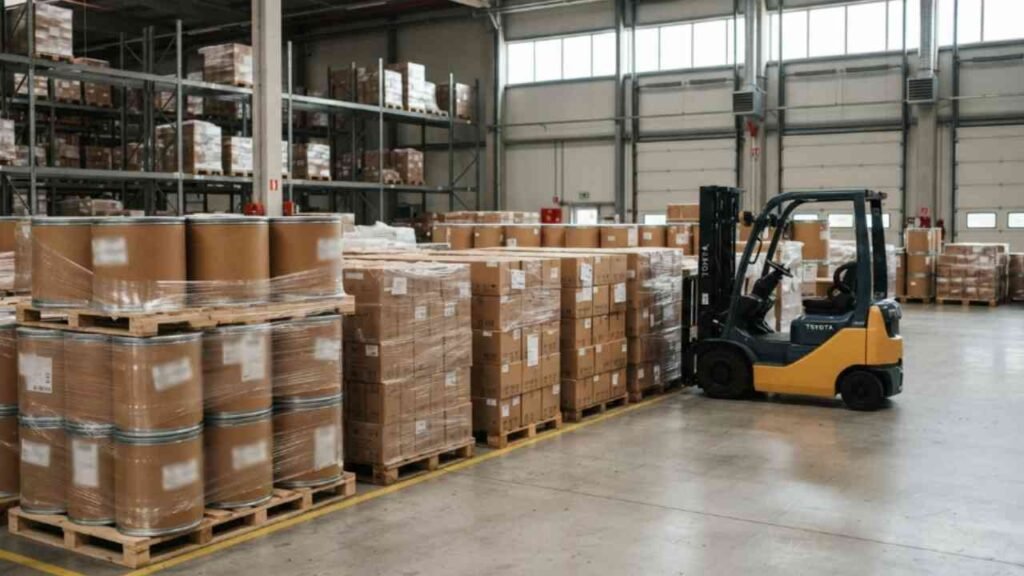
Sharp shifts in raw ingredient costs disrupt chemical purchasing budgets and erode formulation margins. Unprepared buyers risk overpaying during market turning points. Understanding current pricing trends resolves this vulnerability.
Global Vitamin C and ascorbate prices are stabilizing around USD 2.80 to USD 3.20 per kilogram in mid-2026. While historical oversupply and normalized post-pandemic demand exert downward pressure, rising production costs and disciplined supplier export limits prevent further price drops.
Maintaining structural profit margins requires precise cost analysis and timely purchasing plans. Sourcing teams like FINETECH monitor global factory capacity and ocean freight indexes to provide objective market insights. This detailed analysis covers the primary drivers shaping Vitamin C series and ascorbates pricing.
Why Do Vitamin C Series & Ascorbates Prices Fluctuate?
Relying on spot-market buying leaves chemical budgets exposed to sudden supply swings and distributor panic-buying. Unplanned price spikes increase procurement risks. Identifying these fluctuation drivers stabilizes costs.
Vitamin C series and ascorbate prices fluctuate due to high geographic production concentration in China, seasonal factory maintenance shutdowns, and speculative trader activities. Minor shifts in Chinese export volumes or factory operating rates immediately alter global market rates.

Dive Deeper into Volatility and Speculative Cycles
The global pricing structure of Vitamin C is highly sensitive to changes in supply due to extreme geographic concentration1. Because five to six massive Chinese manufacturers control over eighty percent of the global output, any shift in their production output immediately moves the market. When these chemical giants schedule annual maintenance shutdowns during the summer months, global supply drops temporarily. Spot-market buyers who did not secure contracts are forced to pay premium rates. This temporary supply squeeze often triggers market panic.
Additionally, speculative trading2 plays a major role in driving short-term price fluctuations. Distributors and traders often build up large local inventories when they anticipate environmental audits or power cuts in China. This pre-emptive hoarding drives prices up quickly. Once the factories resume normal operations, these traders quickly unload their stocks, causing a rapid price correction. For instance, global prices corrected downwards in late 2025 and early 2026 as accumulated inventories were released into the market. Sourcing partners like FINETECH assist B2B buyers by tracking these speculative inventory cycles. This active tracking allows procurement teams to purchase stock during low-demand windows, protecting budgets from speculative spikes.
| Fluctuation Driver | Market Pricing Impact | Volatility Level | Strategic Buying Action |
|---|---|---|---|
| Factory Maintenance | Restricts supply for 4 to 8 weeks | Medium | Purchase safety stock 2 months in advance |
| Speculative Hoarding | Triggers rapid, artificial price surges | High | Avoid spot buying during peak hoarding periods |
| Regional Power Cuts | Causes sudden, unpredictable shutdowns | High | Diversify suppliers across different provinces |
| Seasonal Restocking | Steady upward pressure in Q1 and Q4 | Low to Medium | Align large purchases with Q2 and Q3 low cycles |
How Do Raw Material Costs Affect Vitamin C Series & Ascorbates Prices?
Upstream agricultural shifts can silently inflate the base manufacturing costs of finished ingredients overnight. Ignoring raw feedstock trends risks budget overruns. Analyzing precursor cost structures protects margins.
Raw material costs establish the baseline price floor for Vitamin C and ascorbates. The biological synthesis of ascorbic acid relies on D-glucose derived from corn starch, meaning global corn price fluctuations directly dictate factory operating margins.
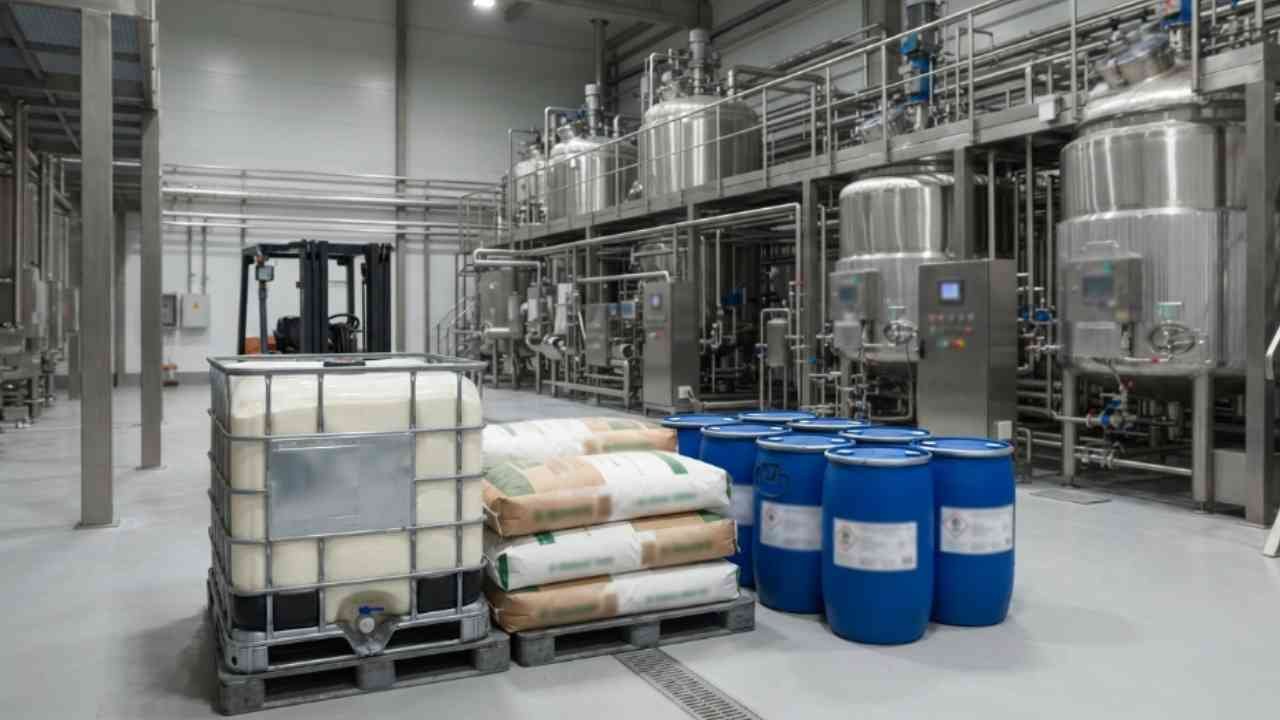
Dive Deeper into Upstream Feedstock Dynamics
The production of synthetic L-ascorbic acid and its derivative ascorbates is fundamentally linked to agricultural commodity markets. The modern two-step fermentation3 process requires D-glucose as its primary organic carbon source. Because glucose is produced by processing local corn starch, any change in corn crop yields or agricultural policies directly affects vitamin production costs. In recent years, fluctuating corn starch prices in China have put continuous margin pressure on fermentation facilities. When corn costs rise, factories face higher operating expenses and cannot afford to lower their export quotes further.
This economic reality creates a structural "price floor" below which manufacturers prefer to halt production lines rather than sell at a loss. This cost constraint was highly visible during late 2025, where firm feedstock costs prevented Vitamin C export prices from collapsing despite weak downstream global demand. Sourcing managers must track the domestic Chinese corn starch index to predict these price floors. Sourcing partners like FINETECH monitor these agricultural trends, helping B2B buyers time their bulk purchases when corn costs are low. This proactive timing secures favorable raw material cost structures for industrial manufacturers.
| Raw Precursor Material | Role in Fermentation / Reaction | Price Sensitivity | Procurement Monitoring Index |
|---|---|---|---|
| Corn Starch | Primary source of D-glucose | High | Track Chinese domestic agricultural indexes |
| Alkaline Carbonates | Neutralizes acid to produce ascorbates | Medium | Monitor bulk mineral extraction costs |
| Palmitic Acid | Esterified to make ascorbyl palmitate | Low to Medium | Track global palm oil and fatty acid trends |
| Solvents / Catalysts | Assist in purification and recovery | Low | Audit chemical industrial solvent indexes |
How Do Energy and Manufacturing Costs Impact Pricing?
High industrial utility rates can force fermentation facilities to scale back operations and raise product prices. Energy shocks inflate ingredient costs. Examining factory utility dynamics protects budgets.
Energy and manufacturing costs significantly impact Vitamin C and ascorbate pricing, as biological fermentation is highly energy-intensive. Spikes in natural gas and electricity prices directly inflate production costs, widening the price gap between European and Chinese suppliers.
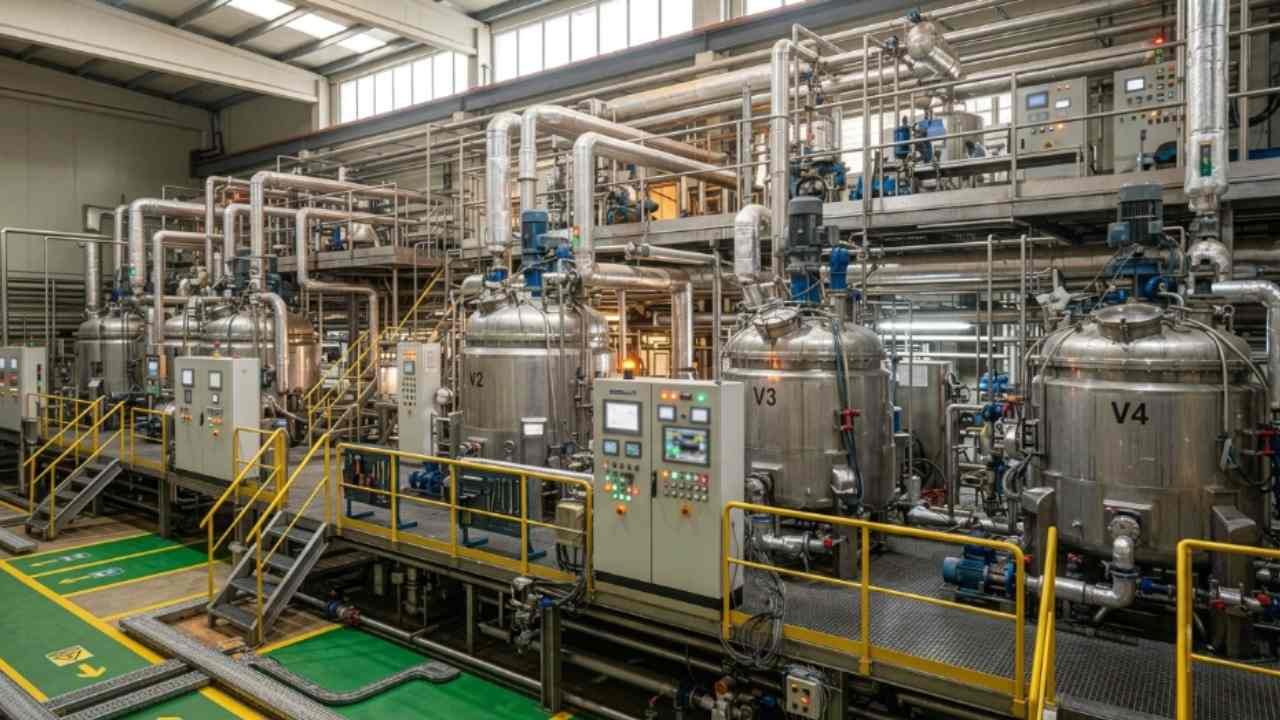
Dive Deeper into Fermentation Utility Costs
Industrial biological fermentation is a highly energy-intensive process. The microbes used to convert D-glucose into Vitamin C precursors require constant, precise temperature controls, continuous aeration, and high-pressure steam sterilization over several days. These operations consume massive amounts of electricity and natural gas. Consequently, energy costs are one of the largest variables in a factory's operating budget. This utility sensitivity is highly apparent when comparing regional manufacturers. European plants are highly vulnerable to volatile local natural gas markets, which frequently forces them to add energy surcharges to their finished products.
In contrast, Chinese manufacturers benefit from more stable domestic energy rates, allowing them to maintain highly competitive export prices. However, Chinese plants are still subject to strict seasonal environmental and power-rationing policies, which can restrict supply and push up manufacturing overheads. Sourcing teams like FINETECH analyze these utility trends to help buyers navigate regional pricing differences. Understanding these energy dynamics allows procurement managers to shift their bulk orders to the most cost-effective regions before local utility spikes trigger global price adjustments, ensuring stable landed costs.
| Energy Source | Affected Production Region | Price Impact Level | Strategic Sourcing Recommendation |
|---|---|---|---|
| Natural Gas | Europe | High | Shift bulk purchases to China during winter spikes |
| Electricity | China and Europe | Medium to High | Monitor seasonal industrial power grid policies |
| Coal Power | China | Medium | Track domestic coal price trends in north China |
| Steam / Utilities | All fermentation facilities | Medium | Choose suppliers with integrated on-site power |
What Market Factors Influence Vitamin C Series & Ascorbates Prices?
Relying on generic demand assumptions can cause businesses to buy inventory right before prices drop due to oversupply. Changing demand patterns alter costs. Analyzing market variables secures buying terms.
Vitamin C series and ascorbate prices are influenced by global supply-demand imbalances, shipping freight rates, and strict international quality compliance. Changing import tariffs and currency fluctuations also alter the final landed cost for international buyers.
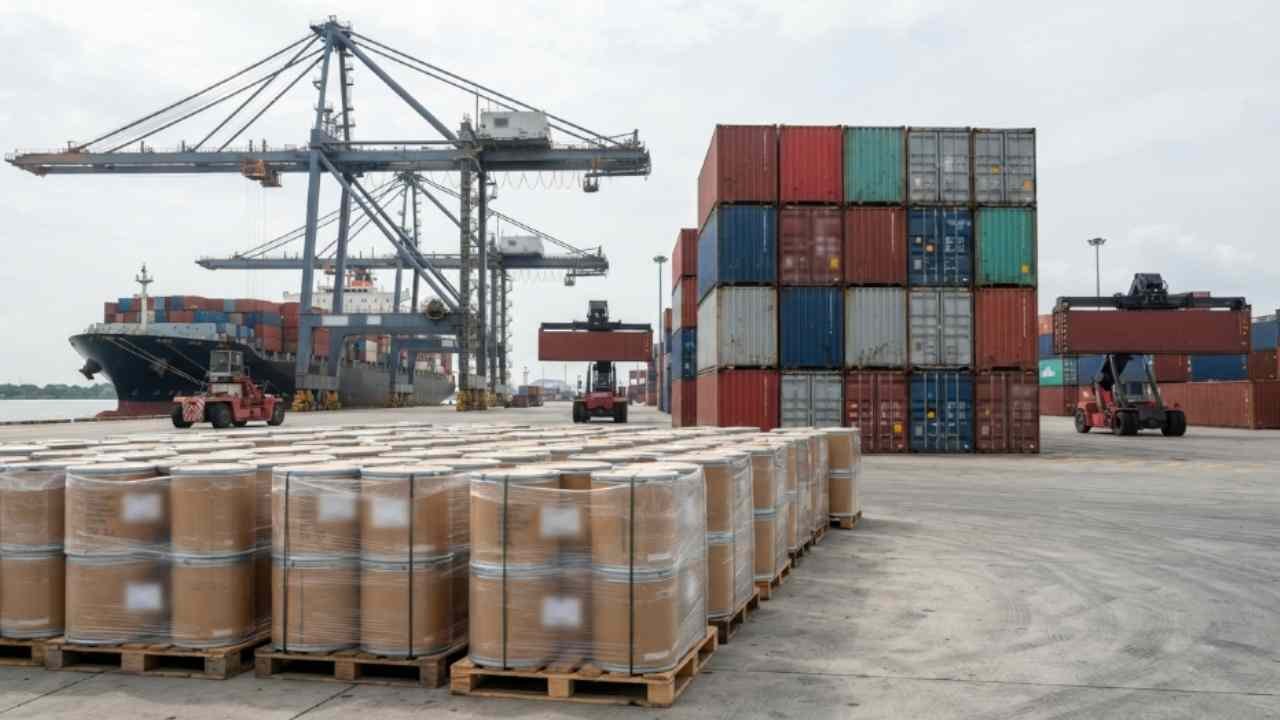
Dive Deeper into Global Market Drivers
The global price of Vitamin C is shaped by a complex mix of commercial and logistical variables. The primary market factor is the ongoing imbalance between massive Chinese production capacity and stable global demand. Post-pandemic demand has normalized across the feed, food, and dietary supplement sectors, leading to a buyers' market with subdued spot prices. However, logistics costs frequently alter this pricing. For instance, ocean freight4 hikes, container shortages, or port delays instantly raise the landed cost of imports in key destinations like the United States or Western Europe.
Furthermore, strict international quality compliance requirements divide the market into different pricing tiers. High-purity ascorbates that hold FSSC 220005, GMP, or CEP certifications command premium prices compared to standard feed-grade ascorbic acid. Buyers must also navigate trade policies, such as import tariffs on Chinese chemicals, which directly increase landed costs in North America. Sourcing partners like FINETECH help B2B buyers navigate these variables. By auditing factory compliance and organizing direct shipping routes, they help importers secure certified raw materials at competitive rates, avoiding unexpected custom delays or port fees.
| Market Influence Factor | Primary Operational Effect | Pricing Impact Severity | Strategic Sourcing Action |
|---|---|---|---|
| Ocean Freight Rates | Raises CFR prices at destination ports | Medium to High | Secure long-term ocean shipping contracts |
| Quality Certifications | Premium pricing for GMP/CEP grades | Medium | Buy standard food grade unless pharma is required |
| Import Tariffs | Increases landed costs in US/EU | High | Work with partners skilled in duty optimization |
| Supply-Demand Gap | Persistent oversupply keeps base low | Medium | Avoid long-term spot commitments during drops |
What Is the Future Price Outlook for Vitamin C Series & Ascorbates?
Purchasing bulk ingredients on short-term hunches can deplete operating budgets if prices suddenly rise. Guesswork increases procurement risks. Strategic price forecasting protects the bottom line.
The future price outlook for the Vitamin C series and ascorbates points toward gradual stabilization through 2026. While extreme price spikes are unlikely due to ample global capacity, disciplined Chinese export limits and steady demand will prevent further price declines.
Dive Deeper into Market Projections
The global Vitamin C and ascorbates market is entering a phase of price consolidation in 2026. Following several quarters of declining prices driven by oversupply, major Chinese producers are changing their strategies. To protect their margins, these manufacturers are implementing disciplined export quotas and scaling back active plant operating rates. This shift from volume-driven competition to value preservation is establishing a stable price baseline. This baseline prevents export quotes from dropping below production costs.
At the same time, global demand for Vitamin C is projected to grow at a steady compound annual growth rate of approximately 4.3% through 2034. This growth is supported by expanding applications in food preservation, cosmetics, and preventive animal nutrition. Because no major new production facilities are planned, the supply-demand balance will tighten gradually. Sourcing teams like FINETECH recommend that B2B buyers secure quarterly or annual fixed-volume agreements. Establishing these stable contractual relationships protects your business from sudden logistical surcharges or seasonal price hikes, ensuring consistent, high-quality ingredient deliveries.
| Market Variable | Projected Trend (2026-2028) | Operational Sourcing Risk | Sourcing Recommendation |
|---|---|---|---|
| Price Level | Slow, gradual stabilization | Low to Medium | Secure fixed-price annual contracts |
| Supply Output | Disciplined, matching real demand | Low | Work with diversified regional manufacturers |
| Market Demand | Steady 4.36% annual growth | Low | Plan for higher volume allocations annually |
| Landed Costs | Sensitive to freight and tariffs | Medium | Optimize logistics with mixed containers |
Conclusion
Analyzing Vitamin C price trends prevents unexpected budgeting surprises. Partnering with a reliable sourcing team keeps raw material costs stable and production lines running smoothly.
-
Organisation for Economic Co-operation and Development (OECD) – Report analyzing global trade dependencies, import concentration patterns, and localized vs. globalized supply chain vulnerabilities. ↩
-
Cornell University eCommons – Academic study evaluating how financialization, speculative trading, and market sentiment shape commodity spot prices and trigger pricing volatility. ↩
-
PubMed Central (PMC) – Scientific study on metabolic engineering of Escherichia coli, describing industrial-scale two-step fermentation processes for producing 2-keto-L-gulonic acid from D-glucose. ↩
-
UN Trade and Development (UNCTAD) – Official Review of Maritime Transport 2025, detailing global shipping route disruptions, maritime congestion, and volatile freight rates. ↩
-
Foundation FSSC – Official scheme documentation detailing food safety management frameworks, international GFSI benchmark alignments, and global registration guidelines for FSSC 22000. ↩