
High ingredient costs and sudden market shifts damage manufacturing budgets. Purchasing without analyzing price drivers risks operational losses. Understanding market variables protects supply chain margins.
Global Vitamin E series prices are driven by vegetable oil market fluctuations, raw material extraction yields, petrochemical precursor costs (for synthetic forms), advanced molecular distillation processing technologies, environmental regulations in China, and unexpected factory shutdowns.
Successful procurement operations require a deep understanding of upstream cost components to time volume purchases correctly. Buyers must track raw material trends to protect their production budgets. Sourcing partners like FINETECH simplify factory checks, oversee production, and manage quality directly in China to secure stable bulk deliveries. This guide details the primary variables driving global Vitamin E prices.
How Do Vegetable Oil Prices Influence Vitamin E Series Costs?
Relying on volatile agricultural markets makes your raw material budgets unpredictable and vulnerable to sudden cost spikes. Unchecked price changes threaten profitability. Tracking edible oil trends prevents losses.
Vegetable oil prices directly influence natural Vitamin E costs because deodorizer distillate is a refining byproduct. Volatility in global soybean, rapeseed, and palm oil markets immediately shifts the cost of the raw distillates used for tocopherol extraction.
Dive Deeper into Edible Oil Refining and Distillate Costs
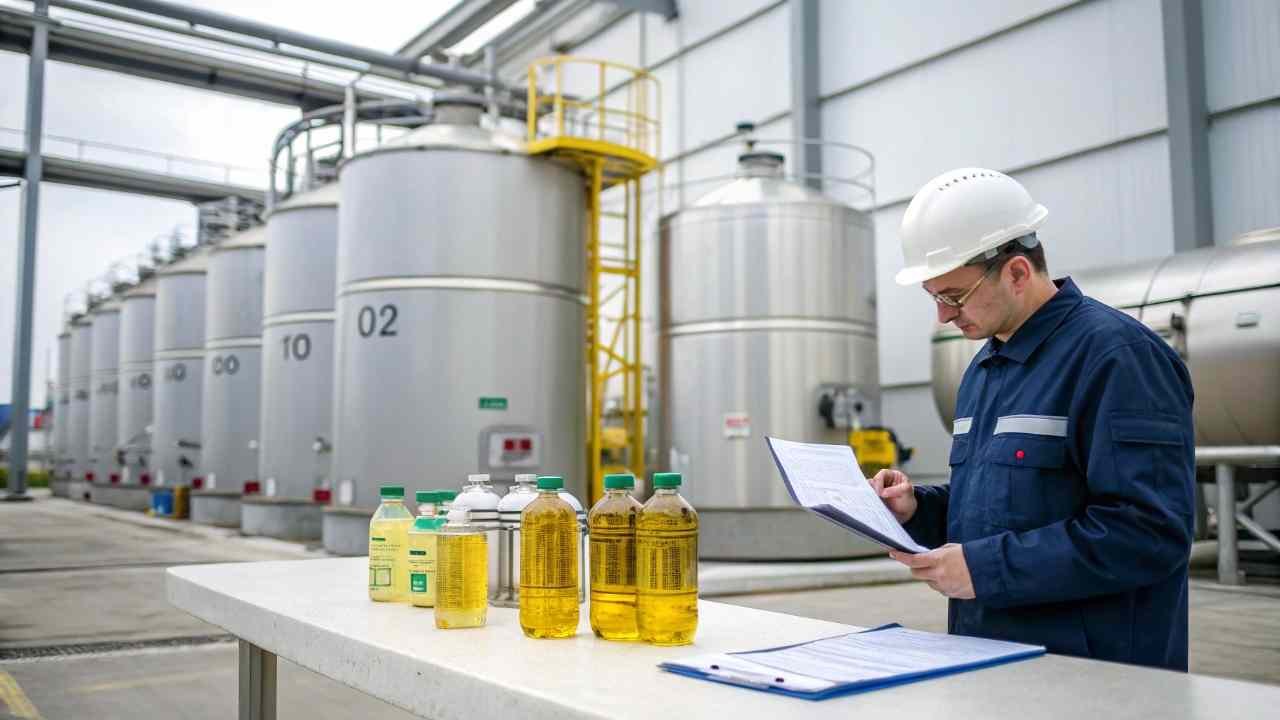
The cost structure of natural Vitamin E (d-alpha-tocopherol) is closely linked to the global edible oil industry. During the deodorization phase of vegetable oil refining, factories generate a secondary byproduct known as vegetable oil deodorizer distillate1 (VODD). Because VODD is the primary starting material for natural tocopherol extraction, its market pricing fluctuates based on global edible oil supply and demand. If the prices of crude soybean oil, rapeseed oil, or palm oil rise due to bad weather or biofuel mandates, the price of the resulting deodorizer distillate rises as well.
This direct correlation means that any agricultural shock in major oilseed-producing regions like South America or the United States immediately impacts natural Vitamin E production costs. Furthermore, when edible oil refining slows down, the volume of available distillate drops, creating a feedstock shortage that drives up extraction costs. Sourcing managers must monitor international grain and oilseed crush volumes to anticipate pricing shifts. Sourcing partners like FINETECH track these commodity crop2 movements and maintain close relationships with integrated crushing facilities. This strategic oversight helps B2B buyers secure guaranteed volume allocations and lock in competitive raw material pricing before agricultural supply contractions impact the global market.
| Edible Oil Market | Distillate Byproduct | Impact on Vitamin E | Sourcing Risk Management |
|---|---|---|---|
| Soybean Oil | Soy deodorizer distillate (SODD) | Main driver of natural d-alpha cost | Track North American soy harvests |
| Palm Oil | Palm fatty acid distillate (PFAD) | Fluctuates tocotrienol raw cost | Monitor Southeast Asian export duties |
| Rapeseed Oil | Rapeseed distillate | Impacts European natural tocopherols | Verify local EU crushing operations |
| Sunflower Oil | Sunflower distillate | Affects premium allergen-free grades | Monitor Black Sea shipping logistics |
Why Is Natural Vitamin E Series More Expensive Than Synthetic Forms?
Paying premium prices without understanding chemical differences can result in inefficient formulation budgeting and lower profit margins. Mismatching ingredient types wastes funds. Analyzing chemical differences justifies product spending.
Natural Vitamin E is more expensive than synthetic forms because it requires a complex agricultural extraction process with low active yields, whereas synthetic Vitamin E is produced in massive, cost-efficient chemical batches using petrochemical precursors like trimethylhydroquinone.
Dive Deeper into Bio-Activity and Extraction Complexity
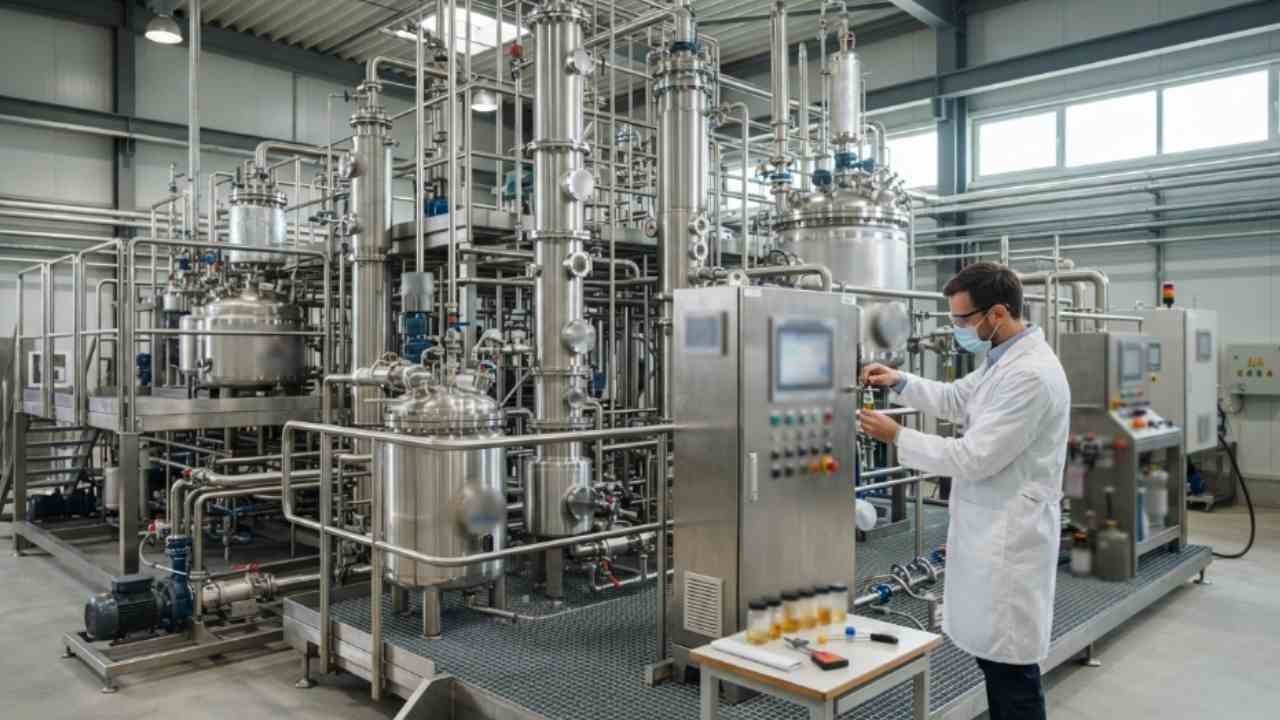
The large price difference between natural and synthetic Vitamin E is driven by manufacturing complexity and chemical structure. Natural Vitamin E consists of a single stereoisomer, d-alpha-tocopherol (or RRR-alpha-tocopherol), which has a biological activity that is approximately double that of synthetic forms. However, isolating this single natural isomer requires a complex, multi-stage extraction process from vegetable oil distillates. This agricultural dependence limits the total supply of raw materials and increases production costs, especially for certified non-GMO or organic grades that require separate identity preservation3.
Conversely, synthetic Vitamin E, chemically known as dl-alpha-tocopherol4 (or all-rac-alpha-tocopherol), contains a mixture of eight different stereoisomers. It is produced in massive chemical plants through the condensation of trimethylhydroquinone (TMHQ) and isophytol. These petrochemical precursors are processed in large batches, achieving economies of scale that keep production costs low. Sourcing managers must evaluate whether their target application justifies the premium cost of natural Vitamin E. Sourcing partners like FINETECH assist buyers by evaluating these different grades in China, ensuring that B2B clients receive the most cost-effective vitamin formulations that align with their target market regulations.
| Vitamin E Type | Active Isomers | Feedstock Source | Price Profile | Primary Target Application |
|---|---|---|---|---|
| Natural (d-alpha) | Single (RRR-isomer) | Vegetable oil distillate | High / Premium | Human supplements, premium cosmetics |
| Synthetic (dl-alpha) | Eight mixed isomers | Petrochemical TMHQ | Low / Commodity | Animal feed, basic food fortification |
How Do Raw Material Yields Affect Vitamin E Series Pricing?
Low processing yields can cause sudden raw material shortages and drive up wholesale export prices. Unmonitored factory extraction rates threaten supply stability. Evaluating raw yields prevents unexpected cost hikes.
Raw material yields heavily affect pricing because crude deodorizer distillate contains only 5% to 15% mixed tocopherols. Refineries must process massive volumes of crude distillate to isolate a small amount of pure d-alpha-tocopherol, increasing base production costs.

Dive Deeper into Tocopherol Concentration and Yield Challenges
The yield of active tocopherols from raw agricultural feedstocks is a critical pricing factor for natural Vitamin E. Crude vegetable oil deodorizer distillate is a complex chemical mixture. It contains a high proportion of free fatty acids, sterols, squalene5, and light volatile compounds. The actual concentration of mixed tocopherols inside raw soy or rapeseed distillate typically ranges from only five to fifteen percent. This low concentration means that extraction plants must process huge volumes of crude distillate to yield a small amount of pure d-alpha-tocopherol.
Any decrease in the tocopherol content of the crop harvest, caused by poor weather or changing soil conditions, directly lowers the refinery's yield. When yields drop, processing plants must consume more energy and chemical solvents per kilogram of finished product, driving up final prices. Additionally, separating valuable sterols and squalene during the extraction process is necessary to offset processing costs. If the market value of these secondary byproducts drops, the manufacturer must raise the price of Vitamin E to maintain profitability. Sourcing partners like FINETECH monitor these processing yields and byproduct values, helping buyers understand factory cost changes and plan purchasing schedules accordingly.
| Distillate Component | Typical Concentration | Industrial Disposal / Use | Impact on Vitamin E Price |
|---|---|---|---|
| Free Fatty Acids | 50% - 70% | Biodiesel feedstock | High volume offset required |
| Mixed Tocopherols | 5% - 15% | Natural Vitamin E extraction | Low active concentration raises cost |
| Phytosterols | 4% - 8% | Pharmaceutical intermediates | Valuable byproduct lowers overheads |
| Squalene | 1% - 3% | Cosmetic active formulations | Premium byproduct offsets cost |
What Role Does Refining Technology Play in Vitamin E Series Price?
Utilizing outdated refining equipment leads to low-purity chemical batches and high energy waste during processing. Low-tech manufacturing increases production costs. Advanced refining technology secures stable, high-quality output.
Refining technology plays a major role in pricing, as advanced molecular distillation, chemical esterification, and cold crystallization require expensive, automated machinery that raises manufacturer capital overhead but ensures consistent purity and stability.
Dive Deeper into Distillation and Crystallization Technology
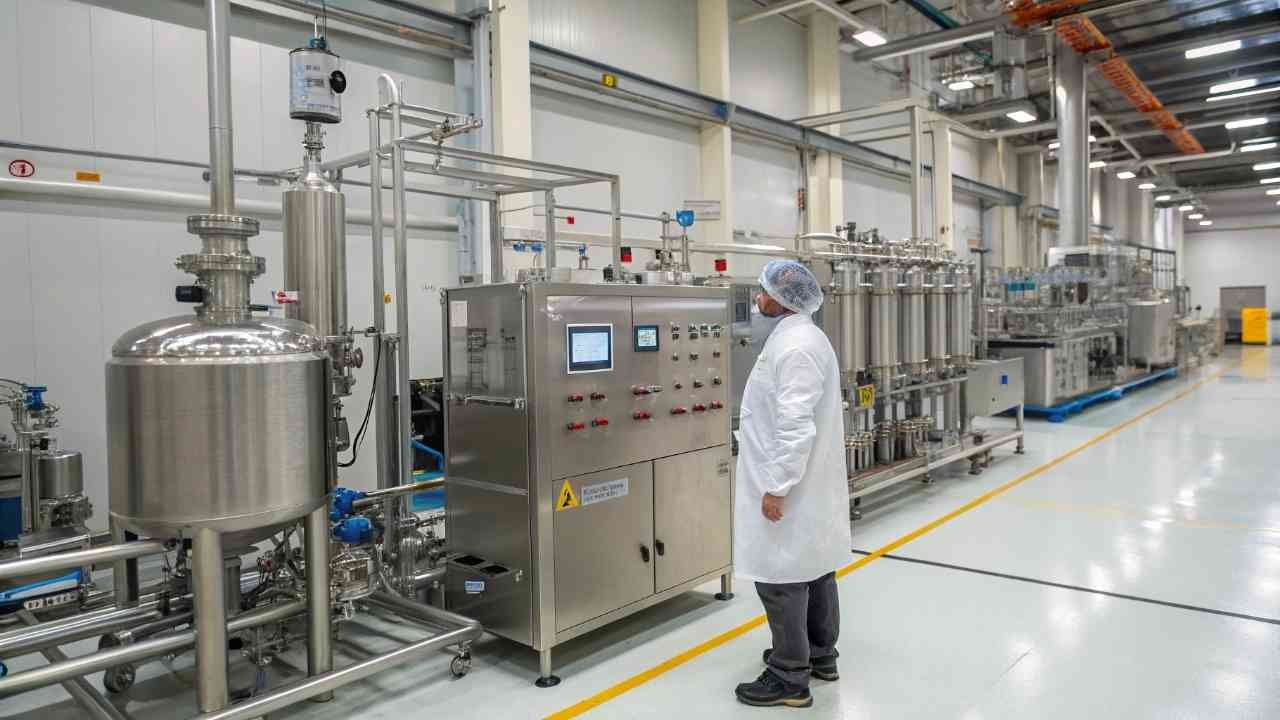
The technical processes used to refine and purify Vitamin E are highly energy-intensive and require significant capital investment. To separate the active tocopherols from free fatty acids and sterols, refineries must utilize molecular distillation, also known as short-path distillation. This advanced technology operates under high vacuum and utilizes low residence times to prevent heat-sensitive tocopherol molecules from degrading. Maintaining these high-vacuum conditions requires substantial electrical energy and specialized equipment.
Furthermore, natural tocopherols must undergo chemical esterification and low-temperature solvent crystallization to isolate pure d-alpha-tocopherol from other tocopherol isomers (beta, gamma, delta). This crystallization process requires precise temperature controls and expensive solvent recovery systems. While investing in these automated, continuous refining technologies increases the manufacturer's initial capital overhead, it is necessary to ensure consistent chemical purity and long-term shelf stability. Sourcing partners like FINETECH inspect these technical processing setups in China, verifying that the factories utilize modern molecular distillation and automated cleanrooms. This direct quality check ensures that B2B clients receive premium, stable Vitamin E series products that comply with strict global safety standards.
| Refining Technology | Technical Function | Cost Impact | Quality Outcome |
|---|---|---|---|
| Molecular Distillation | High-vacuum separation | High energy consumption | Prevents heat-induced decay |
| Chemical Esterification | Converts free fatty acids | Medium chemical cost | Separates light volatile compounds |
| Solvent Crystallization | Low-temperature separation | High solvent recovery cost | Isolates pure d-alpha tocopherol |
| Spray-Drying | Powder microencapsulation | Added carrier excipient cost | Produces free-flowing beadlets |
What Is the Long-Term Price Trend for Vitamin E Series?
Buying chemical raw materials without predicting price cycles can result in purchasing inventory at peak bubble prices. Unplanned purchasing wastes money. Analyzing long-term pricing cycles secures budgets.
The long-term price trend for the Vitamin E series is highly cyclical, characterized by periods of low prices during high Chinese capacity, followed by rapid price spikes caused by petrochemical feedstock shortages, energy crises, and unexpected factory incidents.

Dive Deeper into Market Consolidation and Supply Cycles
The global Vitamin E market is historically characterized by intense price volatility due to high manufacturing consolidation. Because a small group of chemical manufacturers in China and Europe controls the vast majority of global synthetic capacity, any disruption at a single plant can trigger rapid, global price surges. When prices fall to unsustainably low levels during periods of oversupply, factories coordinate maintenance shutdowns to limit global supply. This supply restriction, combined with sudden environmental audits, can trigger rapid price spikes.
In the long term, baseline production costs are expected to rise due to stricter environmental waste treatment policies in China and rising global shipping expenses. Additionally, the growing demand for non-GMO and organic natural Vitamin E will continue to put upward pressure on premium d-alpha-tocopherol prices. Sourcing partners like FINETECH help B2B buyers mitigate these long-term price risks. By establishing direct communication channels with key manufacturers, monitoring factory maintenance schedules, and offering low MOQs, they streamline the purchasing process. This strategic support allows buyers to purchase safety stock before price surges occur, ensuring a highly cost-effective, secure supply chain.
| Market Cycle Phase | Supply/Demand Status | Pricing Movement | Strategic Purchasing Action |
|---|---|---|---|
| Oversupply Phase | High inventory, low demand | Prices reach historical floors | Purchase long-term buffer stocks |
| Supply Contraction | Plant shutdowns / maintenance | Prices begin to climb steadily | Secure quarterly volume contracts |
| Market Spike Phase | Sudden factory force majeure | Prices surge rapidly to peaks | Delay non-essential spot purchases |
| Stabilization Phase | High prices limit minor demand | Prices decline slowly to average | Buy small batches for immediate needs |
Conclusion
Global Vitamin E prices fluctuate cyclically due to agricultural oil costs, extraction yields, and manufacturing consolidation. Partnering with a dedicated sourcing team secures competitive pricing and consistent inventory.
-
Taylor & Francis (Separation and Purification Reviews) – Academic review article examining the characterization, chemical composition, industrial extraction, and commercial uses of vegetable oil deodorizer distillate (VODD). ↩
-
USDA Economic Research Service – Official market database tracking global agricultural yields, crop trends, and pricing statistics for major commodity crops like soybeans and corn. ↩
-
Canadian Seed Growers' Association – Standard-setting guidelines explaining how identity preservation (IP) systems secure crop traceability, variety characteristics, and food safety from seed to harvest. ↩
-
ChemicalBook – Specialized chemical database directory detailing the molecular configuration, physical properties, CAS registration data, and commercial specifications of racemic dl-alpha-tocopherol. ↩
-
Healthline – Informative wellness resource contrasting naturally occurring squalene with its hydrogenated derivative squalane, detailing skin absorption benefits, chemical stability, and industrial applications. ↩