
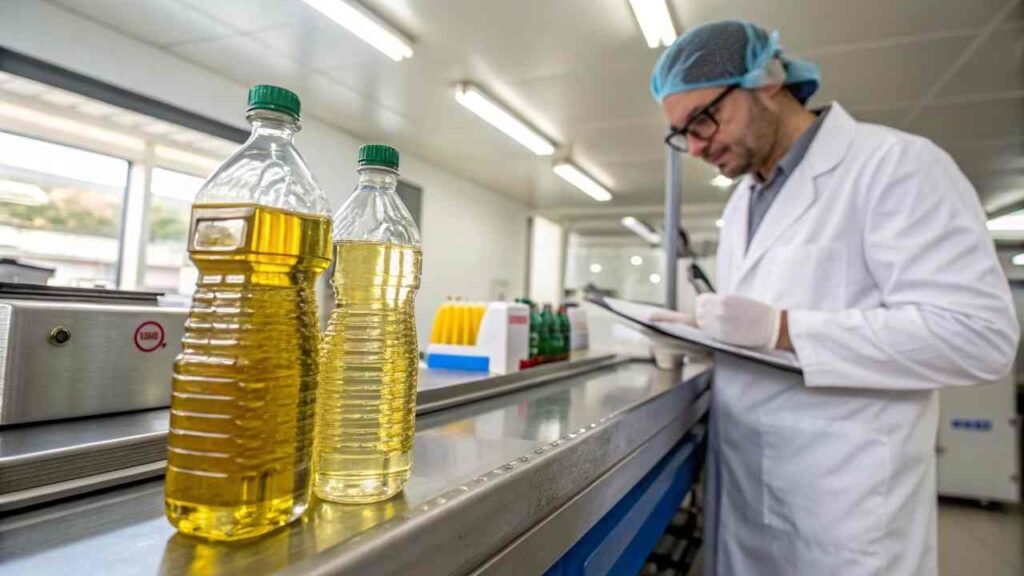
Rapid lipid rancidity ruins the flavor, aroma, and shelf life of processed food products, causing high refund rates. Ignoring oxidative decay damages brand reputation. Implementing natural stabilization solves this.
The Vitamin E series prevents oxidation in food and oil products by acting as a lipophilic, chain-breaking antioxidant. It donates hydrogen atoms from its phenolic hydroxyl group to neutralize destructive lipid peroxyl radicals, halting the auto-oxidation chain reaction that causes rancidity.
Preserving the fresh quality of fat-containing food systems requires a reliable, food-grade antioxidant pipeline. Sourcing managers must analyze the chemical mechanisms of lipid stability to choose the correct raw material formulations. Sourcing partners like FINETECH simplify factory checks, oversee production, and manage quality directly in China to secure stable bulk deliveries. This guide explains how the Vitamin E series prevents oxidation in food systems.
Why Is Vitamin E Series Important for Fat and Oil Stability?
Leaving high-fat foods unprotected during storage causes rapid lipid peroxidation, producing toxic compounds and foul, rancid odors. Substandard preservation ruins inventory. Using lipophilic stabilizers preserves lipid quality.
The Vitamin E series is critical for fat and oil stability because lipids, especially polyunsaturated fatty acids, degrade rapidly when exposed to air and heat. As an oil-soluble antioxidant, Vitamin E disperses easily in fats to block this oxidative rancidity.

Dive Deeper into Lipid Peroxidation and Rancidity
Fats and oils are fundamental ingredients in processed foods, but their chemical structures make them highly vulnerable to environmental degradation. When lipids, particularly polyunsaturated fatty acids1 (PUFAs), are exposed to oxygen, light, or thermal energy, they undergo a natural chemical breakdown called auto-oxidation2. This process begins with the extraction of a hydrogen atom from the fatty acid chain, creating a highly reactive carbon-centered lipid radical. This radical reacts instantly with atmospheric oxygen to form a lipid peroxyl radical, initiating a self-propagating chain reaction.
As the chain reaction continues, it breaks down the fatty acids into short-chain volatile aldehydes, ketones, and organic acids. These chemical byproducts are responsible for the unpleasant, sour odors and rancid flavors that make food unpalatable and unsafe for consumption. Because the Vitamin E series is highly lipophilic, it dissolves easily within the oil phase of food systems. This oil solubility allows the tocopherol molecules to locate directly next to the vulnerable fatty acid chains, creating an immediate chemical barrier that blocks the propagation of free radicals. Sourcing partners like FINETECH assist food processors by securing consistent, top-quality Vitamin E oils from China, helping brands maintain the sensory and nutritional quality of their high-fat products.
| Lipid Type | Vulnerability Level | Oxidation Byproduct | Vitamin E Benefit |
|---|---|---|---|
| Saturated Fats | Low (no double bonds) | Trace free fatty acids | Extends long-term room shelf life |
| Monounsaturated Fats | Medium (one double bond) | Peroxides, light volatiles | Retains fresh flavor profiles |
| Polyunsaturated Fats | High (multiple double bonds) | Aldehydes and ketones | Halts rapid rancidity and off-odors |
| Animal Fats | High (lacks natural vitamins) | Rapid cholesterol oxidation | Prevents structural lipid breakdown |
How Does Vitamin E Series Work as a Natural Antioxidant?
Free radicals attack food molecules continuously, breaking down active nutrients and shortening retail shelf life. Uncontrolled chemical decay ruins products. Applying natural chain-breaking antioxidants halts free radical damage.
Vitamin E works as a chain-breaking antioxidant by donating a hydrogen atom from the phenolic hydroxyl group on its chromanol ring to a lipid peroxyl radical, converting it into a stable hydroperoxide and halting the free radical chain reaction.

Dive Deeper into Phenolic Hydroxyl Mechanisms
The antioxidant mechanism of the Vitamin E series is based on its specific chemical structure, which contains a chromanol ring3 with a phenolic hydroxyl group and an attached hydrophobic phytyl tail. The phytyl tail anchors the molecule within the lipid bilayer of cell membranes or the triacylglycerol matrix of edible oils. The active chromanol ring remains exposed to intercept circulating free radicals. When a lipid peroxyl radical attacks the lipid phase, the tocopherol molecule readily donates the hydrogen atom from its phenolic hydroxyl group to the radical.
This hydrogen donation converts the highly reactive peroxyl radical into a stable, non-destructive lipid hydroperoxide. Although the tocopherol itself becomes a tocopheryl radical after losing its hydrogen atom, this new radical is highly stable. The unpaired electron is delocalized across the conjugated resonance structure of the chromanol ring, making it too weak to attack neighboring fatty acids. This reaction effectively breaks the auto-oxidation chain. Furthermore, when combined with water-soluble antioxidants like Vitamin C or ascorbates, the tocopheryl radical can be reduced back into active tocopherol, creating a synergistic preservation system. Sourcing partners like FINETECH help B2B buyers select the optimal mixed tocopherol ratios to maximize these natural chain-breaking benefits in food formulations.
| Molecular Component | Chemical Structure | Primary Technical Role | Preservation Benefit |
|---|---|---|---|
| Chromanol Ring | Phenolic ring structure | Site of hydrogen donation | Neutralizes active free radicals |
| Hydroxyl Group | Phenolic -OH bond | Donates vital hydrogen atom | Halts the peroxyl chain reaction |
| Phytyl Tail | Hydrophobic hydrocarbon | Anchors molecule in lipids | Ensures consistent oil solubility |
| Methyl Groups | Determines tocopherol form | Dictates antioxidant potency | Optimizes radical scavenging speed |
Which Food Products Benefit Most from Vitamin E Series Protection?
Utilizing weak preservatives in highly sensitive food formulations leads to premature discoloration and shelf-life failures in retail stores. Substandard preservation hurts sales. Targeting high-vulnerability products secures freshness.
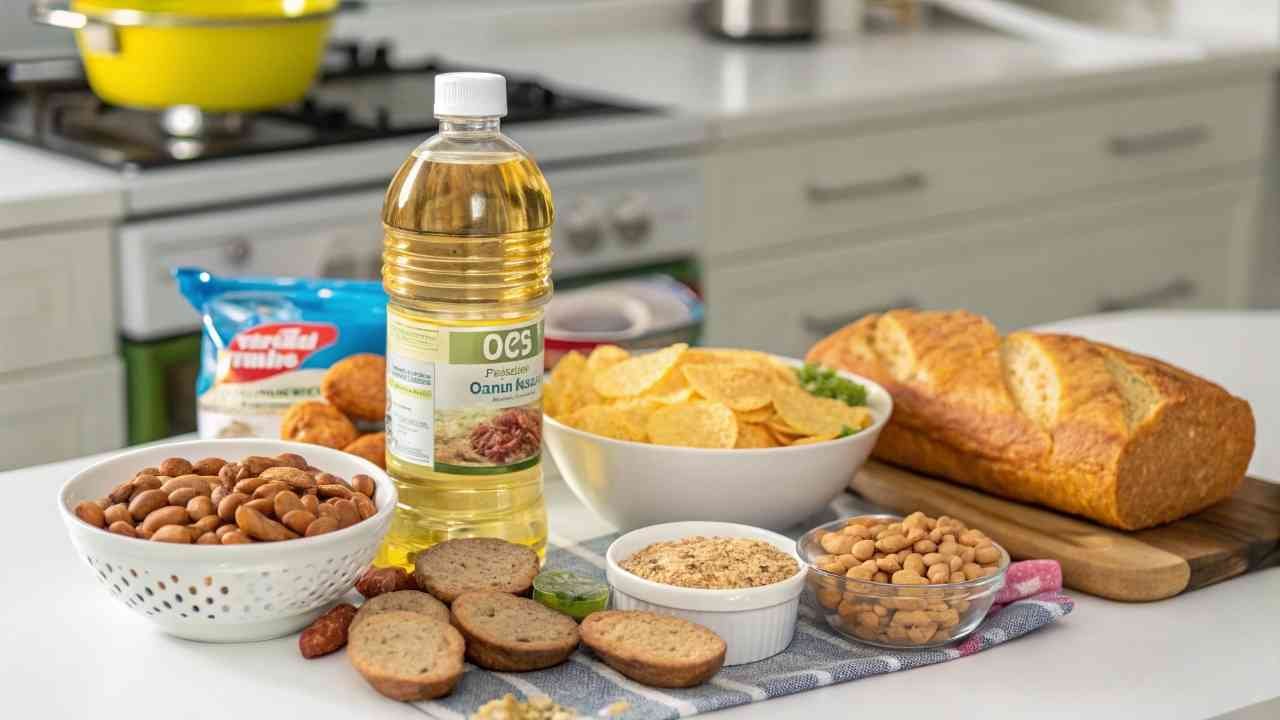
Food products that benefit most include refined vegetable oils, processed meats (sausages and bacon), pet foods (dry kibble), fried snacks, baked goods, nuts, and infant formulas that contain high levels of sensitive polyunsaturated fatty acids.
Dive Deeper into Specialized Food Fortification
The application of the Vitamin E series is critical across several sectors of the processed food industry. Refined vegetable oils, such as soybean, sunflower, canola, and corn oils, are the largest application area. While these oils contain some natural tocopherols, the industrial refining process destroys a significant portion of these natural antioxidants. Food processors must re-introduce mixed tocopherols to restore stability and protect the oils during high-temperature frying. Another critical sector is processed meat and poultry. Lipids in ground meats oxidize rapidly when exposed to air during processing, causing brown discoloration and off-flavors. Adding sodium ascorbate and Vitamin E prevents this pigment oxidation.
The pet food industry is also a major consumer of natural mixed tocopherols. Dry pet kibble contains high levels of animal fats and poultry meals that require reliable, long-term stabilization to prevent rancidity during warehouse storage. Additionally, infant formulas containing essential polyunsaturated fatty acids rely on Vitamin E to protect these delicate nutrients from degradation. Sourcing partners like FINETECH assist food and feed manufacturers by providing specialized mixed tocopherol concentrates and low-dust powder formulations, ensuring that each ingredient batch meets strict food-grade purity standards and clears import inspections smoothly.
| Food Category | Target Ingredient | Primary Decay Concern | Optimal Vitamin E Form |
|---|---|---|---|
| Vegetable Oils | Polyunsaturated oils | Frying thermal oxidation | Mixed tocopherols liquid oil |
| Processed Meats | Animal lipids and pigments | Discoloration & warm-over flavor | Water-dispersible CWS powder |
| Pet Kibble | Sprayed animal fats | Fat rancidity during storage | Feed-grade mixed tocopherols |
| Infant Formula | DHA and arachidonic acid | Nutrient potency loss | High-purity food-grade powder |
How Does Vitamin E Series Compare with Synthetic Antioxidants?
Modern consumers avoid food products containing synthetic chemical additives, causing clean-label brands to lose retail shelf space. Ignoring clean-label shifts restricts sales. Replacing synthetic additives with natural tocopherols resolves this.
Compared to synthetic antioxidants like BHA, BHT, and TBHQ, the Vitamin E series offers a natural, consumer-friendly, clean-label alternative that satisfies modern demands for non-synthetic ingredients while delivering highly effective, high-temperature lipid protection.

Dive Deeper into Clean-Label and Safety Profiles
Food processors must balance antioxidant efficacy with changing consumer preferences. Historically, the food industry relied on cheap synthetic antioxidants, such as butylated hydroxyanisole4 (BHA), butylated hydroxytoluene (BHT), and tertiary butylhydroquinone (TBHQ). While these synthetic chemicals are highly effective and low in cost, they face increasing scrutiny from health organizations and consumers due to potential long-term health concerns. Modern consumers actively read ingredient labels, seeking to avoid foods containing artificial preservatives or synthetic chemical additives.
This wellness trend has made natural mixed tocopherols (Vitamin E) the preferred choice for clean-label food brands. Although natural Vitamin E has a higher raw material cost than synthetic chemicals, it provides a completely natural, consumer-friendly declaration on ingredient lists (often as "mixed tocopherols to preserve freshness"). Furthermore, in high-temperature applications like baking and frying, natural mixed tocopherols demonstrate superior thermal stability compared to volatile synthetic alternatives like BHT, which can evaporate at high temperatures. Sourcing partners like FINETECH help food brands navigate this transition. They provide cost-effective, high-purity Chinese Vitamin E ingredients with low MOQs, helping brands replace synthetic preservatives without sacrificing product shelf life or inflating raw material costs.
| Antioxidant Type | Ingredient Label Status | Thermal Stability | Consumer Acceptance | Relative Sourcing Cost |
|---|---|---|---|---|
| Mixed Tocopherols | Natural / Clean Label | High (does not volatilize) | Very High (preferred) | Medium to High |
| BHA / BHT | Synthetic chemical | Moderate (can evaporate) | Low (increasingly avoided) | Low |
| TBHQ | Synthetic chemical | Good in frying fats | Low (regulated limits) | Low |
What Is the Optimal Dosage of Vitamin E Series in Food Systems?
Overdosing antioxidants can trigger a reverse chemical reaction that accelerates food oxidation and ruins raw materials. Guessing ingredient ratios damages quality. Calculating correct dosage levels secures stability.
The optimal dosage of the Vitamin E series in food systems ranges from 50 to 500 ppm of mixed tocopherols. Standard vegetable oils require 100 to 200 ppm, while highly sensitive animal fats and marine oils require 300 to 1000 ppm to prevent oxidation.

Dive Deeper into Pro-Oxidation and Concentration Limits
Determining the correct concentration of Vitamin E is a critical task for food formulation scientists. A common mistake in food preservation is assuming that adding more antioxidant always results in better shelf life. In high concentrations, tocopherols can undergo a reverse chemical reaction called pro-oxidation5. This phenomenon occurs because an excess of free tocopherol molecules can react with atmospheric oxygen or lipid hydroperoxides to generate new free radicals, which actually accelerate lipid peroxidation instead of halting it.
To avoid this pro-oxidant effect, food processors must apply precise, standardized dosage levels. Standard vegetable oils, such as soybean or canola oil, require a relatively low dosage of one hundred to two hundred parts per million (100–200 ppm) of active mixed tocopherols. More sensitive, highly unsaturated fats like animal lard, tallow, and marine fish oils contain fewer natural antioxidants and require higher protection levels, typically ranging from three hundred to one thousand parts per million (300–1000 ppm). Sourcing partners like FINETECH assist B2B buyers by providing technical dosing guidelines and high-precision liquid or powder concentrates. This support ensures that food processors apply the correct active levels to maximize product stability while avoiding expensive formulation errors.
| Food System Type | Recommended Dosage | Recommended Vitamin E Form | Primary Technical Goal |
|---|---|---|---|
| Refined Seed Oils | 100 - 200 ppm | 70% Mixed Tocopherol Oil | Replaces natural tocopherols lost in refining |
| Lard and Tallow | 200 - 400 ppm | 90% Mixed Tocopherol Oil | Prevents rapid animal fat rancidity |
| Marine/Fish Oils | 500 - 1000 ppm | High-purity Tocopherol Oil | Protects highly sensitive omega-3 PUFAs |
| Dry Pet Kibbles | 150 - 300 ppm | Feed-grade Tocopherol Powder | Delivers stable shelf life in dry warehouses |
Conclusion
Vitamin E prevents food oxidation by acting as a lipophilic, chain-breaking antioxidant. Partnering with a dedicated sourcing team ensures consistent, cost-effective, and safe clean-label preservation.
-
PMC (NIH) – A peer-reviewed review detailing the physiological properties, lipid-lowering mechanisms, and health-promoting functionalities of polyunsaturated fatty acids (PUFAs). ↩
-
Wikipedia – Informative chemistry entry outlining the radical mechanisms, initiators, propagation stages, and thermodynamic parameters of the auto-oxidation of organic compounds. ↩
-
ScienceDirect – An academic compendium examining the structural characteristics of chromanol and chromenol ring systems, highlighting their free radical-scavenging properties and applications in pharmaceutical chemistry. ↩
-
Federal Register (FDA) – Official 2026 administrative notice announcing a comprehensive post-market safety review and public request for information on the conditions of use for BHA in food. ↩
-
Wiley Online Library (Journal of Food Science) – Standard research study examining the dose-dependent pro-oxidant activity of oxidized alpha-tocopherol homologs in vegetable oil matrices under thermal conditions. ↩