Sourcing raw materials without understanding price fluctuations leads to unexpected cost overruns and failed procurement budgets. Unstable pricing harms profit margins. Analyzing cost variables resolves this challenge.
Vitamin H (Biotin) prices vary due to differences in active potency, chemical raw material and precursor costs, distinct regulatory and purification requirements for food versus feed grades, and shifts in demand across livestock, cosmetics, and nutraceutical industries.
Successful procurement requires a deep analysis of market cost layers to prevent financial losses. Importers must examine how manufacturing methods and grades influence final spot prices. Sourcing partners like FINETECH simplify factory checks, verify production compliance, and secure competitive pricing directly in China to guarantee bulk deliveries. This guide details the pricing mechanics of the Vitamin H series.
How Does Product Potency Affect Vitamin H Series Pricing?
Purchasing raw materials without evaluating the active concentration leads to overpaying for unnecessary carriers and failing formulation dose targets. Inconsistent concentration wastes capital. Verifying potency ensures fair pricing.
Active potency is the primary factor in Biotin pricing. Pure D-Biotin (98%+) commands premium prices due to complex crystallization processes, whereas diluted forms like 1% food-grade or 2% feed-grade are priced lower per kilogram to reflect lower active concentration.

Dive Deeper into Active Concentrations and Processing Steps
Understanding how chemical potency dictates pricing is essential for optimizing vitamin procurement budgets. Vitamin H, chemically known as D-Biotin1, is produced in various active concentrations to suit different industrial processes. The most refined form is D-Biotin Pure, which contains ninety-eight percent or more active crystalline powder. This pure format is highly concentrated and requires extensive downstream crystallization, purification, and drying processes. Because of these intensive manufacturing steps, pure crystalline Biotin carries the highest per-kilogram cost in the market.
To make handling and dosing easier for industrial blenders, manufacturers produce diluted formats, such as D-Biotin two percent feed grade and D-Biotin one percent food grade. These products are manufactured by blending pure Biotin crystals with inert carrier excipients, such as maltodextrin, starch, dicalcium phosphate, or calcium carbonate. While these diluted forms are significantly cheaper per kilogram due to their lower active concentration, their pricing still reflects the additional blending, homogenization, and spray-drying costs incurred by the factory. Sourcing partners like FINETECH help buyers analyze these potency variants in China, ensuring that procurement managers select the most cost-effective concentration format for their specific production machinery and avoid paying excessive carrier premiums.
| Potency Grade | Active Biotin Assay | Typical Carrier Excipient | Sourcing Cost Impact |
|---|---|---|---|
| Pure Crystalline | 98% or higher | None (pure API) | Highest per-kilogram cost due to purification |
| Feed Grade | 2.0% active D-biotin | Calcium carbonate or dicalcium phosphate | Lower base cost, optimized for feed mills |
| Food Grade | 1.0% active D-biotin | Modified starch or maltodextrin | Moderate cost, incorporates blending overheads |
| Specialty CWS | 1% to 10% active | Acacia gum or dextrin | Premium cost due to cold-water solubility |
What Raw Material Factors Influence Vitamin H Series Costs?
Unpredicted shortages of core precursor chemicals cause sudden manufacturing halts and immediate wholesale price spikes. Unstable feedstock supply chains threaten production lines. Monitoring raw material factors prevents buying bottlenecks.
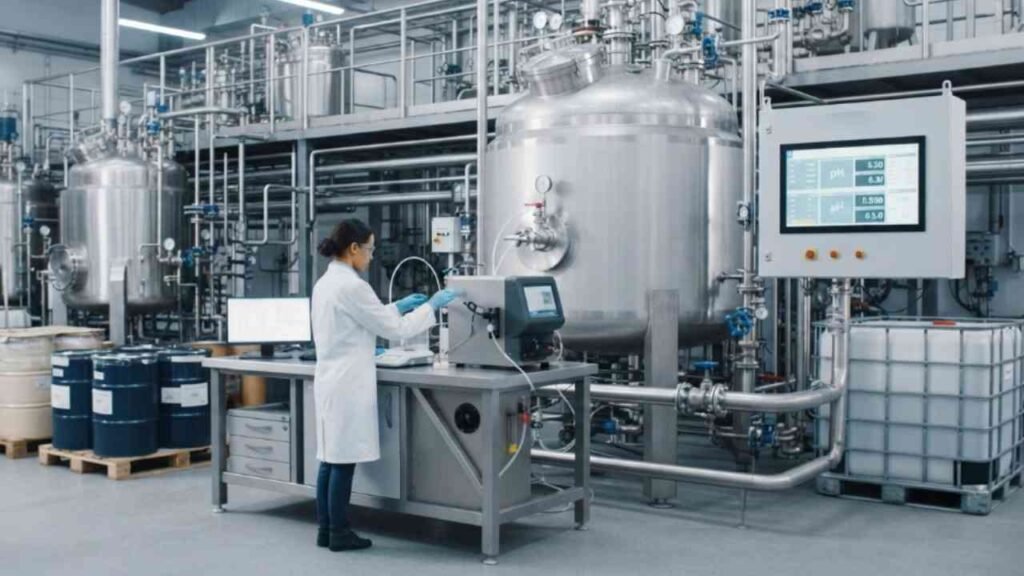
Vitamin H manufacturing costs depend heavily on the availability of raw precursors like meso-tartaric acid, chemical solvents, and sulfur-bearing intermediates, alongside factory energy costs and local waste treatment compliance expenses in China.
Dive Deeper into Precursor Chemistry and Production Overheads
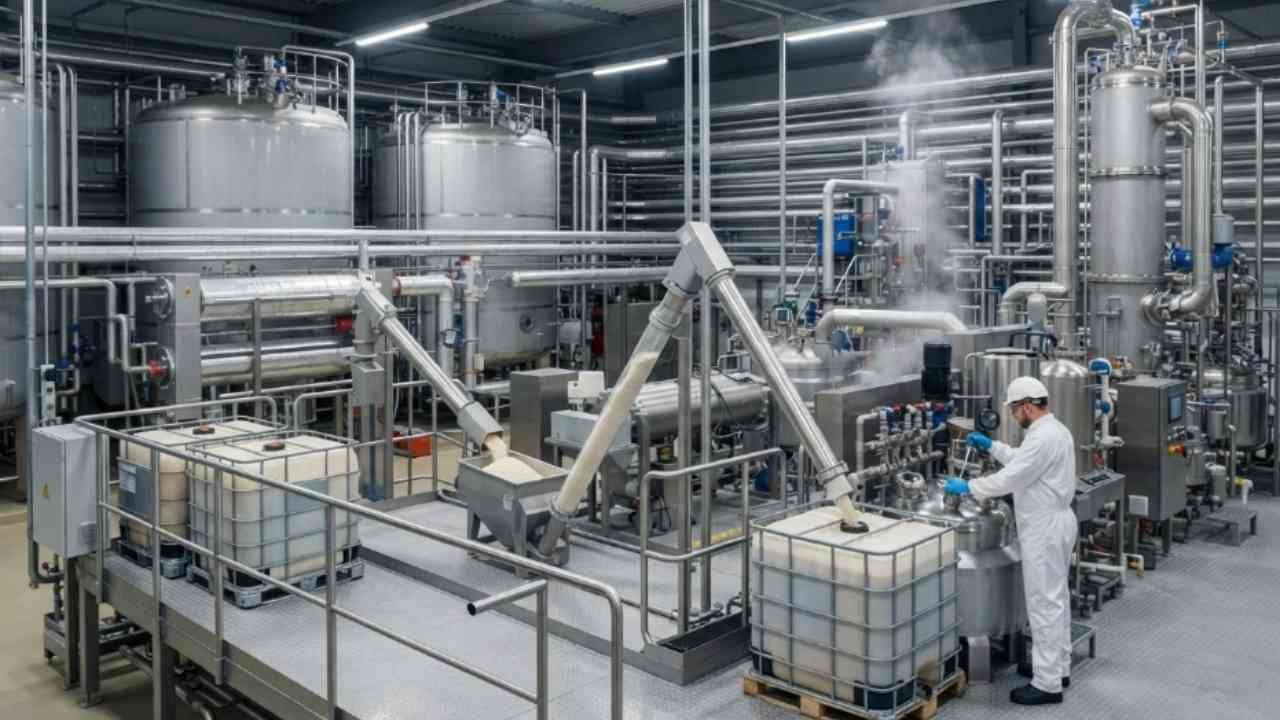
The cost structure of Vitamin H is deeply tied to the global chemical supply chain, specifically precursor availability in China. Unlike simpler vitamins, D-Biotin requires a complex, multi-stage chemical synthesis. The primary starting material for this synthesis is meso-tartaric acid, which forms the carbon backbone of the molecule. Any supply disruptions, crop harvest failures, or regulatory shifts affecting tartaric acid production immediately push Biotin manufacturing costs upward. Additionally, the process requires various specialty sulfur-containing reagents and organic solvents to construct the tetrahydrothiophene ring system.
Energy and waste management also represent significant portions of factory overheads. Because D-Biotin synthesis involves sulfur reactions and organic solvents, it generates a large volume of complex chemical wastewater2. Manufacturers must run advanced eco-friendly filtration and waste-treatment facilities to meet local environmental laws. When municipal governments enforce strict environmental audits or raise carbon emissions taxes, factories must increase their waste-processing budgets, which is then reflected in the global spot price. Sourcing partners like FINETECH manage these overhead risks by tracking chemical raw material trends and monitoring factory operations in China, helping international B2B buyers purchase cargo when precursor and environmental prices are most favorable.
| Cost Element | Key Raw Precursor / Resource | Supply Chain Role | Price Volatility Impact |
|---|---|---|---|
| Chiral Backbone | Meso-tartaric acid | Starting material for stereospecific synthesis | High (linked to crop and acid prices) |
| Ring Construction | Sulfur-bearing reagents | Forms the tetrahydrothiophene core | Medium (determined by sulfur chemical markets) |
| Purification Solvents | Organic chemical solvents | Crystallizes and refines the active D-biotin | Medium (tied to petrochemical refinery trends) |
| Compliance Waste | Industrial water treatment | Treats sulfur-containing factory effluent | High (driven by local environmental audits) |
Why Do Feed-Grade and Food-Grade Vitamin H Series Have Different Prices?
Importing feed-grade material for human products can cause severe regulatory rejections and threaten consumer safety. Mismatching product grades causes business failure. Understanding technical standards justifies different price levels.
Food-grade Vitamin H is priced higher than feed-grade because it requires rigorous purification steps to eliminate trace heavy metals and solvents, strict compliance with USP/EP standards, cleaner excipients, and extensive cleanroom testing.
Dive Deeper into Purification Standards and Lab Certification
The price gap between feed-grade and food-grade Vitamin H is justified by the different purification and regulatory standards required for human consumption. Feed-grade Biotin (typically D-Biotin 2%) is produced for agricultural livestock and poultry premixes3. It has looser thresholds for trace heavy metals, microbiological limits, and residual solvents. The carrier materials, such as calcium carbonate or dicalcium phosphate, are cheap industrial minerals that do not require sterile, food-grade processing.
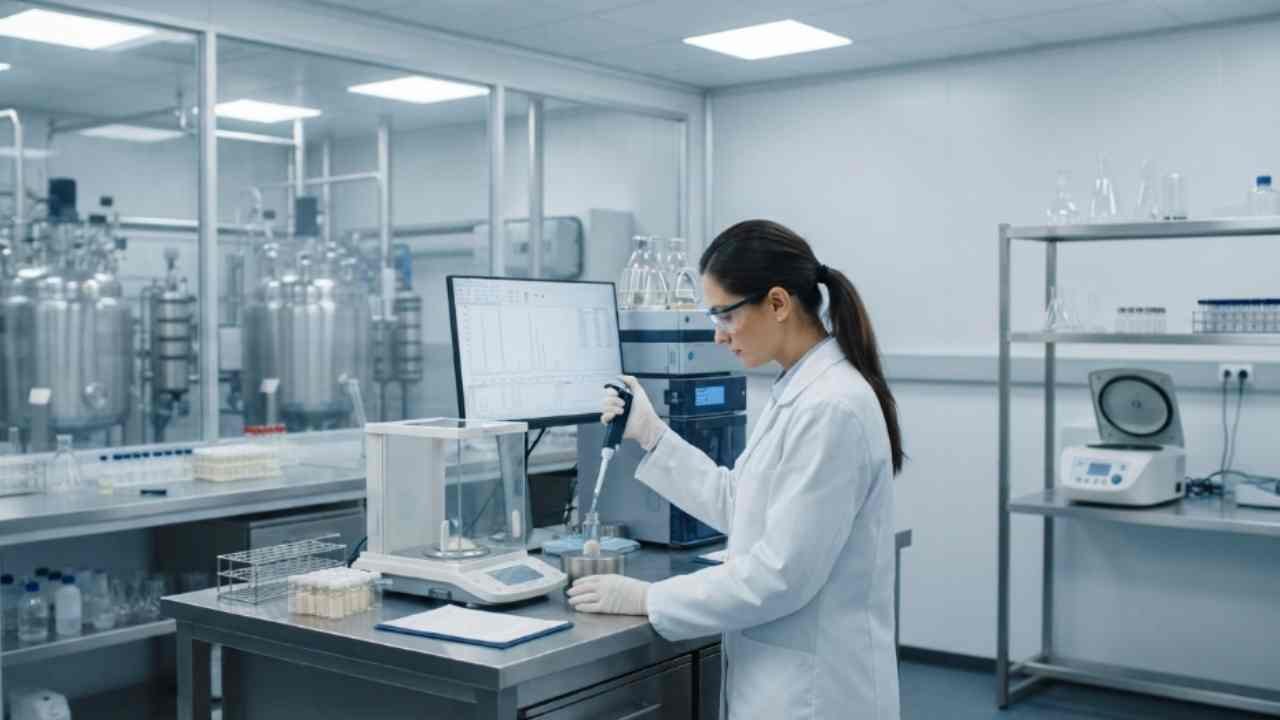
In contrast, food-grade Biotin (such as Pure D-Biotin or D-Biotin 1% food-grade) must comply with rigorous international monographs, including the United States Pharmacopeia (USP) and European Pharmacopoeia (EP). To clear these strict standards, manufacturers must pass the synthesized material through multiple purification stages to eliminate trace impurities and organic solvents. The production must occur in highly certified cleanrooms that hold active FSSC 220004, Kosher, or Halal certificates. These facilities use premium, allergen-free carriers like non-GMO corn starch or maltodextrin. Testing food-grade materials requires advanced chromatography (HPLC/GC) and mass spectrometry (ICP-MS) to guarantee safety, which increases manufacturing overheads. Sourcing partners like FINETECH verify these lab logs during on-site inspections, ensuring buyers receive genuine food-grade material that justifies the premium price.
| Quality Metric | Feed Grade (D-Biotin 2%) | Food Grade (D-Biotin 1% / Pure) | Price and Sourcing Influence |
|---|---|---|---|
| Heavy Metals | Less than 10 or 20 ppm | Ultra-low ppb limits (ICP-MS checked) | Higher testing and filtration overheads |
| Carrier Quality | Calcium carbonate / minerals | Food-grade starch / maltodextrin | Food-grade carriers carry a price premium |
| Facility Rules | Standard chemical plant GMP | Strict cleanroom FSSC 22000 / ISO | Higher operation and compliance costs |
| Documentation | Basic Certificate of Analysis | Full USP/EP monograph and Kosher/Halal | Extensive documentation drives price up |
How Does Market Demand Impact Vitamin H Series Prices?
Concentrating on short-term buying without tracking global livestock and wellness trends leads to purchasing inventory during expensive demand peaks. Uncoordinated procurement inflates costs. Analyzing demand cycles optimizes timing.
Market demand impacts Biotin prices through cyclical purchasing patterns. Sudden buying surges from animal feed premixers or wellness brands promoting hair-care cosmetics and nutraceutical gummies quickly absorb factory inventories, pushing global spot prices upward.

Dive Deeper into Global Livestock and Nutraceutical Trends
Global demand fluctuations from the livestock feed and human supplement sectors directly drive the pricing cycles of Vitamin H. The animal feed industry is the largest consumer of Biotin by volume. Consequently, any shifts in livestock populations, poultry production, or dairy farming trends immediately alter purchase orders. For instance, when global meat prices are high and livestock farms expand, feed mills ramp up procurement of D-Biotin 2%, causing factories to raise their bulk quotations. Conversely, agricultural recessions or swine disease outbreaks cause a rapid drop in feed orders, forcing producers to lower prices to clear excess inventory.
Simultaneously, the rapidly expanding human nutraceutical market shapes high-purity Biotin prices. Consumers are increasingly buying Biotin supplements, especially in capsule, tablet, and gummy formats, to support hair, skin, and nail health5. This "beauty-from-within" cosmetic trend is highly active in North America, Western Europe, and Asia-Pacific. When major wellness brands launch new hair-care products, they absorb large volumes of pure USP/EP grade Biotin from the market, reducing spot availability. Sourcing managers must balance their inventory between these two distinct grades. Sourcing partners like FINETECH assist buyers by tracking these seasonal purchasing cycles. This foresight helps B2B buyers schedule their imports during quiet seasons to avoid expensive price peaks.
| Industry Sector | Primary Biotin Grade | Demand Characteristic | Pricing Influence |
|---|---|---|---|
| Animal Livestock | D-Biotin 2% Feed Grade | Volume-driven (highly cyclic) | Dictates bulk commodity spot price trends |
| Nutraceutical Gummy | D-Biotin 1% Food Grade | Consumer wellness trend-driven | Stable demand, moderates low price drops |
| Premium Cosmetics | D-Biotin Pure (API) | High-value, beauty trend-driven | Drives premium prices for pure crystals |
| Pharmaceuticals | D-Biotin Pure (USP/EP) | Inelastic, clinical-necessity driven | Maintains steady, high baseline price level |
What Is the Price Outlook for Vitamin H Series?
Relying on historic cost data to plan future product lines can result in severe budget shortages when supply constraints hit. Outdated forecasts ruin financial plans. Evaluating future price projections protects margins.
The price outlook for Vitamin H is positive, driven by increased demand for premium beauty supplements. Supply discipline from Chinese manufacturers and environmental audits are expected to support firm pricing with moderate upward adjustments.
Dive Deeper into Supply Consolidation and Market Forecasts
The future price trend for the Vitamin H series is expected to remain stable with moderate upward adjustments. This trend is shaped by both supply-side discipline and expanding application channels. On the supply side, the market is highly consolidated, with a small group of large-scale Chinese chemical manufacturers controlling nearly all of the world's D-Biotin output. In the past, excessive competition led to oversupply and depressed prices. However, modern factories are implementing strict production discipline and inventory controls to maintain balanced supply-demand dynamics and prevent margin-eroding price drops.
On the demand side, the global Biotin ingredients market is projected to grow significantly over the next decade. This growth is driven by the rising popularity of personalized beauty nutrition and active cosmetic formulations in Europe and Asia-Pacific. As nutraceutical and animal feed buyers continue to replenish their inventories, import costs will remain firm. Sourcing partners like FINETECH help B2B importers navigate this consolidated market. They coordinate multi-factory sourcing, negotiate volume contracts, and manage shipping schedules directly from China, helping buyers protect their supply lines and secure competitive landed costs even during periods of high global market volatility.
| Market Variable | Future Trend Direction | Expected Pricing Impact | Sourcing Strategy |
|---|---|---|---|
| Supplier Output | Highly controlled production | Supports firm, stable pricing | Secure annual volume allocation deals |
| Beauty Supplement Demand | Evolving beauty-from-within trends | Increases demand for pure API | Schedule off-season container purchases |
| Environmental Rules | Stricter emissions inspections | Potential for sudden spot price spikes | Maintain a 3-month raw material buffer |
| Precursor Feedstocks | Stable to slightly firm costs | Prevents downside price drops | Monitor meso-tartaric acid supply changes |
Conclusion
Vitamin H pricing is driven by purity potency, precursor feedstocks, grading specifications, and livestock and beauty demand cycles. Partnering with a dedicated sourcing team ensures highly cost-effective, secure imports.
-
National Institutes of Health (NIH) – Health Professional Fact Sheet on Biotin, providing medical analysis, dietary intake standards, and clinical efficacy data. ↩
-
U.S. Environmental Protection Agency (EPA) – Guidelines outlining effluent limitations, environmental regulations, and wastewater management standards for pharmaceutical and organic chemical manufacturers. ↩
-
PubMed – Study demonstrating the efficacy of biotin in preventing Fatty Liver and Kidney Syndrome (FLKS) in chicks, explaining its crucial role in poultry nutrition. ↩
-
Foundation FSSC – Official website detailing the FSSC 22000 certification scheme, highlighting the food safety standards, prerequisite programs, and facility requirements. ↩
-
PubMed Central (PMC) – Systematic review of clinical studies examining biotin supplementation for hair and nail changes, analyzing its therapeutic utility in dermatology. ↩