Sourcing sub-standard amino acids risks contamination, failed formulation assays, and severe customs delays at international borders. Unvetted suppliers threaten commercial viability. Implementing rigorous selection criteria protects imports.
Buyers can select a reliable Amino Acid series supplier by verifying compliance with AJI, USP, and EP pharmacopoeia monographs, checking specialized certifications (FAMI-QS, FSSC 22000, GMP), auditing environmental wastewater compliance in China, and requiring batch-specific chiral chromatography purity testing.
Successful commercial procurement requires a disciplined approach to vetting global manufacturers. Sourcing managers must look beyond unit price to evaluate raw material traceability and factory compliance. Sourcing partners like FINETECH simplify factory checks, verify production compliance, and secure competitive pricing directly in China to guarantee bulk deliveries. This guide explains how to choose a reliable Amino Acid supplier.
What Should Buyers Consider When Selecting an Amino Acid Series Supplier?
Purchasing raw amino acids without clarifying technical specifications leads to severe blending failures and regulatory rejections in the target market. Mismatched materials waste capital. Verifying grade specifications prevents errors.
When selecting a supplier, buyers must consider the required grade and pharmacopoeia standard (AJI, USP, EP, FCC, or feed-grade), the raw material origin (animal-derived versus fermented vegan), and physical parameters like particle mesh size and bulk density.

Dive Deeper into Monograph Standards and Ingredient Origins
Selecting raw amino acids requires an intensive review of technical specifications before establishing supply contracts. The primary consideration is the target industry grade. For pharmaceutical applications, the raw material must strictly comply with the European Pharmacopoeia (EP)1, United States Pharmacopeia (USP), or AJI (Ajinomoto) monographs, which define narrow margins for active assays, specific optical rotation, and residue on ignition. Food and dietary supplement applications typically require Food Chemicals Codex (FCC) or USP grades, whereas animal feeds utilize lower-purity feed-grade products.
Additionally, raw material origin is a critical factor. Historically, several amino acids, such as L-Cysteine, were extracted from animal proteins like hair or feathers. Today, global clean-label trends and dietary restrictions have driven a shift toward microbial fermentation and enzymatic synthesis using non-animal, non-GMO vegetable precursors. Sourcing managers must verify whether the supplier can guarantee vegetarian, Kosher, and Halal-compliant origins to avoid market access blocks. Physical properties like particle size (mesh size) and bulk density must also match the buyer's formulation mixers to prevent dusting or segregation during dry blending. Sourcing partners like FINETECH simplify this stage by clarifying specifications with Chinese factories, ensuring that the raw material matches the exact physical and chemical demands of the buyer.
| Sourcing Grade | Quality Monograph Standard | Common Production Origin | Primary Sourcing Target |
|---|---|---|---|
| Pharma Grade | USP / EP / AJI | Microbial fermentation | Injectable fluids, active drugs |
| Food / Supplement | USP / FCC | Enzymatic / Fermentation | Sports powders, daily capsules |
| Feed Grade | FAMI-QS / Feed standards | Large-scale bacterial broth | Swine and poultry feed mixes |
| Technical Grade | Industrial specifications | Chemical synthesis | Cosmetics, industrial processes |
How Can Buyers Evaluate Amino Acid Series Supplier Reliability?
Partnering with unverified intermediaries can result in unexpected batch contamination and sudden factory closures due to environmental crackdowns. Unvetted partnerships halt manufacturing. Performing thorough plant evaluations mitigates supply risks.
Buyers can evaluate supplier reliability by checking the factory's environmental wastewater treatment capacity, auditing automated cleanrooms, verifying active registration numbers on global certification databases, and requesting historical batch-to-batch HPLC chromatogram consistency records.
Dive Deeper into Wastewater Audits and Chromatographic Consistency
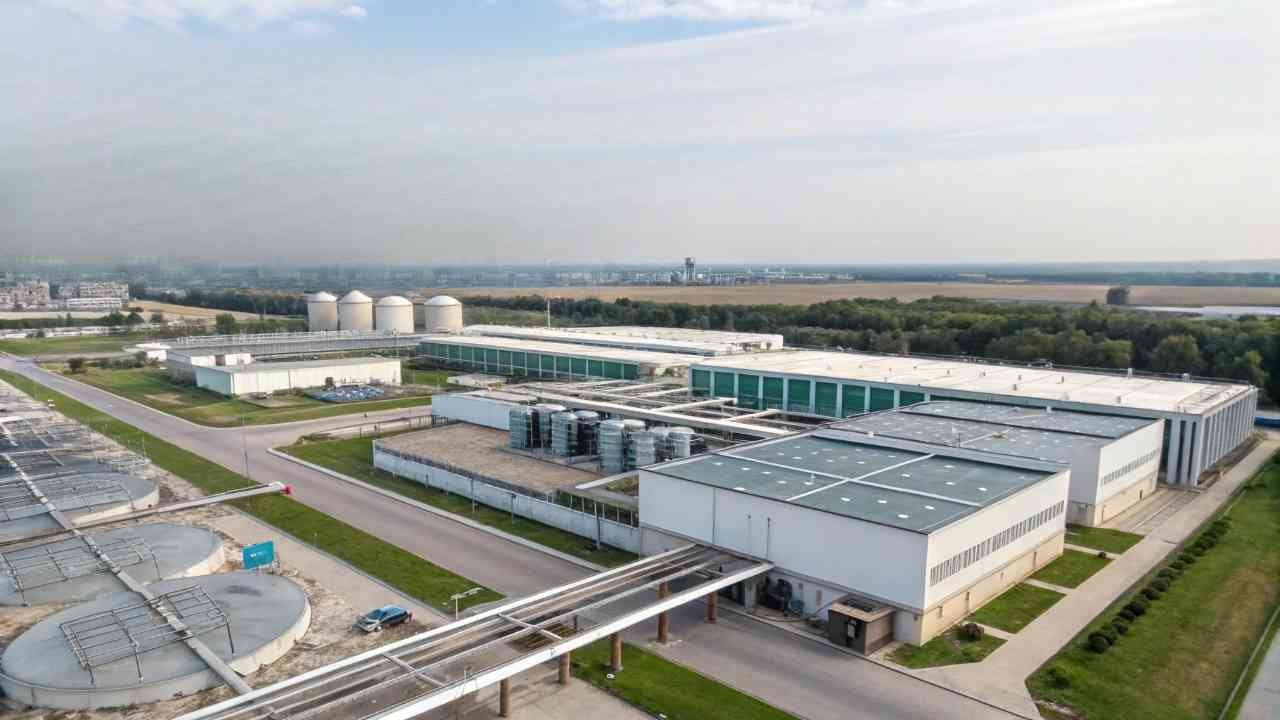
Evaluating the operational capability of a chemical manufacturer is essential to secure a stable supply chain. Because industrial amino acid production relies heavily on large-scale bacterial fermentation, factories generate massive volumes of high-chemical oxygen demand (COD)2 wastewater containing concentrated nitrogen and organic residues. Plants that lack advanced, automated biological wastewater treatment facilities face immediate, mandatory shutdowns during local environmental inspections. Buyers must verify that the factory holds valid environmental emission permits and operates modern waste treatment systems.
Furthermore, physical plant audits are necessary to evaluate cleanroom hygiene. Sourcing managers should inspect the drying, sieving, and packaging areas to ensure they prevent cross-contamination, particularly in multi-product facilities. Reliable manufacturers maintain automated production systems that record temperature, pH, and dissolved oxygen parameters in real time. Importers should also request historical batch records to check the consistency of High-Performance Liquid Chromatography (HPLC) active assays and specific optical rotations over multiple production months. Sourcing partners like FINETECH manage this evaluation process on the ground in China. They conduct physical factory inspections, verify local environmental compliance logs, and cross-check historical testing records, protecting international buyers from choosing unreliable manufacturing partners.
| Evaluation Criteria | Technical Assessment Focus | Key Operational Standard | Risk of Neglecting |
|---|---|---|---|
| Environmental Audits | Wastewater treatment & permits | Local emission compliance | Sudden government shutdowns |
| Cleanroom Inspection | Drying & packaging areas | GMP-compliant airflow / zones | Cross-contamination of batches |
| Analytical Consistency | HPLC / GC historical charts | Steady active assay over months | Potency variation in shipments |
| Precursor Security | Feedstock supply agreements | Direct source sugar/glucose | Severe supply chain bottlenecks |
Why Is Supplier Experience Important for Amino Acid Series Purchasing?
Sourcing high-purity chemical compounds from inexperienced manufacturers leads to unexpected purification failures and unstable shelf-life performance. Inexperienced production threatens product quality. Selecting seasoned exporters ensures batch stability.
Supplier experience is vital because established manufacturers possess the refined crystallization techniques needed to eliminate toxic isomers and impurities, maintain deep raw material supply chains, and navigate complex international trade regulations.
Dive Deeper into Purification Expertise and Regulatory Navigation
The chemical manufacturing of amino acids requires advanced scientific knowledge to achieve the high purities demanded by pharmaceutical and dietary supplement brands. Inexperienced plants often struggle with the separation and purification stages of downstream processing. For example, during fermentation, various organic acids and bacterial proteins are present in the broth. Refining the amino acid requires a precise series of dissolution, precipitation, pH adjustment, and recrystallization steps. Experienced manufacturers possess the proprietary techniques needed to isolate the active L-isomer and eliminate toxic impurities, ensuring the product consistently passes USP or EP Specific Rotation limits.
Additionally, seasoned suppliers have established raw material networks, securing consistent, low-cost access to fermentation feedstocks like glucose or starch. This supply integration protects buyers from sudden raw material price spikes. Furthermore, experienced exporters understand global regulatory frameworks, including European REACH registration3, US FDA food facility requirements, and regional customs tariffs. Sourcing partners like FINETECH bridge the gap for B2B buyers by collaborating with China's most experienced chemical plants. They verify that the selected factory possesses the necessary technical expertise, has passed international customer audits, and understands the documentation required to clear customs in destination markets without delay.
| Supplier Experience Level | Downstream Refining Capability | Regulatory Trade Knowledge | Sourcing Reliability |
|---|---|---|---|
| Established Producer | Advanced multi-step crystallization | Full compliance with FDA / REACH | Highly stable year-round supply |
| New Market Entrant | Standard filtration systems | Limited export paperwork skills | Vulnerable to quality rejections |
| General Trading Agent | None (relies on third-party logs) | Varies, often basic logistics | Higher price and minimal quality control |
What Certifications Should Amino Acid Series Suppliers Provide?
Exporting bulk ingredients without proper third-party certifications can result in immediate border seizures and expensive custom rejections. Missing paperwork halts logistics. Verifying active safety certificates avoids transit locks.
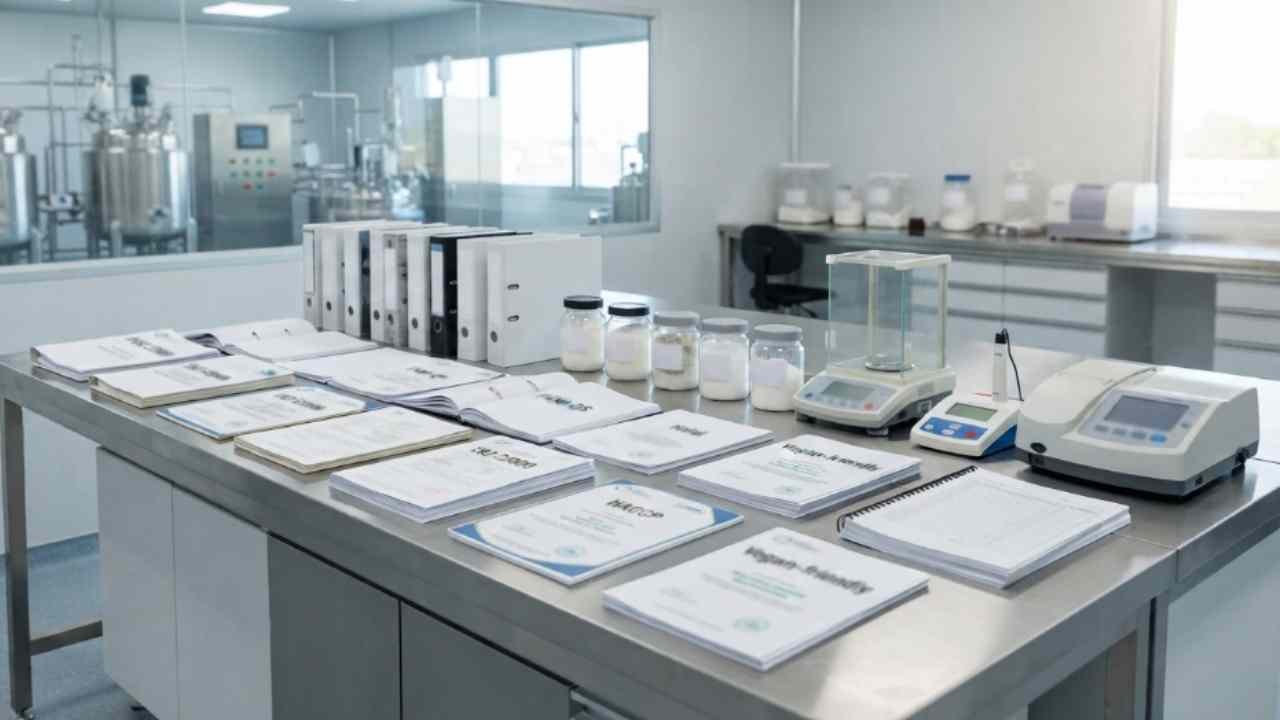
Suppliers must provide food safety certifications (FSSC 22000, ISO 22000, HACCP), feed-grade standards (FAMI-QS), pharmaceutical compliance (GMP, CEP/COS), and religious/lifestyle dietary certificates (Kosher, Halal, Vegan-friendly) depending on the target market.
Dive Deeper into Food Safety Systems and Pharma Registrations
Vetting a supplier's certifications is a critical step in ensuring that the raw amino acids satisfy local legal and safety requirements. For products destined for human food and dietary supplements, the manufacturing plant must hold active FSSC 22000 or ISO 22000 food safety management system certifications. These standards verify that the factory operates under strict Hazard Analysis Critical Control Point (HACCP4) guidelines, protecting the bulk powder from physical, chemical, or biological contamination during production.
If the amino acid is intended for animal nutrition, such as L-Lysine or DL-Methionine premixes, the exporter must hold a FAMI-QS certificate. The Feed Additive and Premixture System (FAMI-QS) is the leading global certification scheme for specialty feed ingredients, ensuring that raw feed additives are traceable and safe from fraud. For pharmaceutical-grade materials, buyers must demand active Good Manufacturing Practice (GMP)5 certificates or a Certificate of Suitability (CEP/COS) issued by the EDQM. Sourcing partners like FINETECH simplify this complex verification process for international importers. They check certificate validity dates and registration codes on official databases, ensuring that all bulk shipments arrive at the destination port with fully compliant documentation.
| Certification Standard | Regulatory Focus Area | Target Industry Market | Export Significance |
|---|---|---|---|
| FSSC 22000 | Food safety and sanitation | Human food & supplements | Confirms standardized plant sanitation |
| FAMI-QS | Feed additive safety & fraud | Animal nutrition & premixes | Mandatory for clearing EU feed customs |
| GMP / CEP | Active pharmaceutical quality | Medicine & drug compounding | Proves compliance with medical monographs |
| Kosher / Halal | Religious dietary standards | Global consumer supplements | Essential for retail supermarket entry |
How Can Buyers Build Long-Term Partnerships with Amino Acid Series Suppliers?
Relying on transactional spot purchasing leaves your business vulnerable to sudden price spikes and unexpected material shortages. Unsecured sourcing models stall growth. Establishing strategic supply partnerships ensures stability.
Buyers can build long-term partnerships by executing annual volume contracts, establishing clear quality agreements, sharing demand forecasts, and utilizing specialized on-the-ground sourcing partners to manage factory relations.

Dive Deeper into Strategic Sourcing and Quality Agreements
Securing a stable, cost-effective import pipeline requires moving away from spot-market transactions and toward collaborative, long-term relationships with chemical manufacturers. Sourcing managers should seek to sign annual volume contracts with their chosen factories. These agreements help stabilize raw material prices, protecting buyers from sudden market price fluctuations caused by energy price increases or raw material shortages in China. In return, factories receive predictable production schedules, allowing them to optimize their batch fermentation cycles.
Additionally, buyers must establish a formal Quality Agreement. This document defines the exact specification limits, pre-shipment sampling protocols, and corrective actions if a batch fails to meet quality standards upon delivery. Sharing rolling demand forecasts with the supplier also ensures that raw material safety stocks are pre-allocated during high-demand seasons. Sourcing partners like FINETECH play a key role in managing these relationships. Based in China, they maintain direct contact with major amino acid factories, helping buyers negotiate favorable contract terms, organize cleanroom inspections, and manage logistics. This on-the-ground oversight reduces communication errors, protects the buyer's supply chain, and ensures consistent quality over years of commercial cooperation.
| Sourcing Partnership Step | Technical Sourcing Action | Sourcing Operational Value | Expected Quality Outcome |
|---|---|---|---|
| Volume Contracts | Sign annual purchasing agreements | Locks in competitive wholesale prices | Protects budgets from market spikes |
| Quality Agreements | Draft formal specification bounds | Defines dispute and testing rules | Prevents delivery of off-spec batches |
| Forecast Sharing | Send rolling demand updates | Helps plant schedule fermentation batches | Eliminates winter holiday stockouts |
| Local Sourcing Experts | Work with partners like FINETECH | Handles factory audits and inspections | Secures smooth customs clearances |
Conclusion
Choosing a reliable Amino Acid supplier requires matching monograph grades, evaluating factory environmental compliance, checking FAMI-QS or GMP certifications, and utilizing dedicated on-the-ground sourcing partners.
-
EDQM – Official portal for the European Pharmacopoeia, detailing the quality standards required for pharmaceutical substances in Europe. ↩
-
Hach – A technical guide to understanding Chemical Oxygen Demand (COD) parameters and their importance in industrial wastewater compliance. ↩
-
ECHA – Official guidance on REACH registration requirements for chemical substances produced in or imported into the European Union. ↩
-
U.S. FDA – Detailed principles and application guidelines for the Hazard Analysis Critical Control Point (HACCP) system in food production. ↩
-
ISPE – Global industry resource defining Good Manufacturing Practice (GMP) standards for ensuring consistent quality and safety in pharmaceutical production. ↩