
Experiencing sudden supply disruptions leads to missed production deadlines, contract penalties, and lost customer trust. Unstable supply chains threaten commercial growth. Establishing structured mitigation plans secures supply continuity.
Buyers can ensure a stable supply chain by identifying key delay causes, diversifying factory approvals, implementing robust safety stock parameters, partnering with seasoned logistics providers, and selecting integrated supply partners who maintain global safety certifications.
Successfully managing international chemical logistics requires a proactive approach to stabilizing the raw material pipeline. Procurement teams must identify potential shipping and production vulnerabilities before cargo leaves the manufacturing plant. Sourcing partners like FINETECH simplify factory checks, verify production compliance, and secure competitive pricing directly in China to guarantee bulk deliveries. This guide explains how to secure a stable supply chain.
What Causes Amino Acid Series Supply Delays?
Experiencing sudden raw material shortages can stall your factory's production schedules and drive up emergency purchasing costs. Unpredictable delays threaten client relations. Identifying bottlenecks prevents operational halts.
Supply delays are caused by seasonal power grid rationing in manufacturing regions, unexpected agricultural starch crop failures, temporary factory shutdowns during environmental wastewater audits, and port congestion during peak export seasons.
Dive Deeper into Energy Rationing and Environmental Audits
Understanding the core causes of supply delays is essential to build a resilient procurement framework. Because commercial amino acids are produced via large-scale microbial fermentation1, manufacturing facilities operate energy-intensive bioreactors that must run continuously for several days. In periods of extreme summer heat or regional energy constraints, local governments can implement power grid rationing, forcing factories to scale back or temporarily halt production. Furthermore, because fermentation generates high-chemical-oxygen-demand (COD)2 wastewater, plants are subject to strict environmental audits. If a factory's treatment systems fail to meet regional emission codes, regulatory agencies can issue immediate, temporary closure orders until compliance is restored.
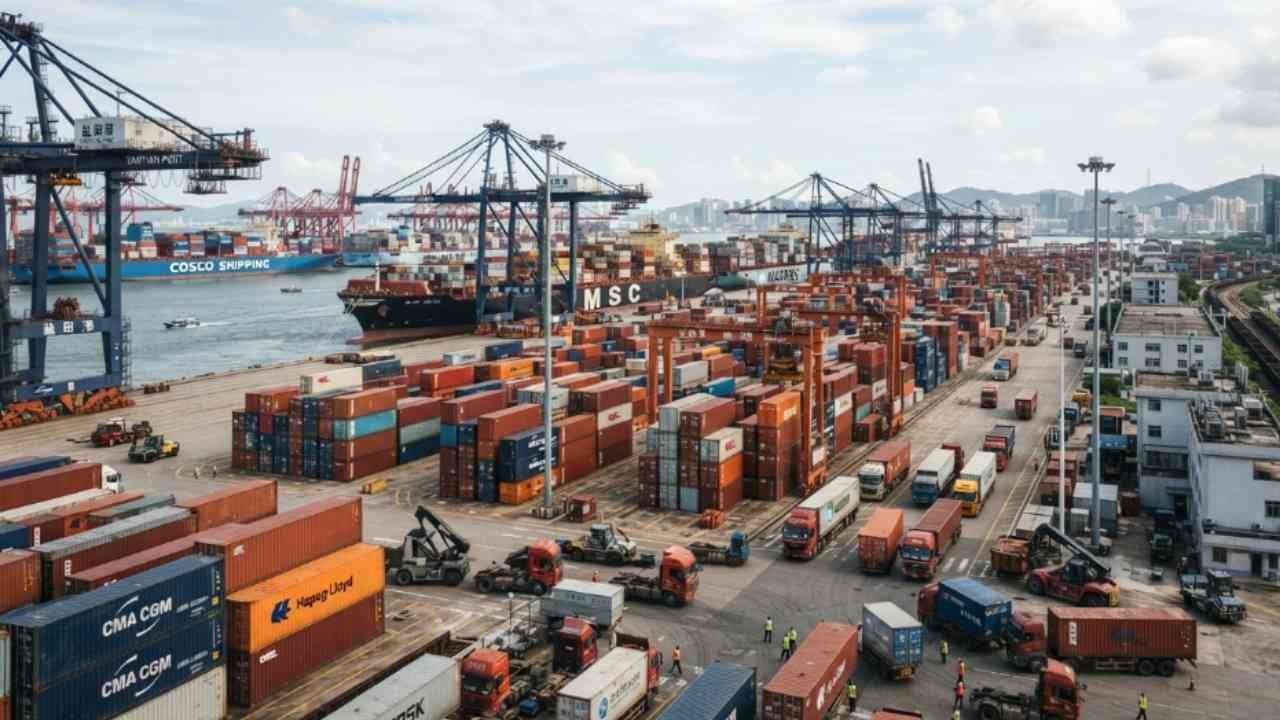
Beyond manufacturing constraints, agricultural variables affect supply timing. Since glucose and starch derived from corn are the primary fermentation feedstocks, poor crop harvests or localized grain supply bottlenecks can limit production capacity. Finally, global logistics factors, such as container shortages, port labor strikes, and shipping route congestion, can delay transit times by weeks. Sourcing partners like FINETECH monitor these environmental inspections, agricultural harvests, and energy policies in China. This on-the-ground intelligence allows buyers to adjust their purchasing schedules before regional factory shutdowns affect global spot-market supplies.
| Supply Chain Bottleneck | Primary Cause | Operational Impact | Sourcing Prevention Action |
|---|---|---|---|
| Power Grid Rationing | Seasonal energy peaks | Temporary factory slowdowns | Maintain safety stock buffers |
| Wastewater Audits | Local emission inspections | Mandatory temporary shutdowns | Source from compliant plants |
| Feedstock Shortages | Poor corn or crop harvests | Lowers total fermentation yields | Approve alternative manufacturers |
| Port Congestion | Peak shipping season demand | Extended ocean transit times | Secure earlier carrier bookings |
How Can Importers Reduce Amino Acid Series Supply Risks?
Relying on a single manufacturing source leaves your operations highly vulnerable to unexpected factory closures and severe price spikes. Concentrated sourcing risks business continuity. Diversifying suppliers secures steady imports.
Importers can reduce supply risks by implementing a multi-source supplier approval plan, locking in annual frame agreements with price-adjustment formulas, and utilizing on-the-ground sourcing agents to monitor cleanroom progress.
Dive Deeper into Multi-Sourcing and On-the-Ground Audits
Mitigating supply risks requires transitioning from a reactive purchasing model to a structured sourcing strategy. Importers should avoid the risk of relying on a single manufacturing plant. Instead, they must qualify and approve multiple factories across different geographic regions. If a primary supplier faces an unexpected environmental inspection, power rationing, or equipment failure, a pre-qualified backup manufacturer can immediately fulfill the required volumes. This dual-sourcing strategy3 ensures business continuity and strengthens the buyer's negotiating leverage during contract renewals.
Additionally, importers can stabilize their procurement costs and allocations by executing annual frame contracts. These agreements define baseline monthly supply volumes and establish clear price adjustment formulas linked to public raw material indexes, protecting both parties from volatile market spikes. Working with an on-the-ground agent is equally critical. Sourcing partners like FINETECH provide this essential local representation in China. They run physical cleanroom inspections, confirm batch fermentation progress, and verify that packaging and labeling meet destination-market regulations before the cargo is loaded onto the vessel, eliminating the risk of receiving off-spec or non-compliant materials.
| Risk Category | Sourcing Vulnerability | Preventive Quality Action | Expected Sourcing Outcome |
|---|---|---|---|
| Single-Source Failure | Factory shutdown halts supply | Approve secondary backup plants | Continuous production stability |
| Price Volatility | Spot-market price spikes | Sign annual frame agreements | Predictable procurement budgets |
| Quality Variance | Off-spec chemical parameters | Implement pre-shipment sampling | Guarantees formulation purity |
| Logistics Delay | Ocean freight bottlenecks | Utilize local sourcing agents | Smooth and timely export clearance |
Why Is Inventory Management Important for Amino Acid Series Supply?
Carrying insufficient inventory can lead to immediate production stops, while overstocking hygroscopic powders causes severe caking and material waste. Poor inventory control inflates overheads. Balanced stock levels optimize capital.
Inventory management is vital because many amino acids are highly hygroscopic and prone to caking under high humidity, requiring precise safety stock calculations and climate-controlled warehousing to prevent physical degradation.
Dive Deeper into Hygroscopic Caking and Safety Stocks
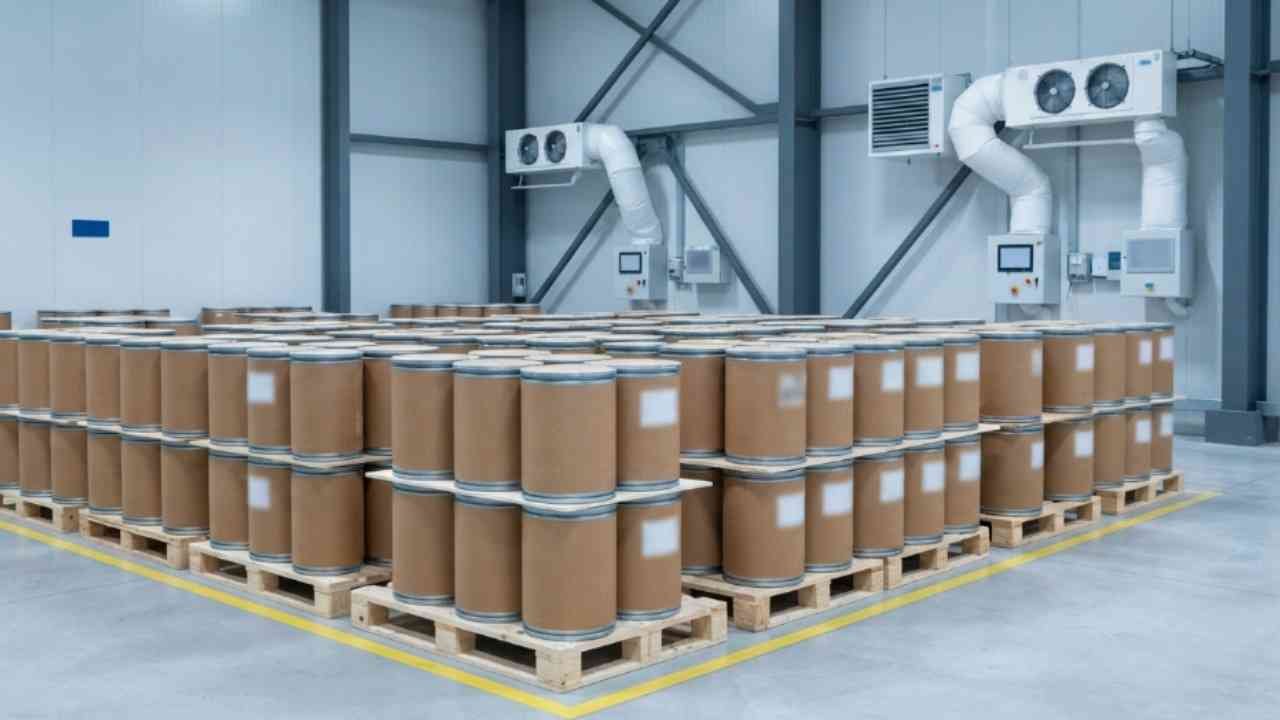
Optimizing inventory levels is a critical challenge in managing a stable amino acid supply chain. Many bulk amino acids, such as L-Lysine Hydrochloride or L-Arginine, are highly hygroscopic. If these powders are stored in standard warehouses without humidity control, they absorb moisture from the air. This moisture absorption causes the powder to cake, forming hard lumps that clog manufacturing machinery. High moisture content also increases the water activity inside the packaging, creating an environment where molds and yeasts can grow.
To prevent these issues, storage areas must be equipped with automated dehumidification and HVAC systems. The facility must also be kept completely dark or utilize yellow-spectrum lighting, as standard fluorescent tubes emit ultraviolet wavelengths that can degrade unshielded K2 molecules. Furthermore, inventory managers must calculate precise safety stocks based on realistic lead times. Since ocean transit from Asian fermentation plants to Western ports typically requires six to eight weeks, buyers must maintain a buffer stock equal to at least two months of production demand. This buffer protects operations from temporary shipping delays, custom holds, and port congestion. Sourcing partners like FINETECH help buyers plan these inventory levels, checking that Chinese factories package the active powders in multilayer, vacuum-sealed aluminum-foil bags to prevent moisture absorption during transit, securing shelf-life stability.
| Material Grade | Physical Storage Risk | Ideal Warehouse Target | Recommended Safety Buffer | Sourcing Action |
|---|---|---|---|---|
| Hygroscopic Powder | Moisture absorption, caking | Cool, dry (below 60% RH) | 60-day manufacturing demand | Specify vacuum foil bags |
| Pharma Crystals | Microbial contamination | Sterile cleanroom storage | 90-day manufacturing demand | Check GMP sealing standards |
| Standard Feed Grade | Puncture damage, dust | Well-ventilated pallet storage | 30-day manufacturing demand | Verify heavy-duty woven bags |
How Do Experienced Suppliers Improve Amino Acid Series Delivery Efficiency?
Sourcing chemical ingredients from inexperienced suppliers can result in customs holds, incorrect dangerous goods labeling, and costly transport delays. Amateur logistics slow down delivery. Utilizing seasoned exporters ensures efficiency.
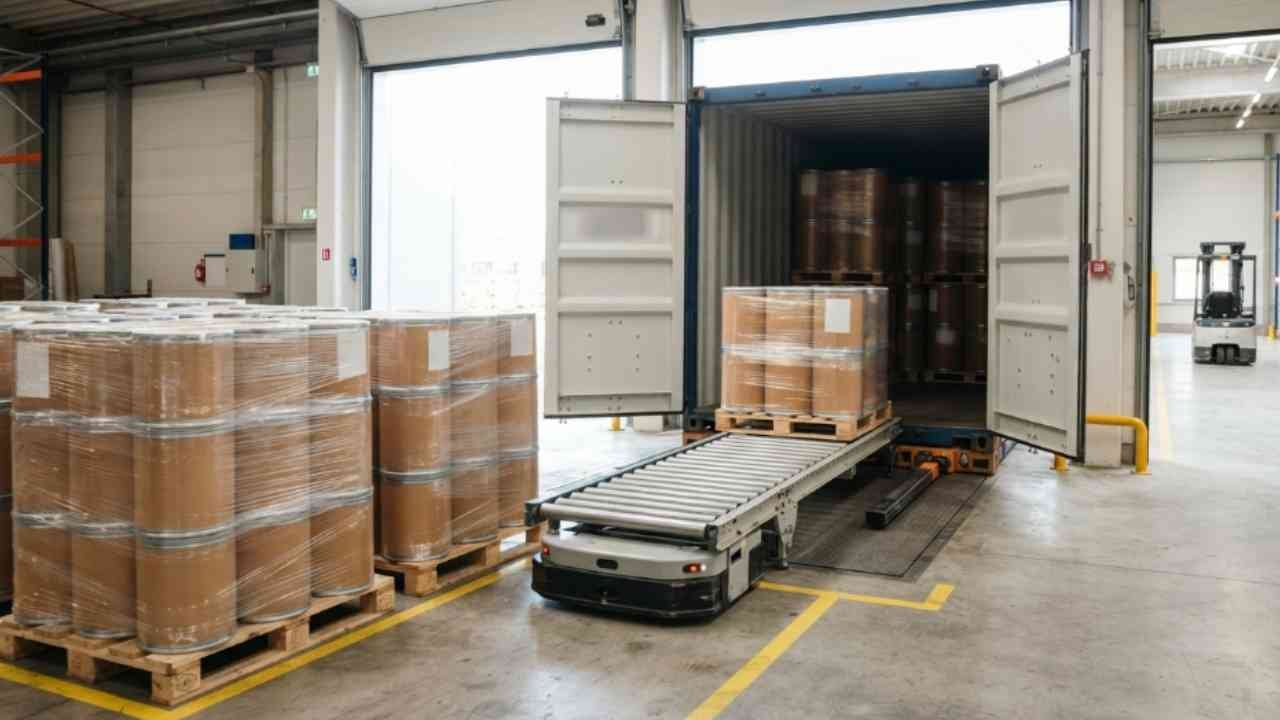
Experienced suppliers improve efficiency by providing pre-cleared customs documentation, applying correct GHS hazard labels, maintaining direct contracts with major ocean carriers, and offering flexible bulk packaging options that match automated handling lines.
Dive Deeper into Customs Clearance and Carrier Contracts
Navigating the complex regulatory requirements of international chemical transport requires extensive logistics expertise. Experienced exporters understand the specific customs documentation required by destination countries. They provide accurate Certificates of Analysis (COA), safety data sheets (SDS) matching GHS standards4, non-gmo statements, and allergen-free declarations before the vessel departs, preventing cargo from being held at port border checks. If the amino acid is classified as hazardous, seasoned suppliers apply the correct hazard labels and class ratings to ensure safe handling.
Furthermore, established manufacturers maintain direct, long-term contracts with tier-one ocean carriers. These agreements secure container allocations and vessel space even during peak shipping seasons, protecting buyers from sudden freight spikes and rollovers. They also offer flexible packaging configurations, such as one-metric-ton bulk bags or double-lined fiber drums, that match the buyer's automated warehouse systems. Sourcing partners like FINETECH play a key role in coordinating these logistics steps in China. They inspect the physical labels, check that the container seals match the shipping manifests, and organize consolidated cargo shipments, helping international buyers minimize transit times and reduce administrative overheads.
| Logistics Step | Experienced Supplier Action | Regulatory Standard Met | Sourcing Value Delivered |
|---|---|---|---|
| Paperwork Draft | Pre-clears import customs | GHS, USP, EP compliance | Eliminates port customs holds |
| Vessel Booking | Direct tier-1 ocean contracts | Approved shipping lanes | Secures container allocations |
| Cargo Labeling | Applies GHS hazard labels | Dangerous goods regulations | Guarantees safe transit handling |
| Drum Packaging | Multilayer vacuum seals | Food & pharma-grade specs | Preserves active product purity |
What Makes a Reliable Amino Acid Series Supply Partner?
Sourcing raw chemicals from transactional brokers can leave your business vulnerable to unverified quality claims and unexpected price hikes. Transactional relationships increase risks. Partnering with committed suppliers stabilizes imports.
A reliable supply partner is characterized by direct factory integration, active global safety certifications (FAMI-QS, FSSC 22000, GMP), transparent communication during raw material price changes, and direct technical on-the-ground support.

Dive Deeper into Factory Integration and Technical Support
Building a stable procurement pipeline requires partnering with suppliers who offer comprehensive support beyond basic transactional orders. Sourcing managers should seek suppliers that are directly integrated with large-scale fermentation facilities. Integrated manufacturers control their agricultural feedstock pipelines, allowing them to offer stable pricing and consistent supply volumes even during regional raw material shortages. They also hold active global safety certifications, including FAMI-QS5 for animal feed additives, FSSC 22000 for food safety, and GMP for pharmaceutical ingredients.
In addition to physical assets, a reliable partner provides transparent communication. They share regular market updates, warning buyers of upcoming factory maintenance closures, environmental audits, or logistics bottlenecks in China, enabling importers to adjust their purchasing strategies in advance. Sourcing partners like FINETECH provide this essential representation in China. They coordinate factory audits, verify active certificate registration codes, manage quality agreements, and supervise port loading. This comprehensive, on-the-ground technical support reduces communication errors, protects the buyer's supply chain, and ensures consistent quality over years of commercial cooperation.
| Partner Attribute | Technical Capability | Quality Control Value | Strategic Sourcing Benefit |
|---|---|---|---|
| Factory Integration | Controls raw feedstock starch | Minimizes price fluctuations | Long-term supply security |
| Global Certification | FAMI-QS, FSSC 22000, GMP | Satisfies import regulations | Fast and smooth customs clearance |
| Market Transparency | Shared production forecasts | Enables proactive purchasing | Protects budgets from spikes |
| Local Representation | Managed by agents like FINETECH | Direct physical plant audits | Guarantees batch specification purity |
Conclusion
Securing a stable amino acid supply chain requires identifying delay causes, implementing multi-sourcing, managing humidity-controlled inventory, and partnering with local sourcing experts to manage factory logistics in China.
-
This review in the MDPI journal Fermentation provides a detailed analysis of metabolic engineering in Corynebacterium glutamicum for large-scale industrial amino acid production. ↩
-
This PMC research paper evaluates real-field fermentation wastewater characteristics, offering technical methodologies to treat effluent with high chemical oxygen demand (COD) through mixed fermentation. ↩
-
Published in MDPI Sustainability, this study uses mathematical modeling to assess the efficacy of a dual-sourcing procurement strategy in mitigating supply disruption risks. ↩
-
Official portal of the United Nations Economic Commission for Europe (UNECE) outlining the Globally Harmonized System of Classification and Labelling of Chemicals (GHS) standards for SDS and hazard communication. ↩
-
Official homepage of FAMI-QS, containing global feed safety and quality management system codes, standard documents, and certification requirements for specialty feed ingredients. ↩