
Navigating complex chemical supply chains alone leads to quality failures, severe logistics bottlenecks, and overpaying brokers. Unmanaged sourcing strains operating capital. Selecting an expert trading partner secures procurement stability.
A professional trading partner connects buyers to vetted manufacturers, conducts rigorous supplier screening, offers flexible purchasing options like mixed containers, reduces overall sourcing costs through aggregate buying power, and provides stable logistics to support long-term business growth.
Successfully scaling product lines requires reliable raw material procurement without the operational overhead of managing distant factories. Sourcing managers must find efficient ways to verify quality and secure inventory. Sourcing partners like FINETECH simplify factory checks, verify production compliance, and secure competitive pricing directly in China to guarantee bulk deliveries. This guide explains why buyers choose a professional trading partner.
How Can an Amino Acid Series Trading Partner Connect Buyers with Reliable Manufacturers?
Attempting to contact foreign factories directly often results in miscommunicated technical specifications and unreturned emails. Weak communication channels stall raw material pipelines. Seasoned trading partners bridge the gap efficiently.
Professional trading partners bridge communication gaps by utilizing local industry networks, translating strict technical specifications for factory engineers, and matching buyers with manufacturers that specialize in the required chemical grades.

Dive Deeper into Factory Networks and Grade Matching
The global amino acid manufacturing landscape is vast, concentrated, and complex, with a significant portion of production based in industrial fermentation parks across northern and western China. Direct communication with these large-scale facilities can be challenging for international buyers due to regional language barriers and structural differences in B2B business practices. Large manufacturers often prioritize massive, domestic-market transactions, leaving smaller international inquiries with delayed responses or standard pricing.
A professional trading partner solves this communication bottleneck by operating as an on-the-ground representative. These partners maintain established, multi-year relationships with the sales and technical teams at major fermentation plants. They understand which specific factories possess the specialized equipment required to produce premium grades, such as vegan-source L-Cysteine or USP-grade branched-chain amino acids (BCAAs). Instead of the buyer trying to evaluate dozens of unverified online listings, the trading partner presents a pre-vetted selection of manufacturers that have passed physical audits. Sourcing partners like FINETECH manage these connections directly in China, translating technical specifications for factory engineers to ensure that the delivered crystals match the precise chemical monographs requested by the buyer.
| Sourcing Challenge | Direct Factory Route | Trading Partner Route | Sourcing Advantage |
|---|---|---|---|
| Communication | Delayed emails, language barriers | Direct local communication | Prevents technical misunderstandings |
| Grade Alignment | Limited to factory's standard output | Matches specific technical grades | Secures exact USP, EP, or AJI specs |
| Factory Auditing | Expensive transoceanic travel | Direct, on-the-ground checks | Reduces travel costs and delays |
| Inquiry Status | Low priority for small volumes | Aggregated volume priority | Fast responses and priority queueing |
Why Does Supplier Screening Matter When Purchasing Amino Acid Series Products?
Sourcing chemical powders without performing strict background audits risks receiving contaminated batches or experiencing sudden supply halts. Unvetted suppliers compromise brand safety. Systematic screening guarantees material safety.
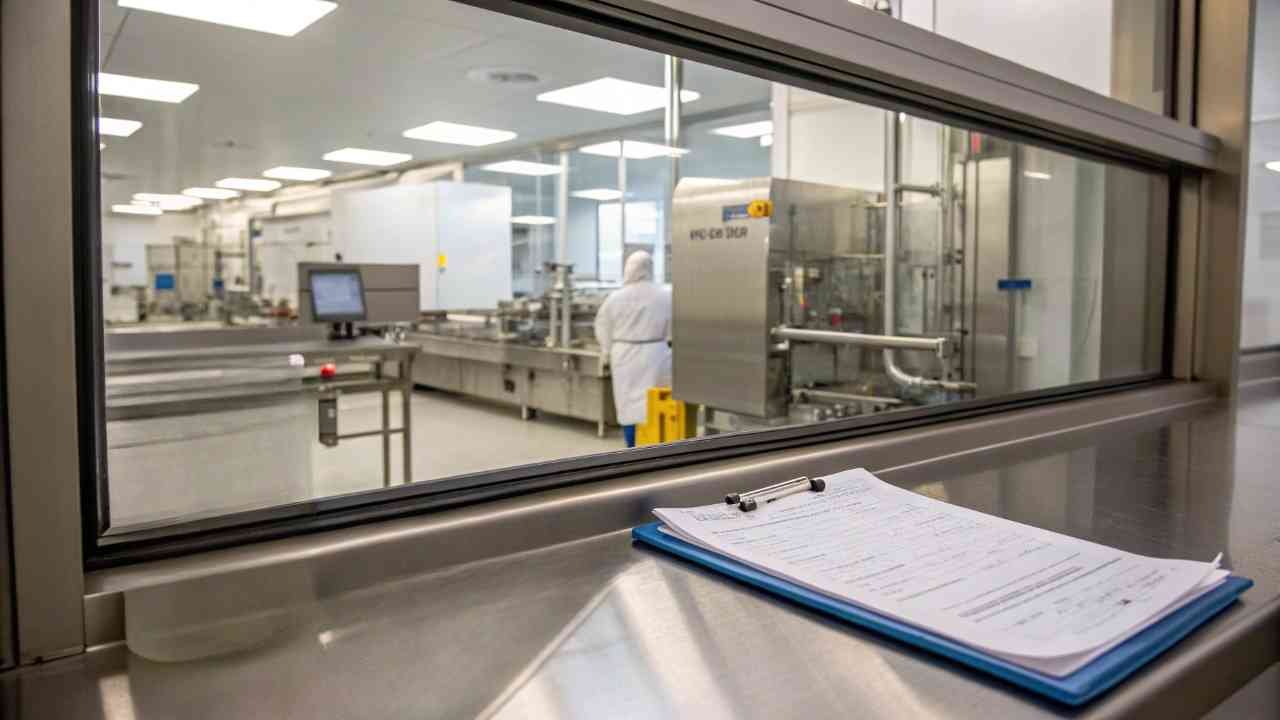
Rigorous supplier screening is essential to identify factories with verified environmental compliance, detect inactive D-isomers, evaluate cleanroom sanitation, and check the validity of food and pharmaceutical safety certificates.
Dive Deeper into Environmental Auditing and stereochemical Verification
Purchasing bulk chemical compounds without a structured evaluation process exposes importers to severe quality and regulatory risks. Because industrial amino acid synthesis generates large amounts of high-nitrogen wastewater1, factories must run complex biological treatment systems. Plants that violate regional pollution laws face immediate, mandatory shutdowns by environmental agencies, which can disrupt a buyer's supply chain for months. Thorough screening checks whether the manufacturer holds active environmental permits and operates modern waste treatment facilities.
In addition to environmental audits, physical quality screening is necessary to prevent raw material contamination. Some low-cost suppliers may deliver batches containing inactive D-isomers, heavy metals, or residual solvents that fail HPLC and polarimetry checks. Screening also verifies that the factory operates under certified Good Manufacturing Practices (GMP) and holds valid food safety documents like FSSC 22000 or FAMI-QS. Sourcing partners like FINETECH minimize these procurement risks by executing comprehensive factory audits in China. They verify registration codes on official databases, check cleanroom sanitation logs, and review historical batch records, ensuring that only fully compliant, safe, and stable manufacturers are approved for bulk supply.
| Screening Focus | Technical Verification | Sourcing Risk Solved | Brand Protection Benefit |
|---|---|---|---|
| Wastewater Control | Active environmental permit check | Sudden regulatory plant shutdowns | Prevents supply chain stops |
| Stereocenter Check | Chiral HPLC and polarimetry | Inactive D-isomer contamination | Guarantees physiological potency |
| Facility Hygiene | Cleanroom and automated CIP logs | Pathogen and heavy metal residue | Eliminates consumer product recalls |
| Paperwork Audit | FAMI-QS / FSSC 22000 validation | Border custom seizures | Assures seamless import clearance |
How Can Trading Companies Provide More Flexible Amino Acid Series Procurement Options?
Direct factories often impose rigid, high minimum order quantities that drain operating capital and bloat inventory levels. Inflexible sourcing terms limit agility. Trading companies offer adaptable purchasing terms.
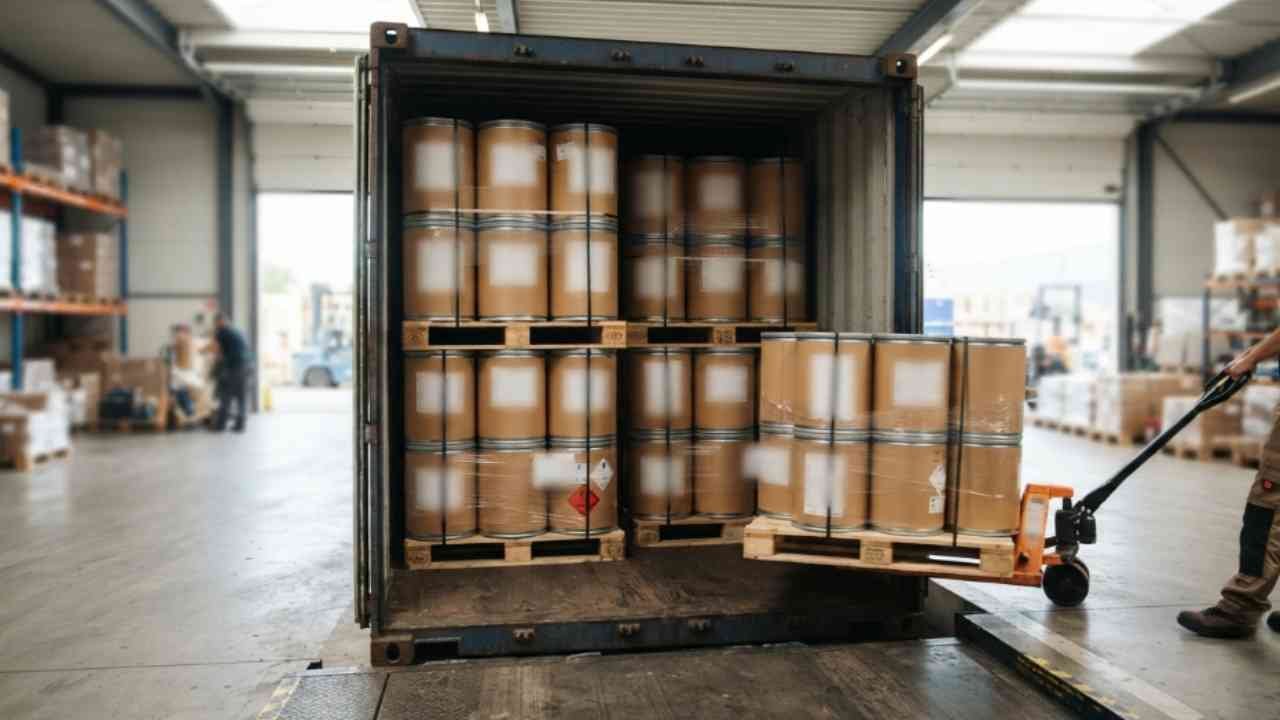
Trading partners provide procurement flexibility by consolidating multiple amino acids into single containers, lowering minimum order quantities (MOQs) for specialized grades, and offering custom packaging options that fit automated production lines.
Dive Deeper into Mixed-Container Consolidations and Low MOQs
Direct purchasing from primary chemical synthesis plants is often restricted by high Minimum Order Quantities (MOQs), which typically require buying several metric tons of a single amino acid per order. For brands that require smaller volumes of specialized amino acids, such as L-Tryptophan2, L-Histidine, or L-Proline, these high MOQs drain cash flow and lead to excess inventory storage costs. Furthermore, storing large quantities of hygroscopic powders increases the risk of moisture absorption and caking over time.
A professional trading company overcomes these restrictions by offering flexible consolidation services. Because they purchase bulk volumes from multiple factories, they can aggregate demand and supply mixed container loads (LCL or mixed FCL). This allows a buyer to purchase L-Glutamine, L-Arginine3, and BCAAs in a single, consolidated shipment, matching their actual monthly production schedule. Additionally, trading partners can arrange custom packaging configurations, such as twenty-five-kilogram fiber drums instead of standard bulk bags, to fit the buyer's automated warehouse handling systems. Sourcing partners like FINETECH manage these consolidated shipments in China, organizing secure warehouse storage, verifying labels, and packing mixed pallets to streamline the delivery process for international importers.
| Procurement Aspect | Direct Factory Policy | Trading Partner Option | Cash Flow Benefit |
|---|---|---|---|
| Minimum Order Volume | Rigid, multi-ton limits per item | Low, flexible MOQs per compound | Reduces capital tied up in inventory |
| Container Loading | Single product type per container | Mixed container consolidation | Lowers shipping fees for small lots |
| Packaging Types | Standard bulk bags (usually 1 MT) | Fiber drums, vacuum foil bags | Prevents moisture caking in storage |
| In-Stock Lead Time | Subject to production queues | Pre-allocated warehouse stock | Speeds up manufacturing schedules |
How Do Professional Traders Help Buyers Save Time and Reduce Sourcing Costs?
Spending extensive hours researching chemical regulations, checking suppliers, and managing logistics delays drains valuable operational resources. Inefficient procurement processes inflate overheads. Professional traders streamline importing steps.
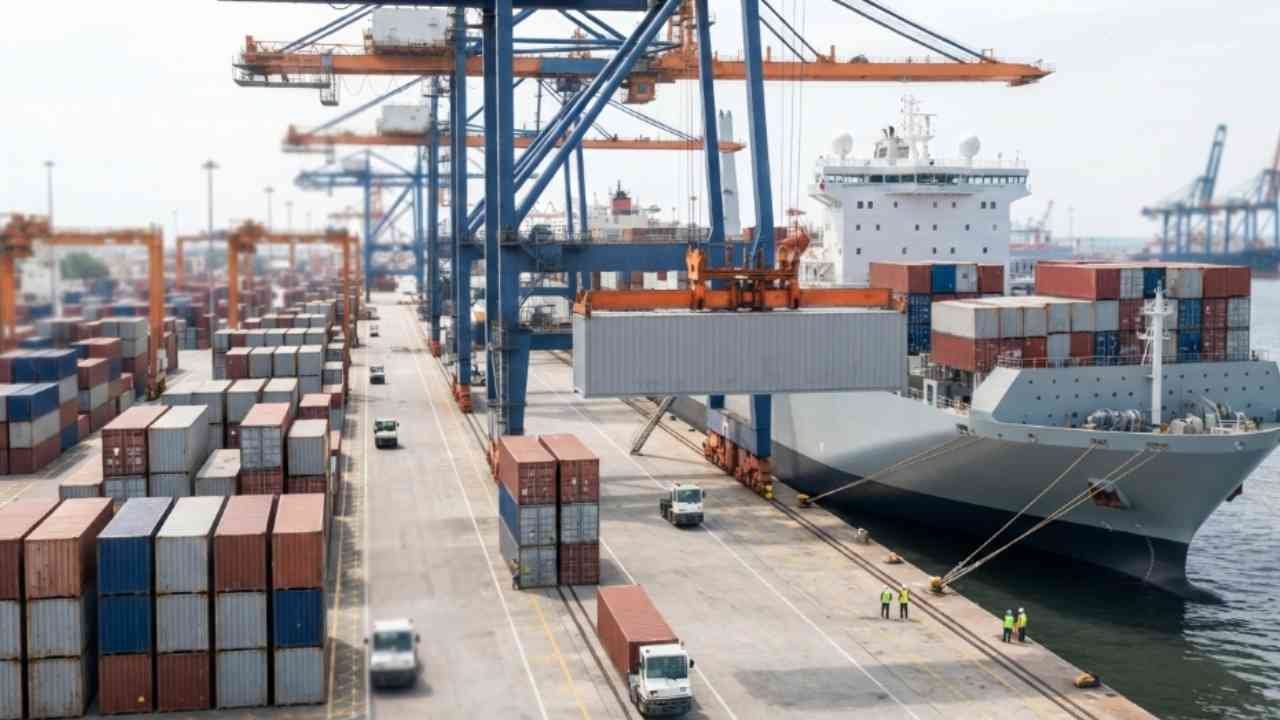
Professional traders save time and reduce costs by managing the entire procurement process, securing volume-discounted pricing, preparing compliant customs paperwork, and coordinating ocean freight to prevent expensive logistics delays.
Dive Deeper into Administrative Efficiency and Bulk Discounts
The administrative workload involved in sourcing bulk amino acids internationally is a major overhead cost for procurement departments. Sourcing managers must spend hours preparing compliant hazard communication labels, drafting safety data sheets (SDS) that match local GHS requirements4, and checking that Certificates of Analysis (COA) list the correct testing methods. Any error in this paperwork can result in cargo being held at destination ports, leading to expensive demurrage fees.
A professional trading partner handles this administrative workload, freeing up the buyer's internal resources. They leverage their collective purchasing power to secure volume discounts from primary manufacturers, passing these savings on to buyers. Additionally, they coordinate domestic transport, manage port-loading inspections, and secure vessel bookings with tier-one shipping lines, ensuring that cargo is shipped on schedule. Sourcing partners like FINETECH streamline this process by operating as a single point of contact. They manage quality agreements, verify that all export documents are fully compliant with destination-market regulations, and provide direct tracking updates, helping buyers reduce sourcing costs and eliminate unexpected customs delays.
| Sourcing Phase | Standard Buying Cost | Trading Partner Sourcing Cost | Operational Time Saved |
|---|---|---|---|
| Supplier Vetting | Weeks of research and emails | Immediate pre-vetted options | Eliminates research delays |
| Document Preparation | Manual drafting of SDS & COA | Pre-cleared, compliant paperwork | Prevents customs holds at port |
| Logistics Booking | Spot-market freight rates | Contracted, volume-carrier rates | Secures container space on time |
| Quality Assurance | Costly independent lab checks | Local pre-shipment inspection | Lowers product defect rates |
Why Is a Trusted Amino Acid Series Partner Valuable for Long-Term Business Growth?
Relying on volatile spot-market transactions leaves your brand vulnerable to sudden price spikes and unexpected material shortages. Unsecured supply chains limit growth. Strategic supply partnerships ensure long-term stability.
A trusted partner supports long-term growth by securing consistent raw material supplies, protecting budgets from price volatility, providing early warnings about regulatory changes, and assisting with clean-label reformulations.
Dive Deeper into Strategic Planning and Regulatory Foresight
As consumer brands scale their product lines, supply chain stability becomes a critical driver of business growth. Relying on spot-market transactions exposes companies to price volatility and sudden inventory shortages. A trusted trading partner provides stability by acting as a strategic supply buffer. By executing annual frame agreements and maintaining reserved safety stocks in regional warehouses, they ensure a consistent supply of raw materials even during periods of high demand or environmental shutdowns in China.
Furthermore, an experienced partner provides valuable market foresight. They monitor upcoming regulatory changes, such as new allergen labeling requirements in Europe or updated FDA dietary ingredient rules5 in the United States, allowing buyers to adjust their product formulations in advance. If a brand wants to transition to cleaner labels, the partner can source non-soy, fermented amino acid alternatives. Sourcing partners like FINETECH support this long-term growth by providing comprehensive supply chain management. They act as a local, technical extension of the buyer's team in China, managing quality assurance and logistics to ensure a reliable supply of premium raw materials for years of commercial cooperation.
| Business Stage | Supply Chain Need | Partner Contribution | Strategic Growth Benefit |
|---|---|---|---|
| Product Launch | Fast, flexible supply | Small-scale mixed orders | Speeds up time-to-market |
| Market Expansion | Stable wholesale pricing | Annual volume agreements | Protects operating margins |
| Supply Protection | Buffer against shortages | Multi-factory supply options | Eliminates production downtime |
| Brand Innovation | Clean-label ingredients | Sources allergen-free grades | Captures premium consumer markets |
Conclusion
Choosing a professional trading partner simplifies the amino acid procurement process by connecting buyers with vetted manufacturers, providing flexible mixed-container options, and securing compliant customs logistics.
-
A detailed academic review on MDPI Sustainability analyzing biological, chemical, and physical treatment technologies specifically tailored for treating industrial, nitrogen-rich wastewater. ↩
-
An EFSA scientific opinion published on PMC evaluating the safety and efficacy of L-tryptophan produced via bacterial fermentation in nutritional applications. ↩
-
This patent publication outlines packaging and container technologies designed specifically to mitigate moisture absorption and prevent caking in highly hygroscopic amino acid powders, including L-arginine. ↩
-
Official UNECE portal for the Globally Harmonized System of Classification and Labelling of Chemicals (GHS), providing international standards for safety data sheets (SDS) and chemical labeling. ↩
-
Official FDA resource outlining the pre-market notification process and safety guidelines for New Dietary Ingredients (NDI) and dietary supplement rules in the United States. ↩