
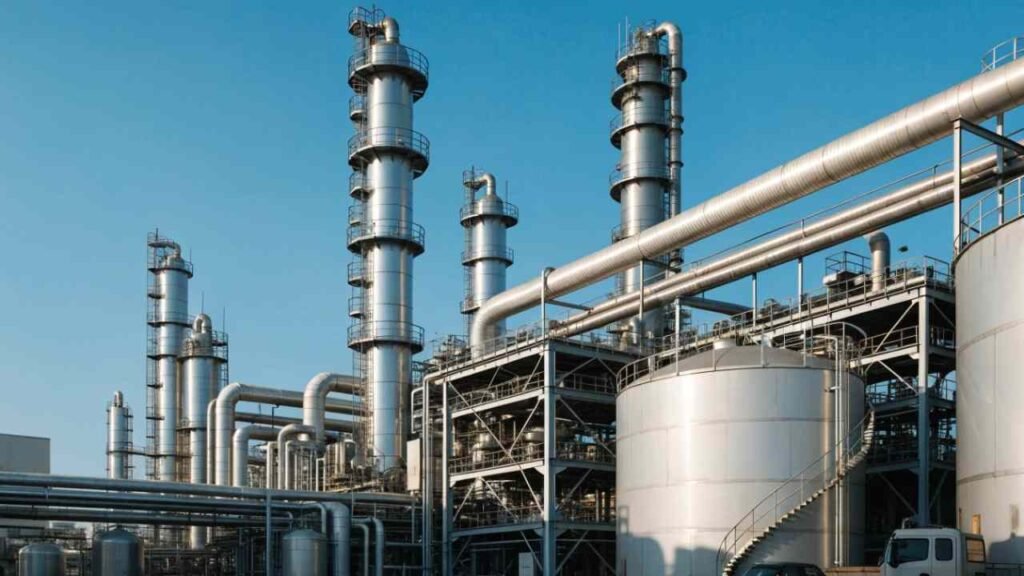
Sourcing bulk DL-Methionine without tracking petrochemical cost trends and regional manufacturing capacities leads to severe overpayment and budget deficits. Unchecked market volatility drains margins. Identifying price drivers protects procurement budgets.
DL-Methionine price trends are driven by petrochemical intermediate costs (propylene, sulfur, methanol), highly concentrated global production capacities, seasonal livestock feed demands, regional energy utility tariffs, and geopolitical conflicts that disrupt maritime shipping routes.
Successfully optimizing chemical raw material costs requires a disciplined approach to analyzing international manufacturing variables. Importers must examine global market indicators to justify large-scale bulk procurement. Sourcing partners like FINETECH simplify factory checks, verify production compliance, and secure competitive pricing directly in China to guarantee bulk deliveries. This analysis explains what factors affect DL-Methionine price trends.
What Causes DL-Methionine Prices to Fluctuate?
Purchasing active compounds on the spot market without predicting market shifts results in unexpected margin compression and supply bottlenecks. Volatile pricing disrupts procurement operations. Identifying price fluctuation causes stabilizes budgets.
DL-Methionine prices fluctuate due to sudden petrochemical supply constraints, seasonal factory maintenance turnarounds, shifting ocean freight container rates, and geopolitical tensions in energy-producing regions that drive up global manufacturing overheads.
Dive Deeper into Energy Overheads and Maintenance Turnarounds
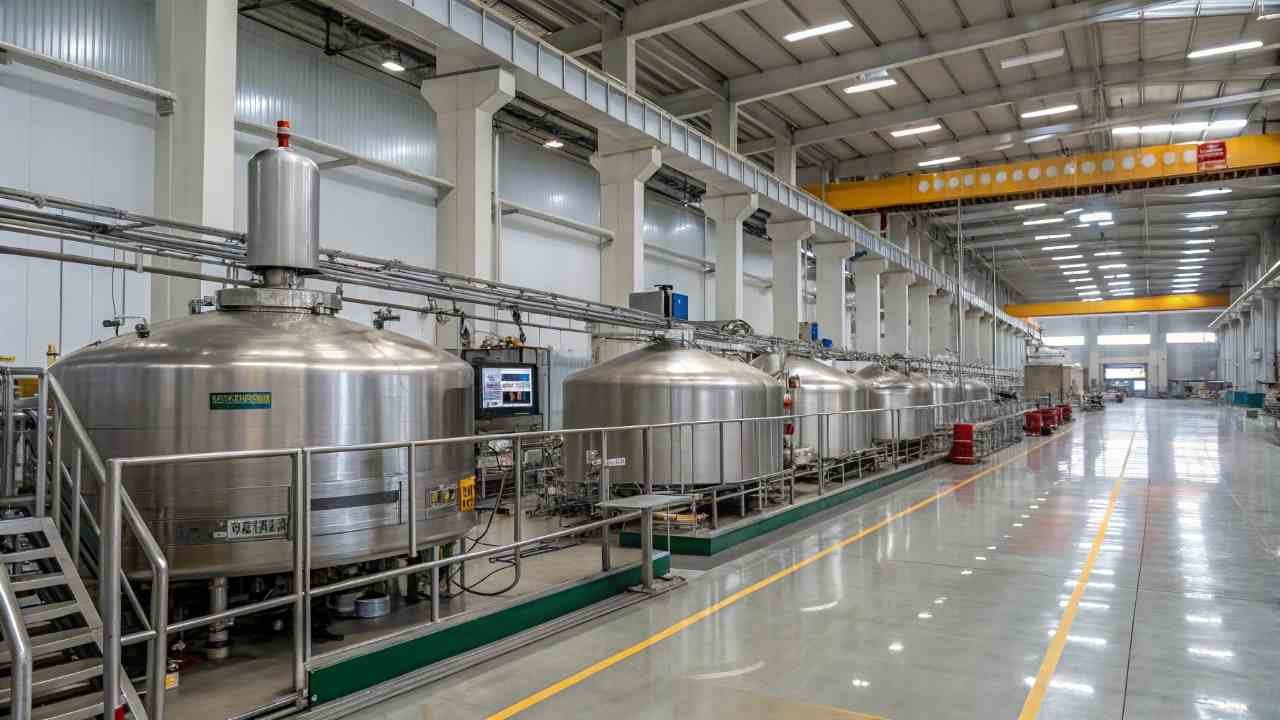
Analyzing the market dynamics of DL-Methionine reveals a highly volatile pricing environment shaped by both industrial and geopolitical factors. Unlike fermented amino acids that depend primarily on agricultural crops, DL-Methionine is produced through complex petrochemical synthesis, making its production costs highly sensitive to energy tariffs and crude oil indexes. When global oil and gas prices spike, manufacturing costs climb instantly, forcing producers to raise their wholesale quotes. For example, regional energy supply constraints can cause sudden price spikes in spot-market rates, affecting importing nations that rely heavily on foreign shipments.
Furthermore, industrial maintenance schedules play a significant role in price volatility1. Because the chemical synthesis of methionine involves hazardous intermediate compounds, manufacturing plants must conduct periodic safety overhauls and equipment maintenance. When multiple world-scale facilities schedule maintenance shutdowns in the same quarter, global spot availability shrinks, creating temporary supply deficits and driving prices upward. Sourcing partners like FINETECH help buyers navigate these fluctuations by tracking factory maintenance schedules and energy trends in China, enabling importers to pre-allocate bulk inventory before seasonal supply contractions affect market pricing.
| Fluctuation Factor | Primary Industrial Cause | Typical Market Impact | Sourcing Prevention Action |
|---|---|---|---|
| Petrochemical Spikes | Global crude oil inflation | Rapid increase in manufacturing costs | Secure index-linked contracts |
| Maintenance Stops | Scheduled safety turnarounds | Tightens spot-market availability | Pre-order buffer warehouse stock |
| Geopolitical Tension | Shipping route disruptions | High ocean freight tariffs | Optimize container consolidation |
| Energy Utility Tariffs | Regional coal and gas shortages | Increases baseline processing fees | Partner with low-cost western plants |
How Do Raw Material Costs Affect DL-Methionine Prices?
Ignoring volatile petrochemical precursor trends can leave your purchasing department vulnerable to sudden supplier surcharges and budget deficits. Unmonitored material costs compress operating margins. Tracking chemical precursors protects budgets.
Raw material costs dictate DL-Methionine pricing because the chemical synthesis depends directly on petrochemical intermediates, meaning price shifts in propylene, sulfur, methanol, and methyl mercaptan instantly affect wholesale production costs.
Dive Deeper into Petrochemical Synthesis and Precursor Volatility
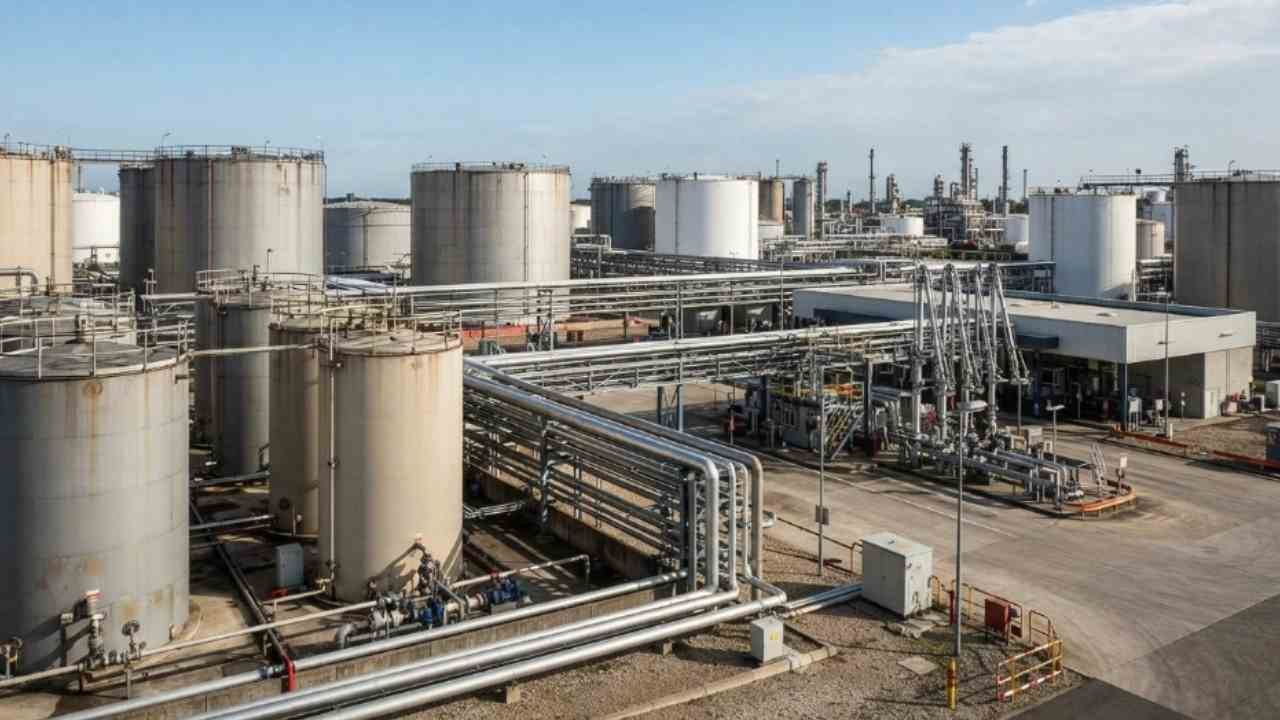
The cost structure of DL-Methionine is heavily dependent on the prices of its key chemical precursors. The commercial synthesis of methionine is a highly technical process that combines methyl mercaptan2, acrolein, and hydrogen cyanide to form the target amino acid. These intermediate compounds are derived directly from primary petrochemical feedstocks, specifically propylene, methanol, and elemental sulfur. Consequently, any price movement in the global oil, natural gas, or sulfur refining markets has a direct, cascading effect on the manufacturing cost of DL-Methionine.
For example, when regional methanol costs spike, or when propylene purification plants face unplanned outages, the cost of synthesizing acrolein and methyl mercaptan climbs immediately. Because these raw materials represent over sixty percent of the total manufacturing cost, producers cannot absorb these increases and must pass them on to the market as higher prices per ton. Sourcing partners like FINETECH monitor these upstream chemical markets in real time, checking regional propylene and sulfur price indexes in China. This technical foresight allows international buyers to time their contract signings and avoid purchasing bulk cargo during peak raw material cost spikes.
| Petrochemical Precursor | Primary Raw Material | Affected Synthesis Step | Pricing Impact on DL-Methionine |
|---|---|---|---|
| Propylene | Crude oil refining | Synthesis of acrolein | High volatility linked to oil indexes |
| Methanol | Natural gas / Coal | Synthesis of methyl mercaptan | Regional gas supply directly shifts costs |
| Elemental Sulfur | Oil desulfurization | Synthesis of methyl mercaptan | Shifts based on global refining output |
| Ammonia | Natural gas reforming | Synthesis of hydrogen cyanide | Agricultural fertilizer demand shifts prices |
How Does Supply and Demand Influence DL-Methionine Pricing?
Booking large-scale shipments during sudden global demand spikes results in paying inflated spot prices and experiencing long shipping delays. Unbalanced market capacity strains budgets. Aligning orders with market cycles preserves capital.
Supply and demand dictate pricing due to high industry concentration, where output adjustments by major producers quickly shift availability, while livestock consumption cycles in poultry and swine farming drive spot-market purchasing volumes.

Dive Deeper into Industry Concentration and Downstream Restocking
The interaction of global supply capacity and downstream demand is a primary driver of DL-Methionine price trends. The manufacturing side of the market is highly concentrated, with a few leading chemical companies controlling over eighty percent of global production capacity. Because establishing a new integrated methionine synthesis facility requires massive capital investments and strict environmental permits, the market has high barriers to entry. Consequently, any output reduction, equipment breakdown, or regulatory halt at a major facility can quickly restrict global supply, driving spot prices upward.
On the demand side, consumption is driven by the global animal feed industry3, particularly poultry and swine farming4, which accounts for over eighty percent of total usage. When global meat consumption rises, or when feed manufacturers enter an active restocking phase to rebuild depleted inventories, spot demand spikes. This surge in demand can outpace available factory output, causing a significant supply deficit. Sourcing partners like FINETECH help B2B buyers navigate this concentrated market by monitoring factory utilization rates and regional feed inventories, ensuring that buyers secure stable allocations before demand surges drive up prices.
| Supply-Demand Variable | Market Dynamic | Sourcing Risk | Buyer Mitigation Strategy |
|---|---|---|---|
| High Production Concentration | Top producers control capacity | Sudden plant failures spike prices | Approve alternative manufacturers |
| Livestock Feed Expansion | Broiler & swine feed growth | Increased competition for volume | Lock in annual frame agreements |
| Downstream Restocking | Feed mills rebuild inventories | Tightens immediate spot supply | Pre-order cargo during market lows |
| Aquaculture Demand | Fishmeal replacement programs | Long-term volume growth | Secure direct factory-direct supply |
When Is the Best Time to Buy DL-Methionine?
Placing bulk orders during peak pre-winter stockpiling periods results in paying premium prices and experiencing logistics delays. Poorly timed purchasing wastes capital. Ordering during low-demand windows optimizes spending.
The best time to buy DL-Methionine is during the summer low season (July and August) when agricultural feed mill demand slows down, or immediately after new capacity expansions are brought online, which increases spot availability.

Dive Deeper into Seasonal Lows and Capacity Expansions
Timing bulk chemical purchases around seasonal cycles is a highly effective strategy to control procurement costs. The global DL-Methionine market exhibits clear seasonal patterns driven by livestock rearing cycles and feed mill scheduling. The summer months, specifically July and August, represent the traditional low season for animal feed production in the Northern Hemisphere. During this warm period, livestock feed intake naturally moderates, and feed mills slow down their purchasing, which often causes spot prices to decline and stabilizes trading quotes.
Another optimal purchasing window opens immediately after major producers complete brownfield expansions. When new, high-volume production lines are brought online in hubs like Singapore or China, global supply capacity increases, which relieves market pressure and helps lower spot prices. Buyers should avoid purchasing during the autumn rush (September and October) when feed mills actively stockpile ingredients for winter, or ahead of the Lunar New Year when shipping rates rise. Sourcing partners like FINETECH help buyers utilize these seasonal trends. By tracking Chinese plant output, export logistics, and shipping patterns, they advise importers on the precise weeks to lock in bulk contracts, maximizing procurement savings.
| Purchasing Window | Market Condition | Cost Advantage | Sourcing Recommendation |
|---|---|---|---|
| July & August (Summer) | Slow feed-mill demand | Lowest seasonal spot prices | Sign long-term supply contracts |
| Post-Expansion Months | New production lines online | Increased spot-market supply | Secure bulk volume allocations |
| Sep & Oct (Autumn) | Pre-winter stockpiling rush | High demand, rising prices | Avoid spot-market purchases |
| Pre-Lunar New Year | Peak export shipping season | Extended transit, high freight | Complete orders 60 days in advance |
How Can Buyers Reduce DL-Methionine Purchasing Costs?
Relying on transactional spot-market purchasing exposes your supply chain to extreme price spikes and unexpected budget overruns. Spot buys increase cost risks. Implementing strategic cost controls protects margins.
Buyers can reduce costs by signing annual frame agreements with price-adjustment formulas, utilizing high-volume liquid methionine if processing equipment allows, consolidating shipping routes, and using local sourcing agents to purchase directly from plants.

Dive Deeper into Volume Contracts and Sourcing Partnerships
Implementing a proactive, structured sourcing strategy is essential to control procurement costs in a volatile chemical market. Buyers should move away from transactional spot purchasing, which exposes budgets to sudden price surges. Instead, they should negotiate annual frame agreements with trusted manufacturers. These contracts lock in baseline supply volumes and establish clear pricing formulas linked to transparent raw material and energy indexes, protecting buyers from sudden market spikes while giving factories predictable production volumes.
Additionally, buyers can optimize logistics and formulation formats to reduce costs. If a feed mill's processing equipment supports liquid handling, transitioning from dry powder to liquid methionine hydroxy analogue (MHA-FA)5 can lower purchasing costs, as liquid options typically cost less per active unit. For dry powder, importing in one-metric-ton bulk bags instead of twenty-five-kilogram bags reduces packaging fees. Sourcing partners like FINETECH provide critical support in managing these cost controls directly in China. They negotiate direct factory contracts, verify bulk packaging compliance, and organize consolidated container shipments, helping international buyers bypass intermediary broker markups and maintain healthy commercial margins.
| Sourcing Cost Control | Technical Sourcing Action | Sourcing Operational Benefit | Expected Quality Outcome |
|---|---|---|---|
| Annual Frame Contracts | Lock in volume allocations | Stabilizes prices against spikes | Consistent supply security |
| Liquid Methionine Use | Upgrade to liquid handling systems | Lowers cost per active unit | Accurate automated dosing |
| Bulk Packaging | Use 1 MT jumbo bags | Reduces packing labor fees | Free-flowing, low-loss dry powder |
| Local Sourcing Experts | Partner with firms like FINETECH | Bypasses trading broker markups | Direct-from-factory pricing |
Conclusion
DL-Methionine price trends are shaped by volatile petrochemical feedstocks, highly concentrated global capacity, seasonal livestock feed demands, and shipping logistics, requiring strategic, index-linked purchasing contracts to optimize costs.
-
This industry article by nutriNews explores the factors driving current methionine market conditions and highlights strategic purchasing practices for feed manufacturers facing raw material price pressure. ↩
-
An official patent document on Google Patents outlining the chemical reaction, raw materials, and production steps for synthesizing high-purity DL-methionine utilizing methyl mercaptan. ↩
-
This technical science article on nutriNews explores the nutritional value, energy contributions, and exact dietary formulation matrices of synthetic and crystalline amino acids inside compound feeds. ↩
-
This popular-science article on pig nutrition from nutriNews details the core principles of reducing crude protein in pig diets while maintaining growth performance via synthetic amino acid balancing. ↩
-
The official product page for Novus's ALIMET® feed supplement, detailing the liquid methionine hydroxy analogue (HMTBa) molecule, its chemical properties, handling advantages, and application guidelines. ↩