
Attempting to source DL-Methionine independently from overseas plants leads to severe cultural misunderstandings, import document errors, and costly delivery delays. Complex trade systems drain capital. Expert traders streamline operations.
A professional trading company simplifies DL-Methionine sourcing by bridging communication barriers, managing complex international shipping logistics, providing flexible financial terms, consolidating mixed chemical cargo, and managing strict pre-shipment quality checks to ensure target market compliance.
Successfully navigating the global chemical supply chain requires local commercial networks and extensive administrative expertise. Sourcing managers must find efficient ways to reduce transport risks without expanding internal overheads. Sourcing partners like FINETECH simplify factory checks, verify production compliance, and secure competitive pricing directly in China to guarantee bulk deliveries. This guide explains the advantages of working with a professional trading partner.
How Can a DL-Methionine Trading Company Simplify Global Sourcing?
Communicating directly with massive petrochemical plants often results in unreturned emails, language barriers, and slow negotiation progress. Inefficient communication stalls raw material pipelines. Local trading companies simplify transactions.
Professional trading companies simplify global sourcing by acting as a direct, local representative that manages communications, translates complex chemical specifications, and coordinates with major manufacturers to secure priority stock allocations.

Dive Deeper into Local Representation and Priority Allocations
Global DL-Methionine1 manufacturing is highly concentrated, with major production plants located in industrial zones across China, Singapore, and Europe. Direct communication with these large-scale facilities can be challenging for international purchasing teams due to timezone differences, language barriers, and regional business practices. Furthermore, primary chemical plants typically prioritize high-volume domestic contracts, leaving medium or small international buyers with slow response times or inflexible pricing structures.
A professional trading company overcomes these hurdles by acting as a direct local representative. These firms maintain established relationships with the sales and logistics teams at major petrochemical plants. They translate strict technical specifications for factory engineers, ensuring that the final material matches the specific chemical parameters requested by the buyer. By aggregating volumes from multiple global clients, trading partners can also secure volume-based discounts and priority stock allocations during periods of tight market capacity. This local presence transforms a complex, distant purchasing process into a straightforward transaction, saving buyers from the administrative burden of managing overseas suppliers. Sourcing partners like FINETECH manage these relationships on the ground in China, representing the buyer's interests directly at the production site to ensure smooth transactions.
| Sourcing Task | Direct Plant Route | Sourcing with a Trading Partner | Operational Advantage |
|---|---|---|---|
| Communication | Timezone delays and language barriers | Direct local communication | Speeds up contract negotiations |
| Sourcing Priority | Low priority for smaller volumes | Aggregated volume priority | Secures stock during shortages |
| Document Handling | Complex export clearance paperwork | Pre-cleared, compliant documentation | Prevents customs holding delays |
| Price Negotiation | Rigid, standard list prices | Volume-discounted pricing | Lowers total raw material costs |
Why Do Buyers Choose Trading Companies for DL-Methionine Procurement?
Purchasing directly from chemical plants often requires accepting high minimum order volumes that tie up operational capital. Inflexible purchasing policies restrict business growth. Trading partners offer adaptable procurement terms.
Buyers choose trading companies because they provide flexible minimum order quantities, allow mixed cargo consolidations of different amino acids, offer customized credit terms, and match specific grade requirements with vetted producers.
Dive Deeper into Mixed Consolidations and Capital Flexibility
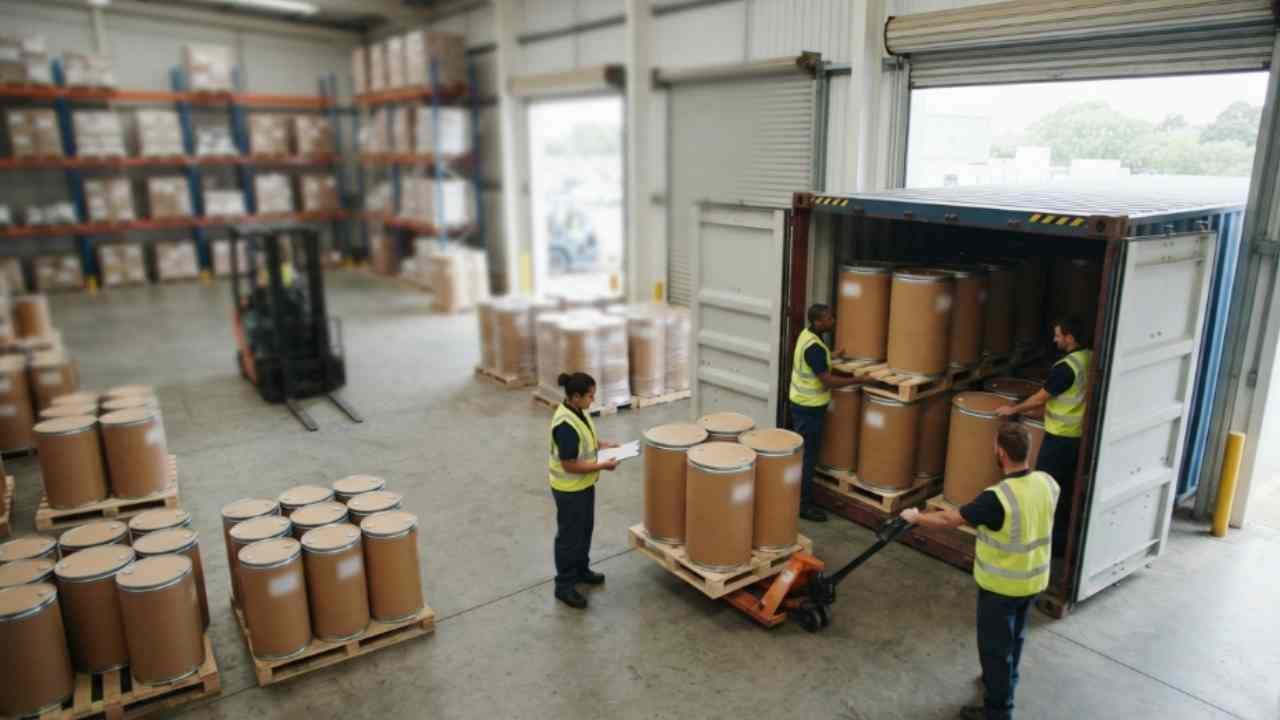
Sourcing raw DL-Methionine directly from manufacturing plants often requires accepting high Minimum Order Quantities (MOQs), which typically demand buying several metric tons of a single product per order. For feed blenders or supplement brands that require smaller volumes of multiple amino acids, these rigid MOQs tie up valuable operating capital and lead to excess warehouse holding costs. Additionally, storing large amounts of dry chemical powders increases the risk of moisture absorption2 and structural caking over time.
A professional trading company resolves these constraints by providing flexible procurement options. Because trading partners manage relationships with multiple chemical factories, they can aggregate demand to offer lower MOQs. They can also consolidate different compounds, such as DL-Methionine, L-Lysine3, and L-Threonine4, into a single mixed container shipment (LCL or mixed FCL). This allows buyers to align their raw material deliveries with actual monthly production schedules. Furthermore, trading partners often provide customized credit and payment terms that direct factories rarely offer, helping buyers optimize their cash flow. Sourcing partners like FINETECH organize these flexible logistics and warehousing services in China, ensuring that mixed orders are packed securely and delivered on schedule to protect the buyer's operating capital.
| Sourcing Parameter | Direct Plant Policy | Trading Partner Option | Financial Benefit |
|---|---|---|---|
| Minimum Orders | Rigid, multi-ton limits per item | Low, flexible MOQs | Minimizes capital tied up in inventory |
| Container Mixing | Single product type per shipment | Mixed container consolidation | Reduces freight costs for small lots |
| Payment Options | Strict upfront cash requirements | Tailored credit and payment terms | Optimizes monthly operational cash flow |
| Packaging Types | Standard bulk bags | Custom drums or smaller bags | Prevents moisture caking in storage |
How Can Trading Companies Reduce DL-Methionine Supply Risks?
Relying on a single factory exposes your business to sudden delivery halts caused by environmental audits or equipment failures. Unmitigated supply risks stall production. Multi-factory networks secure supply.
Trading companies reduce supply risks by qualifying multiple backup factories, maintaining regional safety stocks, monitoring local environmental policies, and conducting independent pre-shipment quality audits to ensure batch consistency.
Dive Deeper into Backup Sourcing and Quality Audits
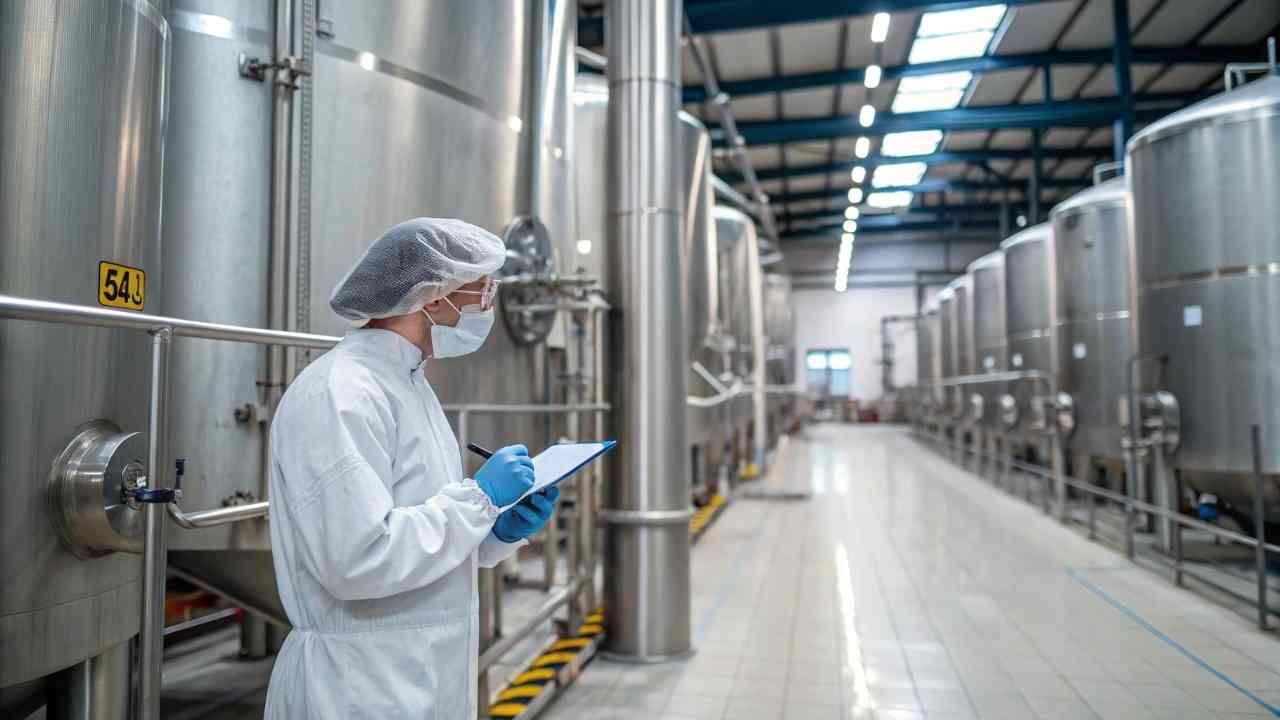
The international DL-Methionine supply chain is vulnerable to unexpected disruptions, including environmental wastewater inspections, regional energy grid rationing, and raw material transport bottlenecks. If a buyer relies on a single manufacturing facility, any unexpected shutdown at that plant can halt production schedules and lead to expensive contract penalties. A professional trading company mitigates this single-source vulnerability by qualifying and maintaining relationships with multiple backup factories across different regions.
If the primary supplier faces an unexpected shutdown, the trading partner can immediately shift the order to a pre-vetted alternative factory, securing supply continuity. Furthermore, trading partners monitor local environmental policies and industrial safety audits in manufacturing countries, providing buyers with early warnings about upcoming market tightness. They also manage quality risk by conducting independent pre-shipment audits. Sourcing partners like FINETECH provide this essential protection on the ground in China. They collect composite samples from the warehouse, verify that the active assay meets the ninety-nine percent threshold via HPLC, check that the specific optical rotation remains neutral via polarimetry, and inspect packaging seals before the container is loaded, ensuring that buyers never receive substandard cargo.
| Supply Risk | Direct Route Risk Impact | Trading Partner Mitigation | Sourcing Outcome |
|---|---|---|---|
| Plant Shutdown | Complete supply chain halt | Shifts orders to backup factories | Continuous production stability |
| Off-Spec Batches | Delayed detection, factory disputes | Pre-shipment laboratory audits | Guarantees chemical purity |
| Local Policy Shifts | Unpredicted price hikes or bans | Continuous policy monitoring | Proactive inventory planning |
| Packaging Damage | Contaminated or caking powder | Local pre-loading inspections | Preserves raw material shelf life |
What Value-Added Services Can a DL-Methionine Trading Partner Provide?
Managing custom labels, hazard warnings, and complex international trade compliance manually drains valuable administrative resources and causes transit delays. Inefficient paperwork slows logistics. Professional traders handle regulatory details.
Professional trading partners provide key value-added services, including preparing GHS-compliant hazard labels, compiling safety data sheets (SDS), tracking regional import tariffs, and providing customized packaging configurations.
Dive Deeper into Document Compliance and Custom Packaging
Importing bulk chemicals internationally involves a high volume of administrative and regulatory requirements. Sourcing managers must spend hours preparing Globally Harmonized System (GHS)5 compliant hazard communication labels, drafting Safety Data Sheets (SDS), and verifying that Certificates of Analysis (COA) match target market monographs. Any errors or missing declarations in these documents can cause customs authorities to seize the container at the destination port, leading to expensive storage and demurrage fees.
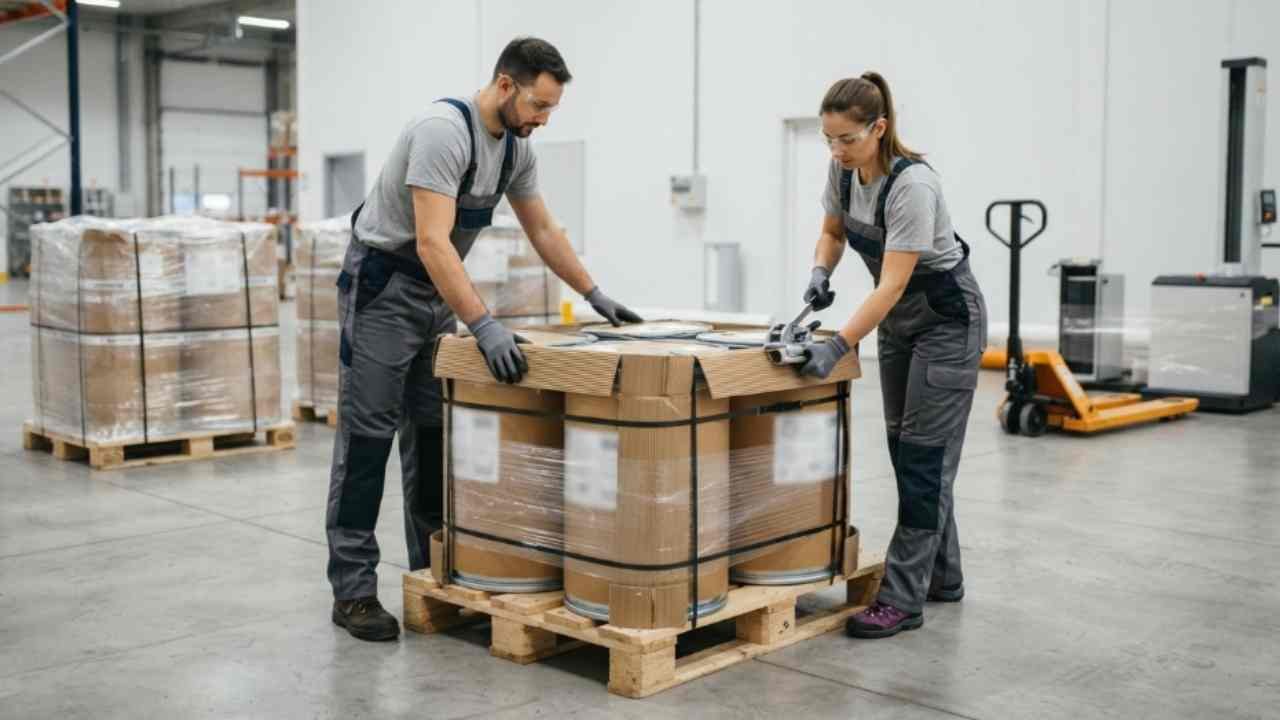
A professional trading partner handles these compliance tasks, saving buyers significant time and reducing regulatory risks. They verify that the packaging labels display correct hazard pictograms and warning statements. They also coordinate custom packaging configurations, such as packing the material in double-lined fiber drums or vacuum-sealed aluminum bags to protect the hygroscopic powder from moisture. Sourcing partners like FINETECH manage these value-added logistics steps in China, ensuring that all export documents, certificates of origin, and safety labels comply with destination-market regulations before shipping, allowing international importers to clear customs smoothly and focus on their core business activities.
| Value-Added Service | Sourcing Activity | Sourcing Benefit | Expected Sourcing Outcome |
|---|---|---|---|
| Document Alignment | Matches SDS & COA to GHS | Prevents port customs holds | Smooth, worry-free customs clearance |
| Packaging Upgrades | Vacuum foil seals and drums | Prevents powder clumping | Free-flowing powder in production |
| Tariff Planning | Checks regional customs duties | Identifies lower duty codes | Lowers total import purchasing costs |
| Visual Auditing | Direct port-loading photo logs | Verifies physical seal counts | Protects against ocean transit loss |
How Can a Long-Term Trading Partner Improve DL-Methionine Purchasing Efficiency?
Sourcing chemical inputs through uncoordinated transactions leaves your company vulnerable to price volatility and sudden inventory shortages. Transactional sourcing increases overheads. Strategic long-term partnerships optimize purchasing.
A long-term trading partner improves purchasing efficiency by establishing automated reorder schedules, providing early market intelligence, negotiating multi-year pricing structures, and maintaining dedicated warehouse safety stocks.

Dive Deeper into Reorder Automation and Strategic Planning
Transitioning from transaction-based spot buying to a strategic partnership with an experienced trading company is an effective way to optimize procurement costs and ensure supply chain stability. As business relationships mature, trading partners gain a deep understanding of the buyer's production schedules, warehouse storage capacities, and quality requirements. This alignment enables them to establish automated reorder systems that ship bulk containers of DL-Methionine on a fixed schedule, reducing the administrative burden on the buyer's purchasing team.
Furthermore, a trusted trading partner acts as an extension of the buyer's procurement team, providing critical market intelligence. They track regional raw material price shifts, energy utility tariffs, and upcoming factory maintenance shutdowns in manufacturing hubs, helping buyers make proactive purchasing decisions. They can advise on when to secure bulk orders to bypass seasonal price surges or when to delay purchasing to utilize market low points. Sourcing partners like FINETECH support this long-term growth by providing end-to-end supply chain management. They coordinate direct plant relations, monitor manufacturing compliance, and handle international logistics, securing a reliable and cost-effective supply of high-purity DL-Methionine for years of commercial cooperation.
| Partnership Stage | Sourcing Integration | Operational Benefit | Long-Term Strategic Value |
|---|---|---|---|
| First Order | Initial factory vetting | Safe, compliant delivery | Establishes baselines for quality |
| Active Sourcing | Mixed cargo container loads | Optimized cash flow and inventory | Lowers per-shipment logistics costs |
| Integrated Sourcing | Automatic stock reorders | Minimal manual order processing | Eliminates factory stockouts |
| Strategic Partnership | Multi-year pricing formulas | Protection against market spikes | Secures predictable purchasing budgets |
Conclusion
Working with a professional trading partner simplifies global DL-Methionine sourcing by bridging communication barriers, providing flexible MOQs, reducing supply risks, and streamlining international customs logistics.
-
A peer-reviewed scientific paper in MDPI Animals analyzing live performance, growth metrics, and formulation outcomes of supplemental DL-methionine in livestock nutrition. ↩
-
A peer-reviewed study in the Journal of Food Science and Technology analyzing the mathematical modeling of moisture sorption and its direct trigger on the degree of caking of food powders. ↩
-
An academic study in Chemosphere detailing the environmentally compatible fermentative production, metabolic engineering pathways, and economic sustainability of L-lysine as a primary feed supplement. ↩
-
A peer-reviewed review article in Nutrients mapping out the physiological functions, biological regulatory mechanisms, and metabolic pathways of L-threonine beyond its classical nutritional role. ↩
-
The official UNECE portal explaining the Globally Harmonized System of Classification and Labelling of Chemicals (GHS), outlining international guidelines for SDS drafting and hazard labelling. ↩